National Park Week 2026: Late-Summer Family Trip Ideas Before School Starts
- When Is National Park Week 2026?
- Why Does National Park Week 2026 Work Well for a Late-Summer Trip?
- Which National Park Week Trip Fits Your Family?
- What Can Families Do During National Park Week 2026?
- How Should You Plan a One-Day or Weekend Park Road Trip?
- What Late-August Conditions Should Families Check?
- What Should You Pack for a Long National Park Week Day?
- Plan Your National Park Week 2026 Road Trip
- FAQs
National Park Week 2026 runs from August 22 through August 30, making it a good time for a late-summer day trip or weekend getaway. Families can choose from Junior Ranger activities, historic sites, coastal walks, scenic drives, day hikes, and evening programs. Pick one main destination, check current conditions, and leave enough time to enjoy the visit.
When Is National Park Week 2026?
Late August can still work well for a day trip or short weekend, especially when families choose a park within a manageable driving distance. Check the school calendar and other commitments before booking an overnight stay.
Date | Main Event | What Families Can Expect |
|---|---|---|
August 22 | National Junior Ranger Day | Activity books, ranger programs, outdoor activities, and badge opportunities |
August 25 | Fee-free entrance day | Entrance fees waived for U.S. citizens and residents at National Park Service sites that normally charge an entrance fee |
August 22 to 30 | National Park Week events | Historic programs, exhibits, tours, and family activities |
The August 25 waiver covers park entrance at sites that normally charge a fee. Parking, campsites, guided tours, timed entry, and other services may still cost extra. Check the 2026 National Park Week schedule and the page for your destination before leaving home.
Why Does National Park Week 2026 Work Well for a Late-Summer Trip?
Late August gives many families enough time for a day trip or short weekend before classes, sports, and school routines return. A park within two or three hours of home can offer a full change of scenery without requiring a long vacation.
The U.S. park system includes many places beyond large wilderness parks. Families can visit seashores, battlefields, memorials, historic homes, recreation areas, monuments, and city-based historic sites.
This range works well for groups with different interests and energy levels. One family may want a coastal walk, while another may prefer a museum, historic fort, scenic road, or ranger program.
Which National Park Week Trip Fits Your Family?
Choose a destination based on driving time, weather, and the type of experience your family wants.
| Region | Trip Idea | What Makes It Special |
|---|---|---|
| Northeast | Acadia National Park in Maine | Walk or bike part of its historic carriage-road network, then stop along the rocky Atlantic coast. |
| Southeast | Cades Cove in Great Smoky Mountains | Follow the loop road past cabins, churches, open fields, and wildlife viewing areas. |
| Great Plains | Badlands National Park in South Dakota | Drive between overlooks and add the short Fossil Exhibit Trail. |
| Southwest | Grand Canyon South Rim in Arizona | Visit several viewpoints along the 23-mile Desert View Drive. |
| Pacific Northwest | Olympic National Park in Washington | Plan a coastal stop around low tide to see tide pools and sea life. |
| Mid-Atlantic | Philadelphia or Washington DC park sites | Connect the trip to America’s 250th anniversary through historic buildings and memorials. |
What Can Families Do During National Park Week 2026?
National Park Week activities can fit a full weekend, a half-day visit, or a stop during a longer road trip. Choose one main experience and leave enough time to enjoy it without rushing.
Take a Family-Friendly Day Hike
Choose a trail based on the youngest or least experienced person in the group. Check the distance, elevation gain, trail surface, shade, restroom access, and estimated walking time before leaving.
Loop trails and nature trails near visitor centers are often practical for families. During late August, begin exposed hikes early and set a clear turnaround time. Carry water, sun protection, and a basic first-aid kit, even on a short trail.
Earn a Junior Ranger Badge
National Junior Ranger Day takes place on August 22. Children may complete activity books, attend programs, answer questions, and earn a badge.
Each location runs its own program. Some parks may hold activities on another date or ask children to finish the booklet before the visitor center closes.
Collect a Park Passport Stamp
Many visitor centers offer dated cancellation stamps through the Passport to Your National Parks program. Families can place the stamp in a passport book, brochure, Junior Ranger booklet, or on blank paper.
The stamp records the park name and visit date, giving children a simple way to track trips across the country.
Join a Ranger or Living History Program
Ranger walks, campfire talks, historic demonstrations, and living history events can add structure to the day. A battlefield may offer a history talk, while a coastal park may focus on wildlife, tides, or local communities.
Check the meeting place, program length, age range, and accessibility before arriving.
Stay for an Evening Program
Some parks hold astronomy events, wildlife talks, or campfire programs after sunset. Bring warm layers, a blanket or folding chair, and a red-light headlamp.
Red light preserves night vision better than bright white light. Lower phone brightness and keep strong lights pointed away from other visitors.
How Should You Plan a One-Day or Weekend Park Road Trip?
Use a simple schedule that leaves room for traffic, meals, and changes in weather.
Set a realistic driving limit. Include gas stops, food breaks, and the trip home.
Choose one main activity. Pick a day hike, historic program, scenic drive, Junior Ranger event, or evening activity.
Check entry rules. Confirm timed entry, parking reservations, shuttle service, campground bookings, and tour tickets.
Review current alerts. Look for construction, smoke, road closures, storms, and facility changes.
Save maps offline. Cell service may fade in forests, deserts, canyons, and mountain areas.
Prepare a backup stop. A visitor center, picnic area, overlook, or paved trail can replace the main plan.
Choose a departure time. Leave enough daylight and energy for the drive home.
For a weekend trip, keep the arrival day relaxed. Schedule the longest activity the next morning, when everyone has more energy and many locations feel cooler.
What Late-August Conditions Should Families Check?
Late-summer conditions differ across the United States. Review the risks that match your destination.
Southwest: High temperatures can make exposed trails difficult. Choose morning walks, rim viewpoints, or shaded stops.
Southeast: Humidity and afternoon storms can affect trails, picnic plans, and scenic roads.
Pacific coast: Tide times matter on beaches and around rocky headlands.
Mountain parks: Weather can change quickly at higher elevations, even during summer.
Great Plains: Open roads and trails may offer little shade, so carry extra water.
Western fire areas: Check smoke, air quality, and road closures on the morning of travel.
Pack enough water and food to cover delays. Conditions can change overnight, so review current alerts again before entering the park.
What Should You Pack for a Long National Park Week Day?
Bring enough supplies for a full day away from stores, outlets, and reliable cell service.
Water and extra drinks for the drive
Simple meals and heat-safe snacks
Sunscreen, hats, sunglasses, and light layers
Rain gear and spare clothes for children
Personal medication and a small first-aid kit
Offline maps and printed booking details
A Junior Ranger booklet or park passport
Charging cables for each device
A red-light headlamp for evening programs
Trash bags and secure food containers
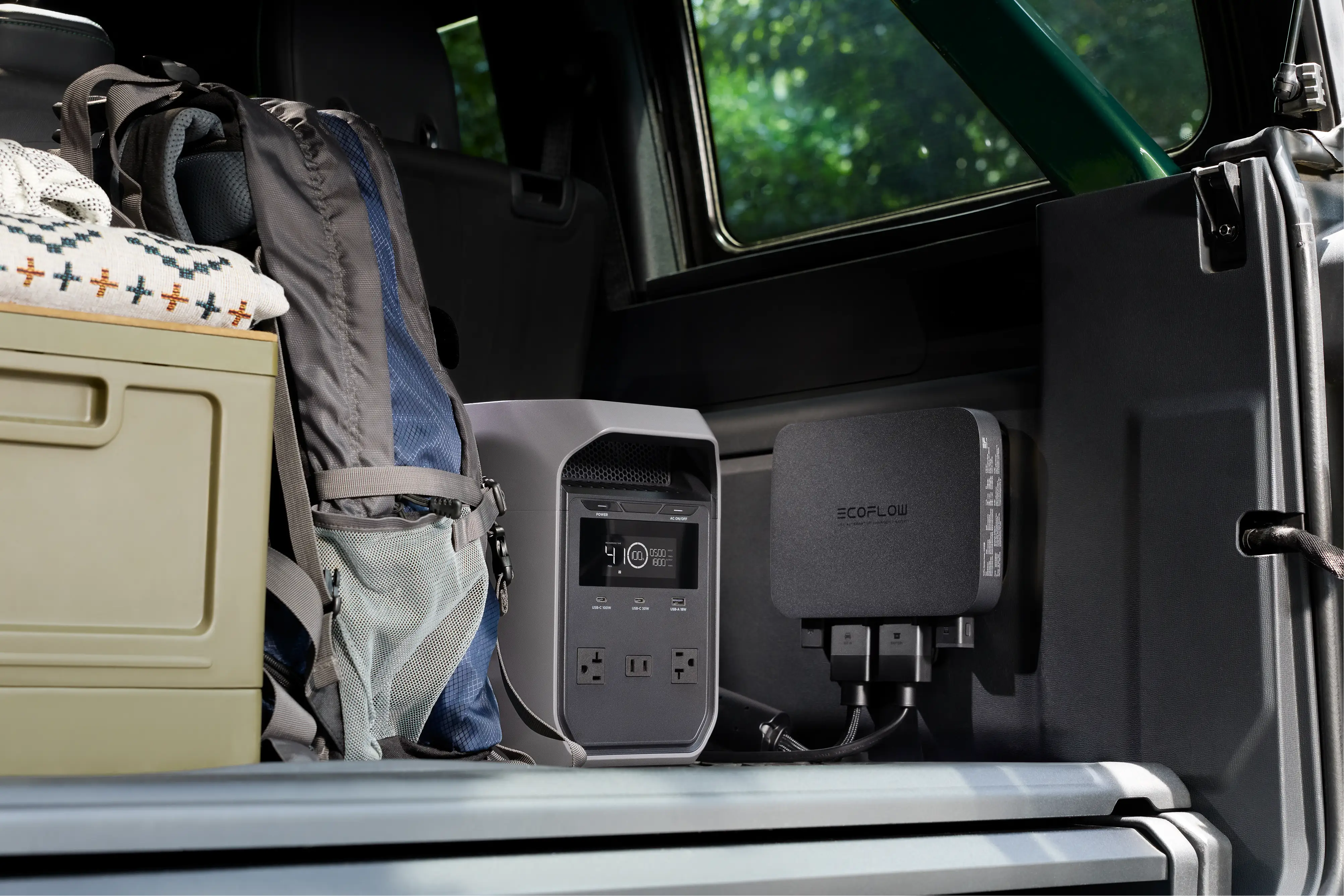
Phones may handle navigation, tickets, weather alerts, photos, and emergency calls during the same trip. Cameras, lights, portable fans, and a car refrigerator can increase the total power demand. Before choosing a backup power setup, add the wattage of devices that may run together and estimate how long each one will operate. Energy capacity and power output measure different parts of an energy storage system.
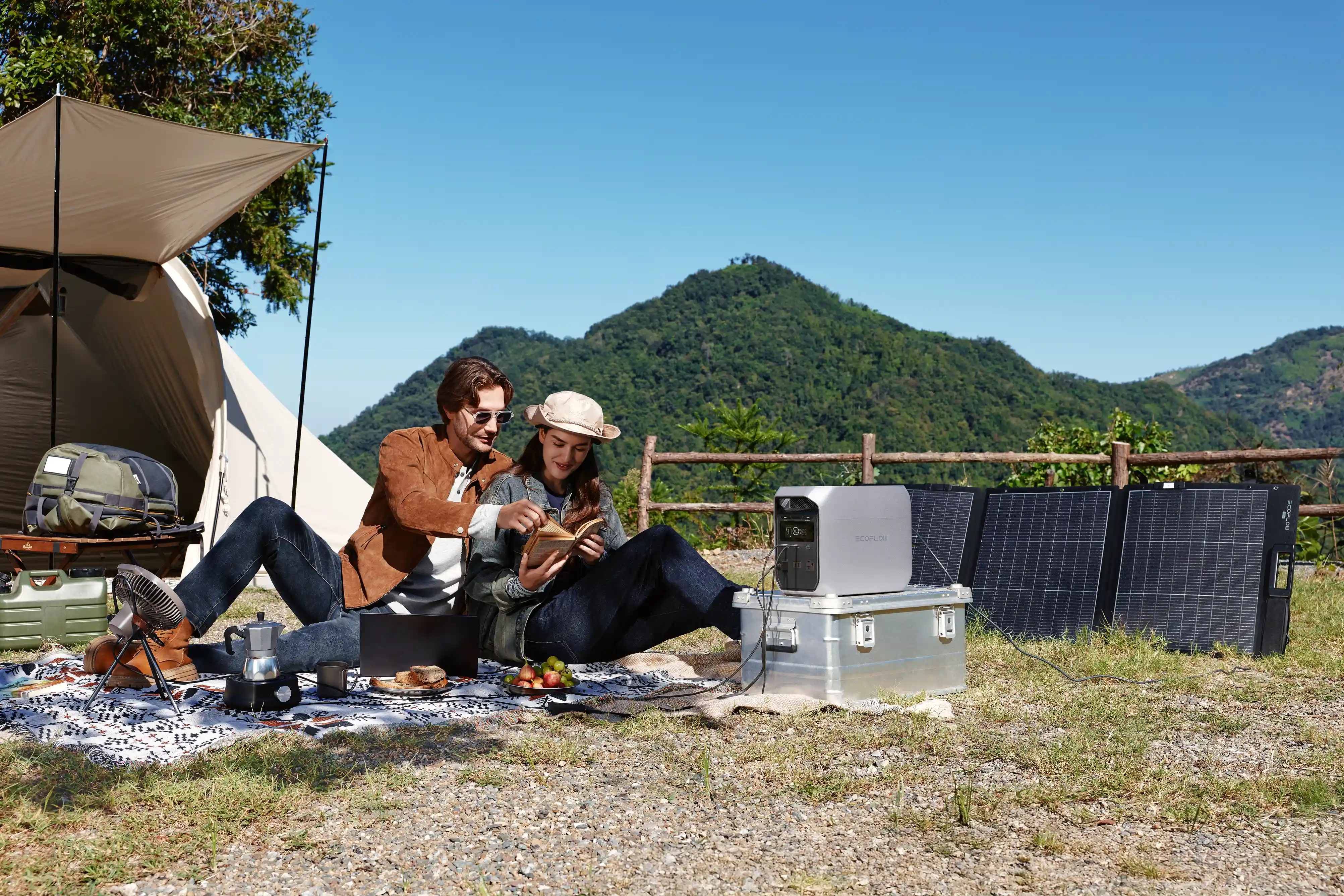
For families who want one power source at the vehicle or campsite, the EcoFlow DELTA 3 Classic is one option. It has 1,024Wh capacity, 1,800W rated AC output, and reaches 80% charge in 45 minutes with AC charging. These specifications suit common road-trip loads such as a car refrigerator, phones, camera batteries, lighting, and a portable fan. Actual runtime depends on device wattage and operating time.
Secure the power station during travel and place it on a dry, stable surface when in use.
Plan Your National Park Week 2026 Road Trip
Choose a park that fits your driving time, check its August events and entry rules, and build the trip around one activity your family will enjoy. Pack for the local weather, save important details offline, and leave room for changes. Pick your destination, reserve anything required, and plan your final family road trip before summer ends.
FAQs
Q1: Can a Fourth-Grade Pass Be Used During National Park Week?
Yes. A valid 2025-2026 Every Kid Outdoors pass remains active through August 31, 2026. Coverage depends on how the site charges admission. Parking, camping, tours, boat trips, and other services may require separate fees. Check the current pass rules before the trip.
Q2: Are Pets Allowed During National Park Week?
Yes, many park sites allow pets in selected developed areas, campgrounds, roads, or trails. Rules vary by location. Check the destination’s pet page before traveling. Bring a leash, water, waste bags, and a plan for buildings or trails where animals are restricted.
Q3: Can Families Bring Bicycles or E-Bikes?
Possibly. Bicycle and e-bike access varies by park and route. E-bikes may be used only in areas approved by the individual park, and both traditional bicycles and e-bikes are prohibited in designated wilderness. Check the destination’s current bike rules before traveling, including route limits and local operating requirements.
Q4: What Should Parents Do if a Child Gets Separated?
Choose a meeting place after arriving, such as the visitor center entrance or a marked information board. Teach children to remain in one place and ask a uniformed ranger or staff member for help. Place a parent’s phone number inside the child’s pocket or backpack.
For press requests or interview opportunities, reach out to our media team
media.na@ecoflow.com