Tide Pooling: How to Start Exploring Tide Pools Safely and What to Look For
- What Is Tide Pooling and Why Is It a Great Coastal Adventure?
- How Tide Pools Form and Where You Can Find Them
- How to Plan Your First Tide Pooling Trip
- How to Choose a Beginner-Friendly Tide Pool Location
- Tide Pooling Safety Tips Every Beginner Should Know
- What Can You Find in a Tide Pool?
- Best Tide Pooling Spots in the United States
- Conclusion
- FAQ
When the tide goes out, rocky shorelines reveal a multitude of tidal pools filled with sea stars, sea anemones, crabs, and other coastal marine life. Exploring tide pools is a simple yet rewarding way to experience the intertidal zone. It’s a great activity for families, photographers, and outdoor enthusiasts exploring U.S. coastlines.
In this guide, we’ll explain how tide pools form, the best times and places to explore them, and safety tips for everyone. It also recommends what gear to bring, how to set up a comfortable beach basecamp, and how to keep your devices powered during longer adventures.
What Is Tide Pooling and Why Is It a Great Coastal Adventure?
Tide pools look like simple patches of seawater trapped between rocks, but they are diverse and support quite a variety of marine life. These small coastal habitats are very dynamic and go through constant changes in temperature, water levels, and sunlight. This means these sea creatures have to learn to adapt in unique ways.
How Tide Pools Form and Where You Can Find Them
Tide pools form in the intertidal zone, which is the area of the shoreline between the water at high tide and low tide. As the ocean retreats, the small pools and holes in the rocks trap seawater, leaving temporary sanctuaries for marine life. The best beaches with tide pools are usually found along rugged, rocky coastlines with exposed reefs and protected areas where seawater can remain trapped during low tide, while flat, sandy beaches rarely provide the same conditions.
Why Tide Pooling Is a Fun Activity for Families and Nature Lovers
For kids and first-time visitors, tide pooling can be live-action, hands-on science lesson. It seems as though every rock pool offers something new to discover. You’ll find tiny crabs hiding under stones and colorful anemones opening with the tide. It requires no specialized training or expensive gear, but you should bring hard-soled shoes, curiosity, and a willingness to explore. For nature lovers and photographers, it offers a closer look at local marine life and a beautiful coastline.
How to Plan Your First Tide Pooling Trip
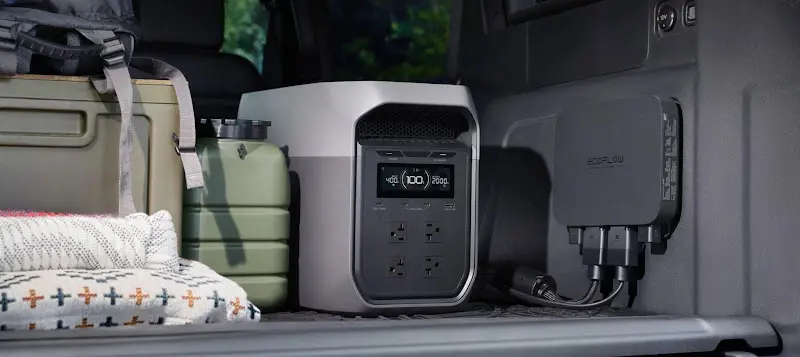
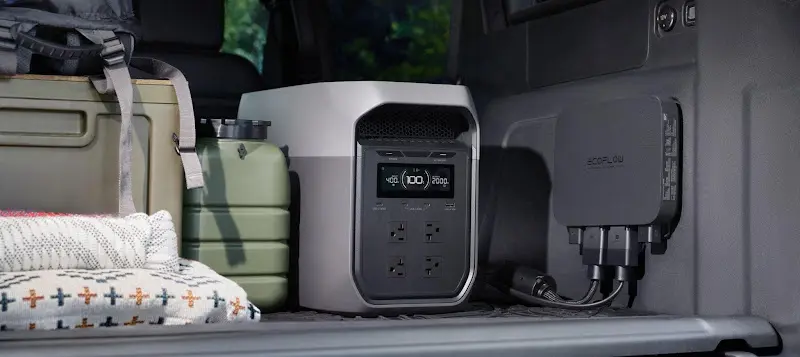
Pay attention to the tide table when you plan your visit. It can make the difference between a rewarding exploration and simply a walk on the beach. Tide pools are generally best explored around low tide, when the water level is low and you can see the rocky areas and tide pools. For a full-day coastal adventure, bringing a portable power station can help keep essential devices available when you spend several hours away from home.
How to Read Tide Charts and Find the Best Tide Pooling Time
Tide pools are most accessible during low tide. Plan to arrive one to one-and-a-half hours before the lowest point of the tide. This gives you plenty of time to explore safely as the water recedes. Lower tides, especially negative tides in some coastal regions, provide even more access to exposed tide pools.
Essential Gear: What to Wear and Bring
To make sure you stay warm, dry, and safe, you need to wear the right gear. The rocks can be very rough and slippery, so avoid the flip-flops and wear closed-toe shoes with some good treads. Try some old running shoes, hiking boots, or specialized water shoes, to protect your feet. It’s best to wear layers since coastal areas are notoriously breezy and temperatures can drop quickly, so bring a windproof, water-resistant jacket. Also, don’t forget sunscreen, a wide-brimmed hat, and some place to keep your keys and phone dry while hiking around. Children will enjoy using a magnifying glass to get a closer look at tiny creatures without touching them. Beyond tide pooling gear, families can prepare a few extra items for a more comfortable coastal outing. A checklist of essentials for family picnics, including snacks, water, and other outdoor supplies, can help make the day more enjoyable.
Pro Tips for Families: Setting Up a Beach Basecamp
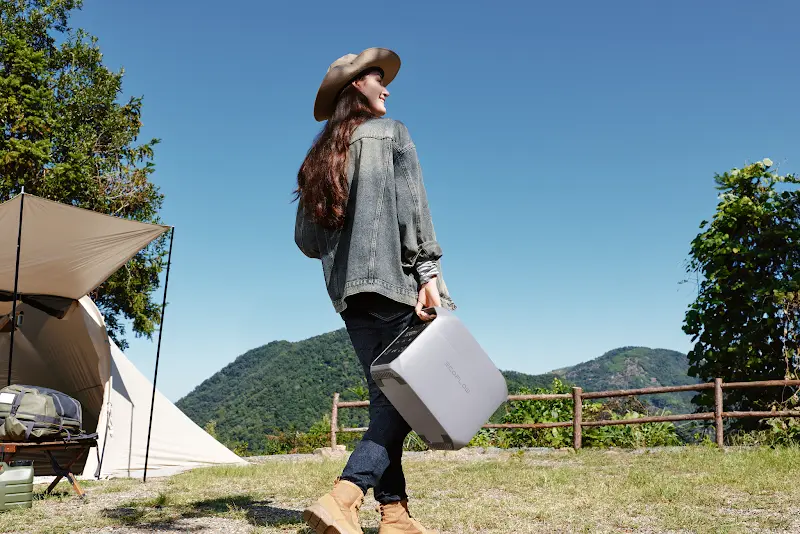
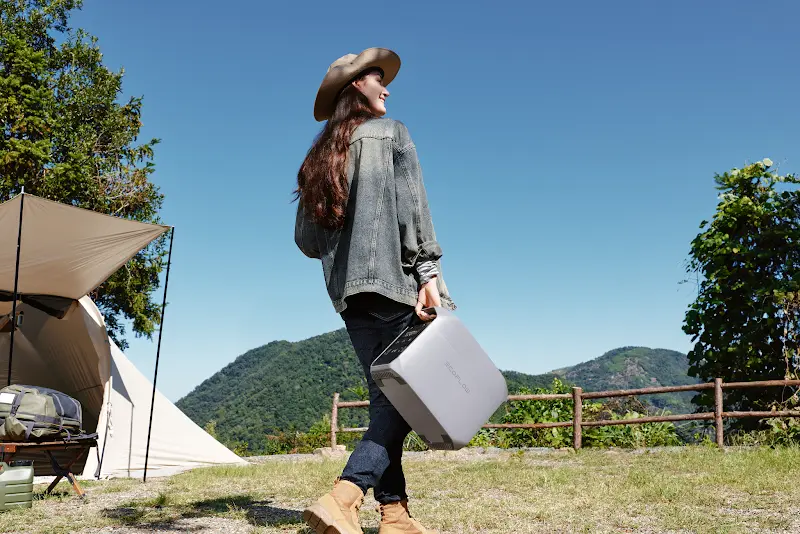
The coastlines are often windy and damp, and having a basecamp area to sit and relax out of the weather can make your trip more comfortable. Bring a few essentials to create a comfortable beach basecamp, such as a shaded area, dry seating, water, snacks, and a way to keep your devices powered. Whether you need to warm up or get out of the sun, choose a location well above the high tide line. Take a break, enjoy the surroundings, and listen to the sound of the waves.
If you bring a portable power station, you can keep essential outdoor devices charged during longer beach days. Portable power adds extra convenience when you need reliable access to electricity away from home. The EcoFlow DELTA 3 Classic Portable Power Station (1024Wh) can help power devices such as phones, cameras, and other small electronics at your basecamp. Depending on the appliance’s power requirements and usage time, it can also support some small comfort devices, such as a compact electric kettle for preparing hot drinks during your outdoor adventure.
How to Choose a Beginner-Friendly Tide Pool Location
Start with well-established coastal parks that feature flat rock shelves and clear walking paths. Avoid areas with steep cliffs or difficult access. Many state parks and marine sanctuaries have designated tide pooling areas with developed, marked trails that are very safe.
Tide Pooling Safety Tips Every Beginner Should Know
Exploring tide pools can be an exciting adventure, but the shoreline can also be unpredictable. A few simple safety precautions can help you enjoy the experience while avoiding common coastal hazards. Following a beach camping safety guide can also help visitors prepare for changing weather, slippery terrain, and other coastal risks.
Understand Tides, Waves, and Ocean Hazards
Never turn your back on the ocean. Unexpected “sneaker waves” can sweep over the rocks, knock you down and pull you back into deeper water. Monitor the water level constantly, and know when the tide starts rising so you don’t get stranded on isolated rocks.
Be Careful Around Slippery Rocks and Coastal Terrain
Wet algae, seaweed, and other marine growth can make coastal rocks extremely slippery. Walk slowly and take deliberate steps. Test your footing before taking that step. Avoid areas that look wet, shiny, or covered with slippery algae, especially on sloping rocks. Instead, look for rough, dry rock surfaces or areas covered in barnacles and mussels for better traction.
Respect Marine Life and Follow Leave No Trace Principles
Tide pools are a fragile environment. Practice a strict “look but don’t touch” policy. Prying animals like sea stars or limpets off rocks can fatally tear their tissue. Never collect shells that have life inside, and always leave rocks exactly as you found them to protect delicate species from the sun and predators.
What Can You Find in a Tide Pool?
Every tide pool area contains different types of marine life depending on its depth, location, and exposure to the waves. Take some time to research what species to look for to make your exploration more enjoyable and help you notice creatures you might otherwise miss.
Common Tide Pool Animals to Look For
You will likely be able to find sea anemones clinging to rocks, busy clusters of hermit crabs searching for new shells and slow-moving purple and ochre sea stars. You might also find spiky sea urchins tucked under crevices but be sure not to touch.
Other Marine Life You Might Discover
In deeper, calmer pools, you might spot small, well-camouflaged sculpins (a fish) or larger shore crabs scurrying sideways. You can watch bright green surf grass and kelp sway with the water, and find tiny snails, nudibranchs (colorful sea slugs), and clinging barnacles. For nature lovers who enjoy photographing or documenting marine life, a solar generator can help keep cameras, phones, and other devices powered during longer coastal explorations.
Tips for Spotting Hidden Tide Pool Creatures
One secret is to stand completely still. Your shadow and footsteps will initially cause animals to freeze or hide. Stand or squat quietly by the water’s edge for two to three minutes, and you will quickly see hermit crabs emerge and anemones gently open up.
Best Tide Pooling Spots in the United States
The United States is home to some of the world’s most spectacular intertidal zones. You can enjoy New England’s rugged, wave-swept cliffs or the West coast’s large, exposed shorelines.
California’s Best Tide Pooling Destinations
In Southern California, La Jolla Cove in San Diego and Leo Carrillo State Park in Malibu offer large open rocky shelves. In Northern California, the Fitzgerald Marine Reserve and the rugged tidal flats of Point Reyes National Seashore have very large populations of sea stars and mussel colonies.
Pacific Northwest Tide Pool Adventures
The Pacific Northwest features beautiful, natural intertidal zones. Washington’s Olympic National Park is world-famous for Ruby Beach and Beach 4 where you’ll find giant green anemones. In Oregon, Yaquina Head Outstanding Natural Area features accessible tide pools carved out of ancient volcanic basalt.
Other U.S. Tide Pooling Locations Worth Visiting
In the Northeast, popular spots are Maine’s Acadia National Park, particularly Bar Island Land Bridge and Ship Harbor. This is home to cold-water treasures like northern rock barnacles and green sea urchins. In the South, coastal areas of the Gulf of Mexico offer opportunities to observe shallow-water marine life, although tide pool environments are less common than along the Pacific and Atlantic coasts.
Multi-Day Coastal Road Trips: Managing Your Off-Grid Power
Many of the best tide pools are located in remote, protected areas, and a multi-day coastal road trip can be a great way to explore them at a slower pace. However, when staying off-grid along remote coastlines, keeping devices charged and managing food storage can become a challenge.
Bringing a portable power station like the EcoFlow DELTA 3 Max Portable Power Station (2048Wh) can provide additional flexibility for longer trips. With its 2048Wh battery capacity, it can help support essential devices and outdoor equipment, such as portable refrigerators, cameras, and other travel gear. Depending on power requirements and usage time, it can also support appliances like an induction cooktop or coffee maker at camp. Compared with traditional gas generators, portable power stations offer a quieter and more convenient option for outdoor adventures.
Conclusion
Tide pooling is a relaxing, low-impact way to enjoy our ocean’s hidden marine life. By planning around tide charts, prioritizing safety, and packing the proper gear, you can explore the intertidal zone with complete confidence. Tread carefully, respect marine life, and let the rhythm of the tides guide your next adventure.
FAQ
What Is the Best Time to Go Tide Pooling?
The best time to go tide pooling is one to one-and-a-half hours before the lowest point of the tide. This ensures the water is at its lowest and actively receding, giving you maximum time to explore safely before the tide rolls back in.
What Should I Wear for Tide Pooling?
You should wear sturdy, closed-toe shoes with excellent traction and warm, wind-resistant layers. Avoid sandals, flip-flops, or canvas sneakers, as wet coastal rocks are incredibly slick and often covered in sharp barnacles.
Is Tide Pooling Safe for Kids?
Yes, tide pooling is a safe and educational activity for children as long as they are closely supervised by an adult. Stick to flat, easily accessible rocky shelves rather than steep cliffs, and ensure everyone wears grippy footwear.
What Animals Can You Find in Tide Pools?
You can expect to find a diverse array of marine life including sea stars, sea anemones, hermit crabs, sea urchins, sculpins, and shore crabs. The exact species will vary depending on your geographic location and the depth of the pool.
Can You Touch Animals in Tide Pools?
It is best to observe tide pool animals without touching them. Many marine creatures are sensitive to handling, and moving them from their natural environment can cause unnecessary stress or harm. Keeping wildlife where you find it helps protect the tide pool ecosystem.
For press requests or interview opportunities, reach out to our media team
media.na@ecoflow.com