The Ultimate Acadia National Park Hiking Trails Itinerary for RV Travelers
If you’re looking for a spot that mashes up jagged Atlantic cliffs, quiet pine forests, and the total freedom of RV life, Acadia is basically the promised land of the Northeast. Tucked away on Maine’s rocky coast, this park is a wild mix of easy shoreline strolls and vertical granite climbs where you're literally scaling the rock on iron rungs.
In this guide, we’re going to map out an Acadia itinerary that actually makes sense for travelers bringing their home on wheels. We'll cover where to snag a campsite, which trails are worth that 4:00 AM alarm, and how to stay powered up when you're dry camping off the grid.
Why Acadia National Park is a Must-Visit for RV Travelers
There is nothing quite like waking up in your rig with the smell of salt air and pine needles drifting through the vents. Acadia is surprisingly RV-friendly compared to some of the sprawling western parks. The roads are well-kept, and the campgrounds are designed to handle larger setups without making you sweat through every turn.
The real secret sauce? Acadia’s layout is compact. Unlike Yellowstone, where you might drive two hours to a trailhead, in Acadia, you can summit a mountain in the morning and be back at your site for a sandwich by noon. Plus, you’re never more than a few minutes away from Bar Harbor if you get a craving for a world-class lobster roll.
Mapping Out Your Acadia Escape
Planning an RV trip to Mount Desert Island isn't something you want to wing at the last minute. Because the park is on an island, space is at a premium, and the good spots go fast. If you want a smooth trip, you’ve got to play the "reservation game" early.
Best Time to Visit: From Summer Blooms to Fall Foliage Peak Dates
July and August are the big hitters. It’s warm (usually in the 70s℉ or 80s℉), the wild blueberries are everywhere, and the crowds are at their peak. If you ask a local, though, they’ll tell you to wait for the "sweet spot": September through mid-October. The humidity drops, the mosquito swarms vanish, and the hillsides turn into a wall of deep reds and oranges. If you can time your arrival for the second week of October, you’re hitting the peak foliage jackpot.
Top Spots for Off-Grid Camping and Dry Camping in Acadia
While you can find private RV parks with all the bells and whistles (full hookups) near Bar Harbor, the real Acadia experience is in the park's official campgrounds like Blackwoods or Seawall.
The catch? Most of these are "dry camping" only. That means no power, no water, and no sewer hookups at your site. For a quieter, more " mainland" vibe, Schoodic Woods is the hidden gem, but even there, you need to be prepared to manage your own resources.


Gear Up for the Coast
Maine weather is famously moody. You might start a hike in the sun and finish it in a foggy drizzle, so layers are your best friend. But for RVers, the gear list doesn't stop at your hiking boots.
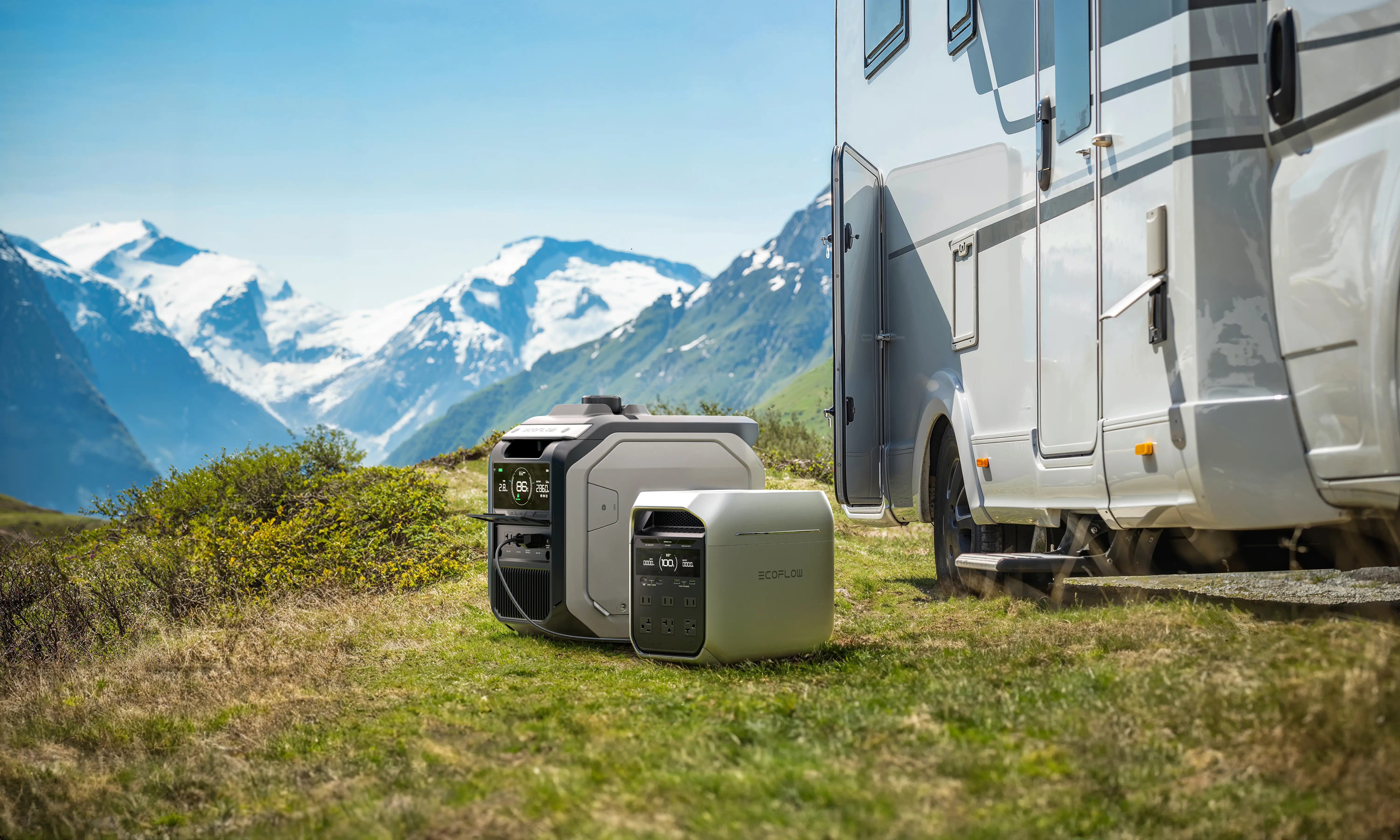
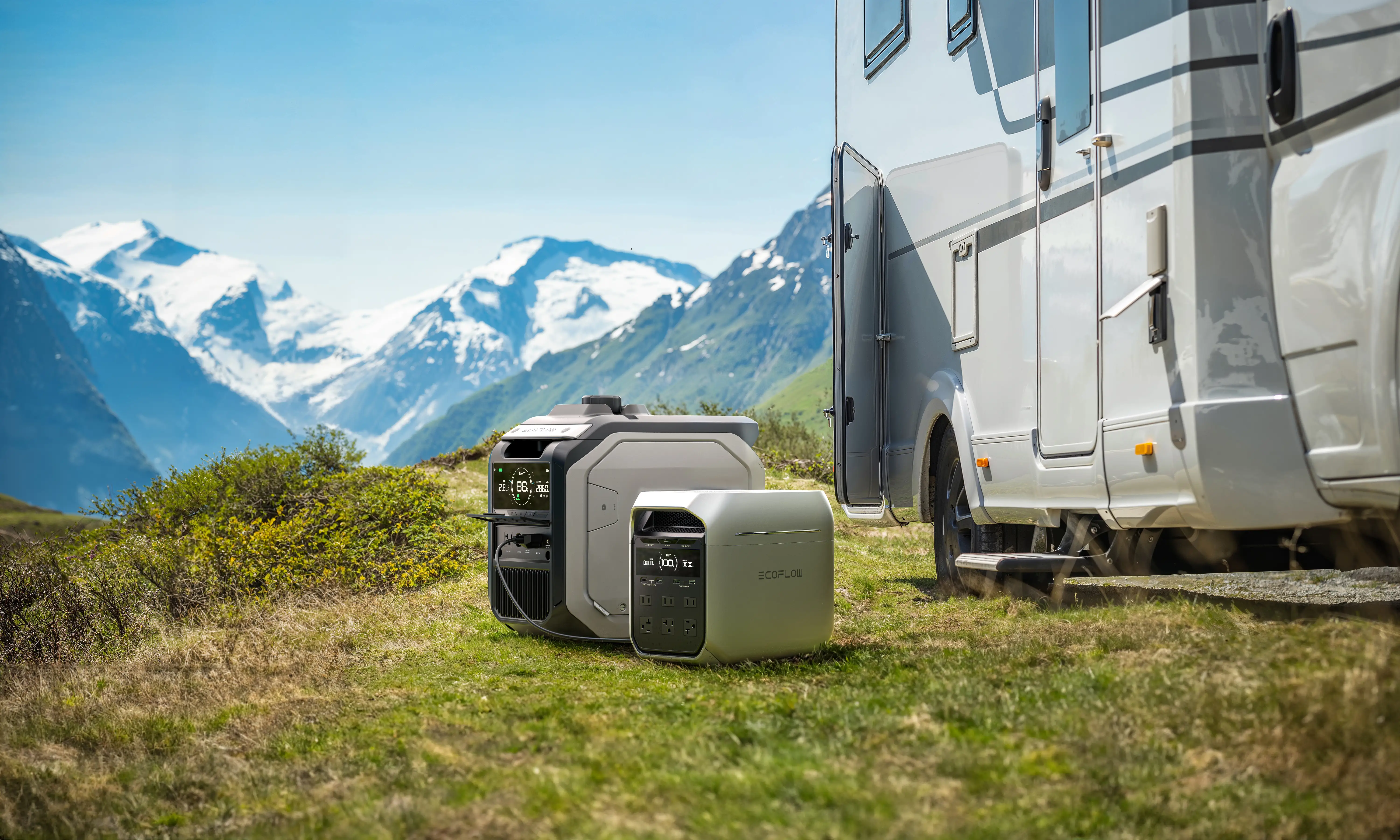
When you’re off-grid for a few days, power management becomes the main event. Since most Acadia hikes start before the sun is even up, your phones and GPS units are constantly draining. This is where a unit like the EcoFlow DELTA 2 Max Portable Power Station really earns its keep. It’s quiet, which is huge when you’re trying to respect the "no generator" hours at Seawall, and it’s beefy enough to run a coffee maker or a portable fridge while you’re out hitting the Precipice Trail. It basically turns a rugged dry camping site into a high-tech basecamp without the noise or the exhaust.
Picking Your Path: The Best of Acadia’s Trails
The cool thing about Acadia is that you don’t have to be an Olympic athlete to see the good stuff. The trail network is dense, meaning you can park your rig, knock out a coastal walk, and then tackle a granite peak all before lunch. Having a reliable portable power station on hand ensures your devices stay charged so you can navigate these dense trail maps with ease.
Acadia’s Heavy Hitters at a Glance
| Trail | Difficulty | Duration | Highlights | Dog-Friendly |
|---|---|---|---|---|
| Ocean Path | Easy | 2 hrs | Thunder Hole, Monument Cove | Yes |
| Jordan Pond Path | Easy | 1.5 hrs | The Bubbles, Lake Views | Yes |
| South Bubble Trail | Moderate | 2-3 hrs | Bubble Rock, Summit Views | Yes |
| Beehive Trail | Hard | 2 hrs | Iron Rungs, Sand Beach Panorama | No |
| Precipice Trail | Hard | 3 hrs | Iron Rungs, Cliff Views | No |
| Alder Trail (Schoodic) | Moderate | 1.5 hrs | Quiet Forest, Secluded | Yes |
Hiking with Your Best Friend
If you’re traveling with your dog, Acadia is basically a playground. Unlike some parks that ban pets from every single trail, Acadia is remarkably dog-friendly. You’ve got over 100 miles of trails and those historic carriage roads where your pup is welcome (on a leash, of course).
The Local Pick: The Ocean Path is the gold standard for dog owners. It’s relatively flat, follows the jagged shoreline, and offers plenty of spots to stop and let your dog sniff the salt air while you take in the views of Thunder Hole.
Challenging Hikes: Conquering the Iconic Beehive and Precipice Trails
If you’re not afraid of heights, you have to try the Beehive or the Precipice. These aren't your typical forest hikes; they’re "ladder trails" where you use iron rungs bolted into the granite to scale the cliffs.
The Beehive is the more popular of the two, offering an insane view of Sand Beach from above. But if you want the ultimate challenge, the Precipice Trail is the king. Just a heads-up: the Precipice often closes in early summer for peregrine falcon nesting. The park takes its "peace and quiet" seriously, so check the status at the Hulls Cove Visitor Center before you gear up.
Suggested 3-Day RV Hiking Itinerary
If you’ve only got a long weekend, don't try to see every single inch of the park. Stick to this plan to hit the highlights without feeling like you're constantly rushing back to the rig.
Day 1: Ease Into It (Jordan Pond & Cadillac Mountain)
Once you've got your stabilizers down and the RV is leveled, kick things off with the Jordan Pond Path. It’s a flat, easy-going loop that gives you a killer view of "The Bubbles" reflecting in the water. It’s the perfect way to stretch your legs after a long drive.
Pro Tip: For sunset, you’ve got two choices: drive your rig up Cadillac Mountain (if you’re under the length limit and snagged a reservation months ago) or hop on the Island Explorer shuttle. Either way, being on that summit when the sun dips is a Maine requirement.
Day 2: The "Great Outdoors" Experience (South Bubble & Schoodic)
Day two is for the icons. Head to the South Bubble Trail to see Bubble Rock, a massive boulder that looks like it’s about to roll off a cliff at any second (it won't, but it makes for a great photo). Afterward, head over to the Fabbri Picnic Area for a lunch with a view.
Since you'll likely be moving between the main loop and the quieter Schoodic Peninsula today, power management is the name of the game. This is where a compact unit like the EcoFlow DELTA 3 Plus Portable Power Station really shines. You can toss it in your towed vehicle or an RV compartment, and it’ll fast-charge while you drive. It’s perfect for keeping your cameras and laptops topped off so you're ready for those sunset shots at Otter Point without worrying about your battery hitting 0%.
Day 3: The Big Climb (The Beehive & Bass Harbor)
Set that alarm early. If you want to tackle The Beehive without a line of people behind you on the iron rungs, you need to be at the trailhead by 7:00 AM. It’s an adrenaline-pumping way to end the trip. Pairing your setup with a solar battery can also help you recharge during the day, ensuring you have enough juice for an evening of photo editing after your climb.
Before you point the RV toward home, make one last stop at the Bass Harbor Head Lighthouse. It’s the most photographed spot in Maine for a reason. Seeing that lighthouse perched on the jagged rocks is the ultimate "I was here" moment to wrap up your Acadia adventure.
Windows Down: Acadia’s Best Drives for Big Rigs
While the trails get all the glory, the actual driving in Acadia is world-class. The beauty of doing it in an RV? Your kitchen and your gear are always right behind you. If you see a view you love, you can just pull over, brew a fresh pot of coffee, and soak it in.
Navigating the Park Loop Road
The 27-mile Park Loop Road is the main artery of the park, hitting almost all the big-name spots. Since a lot of it is one-way, it’s actually much less stressful for RV drivers than you’d think, no worrying about oncoming traffic in tight spots.
A Word of Caution: Watch out for the historic stone bridges. They’re beautiful, but those arches can be tricky. Most have plenty of room in the center, but the clearances get lower toward the edges.
Pro Tip: Stay centered in the lane when passing under them to avoid a very expensive "haircut" for your AC unit. It’s worth the extra focus for the views you’ll get of Sand Beach and the rugged Atlantic coastline.
Escaping to the Schoodic Peninsula
If the crowds near Bar Harbor are starting to feel like a theme park, point your rig toward the Schoodic Peninsula. It’s about an hour away on the mainland, and it feels like a totally different world. There’s a 6-mile, one-way loop that circles the peninsula with wide-open ocean views and dramatic granite shores. It’s the best place to find some "Maine quiet" and hit trails like the Alder Trail without bumping into a hundred other hikers.
Recommended Stops for Photography and Picnic Breaks
You’ve got to make time for these stops:
Otter Cliff: This 110-foot drop into the Atlantic is pure drama. It’s one of the highest coastal cliffs north of the Equator and a must-see for photographers.
Fabbri Picnic Area: This is the "sweet spot" for RVers. It’s got decent space for larger vehicles and puts you right next to coastal paths. It’s the perfect place to park, make a quick lunch in the rig, and watch the waves crash against the rocks before you head to your next hike.
Staying Safe and Staying Legal in the Park
Exploring the Maine coast is a blast, but it’s a rugged environment that doesn't care much about your itinerary. Understanding how to equip your RV for off-grid living is just as important as knowing the park rules, as it ensures you remain self-sufficient while adhering to local regulations. Between the shifting tides and the strict parking rules, you’ve got to stay on your toes to avoid a ticket or a ruined afternoon.
Park Rules and Permits for RVs and Hikers
Don’t just roll up to the gate and hope for the best.
The Cadillac Pass: If you want to drive your rig to the top of Cadillac Mountain, you must have a timed-entry reservation. They sell out fast, so grab yours on Recreation.gov weeks in advance.
The Park Pass: You also need a standard Acadia National Park Pass displayed on your dashboard.
The Overnight Rule: Here is the big one for RVers, no overnight parking in trailhead lots or pullouts. If you aren't in a reserved spot at Blackwoods, Seawall, or Schoodic Woods, you're going to get a knock on the door from a ranger.
Wildlife Safety: Moose, Deer, and Ticks
You’ll likely see plenty of deer and maybe even a moose if you’re lucky. Keep your distance (at least 25 yards) and don't be that person trying to get a selfie with a 1,000-pound animal.
Actually, the "small" stuff is what you really need to watch for. Ticks are everywhere in the Maine woods. They carry Lyme disease, so do yourself a favor: wear long pants, stay in the middle of the trail, and do a thorough "tick check" the second you get back to the RV.
Respecting the Granite
Acadia’s landscapes are literally millions of years old, but the moss and plants growing on the summits are incredibly fragile. The soil up there is paper-thin. Stay on the marked paths. Stepping off the trail for a "better view" can kill plants that took decades to grow. Pack out everything, including food scraps and whatever your dog leaves behind, to keep the park pristine.
Watching the Clock (and the Tides)
In Maine, the ocean is the boss. If you’re planning to walk the Bar Island Land Bridge, you only have a tiny window, about 90 minutes before and after low tide. If you linger too long, that gravel path disappears, and you’re stuck on an island until the tide drops again. Check the charts at the Hulls Cove Visitor Center every morning so you don't get stranded.
Conclusion
Whether you’re scaling the iron rungs of the Beehive or just sipping coffee while looking out over the Schoodic Peninsula, Acadia is one of those places that stays with you long after the RV is back in the driveway. It’s a rare spot where the mountains literally meet the Atlantic, and doing it in a rig gives you a front-row seat to the whole show.
The secret to a great trip here is just being prepared. Between the shifting Maine tides and the "dry camping" reality of the park’s best campgrounds, having your logistics dialed in and a solid power source like an EcoFlow to keep your cameras and GPS units alive means you can actually focus on the view instead of worrying about your battery percentage.
Acadia isn't a park you want to rush through. It’s a place that asks you to slow down, wait for the fog to lift, and explore the coast at your own pace. So, grab your boots, double-check your Cadillac mountain reservation, and get out there. The Maine coast is waiting.
FAQ
1. What are the best RV campgrounds in Acadia National Park?
If you want to be in the heart of the action on Mount Desert Island, Blackwoods and Seawall are the big names. Just remember: they’re dry camping only. If you absolutely need those hookups (electric and water) without firing up a generator, Schoodic Woods is your only official park option. It’s on the mainland, but it’s a lot quieter and much easier for bigger rigs to navigate.
2. How difficult are the hiking trails in Acadia for beginners?
It’s a mix. If you’re a beginner or just want a chill morning, stick to the Ocean Path or Jordan Pond Loop. They’re basically flat and offer incredible views without the "death-defying" climbs. If you see the word "Ladder" or "Rung" in a trail description, though, that’s your signal that things are about to get vertical.
3. How many days are needed to explore Acadia by RV?
Three to four days is the "sweet spot" for hitting the highlights like Cadillac Mountain and the Beehive. But if you’re the type who likes to slow down, explore the Schoodic side, or take a ferry out to Isle au Haut, you could easily spend a full week here without getting bored.
4. Are pets allowed on Acadia hiking trails?
Mostly, yes. Acadia is one of the best parks for pups, provided they’re on a leash (6 feet or shorter). The only absolute "no-go" zones are the ladder trails like the Beehive or Precipice. Unless your dog has mountain goat DNA and opposable thumbs, those vertical iron rungs are a major safety hazard for them.
5. When is the best time to see fall foliage in Acadia?
Fall colors in Acadia typically peak during the first half of October, when maple and birch trees turn vibrant shades of red, orange, and gold. The exact timing can vary slightly each year depending on seasonal temperatures and rainfall.
6. Where can RV travelers fuel up and park near Acadia trailheads?
This is the million-dollar question. Your best bets are the designated Bus/RV spots at Sand Beach and the Jordan Pond North lot.
Pro Tip: If you aren't parked by 8:00 AM during the summer or peak foliage, you’re probably out of luck. The lots fill up fast, so get an early start, or leave the rig at the campsite and use the Island Explorer shuttle to save your sanity.
For press requests or interview opportunities, reach out to our media team
media.na@ecoflow.com