Can You Camp in National Parks in 2026? Reservations, Booking Tips, and Camping Rules
Yes, you can camp in many U.S. national parks and other federally managed public lands, but reservation windows, cancellation terms, stay limits, pet rules, fire restrictions, and campground amenities vary by park and campground. The most reliable way to plan a trip is to use this guide as an overview, then confirm the exact rules on the official park website, the campground's Recreation.gov page, and any current local alerts before departure.
Quick answer: how to improve your chances of getting a campsite
Create your Recreation.gov account early and save payment details before release day.
Check the exact campground page instead of assuming every park opens on the same six-month schedule.
Prepare backup dates, backup campgrounds, and a shoulder-season option in case peak dates disappear immediately.
Important Notice
This article is a general planning guide, not legal, medical, wilderness safety, or emergency advice. Conditions on public lands can change quickly because of weather, wildfire risk, wildlife activity, road closures, and park-specific management decisions, so travelers should always verify the latest official information directly from the relevant park, forest, or land agency before booking or traveling.
Why National Park Camping Is Worth Planning Early
National park camping gives travelers direct access to trails, sunrise viewpoints, night skies, and wildlife experiences that are hard to match with day trips or off-site hotels. Many campgrounds are close to major attractions, which is why the most scenic and convenient sites often disappear fast during summer and holiday periods.
The good news is that the federal system offers a wide mix of camping styles. NPS notes that many campgrounds require reservations through Recreation.gov, while other public lands such as BLM areas may offer developed campgrounds or dispersed camping depending on the location.
How National Park Camping Reservations Work
Many federal campgrounds use Recreation.gov, but the reservation process is not identical everywhere. Recreation.gov states that standard reservation policies apply to most locations, yet campground-specific rules can override the general platform rules, which means travelers should always review the policy on the exact campground listing before booking.
NPS also advises travelers to go to the specific park website for the best camping information. In practical terms, that means you should use the general booking platform to search and reserve, but rely on the individual park or campground page for details like release timing, campsite dimensions, seasonal closures, generators, quiet hours, and local restrictions.
3-Step Booking Strategy
Set up your account in advance. Save payment information and get familiar with the campground layout, filters, and site rules before launch day.
Verify the exact release window. A rolling six-month window is common, but it is not universal across all campgrounds and agencies.
Book with flexible dates. Having backup arrival dates and alternate campgrounds can make the difference between getting a site and missing out.
Best Time to Book National Park Camping
Demand changes sharply by season. Summer is usually the hardest period for top-tier parks, while shoulder seasons often provide a better balance of weather, crowd levels, and booking availability.
Travel period | Demand level | Booking difficulty | Practical takeaway |
|---|---|---|---|
January to February | Low in many cold-weather parks | Easier | Better for availability, but weather can be harsh |
March to April | Moderate | Manageable | Strong option for flexible spring travelers |
May to August | Peak | Very high | Book as early as the campground allows |
September to October | High | Difficult | Great weather in many parks, but still competitive |
November to December | Lower in many regions | Easier to moderate | Good for off-peak trips and shorter stays |
A simple rule works well for SEO readers: if you want a famous campground in a famous park during summer, plan months ahead and treat flexibility as part of the booking strategy.
30/14/7/3/1 Camping Checklist
This table is more useful than a paragraph list because readers can copy it into Notes, Notion, or a printable trip sheet.
Timeline | What to do | Why it matters |
|---|---|---|
30 days out | Inspect tent, sleeping system, stove, lanterns, batteries, cooler, charging gear | Replacing broken gear late is expensive and stressful |
14 days out | Plan meals, grocery list, water needs, and fuel strategy | Prevents overpacking and missed essentials |
7 days out | Check forecast, campground notices, road conditions, and fire restrictions | Conditions can change shortly before arrival |
3 days out | Download offline maps, save reservation details, print backup documents | Cell service is often weak near public lands |
1 day out | Pack vehicle, separate first-night gear, confirm route and arrival time | Makes setup smoother after a long drive |
Camping Rules That Vary by Location
This is the section where authoritative sourcing matters most, because readers may make safety or compliance decisions from it.
Stay Limits
A 14-day stay limit is common on some public lands, but it is not a universal nationwide rule applied in the same way everywhere. For example, a BLM camping guideline notes that in certain undeveloped areas you may camp for up to 14 days, then move at least 25 miles and not return to that area for 28 consecutive days, while developed campground rules may differ by location.
Fire Rules
Fire restrictions can change quickly due to drought, wind, and wildfire conditions. Campers should review park or land-agency alerts before departure and use only designated fire rings or approved cooking methods where fires are allowed.
Pets
Pet access is not the same across all national parks. NPS advises travelers to check the park's own site for camping information, and many parks limit dogs on trails or in wilderness areas even when pets are allowed in developed campground zones.
Cancellations
Recreation.gov's policy page states that a $10 cancellation fee may apply at many facilities, but the exact cancellation window and forfeiture rules depend on the specific campground. That is why the campground page matters more than any generalized travel blog summary.
Gear and Power Planning for Longer Campground Stays
A campsite reservation is only useful if your setup can handle the actual conditions on the ground. Campers should match gear to climate, elevation, and remoteness, especially when preparing for weak cell service, temperature swings, and limited on-site infrastructure.
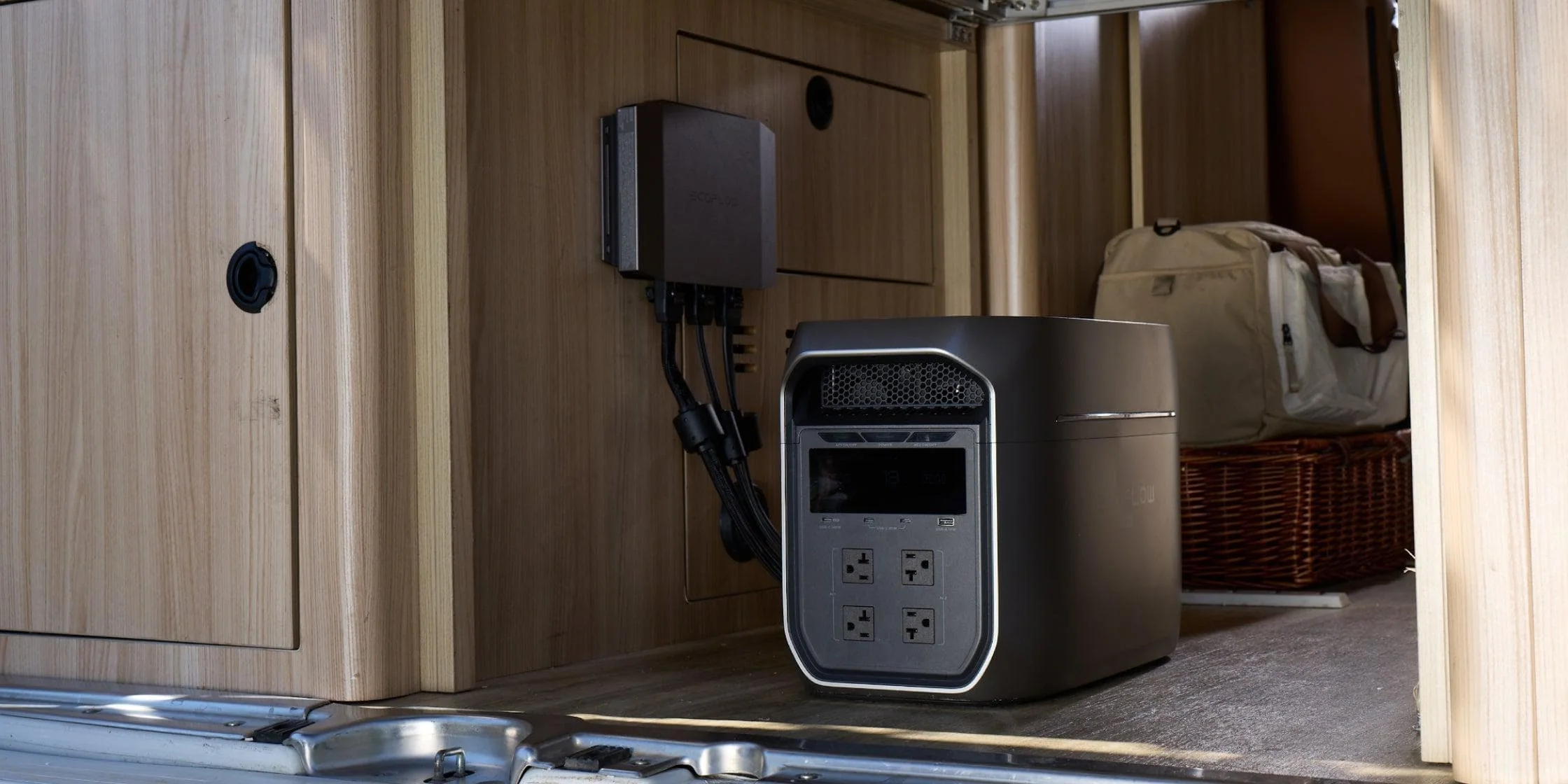
A practical setup often includes layered clothing, emergency lighting, navigation backup, water storage, and portable power station for phones, cameras, lanterns, and small campsite devices. For readers building a more capable off-grid gear list, the DELTA 3 Max + 400W solar panel is an example to mention in a camping context; public product listings for the DELTA 3 Max series show 2048Wh capacity, while the DELTA 3 Max Plus version is listed with 3000W output and 6000W surge output, which is relevant for travelers who want more flexible campground power support.
Official Sources to Check Before You Go
Readers should verify trip-critical details on official sources before acting on any summary article.
National Park Service camping hub: best starting point for park-specific campground info.
Recreation.gov rules and reservation policies: general booking, changes, and cancellation terms.
Specific campground pages on Recreation.gov: exact release windows, size limits, and local policies.
BLM camping guidance: helpful for dispersed camping, undeveloped areas, and stay-limit context.
FAQs
Q1. Can you camp in national parks without a reservation?
Sometimes. Some campgrounds still offer first-come, first-served sites, but many popular campgrounds now rely heavily on reservations.
Q2. When should you book national park camping for 2026?
As early as the specific campground allows, especially for summer, weekends, and top-tier destinations. Many sites use rolling release schedules, but exact timing varies.
Q3. How long can you stay at a campsite?
It depends on the campground and agency. A 14-day limit is common in some areas, but local rules can differ significantly.
Q4. Where should readers verify the final rules?
On the official park website, the exact campground listing, and current public-land alerts posted by the managing agency.
For press requests or interview opportunities, reach out to our media team
media.na@ecoflow.com