Mass Save Energy Audit: What Happens During the Visit and What It Unlocks
- How a Mass Save Energy Audit Works, From Phone Call to Report
- What the Assessment Unlocks: 2026 Mass Save Incentives
- After the Upgrades: Where EcoFlow TITAN and EcoFlow TITAN Plus Fit
- Who Qualifies: Homeowners, Renters, Landlords, and Income-Eligible Households
- ConnectedSolutions and HEAT Loan Battery Financing Are Separate From the Audit
- How to Prepare for the Visit and What to Ask
- Conclusion
- FAQs
A drafty Massachusetts home can be expensive to heat during winter. A Mass Save Energy Audit, officially called a Home Energy Assessment, helps eligible households identify energy-saving opportunities at no cost. The assessment can unlock 75% to 100% off approved insulation, targeted air sealing, heat pump incentives, and 0% HEAT Loan financing for qualifying upgrades. This guide explains what happens during the visit, which 2026 incentives are available, who qualifies, and when home battery storage may make sense after improving your home's energy efficiency.
How a Mass Save Energy Audit Works, From Phone Call to Report
The Mass Save program is supported by participating Massachusetts gas and electric utilities and Cape Light Compact. An Energy Specialist assesses your home in person or virtually and helps identify potential energy improvements and available incentives.
What happens during the assessment?
Check your utility: Mass Save serves customers of Berkshire Gas, Cape Light Compact, Eversource, Liberty, National Grid, and Unitil. If you get power from a municipal light company, contact them directly to see what programs they offer.
Confirm your home qualifies: The standard assessment covers homes with one to four residential units. Residents of larger buildings should ask their landlord about multifamily programs.
Schedule the visit: Call 866-527-SAVE (7283) or visit the Mass Save home energy assessments page to explore scheduling options. A participating Home Performance Contractor may also help.
Choose virtual or in-person service: Both options are available at no cost to eligible customers.
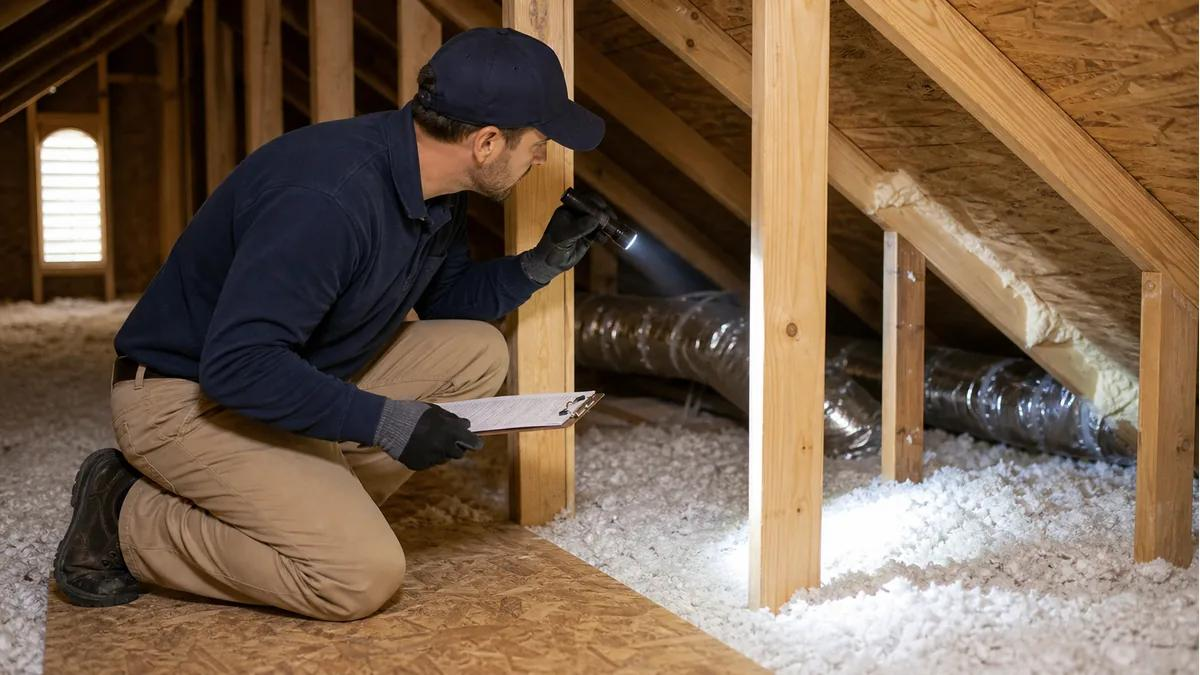
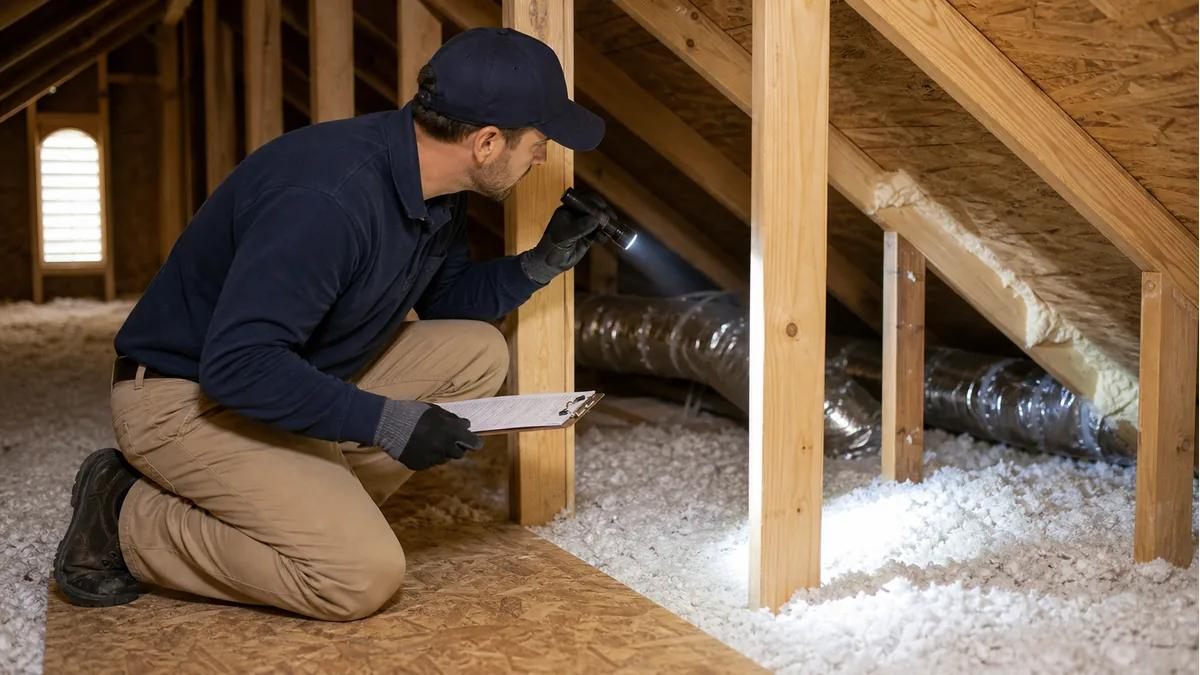
Walk through your home's energy needs: Explain which rooms feel cold, where you notice drafts, and how your heating and cooling equipment performs. The specialist evaluates energy use and identifies opportunities to improve efficiency.
Receive eligible energy-saving products: Depending on availability and recommendations, National Grid lists products such as low-flow showerheads, faucet aerators, and programmable thermostats.
Review your report: Mass Save provides a Decarbonization Report outlining recommended improvements and relevant rebates and incentives, including weatherization and heating options.
Arrange approved work: If you proceed with insulation or air sealing, the program includes a quality assurance inspection after work.
You can prepare for the visit by noting recurring comfort problems, such as cold rooms, drafty windows, or uneven heating, and reviewing what a home energy audit checks so you know which questions to ask. If you already know which improvements your home needs, you may be able to work directly with an eligible weatherization contractor, but confirm whether your planned upgrades require an assessment before scheduling the work.
What the Assessment Unlocks: 2026 Mass Save Incentives
The home energy assessment is free, and it can help homeowners identify improvements that may qualify for financial incentives. Weatherization measures such as insulation and air sealing can reduce heating and cooling costs and help prepare a home for heat pump installation. Mass Save offers rebates for eligible heat pump systems, with amounts depending on the system type, size, and household eligibility. Review the official Mass Save insulation and air sealing offers and 2026 air-source heat pump rebates to confirm the current incentives, requirements, and application deadlines before signing a contract.
Table: Mass Save incentives linked to the Home Energy Assessment (2026)
Upgrade | Potential incentive | Important conditions |
Insulation | 75% to 100% off approved insulation improvements | Assessment required for weatherization incentives |
Air sealing | No-cost targeted air sealing | Recommendations and eligibility apply |
Whole-home air-source heat pump | $2,650 per ton, up to $8,500 | Weatherization requirements and eligible equipment apply |
Partial-home air-source heat pump | $1,125 per ton, up to $8,500 | Additional $500 sizing and $500 weatherization bonuses may apply |
Basic air-source heat pump | $250 per ton, up to $2,500 | Available to qualifying electric customers; no bonuses |
Income-based enhanced heat pump | Up to $16,000, or up to no cost through Turnkey Services | Household income and program eligibility requirements apply. The existing heating system must use oil, propane, or electric resistance; homes heated by natural gas may not qualify for this rebate tier. |
0% HEAT Loan | Up to $25,000 over the customer's lifetime of upgrades | Homeowner eligibility and lender approval required |
Eligible 2026 heat pump installations must be completed by December 31, 2026, with paperwork submitted by February 28, 2027. Since October 1, applications require equipment serial numbers and clear photos of outdoor-unit nameplates. Rebates cannot exceed installation costs or be combined with other Mass Save incentives on the same equipment, so check the latest terms before planning a 2027 installation.
Why Weatherization Comes Before the Heat Pump
Weatherization helps a home retain heat, potentially reducing the size of the heat pump needed to maintain comfort and affecting eligibility for whole-home rebates. If your assessment recommends attic improvements, understanding how attic insulation R-values affect heat retention and energy savings can help you evaluate the recommendations. Mass Save's 2026 program also recognizes specific weatherization pathways based on home age, recommended costs, or previously completed work, so confirm which option applies before signing a heat pump contract.
After the Upgrades: Where EcoFlow TITAN and EcoFlow TITAN Plus Fit
Improving insulation and air sealing first can reduce your home's heating and cooling needs, making it easier to plan backup power around the equipment you actually use. Once you've settled your weatherization work and heat pump plans, check the power requirements of your essential circuits, especially 240V appliances. Understanding how home battery systems support 240V appliances can help you compare suitable options, but remember that Mass Save does not subsidize EcoFlow TITAN or EcoFlow TITAN Plus, and neither product automatically qualifies for program incentives.
EcoFlow TITAN
For homeowners who want backup power for selected household circuits, EcoFlow TITAN provides 7.2kW of 120V/240V split-phase output and a 5kWh base capacity. Additional TITAN batteries, sold separately, can expand storage to 30kWh. Its suitability depends on the combined power requirements of the circuits you choose to back up.
EcoFlow TITAN Plus
Homes with larger solar arrays or greater power demands may need additional input and output capacity. EcoFlow TITAN Plus offers 7.2kW of battery-only output, with output of up to 10kW when compatible solar panels are connected and producing power. Its 5kWh base capacity can also expand to 30kWh with additional batteries sold separately.
Who Qualifies: Homeowners, Renters, Landlords, and Income-Eligible Households
Eligibility depends largely on your utility provider, property type, and household circumstances. You do not necessarily need to own your home to receive an assessment, although certain upgrades require permission from the property owner.
Homeowners: Eligible residents of one- to four-unit homes can request an assessment and explore available upgrades.
Renters: Renters may receive an assessment, but weatherization and heating or cooling system improvements generally require the property owner's approval.
Landlords: Separate program pathways are available for smaller properties and buildings with five or more units.
Income-eligible households: Enhanced offers may provide no-cost weatherization, air sealing, heat pumps, and other eligible improvements.
Municipal utility customers: If your electricity comes from a municipal light plant outside the Mass Save program, contact your utility about its own energy-saving services.
Income-based offers (2026 to 2027 heating season table):
Household size | Income Eligible Program | Enhanced Incentive |
1 person | Up to $53,585 | $53,586 to $71,447 |
2 people | Up to $70,073 | $70,074 to $93,431 |
4 people | Up to $103,049 | $103,050 to $137,399 |
8 people | Up to $142,207 | $142,208 to $189,610 |
Income-eligible households may qualify for no-cost insulation, air sealing, and eligible appliances, while enhanced offers can include weatherization and heat pumps at no cost. Check Mass Save's eligibility tools for current requirements, as offers and income limits can vary by area. Reviewing your existing energy bills alongside information about the average electricity bill in Massachusetts can help you understand your household’s energy use and identify where efficiency improvements may make the biggest difference.
ConnectedSolutions and HEAT Loan Battery Financing Are Separate From the Audit
A home energy assessment is not the same as battery incentive enrollment. Mass Save's ConnectedSolutions program is a separate demand-response initiative that compensates eligible participants for allowing approved batteries to support the electricity grid during certain periods of high demand.


According to the program details supplied for this article:
Eligible battery owners may receive $275 per kilowatt of average contribution during summer events.
A 5 kW average contribution could qualify for up to $1,375 per year, subject to program rules.
Events generally occur from June 1 through September 30, between 3 p.m. and 8 p.m., on eligible non-holidays.
Participation is limited to approved equipment and eligible utility customers.
A qualifying residential battery enrolled in ConnectedSolutions may be eligible for HEAT Loan financing, subject to the program's requirements.
These programs can help eligible households manage energy costs, but participation depends on utility rules, approved equipment, and enrollment requirements. Understanding how utilities reward customers for reducing electricity use during periods of high demand can help you compare available offers and determine whether a battery may qualify. Before making a purchase, confirm the current program requirements and prepare for your home energy assessment by gathering recent utility bills and noting your household's main energy concerns.
How to Prepare for the Visit and What to Ask
A little preparation can help you get more useful recommendations from your Mass Save assessment. The specialist needs to understand your home's energy use, comfort issues, and planned improvements.
Clear access to the attic hatch, basement, and heating equipment so the specialist can inspect these areas.
Gather recent gas, oil, and electricity bills to help identify your household's energy use and potential savings.
Note cold rooms, drafts, ice dams, or uneven temperatures to explain where you experience comfort problems.
If you rent, ask your landlord for approval before scheduling improvements that require changes to the property.
If you plan to install a heat pump, ask which weatherization requirements apply to your home before starting the project.
Ask whether any pre-weatherization repairs, such as addressing knob-and-tube wiring, are needed before insulation.
Find out how to apply for the HEAT Loan and which participating lenders serve your area.
Keep your Decarbonization Report for future rebate applications and discussions with contractors.
After the assessment, use the recommendations to compare suitable heating options and understand their long-term costs. Looking at how heat pumps and furnaces differ in efficiency, performance, and cost can help you evaluate which system may suit your home, climate, and heating needs before committing to an upgrade.
Conclusion
A Mass Save energy audit helps eligible households identify efficiency upgrades, access insulation incentives, explore 2026 heat pump rebates, and apply for 0% HEAT Loan financing. If you plan a heat pump installation, confirm current deadlines and documentation requirements before booking. Complete weatherization first, then reassess your home's energy needs. Afterward, consider whether EcoFlow TITAN or EcoFlow TITAN Plus suits your backup power goals, with guidance from a qualified electrician. Neither product is a Mass Save product or automatically eligible for its incentives.
FAQs
Is the Mass Save energy audit really free?
Yes. Eligible customers can receive a no-cost virtual or in-person Home Energy Assessment through participating Mass Save Sponsors. Check the official Mass Save website for current eligibility requirements.
How do I schedule a Mass Save home energy assessment?
Call 866-527-SAVE (7283) or visit Mass Save's official website to find Home Energy Assessment scheduling options. A participating Home Performance Contractor may also help arrange an assessment.
Can renters get a Mass Save assessment?
Yes. Renters in eligible one- to four-unit homes may qualify for an assessment. Major weatherization and heating or cooling upgrades generally require the property owner’s approval.
Does Mass Save pay for home batteries?
A Home Energy Assessment does not automatically provide a home battery rebate. Eligible battery systems may qualify for separate ConnectedSolutions incentives or financing through the Mass Save HEAT Loan program, depending on equipment requirements, program rules, and customer eligibility. Do not assume that EcoFlow TITAN models qualify without confirming eligibility with the program administrator.
Is there still a federal tax credit for a home energy audit?
The federal Energy Efficient Home Improvement Credit allowed a tax credit of up to $150 for qualifying home energy audits for eligible expenses incurred through December 31, 2025. Under current IRS guidance, the credit is not available for qualifying property placed in service after December 31, 2025. Therefore, do not assume an audit conducted in 2026 qualifies. Review the IRS home energy audit tax credit guidance for eligibility details.
For press requests or interview opportunities, reach out to our media team
media.na@ecoflow.com