Understanding R-Value: Is Your Attic Insulation Wasting Money?
If you want to lower your energy bills, upgrading your attic insulation might be the solution, as it’s often outdated, damaged, or inadequate by modern standards. We use R-value as a measure of how well your insulation resists heat flow, which determines how efficiently your home holds warm or cool air. This article will help you understand your region’s recommended R-values, signs that your attic is costing you money, and how to insulate better to improve your home’s efficiency.
How Insulation Works and What R-Value Is
First, it might be helpful to understand how heat flows to understand how it works. Heat flows via three basic mechanisms: convection, conduction, and radiation. Two of those are important here: Conduction is heat moving through solid materials, like when heat is lost through the materials in your ceiling, roof, and insulation. Convection is the circulation of heat through liquids and gases, such as when heat is lost from drafty attics with gaps that allow air to flow through.
Heat always flows naturally from warmer to cooler areas until there’s no longer a temperature difference, which you don’t want happening in your attic. Insulating materials work by slowing those conductive and convective heat flows. If your insulation is old, damaged, or inadequate, your HVAC system has to work harder to maintain the temperature. Therefore, properly insulated homes reduce heat flow between the inside and outside, conserving energy, improving HVAC efficiency, and saving you money.
What is R-Value?
R-value is a standardized measure of an insulating material’s resistance to conductive heat flow. The higher the number, the more effective it is.
R-values depend on the type of insulation, its density, and its thickness. When there are multiple layers of insulating materials, you can calculate the total R-value by adding the values of the individual layers.

R-Value Ratings by US Region
The US Department of Energy uses climate zones to determine the R-value of insulation that should be used. For instance, climate zone 1 includes places like southern Florida, while northern Minnesota and North Dakota are examples of zone 7. Check the Department of Energy website to find your zone, since states usually have multiple zones.
Once you know your climate zone, use this table to find the current R-value codes for your attic, depending on whether it’s uninsulated or you’re upgrading what is already there.
Climate Zone | Examples of Climate Zone | Uninsulated Attic | 3-4” Existing Insulation |
1 | Hawaii, southern Florida, etc. | R30–R49 | R19–R38 |
2 | Most of Florida, southern Texas, etc. | R49–R60 | R38–R49 |
3 | Northern Texas, California, etc. | R49–R60 | R38–R49 |
4 + 5 | Kentucky, Kansas, Oregon, etc. | R60 | R49 |
6 | Montana, South Dakota, etc. | R60 | R49 |
7+8 | Northern Minnesota, Alaska | R60 | R49 |
Regardless of the climate zone you live in, having a battery backup ensures your home remains powered during an outage, providing peace of mind. The EcoFlow DELTA 3 Max is powerful enough to run essential appliances and can even power a heater or air conditioner, ensuring your family stays safe and comfortable.
Signs Your Attic Insulation is Wasting Money
How do you know if your attic is poorly insulated? Here are some signs that you may need an upgrade:
You have unusually high utility bills.
The HVAC system runs continuously to maintain the room temperature.
The house has noticeable drafts and/or uneven temperatures with hot or cold spots.
There are visible gaps in the insulation, moisture or water stains, compression (it’s flattened), or animal nests.
The insulation is very old, or the R-value is well below the recommended level for your climate zone.
How Often Should You Have Your Insulation Inspected?
While most insulating materials are expected to last several decades, it’s still important to inspect them at least once a year. Even if your house is relatively new, yearly inspections help find signs of moisture, rodents, or other issues that could become serious problems if left unchecked.
If you perform any roof repairs or home renovations that expose parts of the attic, you should also inspect it afterward for signs of gaps, damage, leaks, and other issues.
How to Improve Your Energy Efficiency
Upgrading your insulation shouldn’t be viewed as an expense, but rather as an investment. It will dramatically improve your home's energy efficiency, paying for itself over time through a more efficient HVAC system and a more comfortable home.
Here are some things you can do to improve the energy efficiency of your attic:
Check the ideal R-value for your climate zone. Be sure to choose the correct value for an uninsulated attic vs one you’re adding to existing insulation.
Seal any gaps and cracks in your attic before adding insulation. Look for areas where you feel drafts or see light coming through, and also check around light fixtures, pipes, and vents.
Check for any roof leaks and repair them before you upgrade. Wet insulation is far less effective and is also prone to mold.
Ensure the insulation is installed correctly. This means it fills the spaces in the walls, ceiling, and floor without any gaps.
Never compress the insulation or force it to fit, as this significantly reduces its effectiveness.
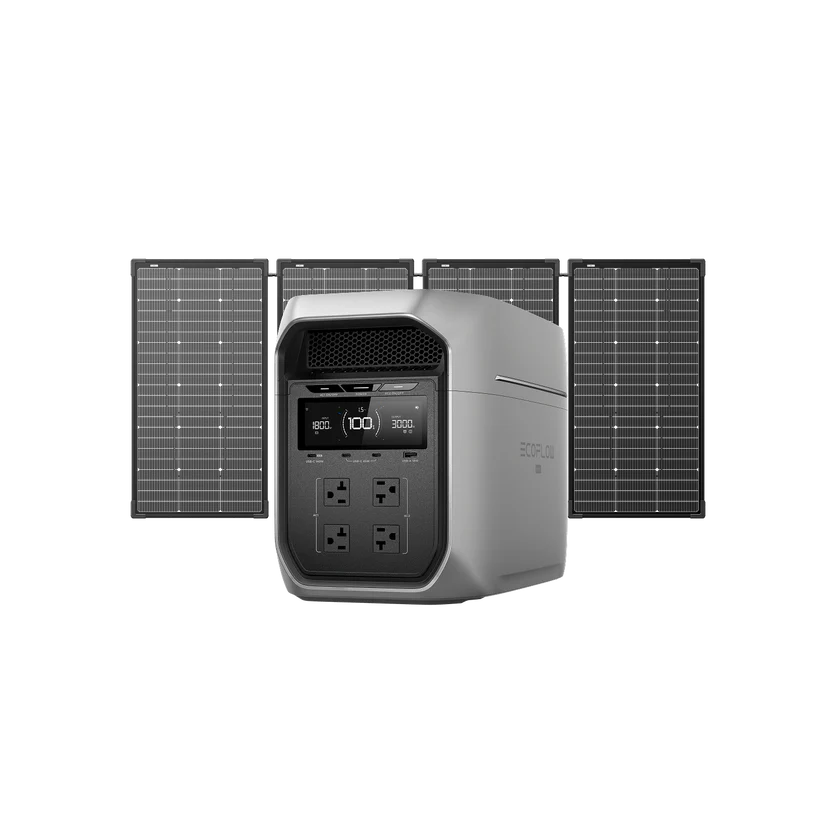
To further enhance your home’s energy efficiency, consider purchasing a home battery system like the EcoFlow DELTA Pro Ultra X. With its 12-180kWh of expandable capacity, it can power even the largest homes, making it a great home backup solution. However, when you pair your home battery with solar panels, you will reduce your reliance on the grid, saving both energy and money.
Thermal Efficiency Strengthens Home Energy Resilience
Ensuring your attic is insulated to the correct R-Value for your region is a smart investment that pays back through a more efficient HVAC system, lower utility bills, and a more comfortable home. Whether you’re topping up existing insulation or starting from scratch, proper installation and regular inspections make all the difference. And to stay powered and efficient year-round, consider pairing it with a home battery like the EcoFlow DELTA Pro Ultra X.
For press requests or interview opportunities, reach out to our media team
media.na@ecoflow.com