Monsoon Storm Safety Tips for Staying Safe This Whole Season
According to the National Weather Service, monsoon season is the most dangerous time of year, weather-wise, in the Southwest. That's a fact most people don't expect, given how much attention hurricanes and tornadoes tend to get. This guide covers what makes monsoons dangerous, how to prepare for the power outages they cause, and specific safety guidance for lightning, dust storms, and flash flooding, so you're ready for the whole season, not just the first storm.
What Makes Monsoon Storms Dangerous?
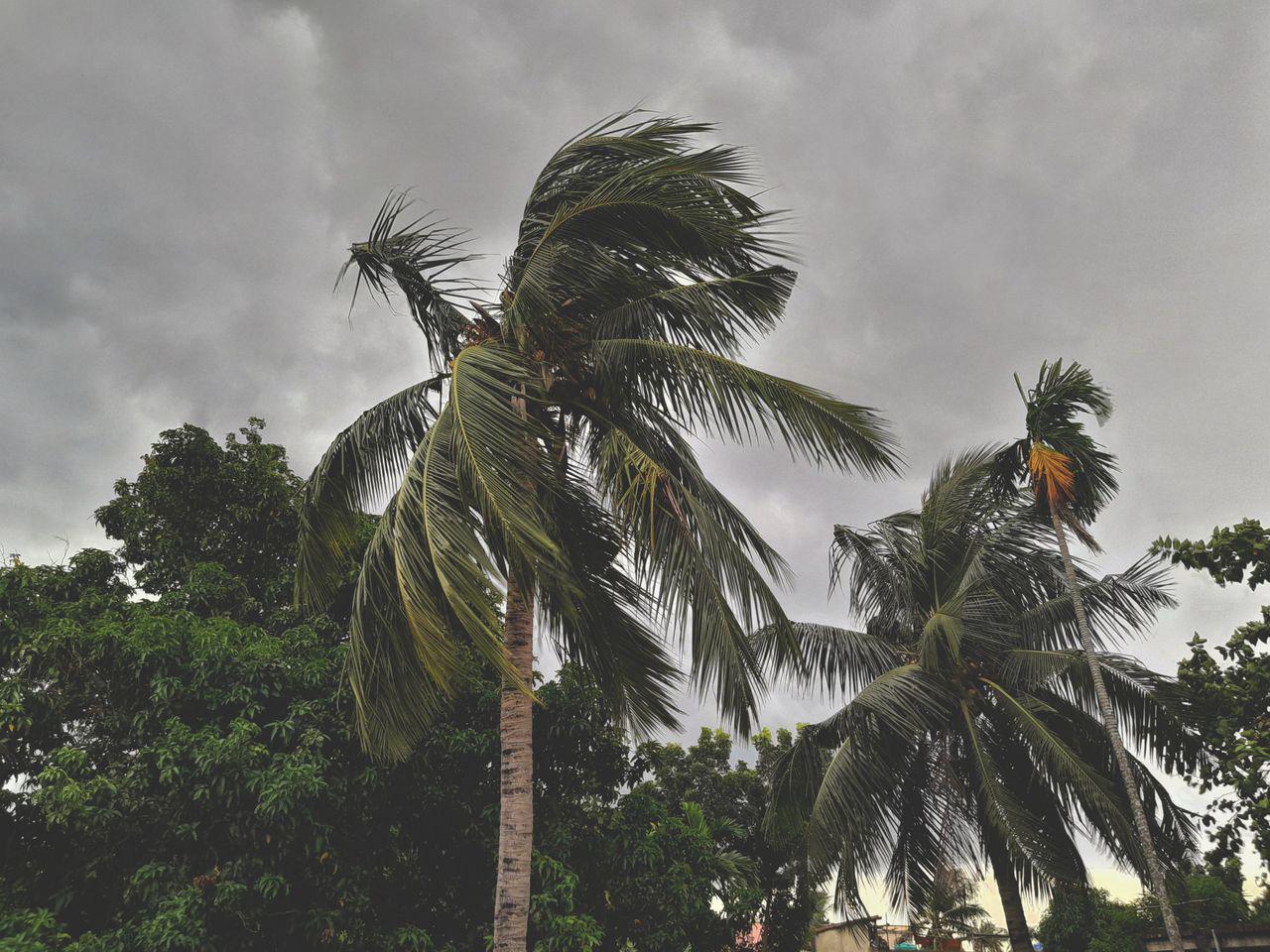
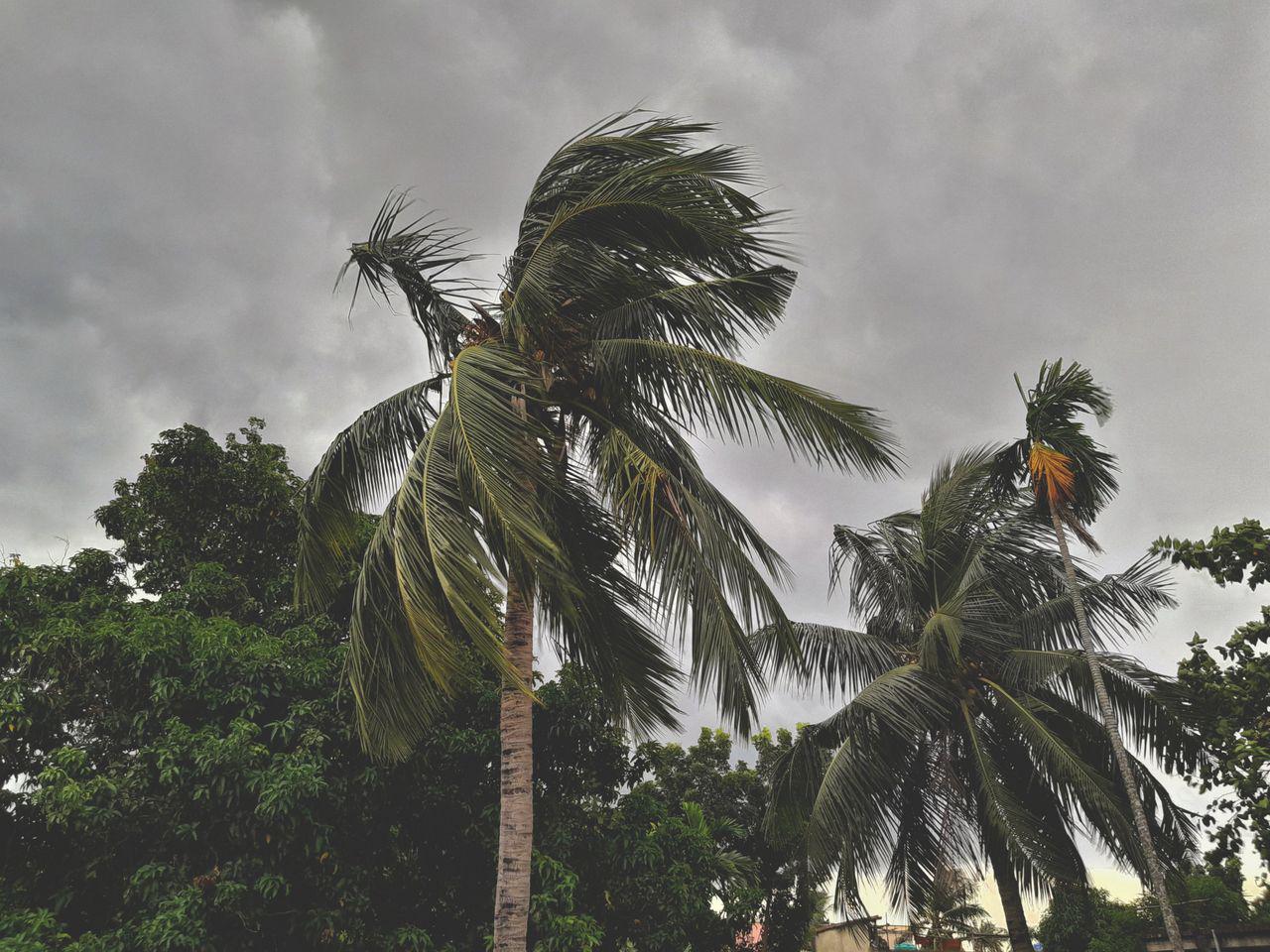
Monsoon season runs roughly June 15 through September 30 in Arizona, and during that stretch it brings a combination of hazards: dust storms, flash flooding, lightning, and high winds, often within the same storm system. That combination is exactly what makes monsoonal thunderstorms so unpredictable compared with an ordinary summer storm. A single afternoon storm cell can produce a wall of blowing dust, drop enough rain to flood a normally dry wash, and generate more lightning strikes than an entire week of typical summer weather elsewhere in the country.
Heat remains the number one weather-related killer in the Southwest even during monsoon season, since typical summer heat combines with increased humidity to push the heat index even higher. Humidity makes it harder for the body to cool itself through sweat, which means the same temperature that felt manageable in dry pre-monsoon heat can become genuinely dangerous once moisture moves in. If you want a deeper breakdown of how to handle that specific risk, protecting yourself and loved ones during a heat wave covers the warning signs and precautions worth knowing before temperatures spike.
Storms can develop and intensify rapidly, turning a clear sky into a hazardous situation within minutes. That speed is part of why monsoon safety tips consistently emphasize watching the sky and having a plan ready before a storm builds, rather than reacting once it's already overhead. Anyone asking "are monsoons dangerous" is really asking about this compressed timeline: unlike a slow-moving winter storm system you can track for days, a monsoon cell can go from a few distant clouds to zero visibility and downed power lines in under half an hour.
One of the most common and disruptive effects of a monsoon storm is the power outage that follows, worth planning for before the season peaks.
Preparing for Monsoon-Related Power Outages
%20(14).png)
%20(14).png)
High winds, lightning strikes, and dust storms frequently down power lines and damage local infrastructure across the Southwest during monsoon season. For households that have been through even one bad monsoon outage, the pattern is familiar: the storm passes in under an hour, but the power outage that follows a heat wave or storm can stretch on for hours or days while crews work through a long list of downed lines. That gap between "the storm is over" and "the power is back" is exactly where a backup plan earns its keep, especially when the outage lands during a stretch of triple-digit afternoons and the refrigerator, fans, and any medical equipment in the house all need power at the same time.
For whole-home coverage after significant storm damage, a high-capacity system built for extended outages is worth having in place before the season peaks.
For a smaller-footprint whole-home option that still covers essential circuits, the DELTA Pro 3 delivers 120/240V split-phase output through a dedicated 240V outlet, without the full-scale installation of a larger system.
For households that want backup for essentials without a whole-home installation, a large portable power station covers the basics (refrigeration, communications, medical devices, a few key outlets) in a form factor that doesn't require an electrician.
With power planning covered, here's how to handle the specific hazards monsoon storms bring.
Lightning Safety During Monsoon Storms
%20(15).png)
%20(15).png)
Lightning can strike more than 10 miles away from the nearest rainfall, with some "bolt from the blue" strikes reaching 10 to 15 miles from the storm itself. If you hear thunder, you're already close enough to be at risk, even if the sky above you still looks clear. For a closer look at how lightning actually forms during a monsoon thunderstorm, what causes lightning breaks down the science behind it.
Get to a sturdy building or a hard-topped vehicle immediately, and stay there until 30 minutes after the last thunder is heard. That's the "30-30 rule," and it's the single easiest lightning safety habit to build during monsoon season.
Avoid open areas, isolated trees, porches, and swimming pools during a storm. None of these offer real protection, and several of them (tall isolated trees especially) actively increase the risk of a nearby strike.
Lightning isn't the only fast-developing hazard. Dust storms can turn dangerous just as quickly.
Dust Storm (Haboob) Safety
%20(16).png)
%20(16).png)
Dust storms, known regionally as haboobs, can drop visibility to near zero in a matter of seconds. Understanding what a haboob actually is helps explain why these storms catch so many drivers off guard: a wall of dust generated by a collapsing thunderstorm can move faster than most people expect, and it often arrives with almost no warning.
If you're driving and caught in a dust storm, pull off the road as far as possible, turn off your lights, and keep your foot off the brake so trailing drivers don't mistake your taillights for a lane opening. This sounds counterintuitive, but it's the guidance safety officials in Arizona give every year, because brake lights in zero-visibility dust can lead following drivers straight into a stopped vehicle. For a deeper look at how these storms form and why they're so common during monsoon season, see monsoon dust storms explained.
Once the dust settles, flash flooding is often the next hazard monsoon storms leave behind.
Flash Flood Safety
%20(17).png)
%20(17).png)
Monsoon rains can cause sudden flash flooding, especially in dry washes, slot canyons, and areas with poor soil absorption from prior drought. Ground that's been baked hard all summer doesn't absorb water quickly, so even a short, intense burst of rain can send a wash from bone-dry to dangerous within minutes.
Never drive through a flooded roadway. The National Weather Service's Turn Around Don't Drown campaign exists precisely because it's so difficult to judge depth and current from inside a vehicle, and just a foot or two of moving water can sweep a car downstream. For a full breakdown of what to do if you're caught in one, how to survive a flash flood walks through the steps in more detail.
Avoid hiking in or near washes and canyons when storms are forecast, even if skies are currently clear where you are. Flash floods can travel from a storm many miles upstream, so a clear sky overhead is not a reliable safety signal. Readers dealing with monsoon conditions in the higher-elevation parts of the state may also find Northern Arizona monsoon season useful for region-specific context, since flash flood risk there can look different from what happens in the Phoenix or Tucson valleys.
Conclusion
Monsoon season brings a genuinely dangerous mix of lightning, dust storms, flash flooding, and heat, and power outages are one of the most common disruptions that follow. Know the 30-30 lightning rule, pull over safely in a dust storm, never drive through flooded roads, and have backup power ready before the season peaks. For deeper reading on preventing the aftermath of these storms once the immediate danger has passed, see flash flood disaster prevention.
Ready to build your own backup plan for monsoon season? Explore the EcoFlow DELTA Pro Ultra X and EcoFlow DELTA Pro 3 for whole-home coverage, or the EcoFlow DELTA 3 Max Plus for a portable option.
FAQs
Are monsoons more dangerous than regular thunderstorms?
Monsoon storms combine several hazards at once: lightning, high wind, dust, and flash flooding, in a way an ordinary summer thunderstorm usually doesn't. That combination, along with how quickly monsoonal thunderstorms can develop, is part of why the season carries real risk even for people who consider themselves storm-savvy.
What should I do if I'm caught driving in a dust storm?
Pull off the road as far as possible, turn off your lights, take your foot off the brake, and stay in your vehicle with your seatbelt on until visibility improves. Trying to keep driving through a haboob, even slowly, is one of the most common ways drivers end up in multi-vehicle pileups during monsoon season.
How far away can lightning strike from a storm?
Lightning can strike more than 10 miles from the nearest rainfall, and some bolt-from-the-blue strikes have been recorded 10 to 15 miles from the storm itself. If you can hear thunder at all, you're within striking distance and should already be seeking shelter.
Why do monsoon storms cause so many power outages?
High winds, lightning strikes, and blowing dust from isolated thunderstorms frequently damage power lines and substations across the Southwest, and utility crews often have to work through a backlog of downed lines after a widespread storm, which is why outages can stretch well past the storm itself.
Can a battery power station keep essentials running during a multi-day monsoon outage?
Yes, depending on capacity. A whole-home system like the DELTA Pro Ultra X or DELTA Pro 3 can cover essential circuits (refrigeration, well pumps, HVAC) for extended outages, while a portable option like the DELTA 3 Max Plus is better suited to keeping key devices and a refrigerator running for shorter stretches.
For press requests or interview opportunities, reach out to our media team
media.na@ecoflow.com