What to Do When the Power Goes Out During a Heat Wave
- Why Heat Waves Trigger Power Outages and Why the Risk Is Higher Than You Think
- First 30 Minutes without Power: Safety Steps to Protect Your Home and Health
- How to Stay Cool without AC During a Heat-Wave Outage
- What to Power First: A Simple Priority List for Heat-Wave Outages
- Choosing Backup Power for Heat Waves: Portable vs Whole-Home Solutions
- Frequently Asked Questions
- Keep Your Home Cool, Safe, and Powered
Heat waves are intensifying, and so are the power outages that come with them. However, knowing why heat waves cause power outages and what to do when they happen is important, since they can be genuinely dangerous, especially for vulnerable people like children and the elderly.
This guide covers what to do during an electrical outage in extreme heat, tips to stay cool, and backup power options to help keep your home and family safe.
Why Heat Waves Trigger Power Outages and Why the Risk Is Higher Than You Think
Heat waves and heat domes can cause outages when everyone cranks up the AC. That high demand can overload electric lines, transformers, and other infrastructure, causing blackouts.
However, extreme heat itself also strains the grid. It causes lines, transformers, and other infrastructure to overheat, making them less effective at carrying electricity. Lines sometimes expand or break, causing outages, and may even spark fires.
Then there are the rolling blackouts, when utilities purposely shut down the grid during high demand. While inconvenient, these are necessary to prevent more catastrophic failures.
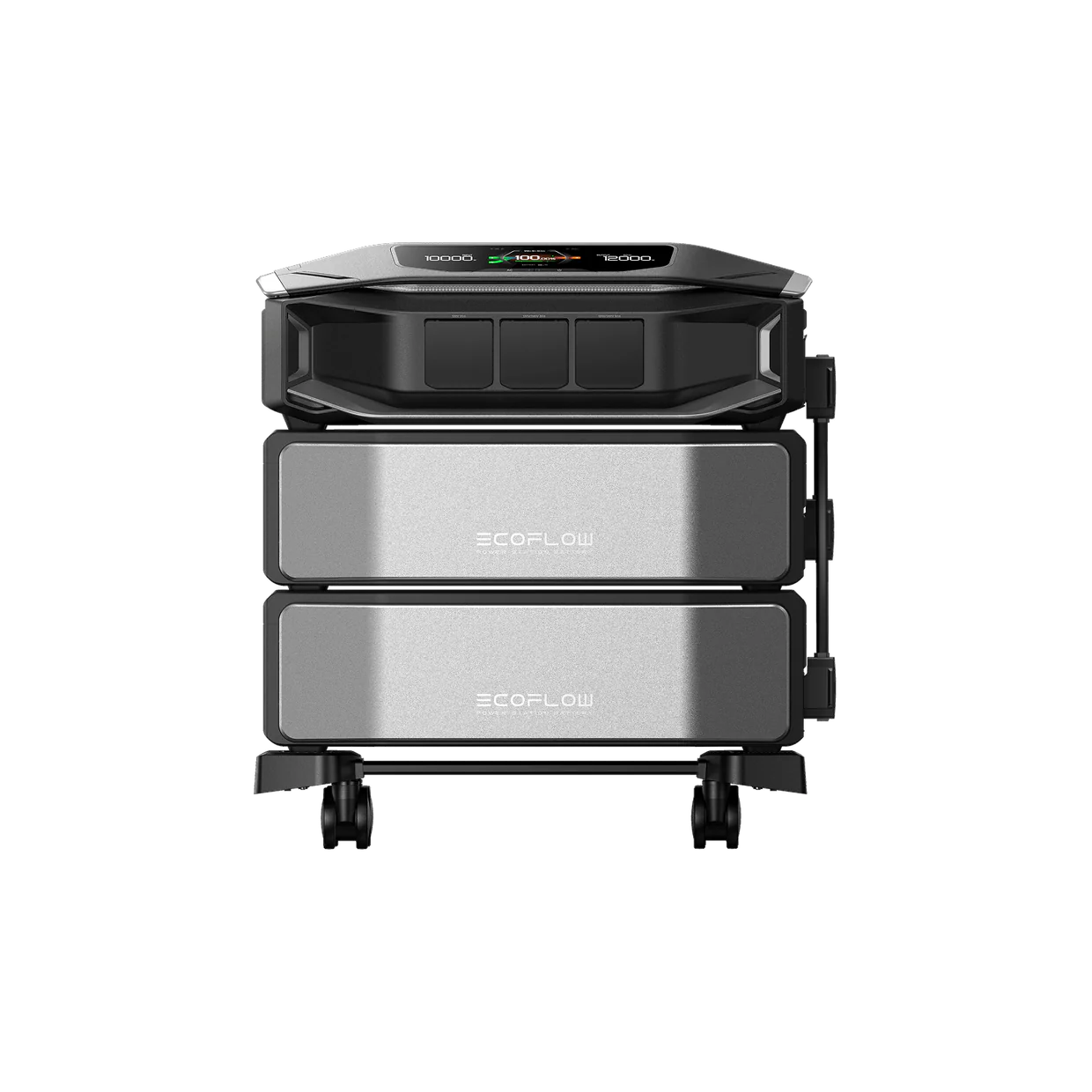
While you can’t stop heat waves or blackouts, you can protect your home and family with an indoor-safe EcoFlow DELTA Pro Ultra X whole-home battery backup. It has enough expandable capacity to run heavy-duty appliances, like central AC.
First 30 Minutes without Power: Safety Steps to Protect Your Home and Health
The first 30 minutes are crucial for staying safe during extreme heat.
Confirm the outage is on the grid by checking your utility provider’s outage maps, website, or alerts, and check for restoration timelines.
Monitor emergency alerts for hazards like fires.
Monitor the weather and check the heat index vs. actual temperature. Sometimes the “feels like” temperature, which combines heat and humidity, increases heat exhaustion risk.
Check on vulnerable children, the elderly, or those with medical conditions.
Start monitoring for symptoms of heat exhaustion, including excessive sweating, dizziness, nausea, muscle cramps, or excessive fatigue.
Move anyone showing signs of heat exhaustion to a cool room and provide water. Seek medical attention immediately if they develop confusion, have seizures, or stop sweating (signs of more serious heat stroke).
Keep refrigerator and freezer doors closed to keep refrigerated food safe for about 4 hours and frozen food for 24–48 hours.
Unplug sensitive electronics and appliances to protect them from surges when the power returns.
Use rechargeable LED flashlights instead of candles.
How to Stay Cool without AC During a Heat-Wave Outage
Try these tips to stay cool without AC:
Stay well hydrated.
Use battery-powered fans.
Use water misting bottles.
Use coolers filled with ice for food and water.
Set up shade outdoors using umbrellas or awnings.
Keep curtains and blinds closed to block the heat.
Open windows and doors at night and early in the morning to let cooler air in.
Take a cold shower or a dip in a body of water.
Sleep in the coolest room in your home, or outdoors if it’s cooler outside.
Don’t cook indoors. Use an outdoor BBQ, a camp stove, or a solar oven, keeping them away from structures.
What to Power First: A Simple Priority List for Heat-Wave Outages
First, run any medical devices like CPAP or oxygen concentrators, which cannot go without power.
Next, create a cooling zone: choose the coolest room in your house, close the doors and windows, and run fans, a mini-split, or an AC using a properly sized backup battery.
Then, focus on your fridge and freezer to keep your food safe and charge phones or run routers so you can monitor the weather, outages, and alerts.
Choosing Backup Power for Heat Waves: Portable vs Whole-Home Solutions
A battery-operated whole home backup power solution can be tied into your electrical panel to run your entire home during an outage. However, you should still consider energy efficiency since running things like central AC may drain your capacity.
Portable battery backups like the EcoFlow DELTA 3 Classic can be moved more easily, making them perfect as a dedicated power source for fridges, fans, or medical equipment.
Additionally, using solar panels to recharge your battery storage is recommended for extended blackouts.

Frequently Asked Questions
What Should I Power First During a Heat-Wave Outage?
During a heat wave outage, focus on medical equipment and refrigeration and recharging phones or running routers so you can monitor emergency alerts. Then, focus on creating a cool room on a lower floor and running fans, a mini-split, or a small AC to cool it.
How Long Will Refrigerated Food Stay Safe without Power?
Refrigerated food can stay safe for about 4 hours without electricity, while freezers can keep food safe for about 24 to 48 hours. In both cases, the food safety window depends on how full the unit is (the fuller, the better), the temperature in your home, and if you open the door.
Can Portable Power Stations Run Air Conditioners?
Properly sized, a portable power station can run an air conditioner. However, running a ductless mini-split works better since it usually draws far less energy. Central ACs use a lot more power and generally require a large-capacity whole-home battery instead.
How Do I Size Backup Capacity for My Home?
First, list the appliances you want to run and their running watts. Then multiply their watts by how many hours they run each day to get watt-hours. Add up all the watt-hours, then add at least 20%, and that’s your absolute minimum capacity.
Keep Your Home Cool, Safe, and Powered
Heat waves are inevitable, but some simple preparation can keep your home and family safe if the electricity goes out. Start by monitoring alerts, keeping fridges and freezers closed, and creating a cool room in your home. And always monitor for signs of heat exhaustion, seeking medical attention immediately if necessary.
One of the most reliable steps you can take is setting up a powerful backup system like the EcoFlow DELTA Pro Ultra X, which can run essential appliances, including mini splits and even central AC units.
For press requests or interview opportunities, reach out to our media team
media.na@ecoflow.com