Haboob Meaning: Definition, Weather Impact, and Safety Risks
A haboob appears as a massive wall of dust stretching across the horizon, rapidly reducing visibility and daylight conditions. As one of nature’s most dramatic and hazardous weather phenomena, it occurs frequently across the American Southwest, capable of bringing localized travel to a grinding halt while posing significant health risks.
In this comprehensive guide, we will define and describe what a haboob is, explore the science behind how they form, and examine their impact on communities. This guide also provides some essential safety tips.
What Is a Haboob? Meaning and Simple Definition
For many people, a haboob can be an unfamiliar weather event due to its scale and sudden onset. Understanding how it is defined and what it looks like helps explain why these dust storms can be so disruptive.
The Meaning of “Haboob”
The word “haboob” comes from the Arabic word habūb, which translates to “blasting” or “drifting.” In meteorology, a haboob is an intense dust storm caused by thunderstorm downdrafts, often forming a towering wall of dust in desert regions. While the term originated in the arid regions of Sudan, it is now an officially recognized meteorological term used worldwide, including by the National Weather Service (NWS) to describe major dust storms in the American Southwest.
What Does a Haboob Look Like?
A haboob looks like a dense wall of dust and debris that can stretch from the ground to several thousand feet high. As it moves across the desert landscape, the leading edge often appears highly turbulent and may resemble a rolling cloud. It can travel quickly, often at speeds of 30 to 50 miles per hour. As the storm approaches, visibility can drop dramatically and daylight may take on a dark yellow-brown appearance.
Haboob vs. Dust Storm: What’s the Difference?
While all haboobs are dust storms, not all dust storms are haboobs. The primary difference lies in how they’re formed and their intensity.
| Feature | Haboob | Dust Storm |
|---|---|---|
| Formation | Caused by powerful downdrafts from thunderstorms that rapidly spread outward along the ground and entrain loose dust | Caused by strong, sustained winds blowing across dry land |
| Speed of onset | Develops suddenly, often within minutes | Usually builds gradually over a longer period |
| Appearance | A dramatic, towering wall of dust with a clear boundary | More widespread dust and reduced visibility without a defined wall |
| Wind intensity | Often features strong, gusty winds from storm outflows | Wind strength varies depending on weather conditions |
| Typical impact | Sudden visibility loss, dangerous driving conditions, and severe short-term disruption | Can reduce air quality and visibility over larger areas |


How Does a Haboob Form? The Science Behind This Weather Phenomenon
To understand why these storms arrive so suddenly, we have to look at the atmospheric chain of events. Ordinary winds can create a dust storm, but not a massive wall of dust like a haboob. This requires a powerful convective storm system.
The Role of Thunderstorms and Downdrafts
The formation of a haboob begins with a maturing thunderstorm. As the storm begins to dissipate or rain falls through dry air, the evaporation cools the air rapidly. This makes the air much denser than the surrounding atmosphere. This heavy, cold air then collapses toward the ground in a powerful column known as a downdraft, spreading outward along the surface as a gust front that lifts dust and sediment into the air.
Why Dry Desert Regions Are More Likely to Experience Haboobs
Dry desert regions often provide key conditions that support haboob formation. Intense summer heat contributes to thunderstorm development, while the ground is covered with abundant loose sediment. There are very few plant roots or moisture to stabilize the soil. When strong downdraft winds move across the bare desert surface, they can easily lift large amounts of fine sand and silt into the air, forming a dense, fast-moving dust wall.
When Do Haboobs Usually Happen?
In the United States, each severe monsoon dust storm typically occurs during the summer months, which overlaps with the North American Monsoon season. This seasonal window generally spans from mid-June through September. During this time, a lot of atmospheric moisture is present and ready to bring rain. This is combined with unstable, hot conditions in the afternoons that are perfect for producing the severe, isolated thunderstorms. These thunderstorms are what’s required to trigger the dramatic haboobs.
Where Do Haboobs Occur in the United States?
Dust storms occur in many deserts around the world. However, only certain geographical areas in the U.S. have the exact climate patterns needed to generate haboobs each year.
States Most Affected by Haboobs
The states most heavily affected by haboobs are located in the arid Southwest, with Arizona, New Mexico, and parts of Texas having the most. Additionally, southeastern California, southern Nevada, and occasionally Utah also experience these intense storms when conditions are just right. Among these areas, the Sonoran Desert region usually has the most spectacular and frequent events.
Why Arizona and the Southwest Experience Frequent Haboobs
Arizona and the broader Southwest frequently experience haboobs due to their unique topography and the predictable summer monsoon weather. The flat, wide-open desert basins around major cities like Phoenix and Tucson provide an unobstructed corridor for rolling dust fronts. Thunderstorms developing over the surrounding mountains generate strong downdrafts that rush into the valleys. As these winds sweep across vast stretches of dry farmland and open desert, they accumulate massive amounts of dust before reaching populated cities. Living in these high-risk regions often leads households to consider backup emergency equipment, such as a portable power station, as part of their seasonal storm preparedness planning.
Seasonal Patterns of Haboobs in the U.S.
Haboobs in the United States generally follow a seasonal pattern during the summer. They rarely occur in the morning, and instead happen mostly between 3:00 PM and 9:00 PM. This is because the intense desert heat builds instability during the day, creating conditions favorable for afternoon thunderstorm outflows.
How Dangerous Is a Haboob? Weather Impacts and Safety Risks
Although haboobs are visually striking, they are dangerous weather events that pose serious threats to life and property.
Reduced Visibility and Dangerous Driving Conditions
The biggest immediate risk is a sudden loss of visibility whether in a haboob or near one. When a dust wall hits, visibility can drop to near zero within seconds. Drivers can easily lose sight of the road and any nearby vehicles. This greatly increases the risk of serious crashes and multi-car pileups.
Air Quality and Health Risks
Haboobs carry large amounts of fine dust particles that reduce air quality and make breathing difficult. These particles may worsen asthma and other respiratory issues. In fact, according to the Centers for Disease Control and Prevention (CDC), the heavy dust stirred up in these southwestern regions can carry specific soil-dwelling fungal spores linked to Valley Fever.
Damage to Homes, Vehicles, and Outdoor Property
Strong haboob winds can damage roofs, knock down trees, and turn outdoor objects into flying hazards. Dust can also enter homes, clog HVAC systems, scratch vehicle surfaces, and damage outdoor equipment. In some cases, when these impacts threaten wider utility reliability, homeowners may consider backup power solutions such as emergency home generators to support essential systems.
Power Outages and Emergency Preparedness During Severe Storms
In the American Southwest, haboobs are frequently accompanied by severe thunderstorms and destructive straight-line winds. These strong winds can cause localized power outages that may last for extended periods. During these intense dust storms, traditional gas generators may have difficulty running continuously, as their air filters can quickly clog with heavy airborne dust, and operating them outside in hazardous conditions is often impractical.
As a result, some households explore indoor-capable backup power options for use during outages, such as portable or whole-home battery systems. For example, systems like the EcoFlow DELTA Pro Ultra Whole-Home Backup Power are designed to provide backup electricity for essential household loads when grid power is unavailable. These advanced battery systems run inside, completely protected from swirling dust, and can keep air conditioning, refrigerators, and essential medical equipment running smoothly until the power is restored.
Haboob Safety Tips: What Should You Do During a Dust Storm?
Haboobs can develop quickly, leaving little time to react. Whether you are driving or at home, taking appropriate precautions can help reduce risks and improve safety during a dust storm.
What to Do if You Are Driving During a Haboob
If you are driving when a haboob is coming, you must follow the official “Pull Aside, Stay Alive” protocol immediately. Look for a safe place to park your vehicle completely off the paved roadway as far as you can and stop. It is important to turn off all vehicle lights, including your emergency flashers, and take your foot off the brake pedal. This helps prevent approaching drivers from mistaking your parked vehicle for a moving vehicle, reducing the risk of collisions. Keep your seatbelt fastened and stay put until the dust clears.
How to Stay Safe at Home
If you are already indoors when a dust storm hits, you can easily secure yourself by following a few quick steps. Bring your pets inside and lock all exterior doors and windows to minimize dust getting in. It is also important to turn off your air conditioner or heaters completely. Running the HVAC during a storm will suck fine dust and sediment straight into your home’s air vents and ruin your filters. Finally, it is safest to stay in an interior room away from windows in case any flying debris breaks through. Having a standalone solar generator on hand can keep your small appliances running while you shelter inside safely.
How to Prepare Your Home and Emergency Kit for Haboobs
Put together an emergency supply kit before the stormy season. A haboob safety kit at least includes traditional items like N95 masks, water, and non-perishable food. Beyond this, having long-term power available is often considered an important part of maintaining comfort and basic needs after a severe storm. Once the dust settles, you can use the Southwest’s sunshine and solar panels to help maintain power until the grid is back up.
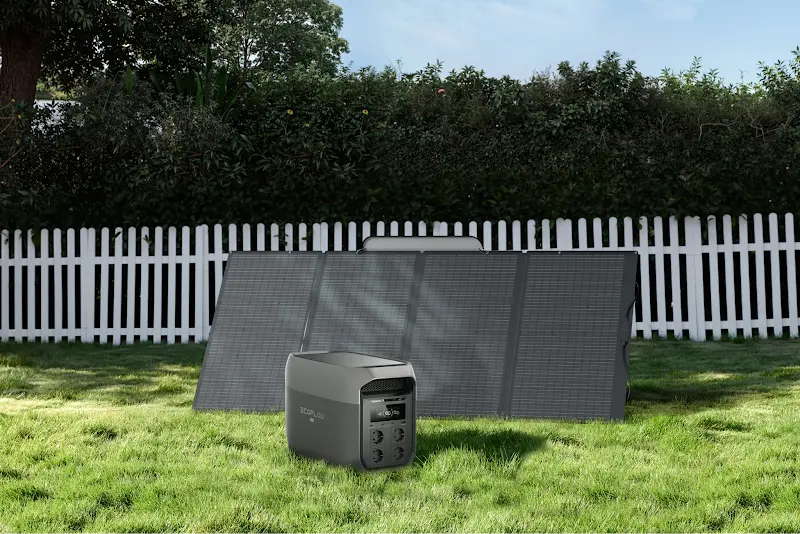
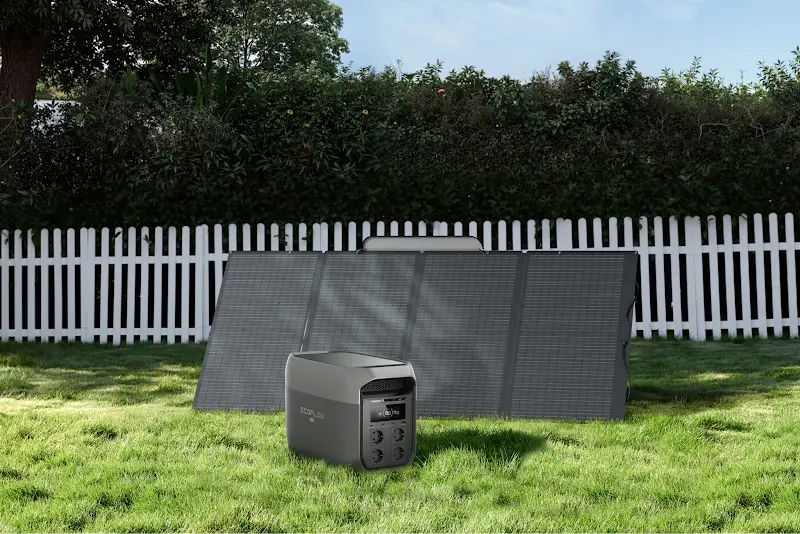
A portable solar generator setup such as the EcoFlow DELTA 3 Max (2048Wh) + 400W Solar Panel is a useful addition to a household emergency kit. It provides instant, clean power for communication devices, fans, and lighting during the initial blackout. Plus, as the outage is extended, the solar panels can recharge the batteries for the next day. Solar charging can help extend runtime when grid power remains unavailable for an extended period.
Conclusion
Haboobs are an inevitable and awe-inspiring part of living in the American Southwest, and they demand respect and careful preparation. Once you know why and how quickly haboobs can occur, you can properly prepare and protect yourself and your household. Haboobs present severe risks to travelers and the power grid, but you can protect your household from the worst of their impacts. Remember to pull off the road if you are driving, seal your home to keep the dust out, and invest in a reliable emergency backup power system. With the right preparation, you can better manage the challenges these storms may bring.
FAQ
What Does Haboob Mean?
The word “haboob” means a violent, blinding dust storm formed during severe desert thunderstorms. The term originated from the Arabic word for “blasting” or “drifting” wind and is now officially used by meteorologists globally.
Are Haboobs Dangerous for Drivers?
Yes, haboobs are extremely dangerous for drivers because they cause near-instantaneous zero-visibility conditions on the road. This sudden blindness frequently can lead to serious crashes and chain-reaction collisions if drivers do not pull over immediately.
Where Do Haboobs Happen Most Often?
Haboobs happen most often in arid desert regions worldwide, including the Sahara Desert and the Middle East, as well as the American Southwest, particularly in Arizona, New Mexico, and Texas.
How Long Does a Haboob Last?
A haboob typically lasts between 10 to 30 minutes in terms of its most intense dust wall impact, though the residual hazy conditions and high winds can linger for an hour or more after the main front passes.
Is a Haboob the Same as a Dust Storm?
No, a haboob is not exactly the same as a regular dust storm, as it is a specific type of intense dust storm triggered exclusively by thunderstorm downdrafts, featuring a much faster onset and a higher, well-defined wall of debris.
Can You Predict a Haboob?
Yes, meteorologists can predict the atmospheric conditions that lead to haboobs, allowing them to issue Severe Thunderstorm Warnings and Dust Storm Alerts several hours in advance, though the exact minute and location of the dust wall’s collapse are tracked via live radar.
For press requests or interview opportunities, reach out to our media team
media.na@ecoflow.com