How Does a Hurricane Form? The Science Behind Storm Development and Power Outage Risks
- What Is a Hurricane, and How Does It Form?
- What Are the Stages of Hurricane Development?
- How Are Hurricanes Categorized by Strength?
- Why Do Hurricanes Cause Power Outages?
- What Should You Power First During a Hurricane Outage?
- Frequently Asked Questions
- Backup Power Keeps You Prepared and Comfortable Through Hurricane Season
There are few natural events quite as destructive as a hurricane. These mighty storms wreak havoc wherever they hit, destroying buildings and disabling regional infrastructure. But how do they form? This guide covers how hurricanes develop, why they cause grid failures, and how you can protect yourself from power disruption.
What Is a Hurricane, and How Does It Form?
A hurricane is a large weather system made up of rotating low pressure, thunderstorms, and torrential rainfall.
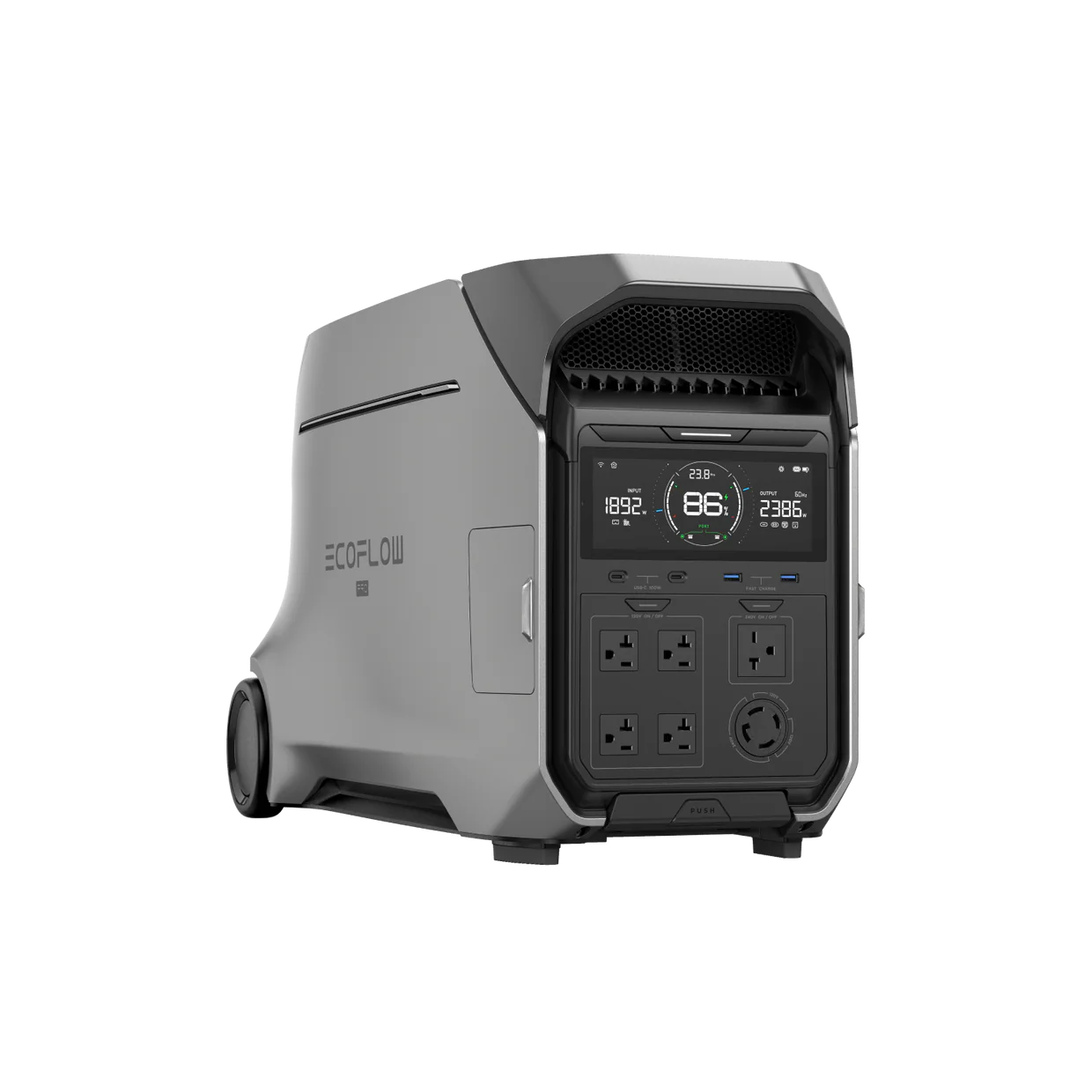
When they hit land, they can cause huge power outages, which is why some people prepare with devices like the EcoFlow DELTA Pro 3 Portable Power Station to keep their appliances powered up.
The main difference between a hurricane and a cyclone is simply where they occur. Both are essentially tropical cyclones, but the name hurricane is given to them when they form over the North Atlantic, Northeast Pacific, or Central Pacific oceans.
Here’s how hurricanes form:
Warm Ocean Water and Rising Moist Air
It begins with thermal energy on the ocean surface. When sea surface temperatures are at least 80°F (27°C) down to about 150 feet (46 meters), the heat causes rapid evaporation. The lower atmosphere gets saturated with dense moisture, and the warm and humid air rises rapidly, then cools and condenses into huge cumulonimbus clouds.
This releases latent heat, and this energy warms the surrounding air. This makes it lighter, and it rises faster, creating a continuous convective updraft.
Low Wind Shear and the Coriolis Effect
To become a structured storm system, two dynamics are needed. First, the environment must have low vertical wind shear, which is the change in wind speed and direction at different altitudes.
A high shear disrupts the vertical symmetry of a storm while it’s developing, tilting its core and scattering the concentrated energy. A low wind shear does not have this effect, so the storm can develop.
The system also needs to form 300 miles or more from the equator, which is five degrees of latitude. This means it is affected by the Coriolis effect, which is the deflection of moving air caused by the rotation of the Earth, causing the cyclical spin needed for the storm to develop.
What Are the Stages of Hurricane Development?
Hurricanes don’t develop overnight, and they progress through several stages over days or weeks, fueled by atmospheric instability.
Tropical Disturbance to Tropical Depression
It begins as a tropical disturbance with a cluster of clouds and thunderstorms moving across the water. If the clusters persist, a low-pressure area forms at the surface. Air moves toward the low-pressure center and is forced upwards.
Wind speeds increase, and when this forms into a circular wind pattern with sustained speeds of under 38 miles per hour, it’s classified as a tropical depression.
Tropical Storm to Hurricane
The system continues to suck up more thermal energy from the surface, and the central atmospheric pressure goes down. When maximum sustained winds increase to over 39 miles per hour, the depression matures, becomes a tropical storm, and gets a designated name.
This is the stage where the storm takes on its spiral appearance. As the central pressure continues to drop, thunderstorms organize into a more defined structure, and once sustained wind speeds hit 74 miles per hour, the system becomes a hurricane with a clear, calm center called the eye.
How Are Hurricanes Categorized by Strength?
While storms like a mesoscale convective system can cause damage, and phenomena like severe hail or graupel can lead to difficulties, they are nothing compared to the damage caused by hurricanes.
The destructive potential of a hurricane is quantified by the Saffir-Simpson Hurricane Wind Scale. This ranks storms from Category 1 through Category 5 based on the maximum sustained wind velocity.
Category 1 (74–95 mph): Dangerous winds cause some damage, such as tearing roof shingles off roofs or toppling shallow-rooted trees.
Category 2 (96–110 mph): Destructive wind speeds cause extensive structural damage, including major roof damage.
Category 3 (111–129 mph): Increased structural damage occurs, even to well-built framed homes, as well as water and electricity infrastructure, causing outages for days or weeks.
Category 4 (130–156 mph): Incredibly destructive wind speeds lead to huge amounts of damage, ripping roofs and walls from homes and snapping trees.
Category 5 (157 mph or higher): Catastrophic wind speeds destroy a large percentage of framed homes, cause huge power outages, and lead to infrastructure problems for months.
Why Do Hurricanes Cause Power Outages?
The intense forces of a hurricane can impact electrical infrastructure in different ways.
High winds are the major threat, putting pressure on distribution systems above ground by snapping poles, breaking metal high-voltage crossarms, and causing airborne debris to become projectiles and break transformers.
Torrential rain and storm surges also risk damaging electrical vaults underground and flooding substations.
Sensitive electrical gear can be damaged by water, causing short circuits. Utility companies then need to wait for the water to recede and the wind to drop before they can fix the grid, which can be a slow process.
What Should You Power First During a Hurricane Outage?
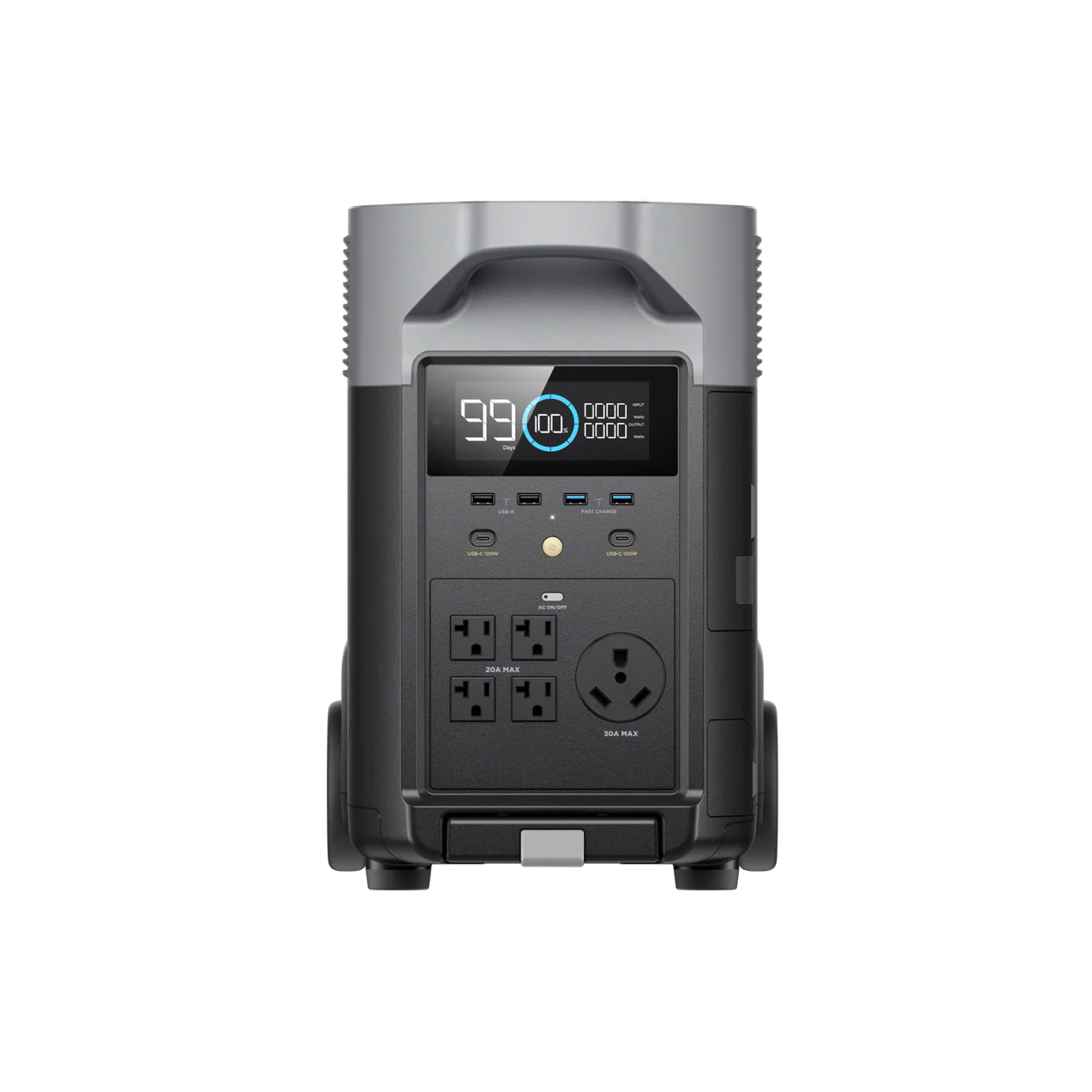
The first priority during an outage caused by a hurricane is to power up survival equipment and any medical equipment you might need. You can do this by connecting them to an independent energy supply like the EcoFlow DELTA Pro Portable Power Station.
Communication devices come next, like Wi-Fi routers and radios, so you can track local evacuation orders.
The next priority is protecting your home and food supply. This means keeping refrigerators and freezers running, and powering exterior lighting or security systems to deter break-ins during evacuation windows.
Frequently Asked Questions
How Long Does It Take for a Hurricane to Form?
This varies significantly based on environmental conditions. It can take a few days or up to a week in general to become a full hurricane. However, if conditions are ideal, it could happen sooner, going up several categories in one day.
What Category of Hurricane Causes Power Outages?
Any category of hurricane can cause power outages, even Category 1 storms, because winds are strong enough to cause tree branches to fall onto distribution lines. Localized line breaks transition to regional grid failures as the scale increases to Category 3 or higher.
How Long Can a Portable Power Station Last During an Outage?
It depends on its battery capacity and the electrical load of your home. A high-capacity system can keep essential devices running for a few days. If you have a whole-home generator combined with solar panels, you can charge it up daily to keep running your devices over many weeks if necessary.
Backup Power Keeps You Prepared and Comfortable Through Hurricane Season
Hurricane season can be dangerous, and it’s good to understand how these storms form and to prepare for them. Set up an emergency plan well in advance of the season, and make sure you can access power during grid outages.
Whether you need to keep medical equipment running for a few hours or your whole home powered for days, explore EcoFlow's collections. From portable power stations to whole home backup power solutions, find what fits the way you plan to ride out hurricane season.
For press requests or interview opportunities, reach out to our media team
media.na@ecoflow.com