Is a Wind Advisory Dangerous? Risks, Wind Speeds & Safety Tips
A wind advisory is easy to shrug off. There is no hurricane bearing down, and the forecast may call for little more than a noisy afternoon. Still, a gust near 50 mph can drop a limb across a driveway, scatter patio furniture, or push an RV toward the next lane.
The useful question is not whether the alert sounds serious. It is what the wind can get hold of where you live. A few minutes spent bringing things inside and checking the forecast can prevent a much longer cleanup.
What Is a Wind Advisory?
The National Weather Service issues a wind advisory when strong, non-tornadic winds are likely to make travel or outdoor work difficult and cause scattered damage. It is a lower-level alert than a high wind warning, but it calls for attention.
Wind Advisory Definition and Criteria
Local NWS offices decide when an advisory is needed. No threshold applies to every county in the country, since a windy stretch of the Rockies has a different weather baseline from a sheltered town in the Southeast.
That is why the wording of the local notice matters. It identifies the hours of greatest concern and often points out the places most likely to feel the wind, such as ridges, passes, bridges, and open country. Advisories are commonly posted in advance, but there is no guaranteed amount of lead time.
Typical Wind Speeds and Gusts
Across many parts of the United States, forecasters use these general thresholds. Meeting either one may be enough for an advisory:
Sustained winds of 31 to 39 mph for at least one hour.
Frequent gusts of 46 to 57 mph, regardless of duration.
That is plenty of wind for a normal neighborhood to notice. Trash cans start moving. A lightly secured trampoline may shift or lift, and an empty box truck on an exposed bridge takes real effort to hold in its lane. The numbers look modest on a screen; behind the wheel or beneath an old tree, they feel quite different.
Wind Advisory vs. High Wind Warning
These two alerts are separated by more than a name. According to official NWS wind criteria, an advisory generally points to scattered trouble and minor damage. A High Wind Warning means the expected wind is stronger, the danger is broader, and structural damage becomes a greater concern.
| Metric / Detail | Wind Advisory | High Wind Warning |
|---|---|---|
| Sustained Winds | 31 – 39 mph | 40+ mph |
| Frequent Gusts | 46 – 57 mph | 58+ mph |
| Expected Impact | Loose debris, broken branches, scattered outages | Fallen trees, roofing damage, wide blackouts |
| Urgency Level | Be aware and take precautions | Seek shelter and avoid travel |

What Risks Can a Wind Advisory Cause?
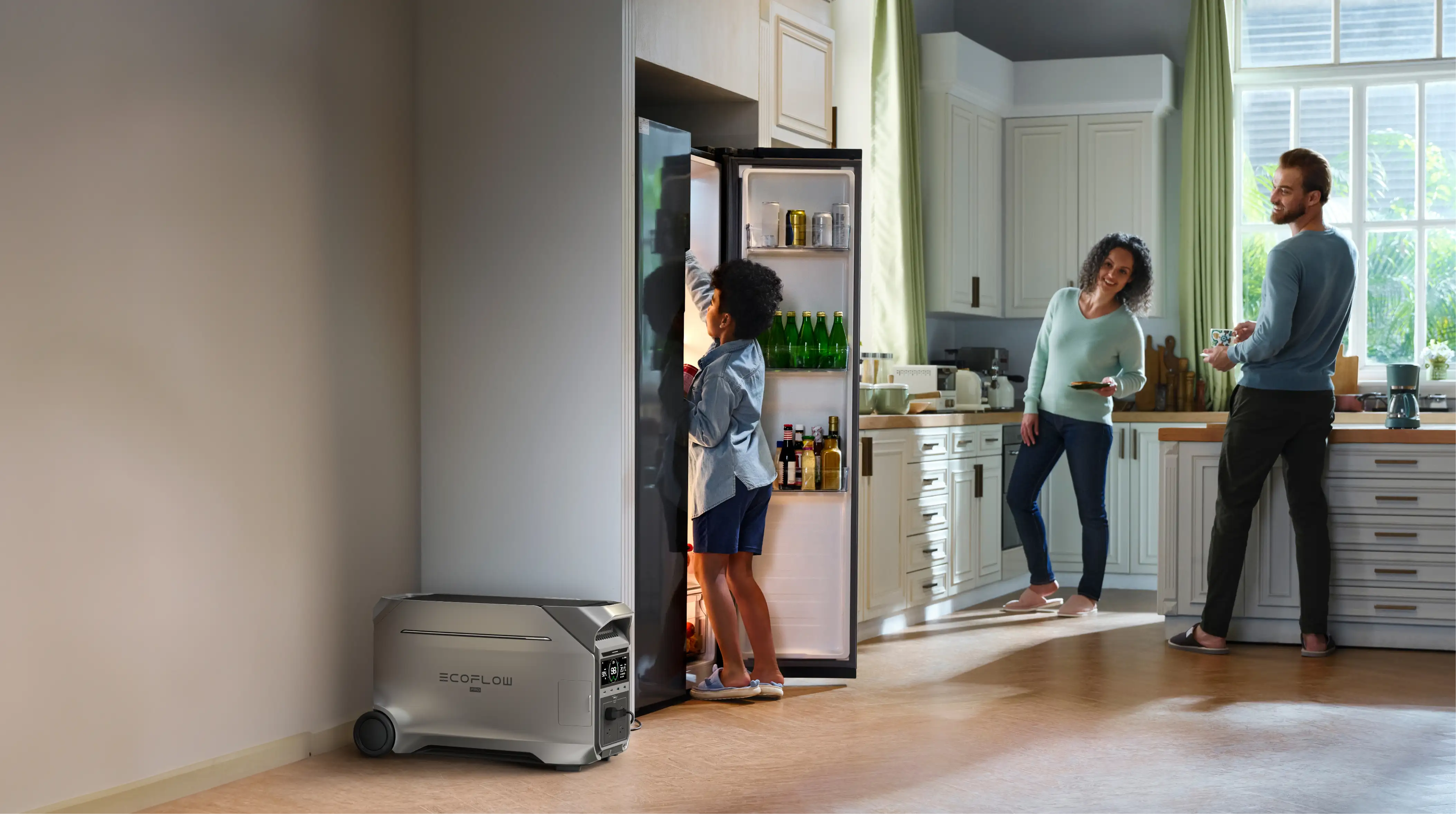
Wind has a way of finding the weak part of a property: the dead limb no one noticed, the fence post that has started to rot, or the corner of a shingle that was already loose. Recent rain, ice, and drought all influence what happens next. If the wind causes a longer outage, a home battery can help keep prioritized household loads running.
Falling Trees and Flying Debris
A tree does not have to come down from the roots to cause trouble. One heavy branch can block a road, damage a roof, or pull a service line from a house. Saturated ground raises the concern because roots may not hold as firmly.
The smaller objects are usually easier to deal with ahead of time. Umbrellas, lightweight chairs, signs, planters, toys, and construction scraps belong indoors or in a secure storage area. If something escapes once the wind is up, do not chase it beneath trees or into the street.
Property Damage From Strong Winds
Wind has a way of finding the loose edge. It catches the corner of a roof shingle, works at an aging gutter, or turns a vinyl fence panel into a sail. A wood privacy fence that already leans may not handle hours of gusting any better.
None of this means an advisory guarantees property damage. It means the condition of the property matters. A small maintenance issue on a calm day may be the first thing to fail once the wind rises.
Localized Power Outages and Utility Disruptions
A wind advisory rarely shuts down an entire region, but a single branch can darken several blocks. The same outage may take out traffic lights, a neighborhood internet connection, gas pumps, or an electric well pump.
When lights flicker repeatedly, unplug sensitive electronics. Report the outage to the utility. Do not assume the crew knows about a small pocket of homes simply because the wind is affecting the whole county. A power outage essentials guide can help you organize lighting, medications, food safety, and communications before service fails.
Hazardous Driving Conditions
Drivers tend to notice a crosswind when the shelter disappears. The road leaves a stand of trees, climbs onto a bridge, or opens onto farmland, and the vehicle suddenly pulls to one side. Semitrailers, delivery vans, buses, RVs, and tall trailers catch more wind than a typical sedan.
Ease off the speed and leave extra room around larger vehicles. Anyone who has to fight the steering wheel to remain in the lane should exit at a safe place and wait.
How Can You Prepare for a Wind Advisory?
There is no need to turn an advisory into an all-day home project. Concentrate on three things the wind is likely to affect: belongings outside, devices that need charging, and plans that put people on the road or in exposed places. A portable power station can keep essential communications and small devices running if the wind causes an outage.
Secure Your Home, Yard, and Loose Items
Start with one lap around the property. Move garbage and recycling bins into the garage, or fasten them against an exterior wall. Patio tables, cantilever umbrellas, hanging planters, and trampolines belong in a shed when there is room. If not, heavy sandbags can hold them down.
Smaller belongings may need bungee cords and a solid anchor point. Get the work done while the yard is quiet. Once the first strong gusts arrive, another trip outside is a poor trade for whatever was missed. The same steps used to prepare for high winds can make a broader storm plan easier to follow.
Prepare for Possible Power Outages
Charge phones and rechargeable lights. Put flashlights where they can be found without crossing a dark house, and review the backup plan for medical equipment or refrigerated medicine. It also helps to write down which devices get power first instead of making that decision after the lights go out.
For Short-Term Remote Work and Device Essentials:
A laptop, phone, Wi-Fi router, and desk lamp may be enough to get through a brief workday outage. The EcoFlow DELTA 3 Classic Portable Power Station (1024Wh) is suited to that limited role. Its portable, plug-and-play design allows it to be set up in a home office when utility power drops.
For Full Household Appliances and Prolonged Outages:
Refrigeration, a microwave, box fans, and room lights become more important during a longer outage. The EcoFlow DELTA Pro 3 Portable Power Station is intended for broader household backup and can support these everyday appliances until service returns.
Follow the manual and local electrical requirements for any backup system. Fuel-burning generators must run outdoors, away from windows, doors, and vents.
Adjust Travel Plans and Outdoor Activities
Sometimes preparation is simply a change of schedule. An RV, boat trailer, or box truck on an elevated bridge will be easier to handle after the advisory ends. If the trip is not necessary, wait.
Backyard burns, fire pits, and do-it-yourself roof work can wait too. Wind spreads a small fire quickly, and an unpredictable gust makes a ladder a poor place to spend the afternoon. Calmer weather solves both problems.


How Can You Stay Safe During a Wind Advisory?
Once the wind arrives, leave outdoor repairs alone. Watch for a change in the alert, since a forecast can be extended or upgraded as the system develops.
Stay Indoors and Away From Windows
Close windows and exterior doors. If branches or other debris begin hitting the house, step away from the glass and use an interior room. A sunroom or enclosed porch is still a poor shelter when most of its walls are windows.
Stay Away From Trees and Downed Power Lines
The branch on the lawn may not be the last one to fall. Keep out from under damaged trees, even after the rain ends or the wind briefly lets up.
Assume every downed wire is live. Do not touch it, drive across it, or approach anything it is resting on. Keep children and pets back. Call 911 for an immediate danger, then notify the electric utility.
Drive With Extra Caution in Strong Winds
Keep both hands on the wheel, reduce speed, and give trucks, trailers, motorcycles, and roof-loaded cars more space than usual. Look well ahead for debris so that one branch in the roadway does not force a last-second swerve.
If stopping becomes necessary, choose a parking area away from trees and utility lines. An exposed freeway shoulder is not much of a shelter.
Avoid Unsafe Outdoor Areas and Structures
Scaffolding, temporary walls, pop-up tents, construction fencing, and old sheds are poor places to stand near in gusty weather. Wooded trails can remain dangerous afterward because cracked limbs may still be caught in the canopy. Wait for daylight and calmer wind before checking the property.
Conclusion
Most wind advisories pass without widespread destruction. That does not mean every home and driver will come through untouched. A loose limb, an unsecured yard item, or a badly timed gust on a bridge can be serious enough.
Read the local alert instead of relying only on its title. Bring in what can blow away, charge essential equipment, postpone exposed travel when possible, and leave damaged trees or power lines to trained crews.
FAQ
How Long Can a Windstorm Last?
It may pass in several hours or continue through most of the day. Some systems arrive in rounds, with quieter periods between gusts. Use the times in the local advisory and check for extensions.
How to Get Weather Alerts for Your Area?
Enable Wireless Emergency Alerts on a compatible phone. Add a trusted weather app or local emergency notification service, and keep a battery-powered NOAA Weather Radio if outages are common where you live. More than one alert source is useful when cell or internet service fails.
Is It Safe to Camp During a Storm?
No tent offers dependable protection from falling limbs, wind-driven debris, or lightning. Postpone the trip when strong wind or thunderstorms are expected. If you are already at a campsite, follow park instructions and move to a sturdy building rather than sheltering under trees.
Can Power Go Out Due to High Wind?
Yes. Branches can fall across lines, poles can break, and wires can touch. An outage may cover a few streets or a much larger area. Never approach a downed line, even when nearby houses still have electricity.
Is It Better to Have Windows Open or Closed in High Winds?
Keep them closed. Opening a window does not protect the roof or safely balance pressure. It only gives wind and rain another way into the house. During the strongest gusts, stay away from exterior glass.
For press requests or interview opportunities, reach out to our media team
media.na@ecoflow.com