Cyclone vs. Hurricane: Key Differences and Storm Safety Tips
- How Do Cyclones and Hurricanes Form, and What Makes Them Different?
- What Damage Can Cyclones and Hurricanes Cause to Homes and Power Systems?
- How Should You Prepare Your Home Before a Cyclone or Hurricane?
- How Can You Stay Safe During a Cyclone or Hurricane?
- What Should You Do After a Cyclone or Hurricane?
- Conclusion
- FAQ
Hurricanes and cyclones are fundamentally identical atmospheric systems—the varying terminology is entirely a matter of geographic origin, rather than a reflection of storm intensity or physical structure. This raises a common question: what’s the difference between a cyclone and a hurricane? With wild weather becoming more common, understanding these systems—and getting your home ready—really matters.
This guide covers what sets hurricanes and cyclones apart, highlights the risks they pose to infrastructure, and provides actionable safety tips. From boarding up windows with heavy-duty exterior plywood to picking a reliable backup power, here's how to keep your family safe when the next big one heads toward the Gulf or up the East Coast.
How Do Cyclones and Hurricanes Form, and What Makes Them Different?
Understanding how these massive storms develop helps you better anticipate their arrival. When evaluating cyclone vs. hurricane properties, it becomes clear that while they go by different names depending on the region, cyclones and hurricanes share the same underlying atmospheric structure.
How Tropical Storms Form in Warm Ocean Waters
Every major storm begins with warm ocean water and humid air. When ocean temperatures reach around 80°F (26.5°C) or warmer, along with other favorable atmospheric conditions, they support storm development, causing warm air to rapidly ascend and create a low-pressure zone. As cooler surrounding air rushes in and heats up, it fuels a continuous convective cycle that forms massive cloud networks and thunderstorms. These systems can later lead to strong winds and power outages on land, which is why some households consider a portable power station as part of their emergency preparedness planning.
What Conditions Help Tropical Storms Strengthen
A cluster of clouds requires specific catalysts to become a dangerous storm system. Beyond warm water, it needs low vertical wind shear so the storm’s structure isn’t ripped apart. Additionally, the Coriolis effect—driven by the Earth’s rotation—provides the spin that organizes chaotic storms into a unified, rotating system.
When a Storm Becomes a Cyclone or a Hurricane
Meteorologists classify tropical cyclones based on sustained wind speed. According to NOAA’s National Hurricane Center (NHC), they are designated as tropical storms when winds reach 39–73 mph, and become hurricanes when winds reach 74 mph or higher. Depending on the ocean basin in which they form, the same system is referred to by different regional terminology: a hurricane in the Atlantic and Northeast Pacific, and a cyclone or typhoon in other parts of the world.
Why Storm Names Depend on Ocean Location
Hurricanes and cyclones are not different types of storms. Recognizing this global nomenclature helps clarify the difference between cyclone and hurricane classifications in terms of regional naming. They are the exact same weather phenomenon, just called something else depending on where in the world they form. As a result, preparedness practices in storm-prone regions tend to be broadly similar, with backup options such as a solar generator sometimes included in household resilience measures.
| Feature | Hurricane | Cyclone |
|---|---|---|
| Meaning | A tropical storm with winds of 74 mph+ | The same type of tropical storm |
| Name Used In | Atlantic, Northeast Pacific, and Caribbean | Indian Ocean, South Pacific, and other regions |
| Main Difference | Regional naming based on location | Regional naming based on location |
| Formation | Forms over warm oceans with low wind shear | Forms under similar environmental conditions |
| Strength | No stronger or weaker by name | Depends on wind speed and storm conditions |
| Damage | Can cause flooding, storm surge, wind damage, and outages | Can cause the same types of damage |
What Damage Can Cyclones and Hurricanes Cause to Homes and Power Systems?
When a severe storm rolls ashore, these classifications become less relevant in practice and the real-world destruction begins. High winds and punishing rain immediately put homes and power grids at serious risk—and not always in the ways you'd expect.
Coastal Flooding and Storm Surge Risk
Storm surge is one of the most dangerous hazards associated with these systems. A storm surge is a rise in coastal water levels driven by strong hurricane winds, with storm tides reaching up to 20 feet or more in some extreme cases. This can inundate coastal highways and cause severe structural damage before the storm’s center arrives. Add torrential rain on top, and you get fast-moving inland flooding that can trap people miles from the coastline.
Roof Damage and Structural Failures
Strong winds peel roofing materials right off, smash windows, and let water pour inside, leading to serious structural damage. Once wind gets in—through a broken window or an unsealed garage door—the pressure inside the house spikes. Suddenly shingles lift off, roof trusses come loose, and flying debris turns into unguided projectiles. What started as a small breach can cascade fast.
Extended Power Grid Blackouts in Coastal Areas
Power infrastructure takes a beating during violent storms. High winds snap utility poles, while uprooted trees tear down localized lines and flood substations. In coastal zones, these blackouts often drag on for days—in some severe cases, weeks—while utility crews work to rebuild infrastructure from scratch. For many households, planning ahead for hurricane season power protection can make a real difference when the grid goes down.
Communication Network Disruptions During Storms
Vital communication channels are usually among the first things to fail during landfall. Cell towers lose primary power, backup batteries run dry, and physical fiber lines get severed by flying debris. The result is an information blackout: severely limits the ability to contact emergency services or receive official updates. It’s the kind of thing which many people underestimate until they experience it directly.
How Should You Prepare Your Home Before a Cyclone or Hurricane?
Proactive preparation before a storm hits can mean the difference between a minor inconvenience and total disaster. Taking structured steps allows you to fortify your living space and secure essential resources.
Securing Windows and Outdoor Objects
Start with your home's outer shell. Install impact-resistant storm shutters if you've got them, or bolt 5/8-inch exterior plywood over your windows—either works. Then do a sweep of the yard. Patio furniture, trash cans, bikes—anything that can turn into a missile in high winds needs to come inside or get tied down. Check and reinforce your garage door. In a lot of homes, it's the first thing to fail.
Storing Water and Emergency Supplies
Municipal water systems may be disrupted or placed under boil-water advisories during major storms. According to FEMA, households should store at least a gallon of water per person per day, with a minimum of a three-day supply. On top of that: non-perishable food, a first-aid kit, flashlights, a hand-crank radio, and any prescription medications your household depends on. You don't want to be figuring this out when the wind is already howling.
Charging Devices Before Storm Arrival
Every communication device you own should be at 100% before the grid goes dark. Integrating a 72-hour backup power plan into your final checklist ensures that handheld electronics can be repeatedly topped up even during long outages. Fully charge smartphones, tablets, and laptops, and maximize their lifespan during the storm by switching to low-power mode, dimming screens, and limiting usage to emergency communication.
Preparing Backup Power for Essential Appliances
Before a hurricane or cyclone hits, stocking up on water and food is essential. But thinking through your power needs during a blackout is equally vital. Keeping emergency radios, flashlights, and home internet routers running means your family stays informed and connected during the critical early hours of a grid outage. If you're in a coastal area that gets hammered by storms on a regular basis, a solar generator makes a lot of sense as part of your disaster plan.
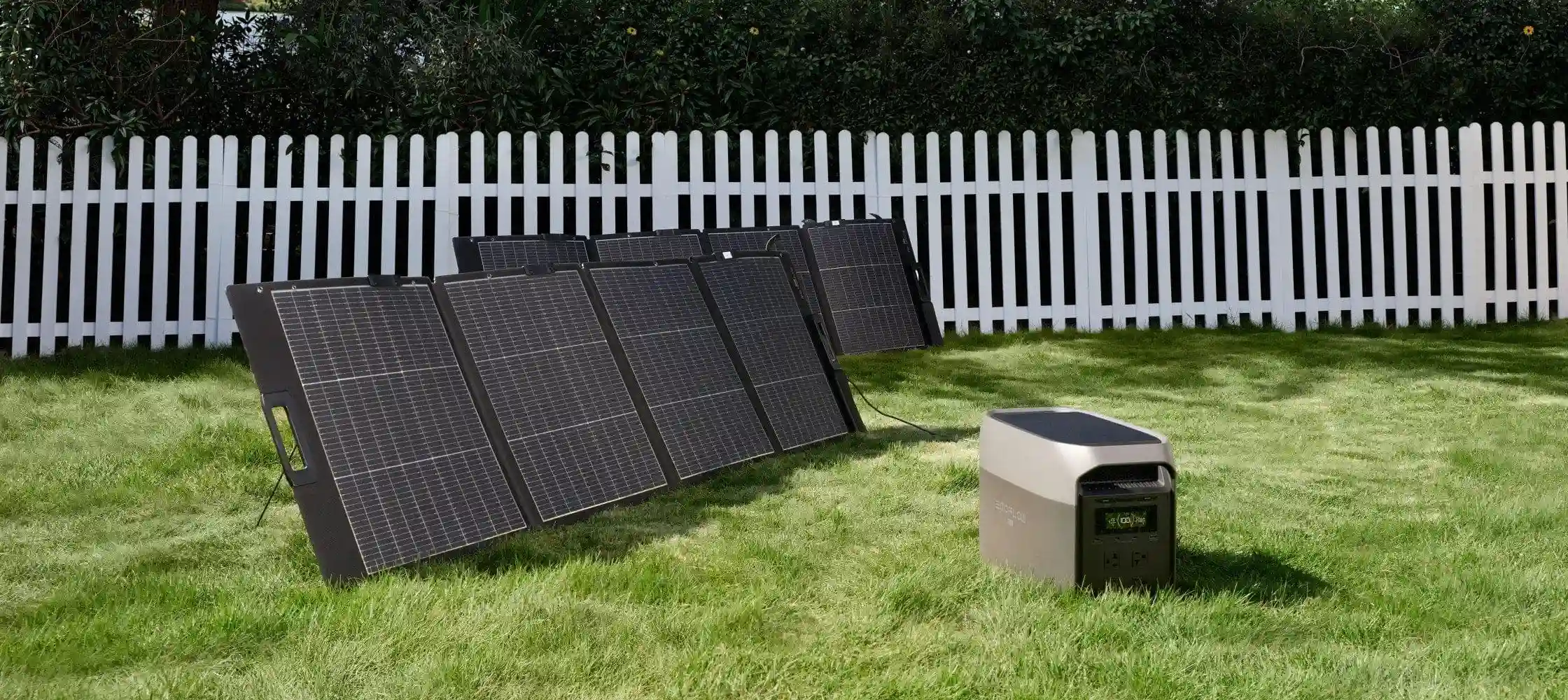
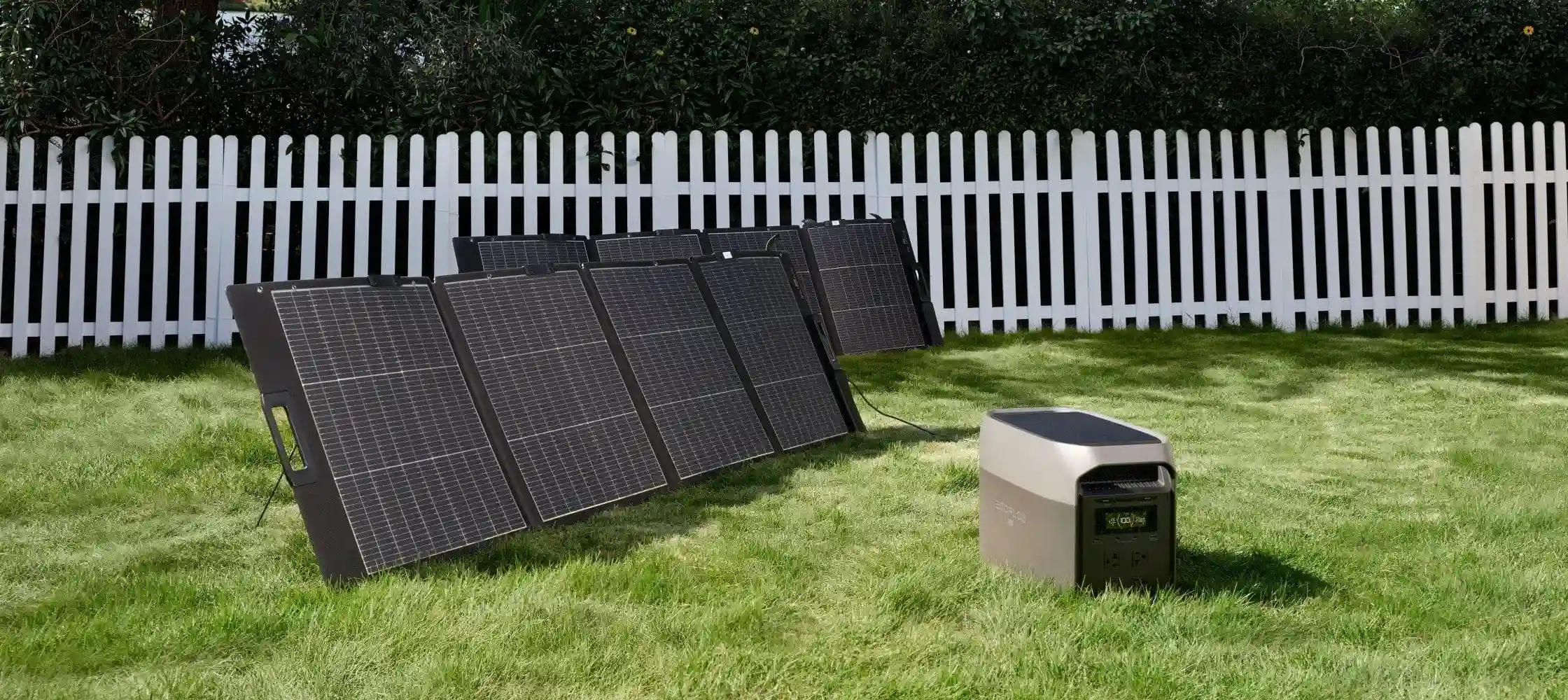
The EcoFlow DELTA 3 Max (2048Wh) + 400W Solar Panel bundle is a commonly used option for emergency preparedness. It can help keep essential devices running and allows you to recharge using solar energy during grid outages with no fuel storage required and no direct emissions during operation.
How Can You Stay Safe During a Cyclone or Hurricane?
Once the storm makes landfall, you're not preparing anymore—you're in survival mode. Staying calm and following basic safety rules is what gets your family through it.
Staying Indoors Away From Windows
Stay away from windows and glass doors—flying debris can shatter them without warning. Pick a pre-designated "safe room" within your home: ideally an interior room on the lowest floor, no windows, like a central hallway or a bathroom. Stay there until the storm is truly over.
Monitoring Official Weather Alerts
Conditions shift fast during a storm, so real-time info is everything. Keep an emergency radio on NOAA broadcasts, or track local alerts on your phone. Pay close attention to evacuation orders and flash flood warnings, and never assume the storm is over when the weather suddenly goes calm, as you may be in the eye.
Avoiding Flooded or Coastal Areas
If evacuation is your only option, avoid coastal roads and flooded areas completely. It takes just six inches of moving water to knock an adult down. Twelve inches will float most cars. And what you can't see under that water? Collapsed pavement, live wires, dangerous debris—all of it hidden, making wading or driving hazardous.
Managing Essential Power During Outages
When a cyclone or hurricane makes landfall, ferocious winds regularly trigger widespread, prolonged grid failures. But if the outage lasts several days, priorities shift. Maintaining basic safety lighting and preserving temperature-sensitive food stores inside the refrigerator become immediate challenges. At this stage, attention often turns to essential appliances such as the refrigerator, medical equipment, or even a CPAP machine.
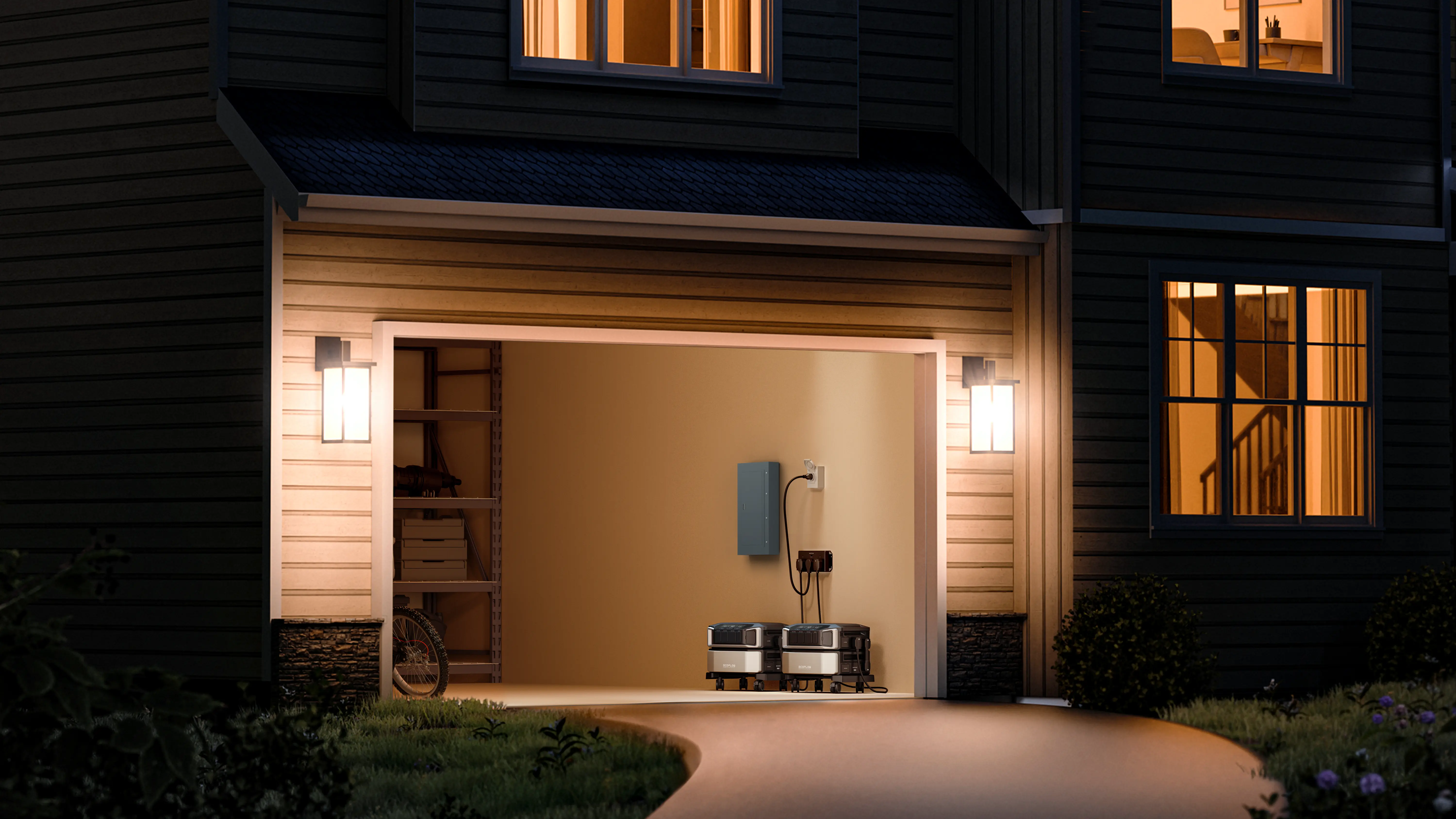
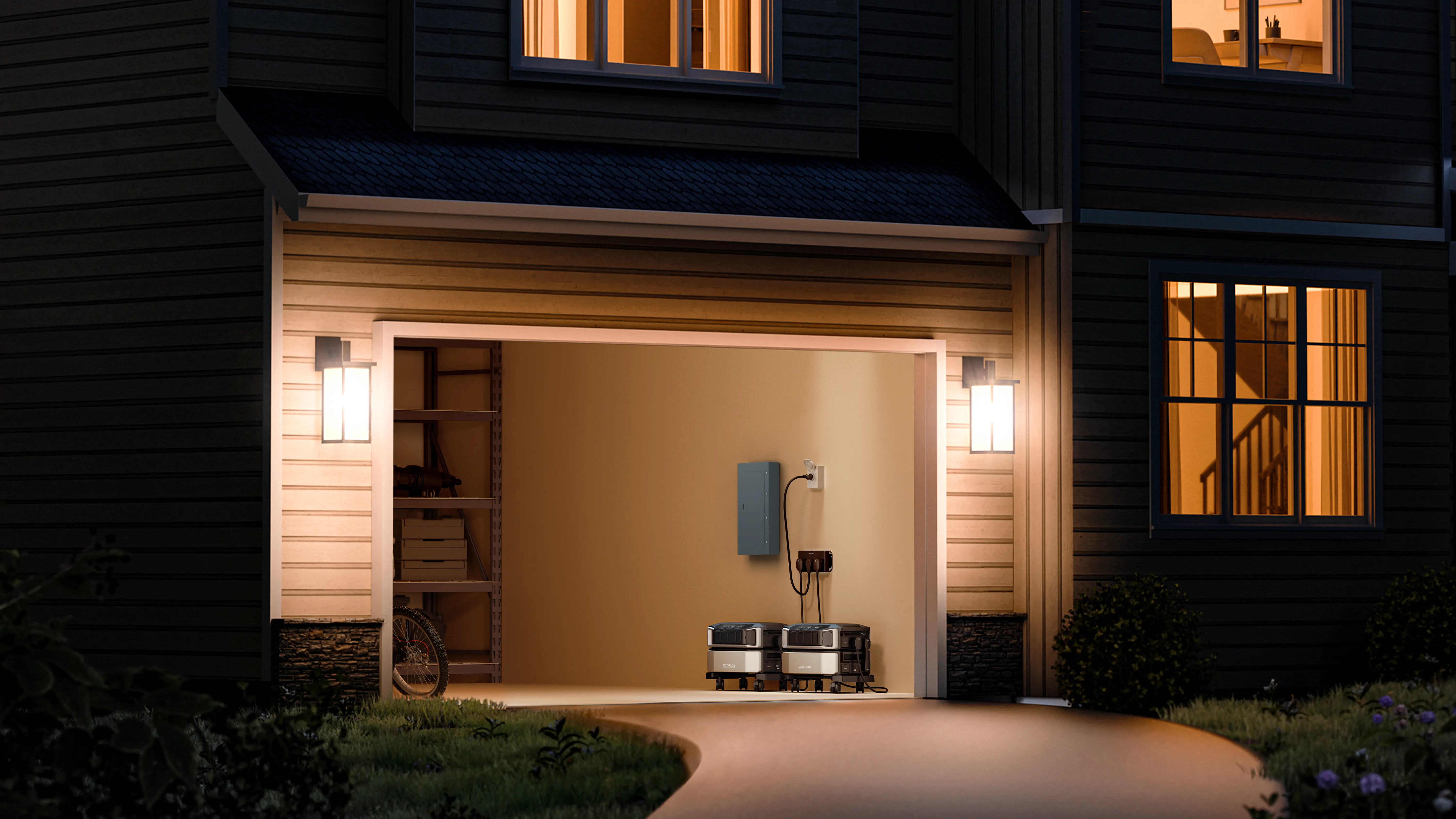
To manage long-term outages safely, a lot of homeowners look to the EcoFlow DELTA Pro Ultra Whole-Home Backup Power as a backup power solution. This heavy-duty system delivers backup power to your critical appliances without fuel handling and with low operating noise compared to gas generators. It can help maintain essential household functions during extended outages. It typically requires a higher upfront investment but can be beneficial during prolonged outages.
What Should You Do After a Cyclone or Hurricane?
The aftermath can be just as dangerous as the storm itself—sometimes more. Switching to recovery mode requires a cautious approach to avoid hidden environmental hazards.
Checking Structural Damage Safely
Before you step back inside, do a careful visual inspection of your home from a safe distance. Sagging ceilings, cracked foundations, loose shingles—look for those. Smell gas? Hear hissing? Get out and call emergency services from somewhere safe.
Avoiding Downed Power Lines
Heavy debris from the storm often hides fallen power lines underneath. Treat every downed line like it's live and dangerous. Keep your distance. Don't stand in water near them. Call your utility provider to report them right away. There's no shortcut around this one—just stay clear.
Documenting Property Damage for Insurance
Once it's fully safe to move around, start documenting everything for your insurance claims. High-resolution photos and videos of all exterior and interior damage—do it before you clean anything up. Make a list of damaged items, and get in touch with your insurance agent as soon as possible.
Conclusion
Cyclones and hurricanes are formidable forces for Americans, but knowing how they behave and preparing early makes a real difference. Board up your windows, keep an eye on NOAA alerts, and grab a solid backup like an EcoFlow DELTA series. That way, when a storm barrels toward the Gulf or up the Carolina coast, your home stays lit, powered, and safe, improving preparedness and resilience. Knowing your family's covered no matter what the weather brings.
FAQ
Is a Cyclone Stronger Than a Hurricane?
No, cyclones and hurricanes are not inherently stronger than one another because they are the exact same weather phenomenon. Their intensity is determined by localized environmental factors like ocean temperature, meaning a Category 5 hurricane hitting Florida carries the same peak destructive potential and catastrophic threat level as a Category 5 severe tropical cyclone making landfall in Australia.
Should You Close All the Doors in Your House During a Hurricane?
Yes, you should close all interior and exterior doors during a hurricane to help stabilize the air pressure within your home. Closing interior doors creates structural compartments that help prevent high winds from lifting the roof, significantly reducing the overall structural load on your house if a window breaches.
Are Portable Power Stations Safe to Use?
Yes, portable power stations are exceptionally safe because they do not emit toxic carbon monoxide fumes or use volatile liquid fuels. Unlike traditional gas generators, they operate silently using advanced lithium-based batteries, making them a clean and hazard-free alternative for household emergency use.
Where to Put a Portable Generator During a Storm?
You must place a traditional gas-powered portable generator outdoors at least 20 feet away from your home, facing the exhaust away from all windows and doors. Never run a combustion generator inside your home, garage, or crawlspace, as deadly carbon monoxide gas can build up rapidly and prove fatal within minutes.
For press requests or interview opportunities, reach out to our media team
media.na@ecoflow.com