Farmers’ Almanac Winter Forecast 2026-2027: What to Expect This Winter
Every long-range winter outlook comes with a headline. For 2026–2027, the Farmers’ Almanac chose “Snow, Sleet, and Surprises,” a phrase that fits its map of a wet southern storm track, sudden cold farther north, and a messy rain-snow line in the Northeast.
For homeowners, the slogan is less important than the weak spots winter tends to expose. A night of freezing rain can bring down a branch and cut power. A quick Arctic front can catch an unprotected pipe. Several rounds of wet snow may test gutters and roof edges that looked fine in October.
The Almanac’s forecast is a broad seasonal sketch based on its proprietary method. It is not an official NOAA Climate Prediction Center outlook, nor is it a schedule of individual storms. Use it as a broad seasonal context rather than a precise forecast. Once a real system develops, rely on the local NWS forecast and emergency instructions.
What Is the Farmers’ Almanac Winter Forecast for 2026-2027?
Sharp regional differences sit at the center of the Farmers’ Almanac 2026 winter forecast. Southern states may see an active, wet pattern. Much of the North faces shorter shots of snow and bitter air instead of unbroken cold, while the Northeast may spend plenty of time close to the freezing mark.
A Wet and Stormy Southern U.S.
Rain is the main story from Southern California and the Southwest through Texas, the Gulf Coast, and the Southeast. If the southern storm track remains busy, one wet system could follow another. Saturated ground and localized flooding may become more important than snowfall in much of the region.
Cold air will occasionally reach the same storm path. Northern Texas, Oklahoma, the interior Southeast, and higher elevations are the areas to watch when that happens. A brief period of sleet or freezing rain can close elevated roads, weigh down trees, and disrupt utilities. The South does not need a weeklong freeze to have a serious winter-weather problem.
Rapid Cold Snaps Across the North
A seasonal average can hide a miserable week. The Almanac expects temperatures across much of the northern Plains, Upper Midwest, and Great Lakes to land near normal overall, but it also calls for quick cold outbreaks. A fast-moving system may deliver gusty winds, a burst of snow, and a steep temperature drop, then give way to a milder stretch. That back-and-forth is hard on a house: snow melts into gutters and freezes after sunset, driveways glaze over, and pipes along exterior walls cool down again just as homeowners stop worrying about them.
A Volatile Winter Across the Northeast
The Northeast has the least tidy part of the forecast. Near the coast, some storms may bring rain or a wintry mix; farther inland and at higher elevations, the same system could leave heavy, wet snow. The Almanac sees January and February as the more likely period for repeated snow events. Even then, the first forecast map for a Nor’easter is rarely the last word. A small change in track can shift the rain-snow boundary a long way, especially when temperatures hover near 32°F.
A Changeable Snow Season in the Northwest
The outlook for Washington, Oregon, and Idaho is changeable, not simply “snowy.” Freezing levels may move up and down during the season. One pass could be under heavy snow while a lower community a short drive away gets cold rain.
Readers comparing Farmers’ Almanac weather predictions this winter should still check local forecasts before mountain travel.
Regional summaries cannot capture the difference between a valley forecast and conditions several thousand feet higher. Anyone traveling through the Cascades or northern Rockies should check pass-level information, even when conditions near home look ordinary.
What Winter Weather Risks Could Affect Your Home?
Most winter damage begins in familiar places: a roof edge that does not drain, a pipe near an outside wall, an aging furnace, or a tree limb over the service line. Start with these four problems.
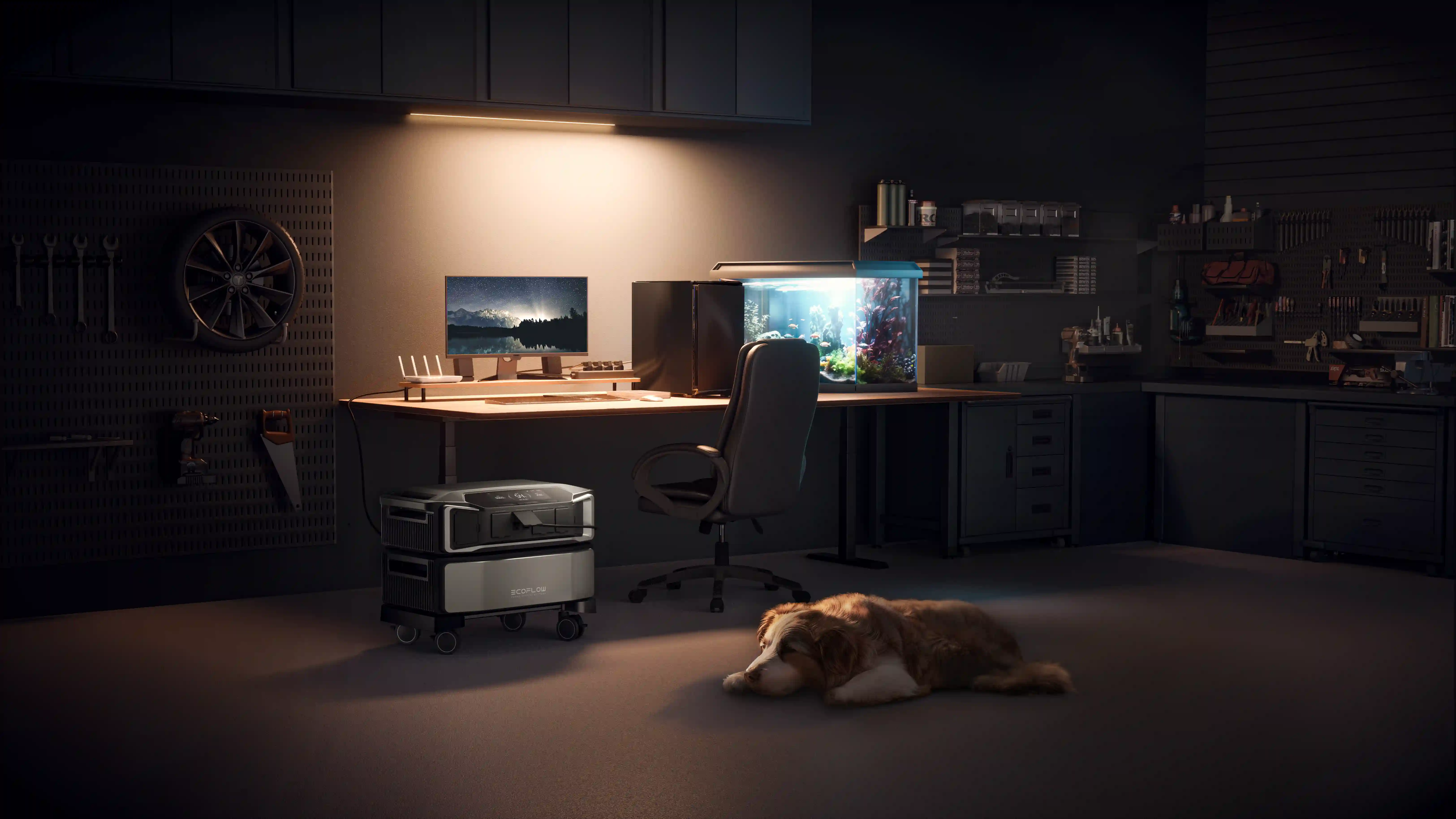
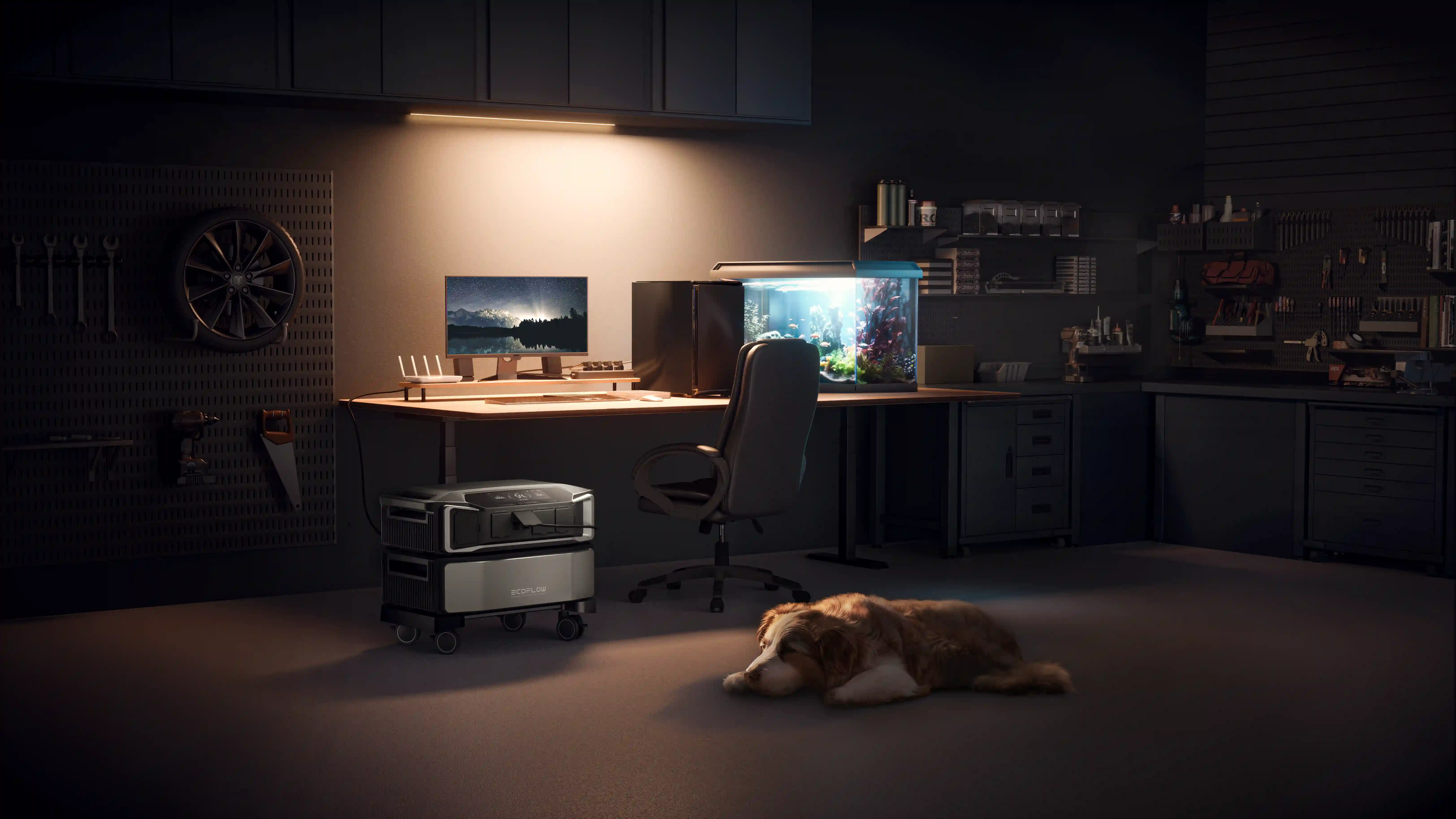
A whole-home backup power solution can reduce outage disruption when heating controls, pumps, refrigeration, and communications all depend on electricity.
| Winter Threat | Primary Cause | Typical Property Impact | Preventive Action |
|---|---|---|---|
| Ice Dams & Snow Load | Attic heat loss, blocked drainage, and wet snow | Leaks, damaged gutters, and added roof stress | Seal attic leaks; maintain insulation; clear snow safely |
| Burst Plumbing | Exposed pipes and a prolonged loss of indoor heat | Water damage inside walls, floors, and basements | Insulate exposed piping; trickle faucets during deep freezes |
| Utility Strain & High Bills | Long heating cycles and air leaks around the house | Higher energy use and extra wear on HVAC equipment | Seal drafts; service the system; inspect the filter |
| Grid Outages | Ice, wind, or wet snow damaging trees and lines | Loss of heat, pumps, refrigeration, and communication | Trim hazardous limbs; prepare backup power |
Snow and Ice Damage to Property
Roof weight and ice dams are different problems. Wet snow is dense, and repeated storms or drifting can add stress to roofs and gutters, particularly on older buildings and flatter additions. Bowed ceilings, cracking sounds, or doors that suddenly bind deserve prompt professional attention.
An ice dam is a water problem. Warm air leaking into the attic melts snow higher on the roof. The runoff reaches the cold eaves, freezes, and blocks the water behind it. Eventually, moisture may work beneath the roofing and stain the ceiling.
The durable fix begins inside with attic air sealing and properly maintained insulation and ventilation. When roof snow needs to come off, use a roof rake from the ground or call a qualified contractor. Walking on an icy roof is a bad trade for saving a service call.
Frozen Pipes During Cold Snaps
The pipe most likely to freeze is seldom in the middle of a warm room. Look instead at crawl spaces, garages, unheated basements, exterior walls, and the back of kitchen or bathroom cabinets. Insulate accessible lines before winter. During extreme cold, opening a cabinet door may let room air reach the plumbing; local officials or a plumber may also advise running a small stream of water from a vulnerable faucet.
Find the main water shutoff now and make sure it turns. A cracked line often stays quiet while frozen, then begins leaking as the ice melts. Those first few minutes matter. Early frozen pipe prevention is most effective before prolonged cold or a heating outage exposes vulnerable plumbing.
Higher Heating Demand in Cold Weather
A winter energy bill can jump even when no one changes the thermostat. Wind pushes cold air through gaps around doors, attic hatches, and older windows, forcing the heating system to run longer.
Heat pumps have another consideration. Auxiliary electric resistance heat may operate during very cold weather or a defrost cycle, and it generally uses more electricity than the heat pump alone. There is no standard bill increase. Climate, insulation, equipment, thermostat settings, and utility rates all matter. Check the filter, schedule overdue maintenance, and seal obvious drafts.
Power Outages During Winter Storms
Freezing rain and wet snow load branches until they break, and wind may bring a neighborhood line down with them. Repairs move more slowly when roads are blocked, and outages cover a wide area. A gas furnace does not make the house immune to a blackout; most modern systems still need electricity for the blower and controls. Well pumps, sump pumps, refrigerators, routers, and medical equipment may also stop. Decide where the household will go if the indoor temperature can no longer be maintained safely.


How Can You Prepare for Winter Power Outages?
Before shopping for backup power, write down what the house cannot do without. The answer is usually much shorter than a list of everything plugged into it.
Identify Your Essential Loads
Start with medical equipment, heating controls, a few lights, and a way to receive news or contact family. After that, priorities depend on the property. The refrigerator protects food, the sump pump protects the basement, and a home on a well needs electricity to move water.
Leave convenience loads off the first draft. Electric ranges, clothes dryers, and portable space heaters use a great deal of energy. During a long outage, another night of sump-pump or furnace operation may matter more than a familiar kitchen appliance.
Estimate Your Backup Power Needs
Read the labels on the actual equipment. Motors and compressors often draw a short surge when they start, so adding only the running watts can undersize a system. Next, estimate how many hours each item will operate. When choosing a portable power station, compare its continuous and surge output with the equipment’s starting and running demands. Output tells you whether the equipment can run; stored energy indicates how long it may run. Allow room for cycling, cold-weather performance, conversion losses, and a reserve.
Choose a Backup Power Solution
A few individual devices and several home circuits are two very different backup jobs.
For a smaller group of essentials, the EcoFlow DELTA 3 Max Plus is a portable option. Its Smart Output Priority feature lets the user rank selected outputs in the EcoFlow app. In practice, the refrigerator, router, or emergency lights can be placed ahead of equipment that does not need continuous power.
The EcoFlow DELTA Pro Ultra is intended for a larger, whole-home backup plan. Its expandable battery storage allows the system to be built around the house. Electric heating and well pumps remain demanding loads, so include them in the sizing work from the start. Any connection to household wiring requires compatible equipment and installation that meets local electrical rules.
Plan for Extended Power Outages
Stored power handles the first part of an outage. After that, recharging becomes part of the plan. Solar panels may contribute during daylight if the weather cooperates and the panels can be positioned safely. A dual-fuel smart generator provides another charging route when sunlight is limited.
Operate any fuel-burning generator outdoors, at least 20 feet from the home and away from windows, doors, and vents. Never run one in a basement or attached garage. Carbon monoxide has no color or smell, so working alarms are essential. Conserving energy matters too: turn off unnecessary loads, keep the refrigerator closed, and review what still needs power as the outage continues.
What Other Steps Should You Take Before Winter Storms?
Electricity is only one piece of the winter plan. Food, water, medication, weather information, and a safe place to go deserve the same attention.
Build a Winter Emergency Kit
Put the supplies where they can be reached in the dark. Your power outage emergency kit should include:
Several days of shelf-stable food, with choices that need little or no cooking.
One gallon of drinking water per person per day, plus supplies for pets.
Prescription medication, first-aid materials, and basic hygiene items.
Flashlights or headlamps, spare batteries, and a battery-powered or hand-crank weather radio.
Blankets, warm clothing, gloves, hats, hand warmers, charging cables, and some cash.
Family needs fill in the rest. That might mean infant formula, hearing-aid batteries, mobility equipment, spare glasses, or a plan for medicine that must stay cold. Check the kit each fall. Five-year-old batteries do not become useful because they were stored beside a flashlight.
Winterize Your Home Before Storms
Set aside an afternoon before the first hard freeze. The work is ordinary, which is precisely why it tends to wait until a storm is already on the map.
Disconnect Outside Hoses: Remove garden hoses, drain outdoor faucets where the plumbing design calls for it, and cover exposed pipes.
Seal Window and Door Gaps: Replace worn weatherstripping and close visible gaps that let cold air into the house.
Clear Gutters and Downspouts: Remove leaves and confirm that runoff drains away from the foundation.
Inspect Nearby Tree Branches: Have damaged limbs over the roof, driveway, or service line evaluated. Leave work near utility lines to trained crews.
This is also the time to service the heating equipment and check its filter, rather than discovering a problem during the first overnight cold snap.
Stay Informed During Winter Storms
Turn on local emergency alerts and keep a second way to receive information if the phone dies or the network goes down. A battery-powered weather radio is still useful for exactly that reason.
National Weather Service terms carry different levels of urgency. A Winter Storm Watch means significant winter weather is possible and it is time to prepare. A Winter Storm Warning means dangerous snow, ice, sleet, or blowing snow is expected or underway. A Winter Weather Advisory describes lower-level conditions that can still make roads hazardous. Local criteria vary, so read the full alert instead of stopping at its title.
Prepare for Travel Disruptions
Weather at the destination does not describe every mile of road between here and there. Before leaving, check the full route, including mountain passes, lake-effect snow belts, and exposed stretches of highway. Postpone the trip when officials advise people to stay off the roads.
Use tires suited to the route and season. Carry chains where required, and practice installing them before the trip.
Keep at least half a tank of fuel or a comfortable electric-vehicle charge as an emergency reserve.
Pack a shovel, traction material, jumper cables or a jump starter, warning triangles, food, water, blankets, warm clothing, and a phone charger.
If the vehicle becomes stranded, call for help and stay with it unless remaining there is more dangerous. Clear snow from the exhaust pipe before running the engine for heat.
Conclusion
The Farmers’ Almanac sees a wet storm track across the South, sudden shots of cold and snow in northern states, uncertain precipitation in the Northeast, and a variable snow season in the Northwest. No seasonal outlook can identify the storm that will matter most at a particular address.
The house still needs the same preparation. Protect exposed plumbing, deal with roof and tree problems, service the heating system, and know what must stay powered. Put emergency supplies where they are easy to find, not behind the holiday decorations. An October afternoon spent on those jobs is far easier than doing them by flashlight in January.
FAQ
How Does the Farmers' Almanac Predict the Weather?
The Farmers’ Almanac (published since 1818 and not to be confused with the older Old Farmer’s Almanac) uses a proprietary forecasting method originally devised by its first editor, astronomer and mathematician David Young. Today, an anonymous forecaster under the pseudonym “Caleb Weatherbee” continues to apply this formula, combining historical weather trends with solar cycles, lunar phases, tidal patterns, and astronomical observations to project weather conditions up to 18 months ahead.
How Accurate Is the Farmers' Almanac Winter Prediction?
The Farmers’ Almanac says readers report its forecasts are accurate about 85% of the time. Independent evaluations, however, have generally been less favorable, so long-range forecasts are better viewed as broad seasonal guidance than precise predictions of individual storms.
Will El Niño Make Winter Colder?
No. According to NOAA, El Niño does not simply make the entire country colder. It shifts atmospheric circulation and the jet stream, typically increasing the odds of cooler, wetter winter conditions across parts of the southern U.S. while favoring warmer conditions across portions of the northern U.S. These are broad tendencies rather than guarantees for any individual winter or storm.
What States Are Going to Get the Most Snow?
The Farmers’ Almanac does not provide a state-by-state ranking for snowfall in winter 2026–2027. Its outlook highlights snowy periods in parts of the Northeast, northern Plains, Upper Midwest, and Great Lakes, with potentially favorable mountain snowfall in the southern Rockies.
Which Is Better for Home Backup, A Battery or a Generator?
A home battery backup is generally better if you want silent, instant, indoor-safe power without the maintenance, fumes, fuel storage, or pull-cords associated with gas equipment. Fuel-powered generators offer high raw power at a lower upfront hardware cost, but they require continuous outdoor fuel handling, regular oil changes, and produce noisy exhaust that is unsafe near windows or enclosed spaces.
For press requests or interview opportunities, reach out to our media team
media.na@ecoflow.com