Home Battery Storage: Complete Guide to Residential Energy Storage Systems
To keep a household running properly you need a steady supply of power. This is really important because of storms and old electrical systems that can cause problems with the power grid in the United States. Home battery storage is a solution because it lets homeowners have control over their electricity. These batteries store power from panels or the power grid so you can use it when you need it the most. This guide will show you how home energy storage works. It will explain how it keeps your lights on when the power is out. You will also learn what to look for when you are thinking about getting a home battery storage system.
What Is Home Battery Storage?
Residential energy storage acts like a power bank for your home. It stores electricity so you don’t have to rely solely on the utility grid. If you have rooftop solar panels, a home battery can work alongside them by storing excess solar energy during the day. Some systems can also charge from the grid during lower-cost periods, such as overnight, depending on local electricity rates and system settings.
Residential Energy Storage System Basics
A home energy storage system is made up of battery cells that are put in a box with smart software that keeps an eye on everything. Today, most home energy storage systems use either Lithium Iron Phosphate or Nickel Manganese Cobalt chemistry. There are two types of home energy storage systems:
LiFePO4 (LFP): This type is very good at keeping a steady temperature. Many systems are typically rated for 4,000–6,000+ cycles and are generally safe, with a reduced risk of overheating. This is why Lithium Iron Phosphate is the popular choice for home energy storage systems nowadays.
NMC: This type can store energy in a smaller space and it is lighter too. Nickel Manganese Cobalt does not last as long as Lithium Iron Phosphate. It also needs to be kept at a safe temperature.
A home energy storage system captures the energy your solar panels generate and stores it for later. When you need electricity, whether during peak hours or a power outage, that stored energy flows back into your home. This is especially valuable because it allows you to keep the energy you produce instead of exporting it back to the grid for minimal compensation. With a storage system, you have power when you need it most.
How Battery Storage Connects With Solar and Grid Power
Home battery systems are connected to your home’s electrical setup in two main ways:
DC-Coupled Systems: The solar panels send DC current to the home battery system through a special controller. Then it gets changed into the kind of power that your home can use. This way, the home battery system does not lose a lot of power when it is being changed.
AC-Coupled Systems: The solar panels send power to an inverter that changes it into the kind of power your home can use. Then it gets changed back so the home battery system can store it. This is a good way to add home battery systems to solar panels that are already on your roof.
Home battery systems can also get power from the grid when it is cheap. Then they can use that power when it is expensive. This helps you save money on your utility bills by using the power from the home battery systems when the rates are high.
Key Components of a Home Battery Storage System
Every good storage system for your home needs a few things to work properly: the hardware and the software elements. These are the parts that make a functional residential storage system work.
| Component | Primary Function |
|---|---|
| Battery Modules | Store chemical energy and release it as electrical energy. |
| Hybrid Inverter | Converts DC electricity from solar and batteries into AC power. |
| Microinverter | Converts solar panel output individually. |
| Battery Management System (BMS) | Regulates internal temperature, voltage, and charging limits for safety and longevity. |
| Smart Energy Hub / Gateway | Monitors real-time energy production and automatically controls grid isolation during outages. |
How Does Home Battery Storage Manage Household Energy?
Smart residential battery systems operate automatically in the background, balancing energy production and household consumption to maximize overall efficiency.
Match Solar Power With Household Electricity Use
Most homes make the most energy when the sun is at its strongest, which is usually in the middle of the day. People usually use the most energy in the late afternoon and evening when they get back home. This is where battery storage comes in. It helps fix the problem of energy being made at one time and used at another. When the sun is shining a lot, the system makes sure to charge your batteries after it has taken care of the energy needs of your home. This way, the energy that your home makes is not wasted.
Stored Power Use at Night and During Low Sunlight
When the sun goes down or bad weather comes, the solar panels on your roof do not make any electricity. At that time, a special battery in your home starts working, using the energy it stored earlier to power the lights, fridge, and heater. This way, you use the energy you already have instead of buying electricity from the power company at night. This means your home mostly runs on clean energy all the time.
Smart Energy Management During Daily Use
Modern energy storage systems use smart software to respond to time-of-use electricity rates. In places like California or Texas, electricity costs significantly more in the evening when demand is highest. The system automatically charges the battery when rates are low, either from solar power or during off-peak grid hours, and powers the home from the battery when rates spike. This helps smooth out your monthly electricity bill and maximize your savings over time.
.webp)
.webp)
Why Is Home Battery Storage Becoming More Popular?
As utility bills climb and severe weather causes more frequent outages, homeowners across the country are increasingly turning to battery storage for home use to protect their property. At the same time, households are using more energy than ever before. This is why energy storage is no longer a niche technology for the few, it’s becoming a mainstream home upgrade that more and more people are actively exploring.
Lower Dependence on Grid Power
Homeowners who depend completely on power companies are at risk when power goes out suddenly or when bills go up without warning. Putting in a home energy storage system gives you some control over your electricity, helping your family stay safe from electric bills and problems with the power grid in your area.
Higher Solar Energy Self-Consumption
Metering and solar export policies are different in each state and utility. Some places have rules that pay you less for the solar power you make than what you pay for electricity. If that is the case, it is a good idea to store the extra power for when you need it. This way, you can use all the energy your solar panels make. You get to keep every bit of power you produce. That makes your solar panels a better investment in the long run.
Support for EVs and Higher Home Electricity Use
As homes move away from using fossil fuels, they start adding electric vehicles, heat pumps, and induction cooktops. This means the need for electricity at home goes up. High capacity battery storage helps make sure the home’s electrical system can handle high power uses, like charging an electric vehicle quickly in the driveway, without breaking the circuit or paying high fees from the electricity company during busy times.
How Does Home Battery Storage Provide Backup Power During Outages?
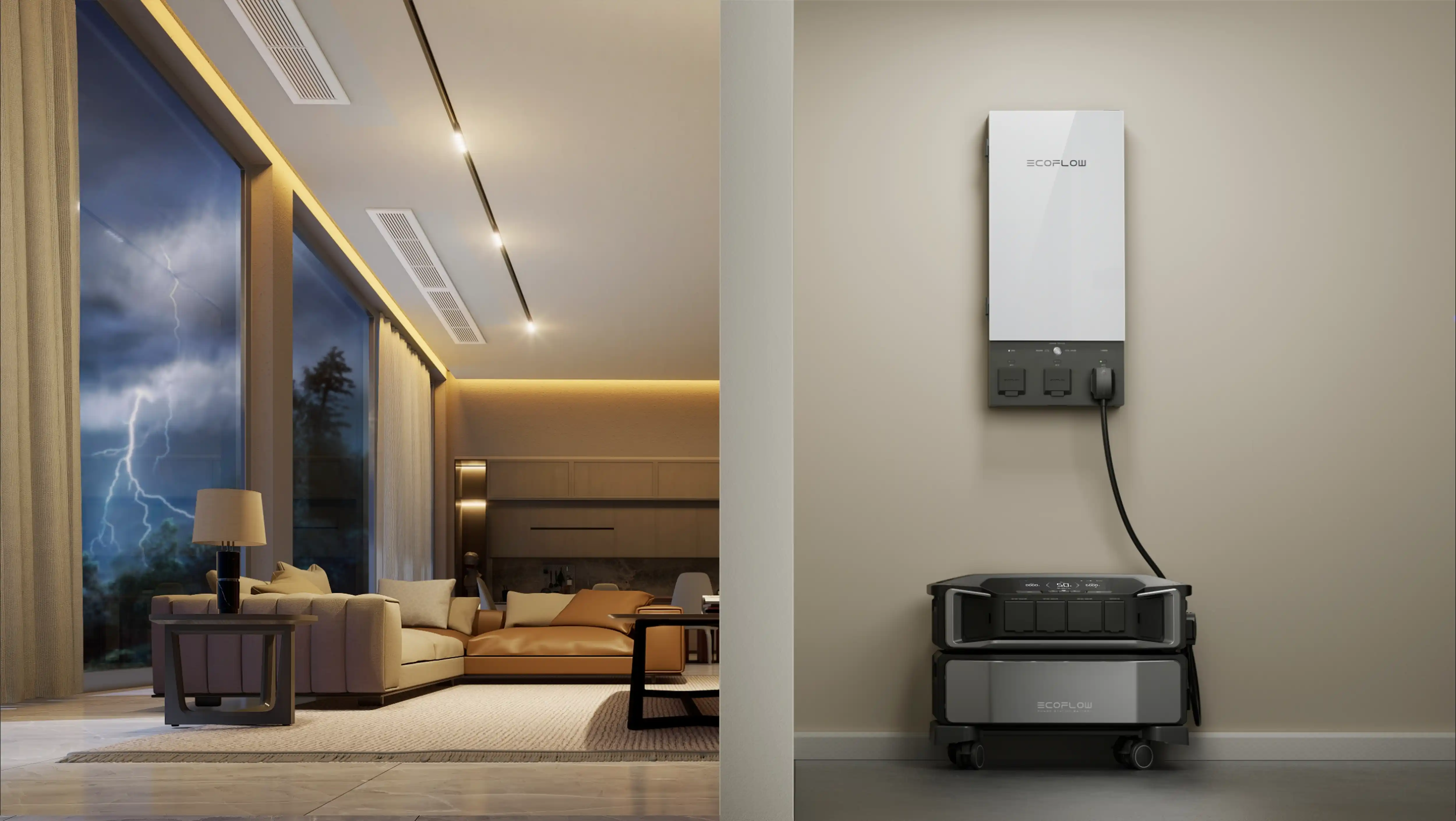
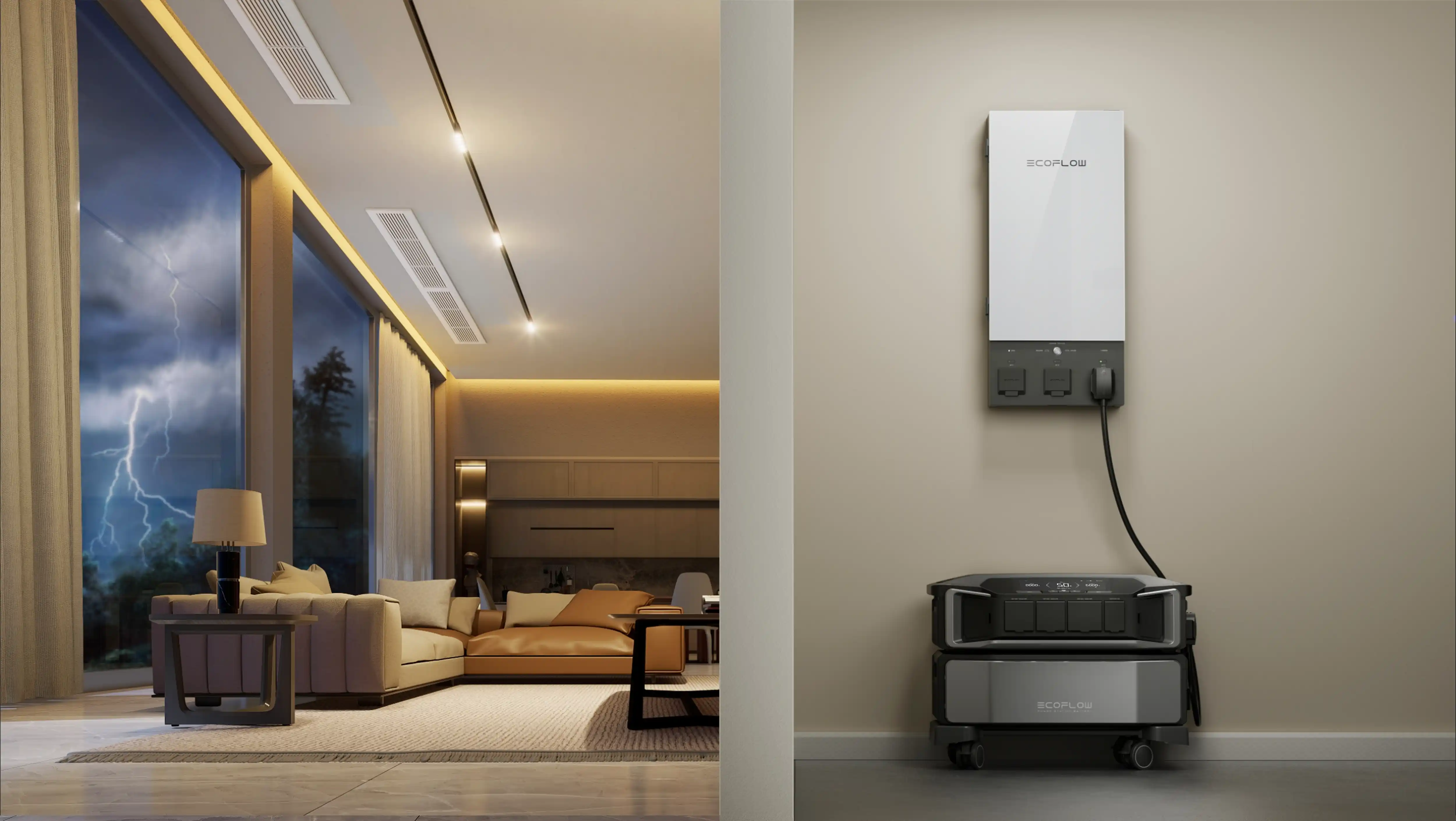
When winter ice storms, summer heatwaves, or severe weather events cause grid failures, a residential storage system delivers automated home backup power without the noise, exhaust fumes, or maintenance hassle of traditional gas generators. This means you do not have to deal with the hassle of putting fuel in a gas generator.
Powering Essential Home Appliances During Outages
Some systems can automatically switch to backup power within milliseconds when paired with compatible transfer equipment. This means that things like your refrigerator, computer, and Wi-Fi router keep working without stopping. The system also keeps utility workers from getting hurt by power coming back into the lines. The stored power takes over to keep things running smoothly:
Refrigeration & Food Preservation: This prevents a lot of food from going bad, which can save you hundreds of dollars.
Communication & Medical Devices: This keeps your Wi-Fi router, phone, medical equipment, and home security system working.
Basic Comfort: This keeps the lights on, your garage door working, and the water pump running.
Connecting Battery Storage With Home Circuits
When the power goes out, the battery helps keep things working by connecting to a special switch and a separate panel that only controls the important things in your home. This separate panel only sends electricity to the things you really need, so you do not waste your backup power on things that are not essential. The battery connects to a transfer switch and a dedicated critical load subpanel or smart main panel. This way, the subpanel can route electricity strictly to preselected breakers, which means it can prevent big appliances that use a lot of power from using up your emergency power reserve too quickly.
Whole-Home Backup and Essential Load Backup
The best backup system is the one that keeps your appliances running when the power goes out. This is because some homes only need to keep important things going, like the basics that people need to survive. Bigger homes need a system that can back up the whole house so that everything can keep running like normal.
For the things that you need to keep running, the EcoFlow DELTA 3 Ultra Plus Portable Power Station (3072Wh) is a good choice. It helps you manage your power in a smart way. You can use the Smart Output Priority feature to decide which appliances are most important, like your refrigerator, your internet equipment, and your lights. This way, these important things get power before the things that are not as important, so you do not waste any of the power that you have stored up.
For homes that need to back up the whole house, the EcoFlow DELTA Pro Ultra Whole-Home Backup Power is a better option. It can handle the surge of power that things like air conditioners and water pumps need to start up. The EcoFlow DELTA Pro Ultra also has a lot of storage space for power and can put out a lot of power, so you can keep your house running for many days if the power goes out.
What Should Homeowners Know Before Installing Battery Storage?
Before choosing a home battery backup system, it’s important to consider your household’s electricity usage, your budget, and your future energy needs. You’ll also want to make sure the system you choose can handle your typical household loads. Since a home battery is a significant investment, it’s wise to think not only about your current setup but also about how easily the system can be expanded as your needs grow.
Energy Needs and Backup Goals
Start by reviewing your utility bills from the past 12 months to determine how many kWh a house uses per day on average. This gives you a baseline for understanding your energy needs. Then decide what matters most to you, maximizing savings on your monthly energy bills, or having reliable backup power during extended outages. That choice will influence both the size of the system you need and your overall investment. Clarifying your priorities upfront helps ensure you choose the right system for your home.
Battery Capacity and Power Requirements
It is important to understand the difference between two details:
Storage Capacity (kWh): This is the total amount of energy the battery can store over a period of time.
Continuous Power Output (kW): This is the highest amount of electricity the battery can provide at one time. A higher continuous kW value is needed to start and operate appliances such as central A/C units or electric water heaters.
System Expansion and Future Upgrades
When families get bigger or they add things like heat pumps or another electric vehicle, they need more energy. The good thing about modular storage is that you can start with a small battery setup now and then add more batteries or connect more solar panels later on. In many cases, you can do this without needing to replace your main inverter, making it easy to scale your energy system as your needs grow.
Conclusion
Investing in home battery storage gives homeowners more control over their electricity. It’s a practical way to manage rising utility bills and keep the power on when the grid goes down. You can set up a system that keeps essential appliances running, like your refrigerator and lights, or scale it up to power your entire home through severe storms. Reliable and reassuring, home battery storage offers peace of mind. With the right system size for your home, you can build a setup that’s ready for the future and ensures you have power whenever you need it.
FAQ
Is Home Battery Storage Worth It?
Yes, home battery storage is a worthwhile investment for homeowners who deal with frequent power outages, time-of-use electricity rates, or reduced solar feed-in credits. Beyond the utility savings, it provides peace of mind during emergencies and helps homeowners become more self-sufficient with their energy.
How Long Will a 20kWh Battery Power a House?
A 20 kWh battery system typically delivers around 16 to 18 kWh of usable energy. This is because the system preserves battery health by limiting how much it’s discharged, and some energy is lost during the conversion from stored DC power to the AC power your home uses. In a household with lights and computers drawing about 1 kW continuously, a 20 kWh system will last roughly 16 to 18 hours. If your home’s power usage increases to around 2 kW, that runtime drops to approximately 8 to 9 hours.
What Size Whole Home Battery Do I Need?
Most residential systems fall somewhere in the 10 to 30 kWh range, but there’s no universal size that fits every home. The right capacity depends on how long you need the system to run, while power output determines which appliances you can run at the same time. To calculate your ideal size, add up the wattage of all the devices you want to power simultaneously, then multiply that by the number of hours you need backup between solar charges.
Is It Better to Have More Solar Panels or More Batteries?
If your main goal is to reduce your utility bills, start by adding more solar panels. If your main concern is being able to survive long power outages and using electricity during times when utility rates are highest, then add more battery storage. Solar panels make energy and batteries keep it stored. Having both together gives the best mix of saving money and being ready for any power issues.
Can I Install a House Battery Myself?
No, installing a hardwired battery storage system requires a licensed electrician. This is because the installation must meet local building codes, pass inspections, and comply with utility interconnection rules. Attempting a DIY installation can create fire hazards, void your equipment warranty, and risk having your system rejected by the utility. Professional installation ensures everything is done safely, legally, and up to code.
For press requests or interview opportunities, reach out to our media team
media.na@ecoflow.com