Utility Bills Explained: What They Are and How They Work
- What Is a Utility Bill, and How Does It Work?
- What Is Included in a Utility Bill?
- Types of Utility Bills You May See
- How Are Utility Bills Calculated?
- How Can You Reduce Your Utility Bills?
- Consider Modern Energy Management Solutions
- Frequently Asked Questions
- Save Money, Improve Efficiency, Gain Resilience
Utility bills are monthly costs that seem to build up like many other recurring costs. While they’re necessary for every homeowner, it may not be entirely clear what they are, and they can quickly add up if not careful.
Learn everything you need to know about utility bills. Find out how they work, how they’re calculated, and ways to reduce their costs.
What Is a Utility Bill, and How Does It Work?
A utility bill is a monthly statement for essential services for running your household, such as water, electricity, or gas. They are based on how much of the given service you consume, but also include other charges for delivery and maintenance. If these bills aren’t paid, services could be shut off, creating a very uncomfortable living situation.
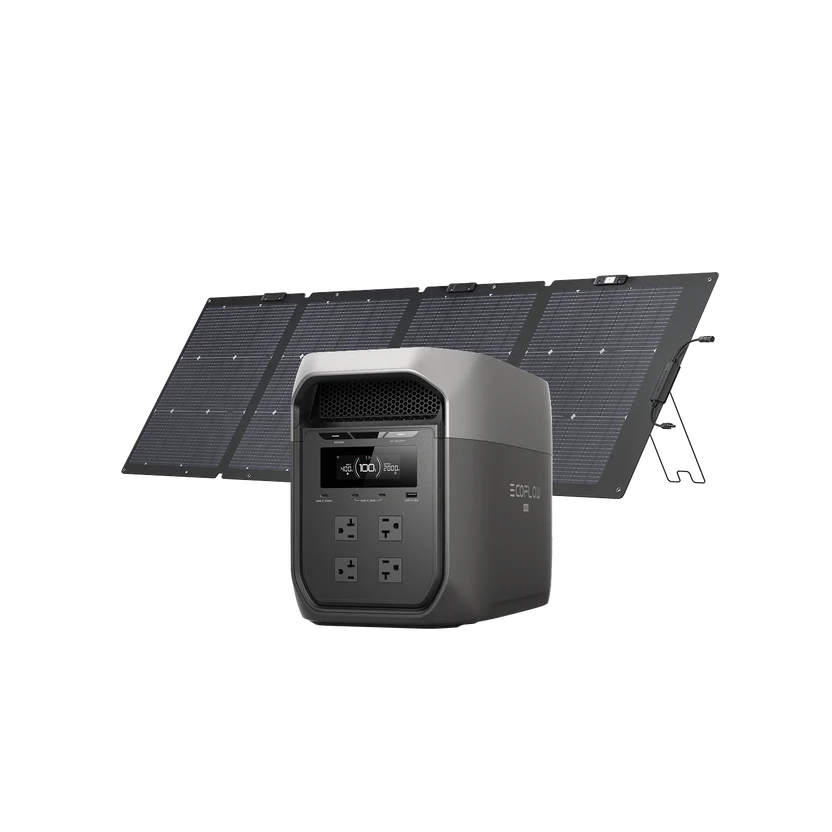
Utility bills can also be used as proof of residency and can help homeowners track monthly expenses. To reduce utility bill costs, consider investing in solar power, with a solar generator like EcoFlow DELTA 3 Max Solar Generator.
What Is Included in a Utility Bill?
Utility bills include basic information such as your name, address, date, and account number. The bill will show how much of the given service you used during the billing period, the amount you owe, when payment is due, and how to pay the bill.
Your utility bill will include an itemized list of the charges associated with the given service, including fixed and variable charges, fees, and taxes. They may also show how consumption has varied over the months.
Types of Utility Bills You May See
The most common utility bills are electricity, gas, and water bills, though sewer and trash bills can also apply if those services are not covered by taxes. Some may also consider the internet and cable costs as utility bills.
The electricity bill typically has the highest cost, as it’s affected by lighting, HVAC systems, and appliances. Gas bills are influenced by heating and cooking, while water bills are affected by water consumption and waste.
Trash and recycling services are often included in city taxes, though you may be directly billed for these utilities. Internet, cell phone, and cable are other utilities that vary by price depending on your provider.
How Are Utility Bills Calculated?
Utility companies use meters to track how much of a given service you consume. The usage is multiplied by the utility rate, and fixed charges are added to cover delivery and maintenance fees. Electricity bills typically use a flat rate or Time-of-Use rate that changes based on the time of day. Gas bills use a rate that fluctuates based on market prices, while water bills typically use a tiered pricing that encourages water conservation.
Why Do Utility Bills Change Each Month?
Utility bills change each month based on several factors. Energy usage varies each month due to weather and habit changes. Some days are colder or warmer than others, meaning the HVAC systems will be working harder.
Billing cycles differ in length, so some bills could charge you for 28 days while others charge you for 31. Depending on the rate plan you’re on, rates can change based on when you use utilities, market prices, or how much you’re consuming.
How Can You Reduce Your Utility Bills?
Utilities are essential to running your home, so they cannot be eliminated altogether. However, measures can be taken to reduce utility costs. It’s good practice to save your bills to track usage habits and identify where you can be more energy-efficient.
Electricity bills can be reduced by making your home more energy efficient. Improve insulation to better maintain indoor temperatures, unplug devices that aren’t in use, and only run appliances when they’re full. Install solar panels to offset your home’s reliance on the power grid.
Reduce gas usage by lowering the temperature settings on your appliances and replacing outdated, inefficient appliances. Repair leaks and drips to reduce water waste and cover your pool when not in use to minimize evaporation losses.
If you cannot afford your current utility bill, contact your provider to potentially lower your bill or waive late fees. Some providers offer budget billing that takes your previous year’s average usage and bills you the same amount every month, allowing you to plan for utilities without surprise fluctuations.
Consider Modern Energy Management Solutions
Alternative energy solutions can significantly reduce utility costs, more than any lifestyle change can. Installing a solar energy system with battery backup allows you to generate electricity from the sun and assist in powering your house, offsetting energy costs. Plus, any excess electricity is stored for future use.
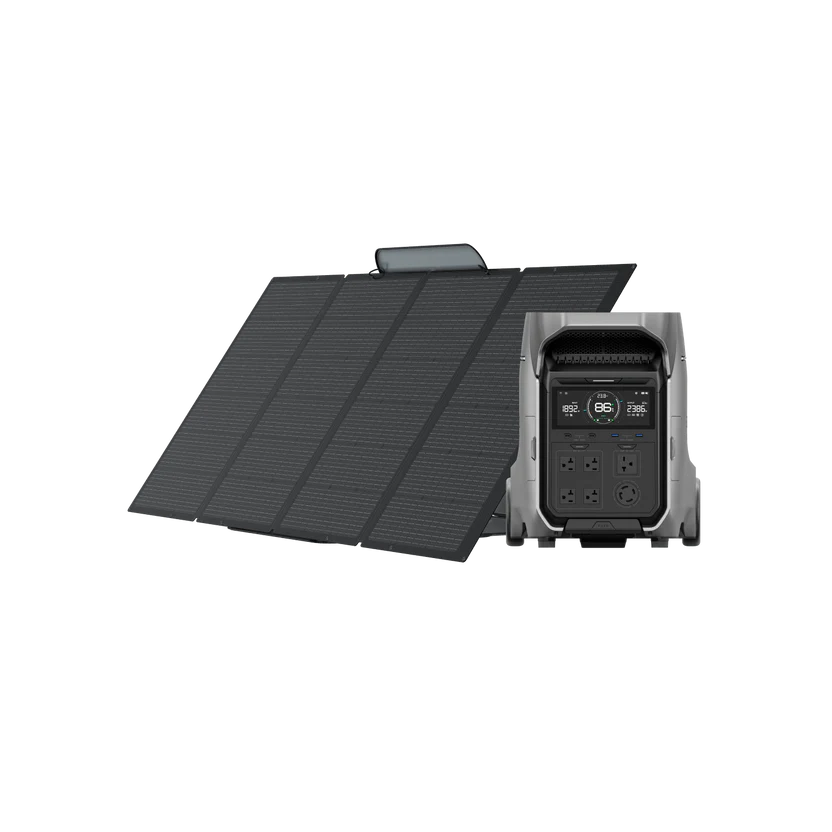
The EcoFlow DELTA Pro 3 Solar Generator offers a 4,096Wh capacity that can be expanded to up to 48kWh. Its powerful 4,000W output can continuously power your essential devices. Its scalability allows you to begin small and gradually work toward whole-home backup power.
Frequently Asked Questions
Why Is My Utility Bill So High?
Utility bills can increase due to extreme temperatures, forcing HVAC systems to work harder. Poor insulation and leaky windows allow heat to escape or enter and contribute to temperature fluctuations. Utility companies may also have increased rates due to higher fuel costs or grid investments.
How Often Do You Pay Utility Bills?
Utility bills are typically paid monthly. Homeowners receive their monthly invoice and generally have up to 20 days to pay it before late fees are incurred. In rare cases, some utility providers may use bimonthly or quarterly billing cycles.
Save Money, Improve Efficiency, Gain Resilience
Utilities are necessary for running a home, but the costs don’t have to be a burden. Invest in projects and habit changes that make your home more energy-efficient and reduce the costs of utilities.
A backup power solution can ease the load on your electrical grid, reducing utility costs. The EcoFlow DELTA 3 Max Solar Generator provides an expandable battery system that can gradually save you more as you increase capacity.
For press requests or interview opportunities, reach out to our media team
media.na@ecoflow.com