Check Out the 2026 Guide to First Come First Serve Camping
- The Core Mechanics Behind Unreserved Campground Access
- Excellent Methods to Locate Nearby Outdoor Destinations
- Smart Tactics to Secure the Best Available Locations
- Essential Gear and Supplies for Spontaneous Outdoor Trips
- Common Pitfalls to Avoid During Unplanned Weekend Excursions
- Etiquette Rules for Shared Public Outdoor Spaces
- Vehicle Preparation for Remote Travel
- Pack Your Bags And Hit The Road Today
- FAQs
Spontaneous trips offer the best way to experience the outdoors. You can skip the stress of online reservations completely. These unreserved sites reward early arrivals with excellent locations. You only need basic preparation, flexible travel dates, and exact change for fees. This approach allows nature lovers to enjoy weekend getaways easily without planning months ahead.
Five Essential Steps Before You Depart
Preparation defines the success of your spontaneous weekend. You should complete these five specific tasks before leaving your driveway to ensure a smooth and safe outdoor experience.
Verify local land regulations and active fire bans through official federal websites.
Withdraw small bills and exact change to pay on-site registration fees.
Map out at least three alternative campground locations nearby.
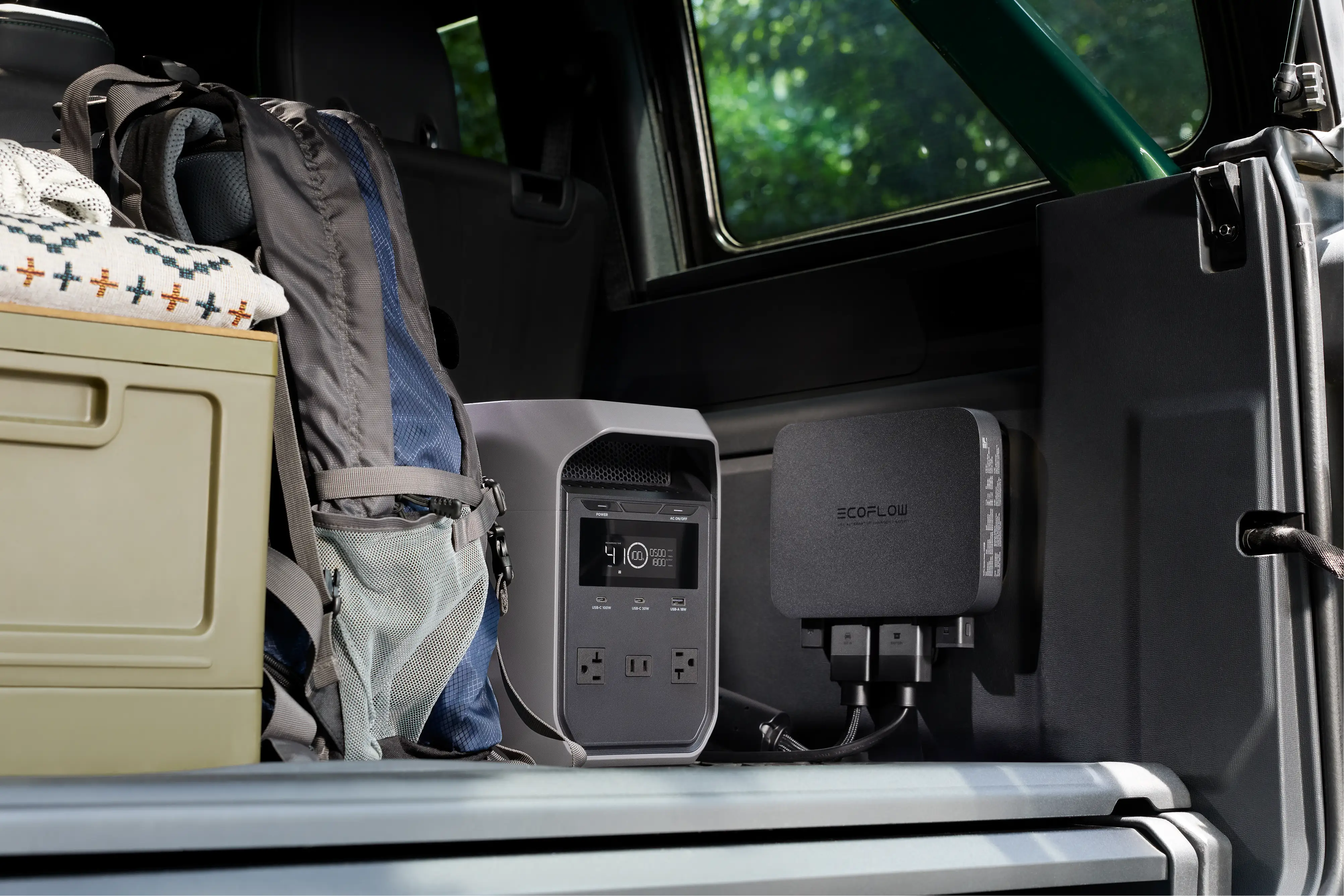
Pack complete off-grid water supplies and power stations.
Inspect your vehicle tires and fluid levels for rough dirt roads.
The Core Mechanics Behind Unreserved Campground Access
The transition past the initial appeal of spontaneous trips requires a look at the actual process. Many people wonder about the specifics of these unbooked locations. They ask themselves how does first come first serve camping work in practice. The system operates on a very simple premise. You arrive at the location, find an empty space, and pay the required fee on site. Nobody can hold a space online or over the phone. Every visitor has an equal chance to claim an open area. This structure levels the playing field for all outdoor enthusiasts. You just need to follow the posted instructions carefully.
Arrival Steps
You pull into the property and look for the main information board. This kiosk usually holds registration envelopes and a map of the area. You should drive through the loops to identify empty spaces. An empty space typically lacks a tent, trailer, or vehicle. Some places use paper tags on a wooden post to indicate occupancy. According to the US Forest Service camping guidelines, visitors typically need to leave a physical item like a tent or vehicle to establish an active claim on federal lands. A physical presence establishes your claim reliably.
Claiming Rules
You usually need to return to the entrance kiosk after leaving your item. You fill out the paper envelope with your details and place your cash inside. You tear off the receipt stub before dropping the envelope into the secure metal pipe. Finally, you clip the receipt stub to the post at your site. Park staff members patrol the area to check these stubs. They ensure everyone pays the correct amount. A missing payment stub often results in an eviction or fines within national parks. You can read the specific penalty guidelines on the National Park Service regulations page to ensure legal compliance.
Excellent Methods to Locate Nearby Outdoor Destinations
Knowledge of the rules naturally leads to the next step of finding the actual locations. You might want to type first come first serve camping near me into a search engine. This simple search frequently reveals hidden gems in your local area. Many public lands offer these types of accommodations. You can look at state parks, county recreation areas, and federal lands. Each agency handles its properties differently. The variety gives you multiple choices for your weekend trip. You can find lush forests, open deserts, or coastal beaches.
Local Parks
State and county parks frequently keep a percentage of their sites unreserved. They want to accommodate spontaneous travelers. These local spots usually offer amenities like running water and flush toilets. They sit relatively close to towns and cities. This proximity makes them perfect for quick getaways. You can often find these locations within a short drive from your house. They provide a safe environment for beginners.
Forest Lands
Federal forest areas operate differently. They consist of vast tracts of undeveloped land. These areas often feature primitive sites with no amenities. You will likely find dirt roads and simple fire rings. These spots appeal to people seeking solitude. They usually cost less than local parks. Some even allow you to stay for free. Agencies like the BLM usually require visitors to pack out all waste. You must follow the Leave No Trace principle in remote areas.
Different management agencies offer different experiences. The table below outlines typical features across various land types to help you prepare.
Land Management Type | Typical Cost | Available Amenities | Accessibility Level |
|---|---|---|---|
County Recreation Parks | Moderate | High (Water, Restrooms) | Beginner Friendly |
State Park Systems | Moderate | High (Showers, Paved Pads) | Beginner Friendly |
Federal Forest Lands | Low | Low (Vault Toilets Only) | Intermediate |
Desert Management Areas | Free | None (Completely Off-Grid) | Advanced |
These variations give you plenty of options. You can pick a location that matches your comfort level and budget perfectly.
Smart Tactics to Secure the Best Available Locations
Competition for first come first serve camping often peaks during warm summer months. You need a solid strategy to beat the crowds. A little planning goes a long way. The early bird truly gets the worm in this scenario. You have to think ahead to claim the prime waterfront or shaded spots.
Weekday Arrivals
An arrival on a Friday afternoon rarely works. Most people finish work and rush to the woods. The best strategy involves an arrival on a Wednesday or Thursday. Early morning arrivals also increase your chances. You can claim a site as the previous occupants pack up their gear. You can secure your location for the entire weekend this way. It requires some schedule flexibility.
Backup Locations
You should never rely on a single destination. Popular areas fill up rapidly. You need at least three alternative options within a reasonable driving distance. You can map out a primary target and several secondary targets. If the first place has no vacancies, you simply drive to the next one. This prevents frustration and ruined trips. You should also track how long you stay at these locations. Most federal lands enforce strict occupancy limits. You can verify the standard stay limits directly through the US Forest Service dispersed camping rules to plan your timeline properly.
Essential Gear and Supplies for Spontaneous Outdoor Trips
A successful trip with camping first come first serve means packing smartly. You cannot rely on camp stores or nearby shops. You should bring everything you need for the duration of your stay. A dedicated bin of supplies makes departure much faster. You just grab the bin and hit the road.
Payment Items
Digital payments rarely work in these remote areas. You need physical currency. You should bring a variety of small bills. Exact change is highly recommended because iron payment tubes do not give change. You might overpay if you only have large bills. A pen is also crucial. You need it to fill out the registration envelope. Many people forget a pen and have to ask strangers for one. A small pencil case in your glove box solves this problem entirely.
Off-Grid Supplies
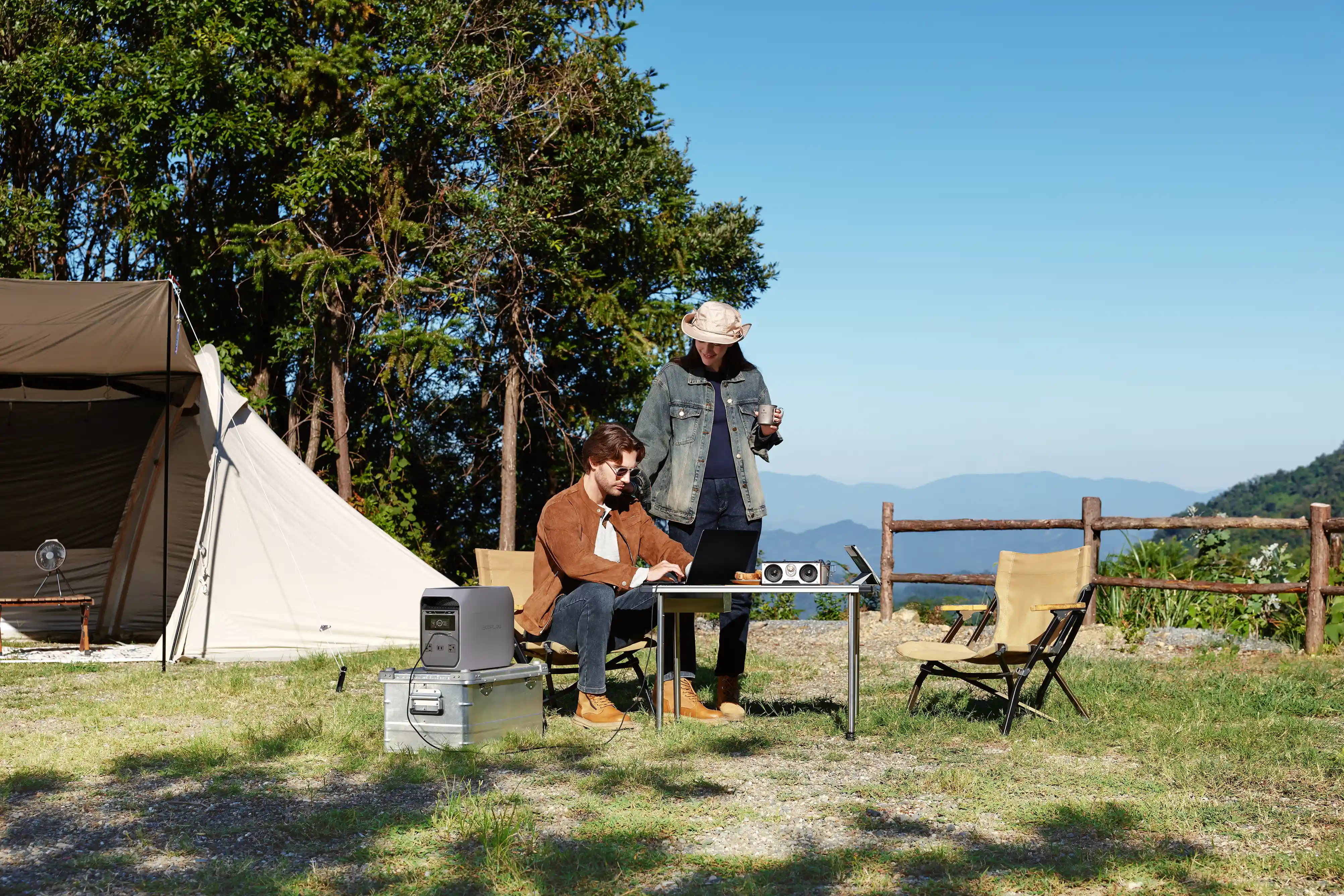
Many unreserved areas lack fresh water. You usually need to pack enough drinking and cooking water for your entire group. A reliable portable power station like the EcoFlow DELTA 3 Classic ensures your essential devices and small appliances stay fully powered during your off-grid camping adventures. You should also bring extra garbage bags. Many remote locations lack trash cans. Federal regulations generally require you to take all your waste back home with you. A physical map is highly recommended. Cell phone service often fails in rural regions. A paper map ensures you can find your way around easily.
Common Pitfalls to Avoid During Unplanned Weekend Excursions
Proper gear helps immensely, yet certain mistakes can still ruin a spontaneous weekend. Even experienced outdoor enthusiasts sometimes make basic errors. You can learn from these common missteps. A smooth trip requires attention to detail.
Late Arrivals
Many people underestimate travel time. They arrive at dusk. A late setup in the dark causes immense frustration. It also disturbs other people who are already resting. You should aim to arrive with plenty of daylight remaining. This gives you time to evaluate the area. You can spot hazards like dead tree branches or uneven ground. Daylight makes everything easier and safer. You can also cook dinner comfortably before the sun goes down.
Ignored Signage
Information kiosks contain vital details. Many visitors walk right past them. They miss warnings about bear activity or fire bans. They fail to notice specific checkout times. You should read all posted signs upon arrival. The rules change frequently based on weather conditions. Ignorance of the rules does not excuse violations. You can check the Bureau of Land Management fire restrictions page before igniting any wood, as federal authorities often issue severe fines for illegal fires during dry seasons.
Etiquette Rules for Shared Public Outdoor Spaces
Good behavior ensures everyone has a pleasant experience. Public lands belong to all citizens. We share a responsibility to protect them and maintain a peaceful environment. Courtesy toward neighbors goes a long way in tight quarters.
Noise Management
Sound travels surprisingly far in quiet environments. You might think you are speaking softly. Your neighbors can probably hear every word. Acoustic guitars and portable speakers cause frequent conflicts. Most areas enforce quiet hours starting at dusk. You should respect these rules completely. You can enjoy the natural sounds of the environment instead. A quiet evening allows everyone to sleep well.
Space Boundaries
Unreserved areas sometimes lack clear property lines. You should exercise good judgment. You should avoid walking through another person's occupied area. You should keep your vehicles and gear within your designated space. Unrestrained animals cause anxiety for other visitors and local wildlife. Respect for personal boundaries fosters a friendly atmosphere. If you encounter an emergency or dangerous wildlife crossing these boundaries, you should follow the National Park Service safety protocols and contact local rangers immediately.
Vehicle Preparation for Remote Travel
A reliable vehicle is crucial for reaching secluded destinations. Dirt roads and steep inclines test your car's limits. You should prepare your transportation for harsh conditions.
Maintenance Checks
You should check your tire pressure before leaving home. Soft tires reduce fuel efficiency and increase blowout risks. You need good tread depth to navigate muddy forest service roads. Fluid levels also require attention. You should top off your oil, coolant, and windshield washer fluid. A remote breakdown ruins the entire weekend. A quick inspection prevents major headaches later.
Packing Logistics
Weight distribution matters on uneven terrain. You should place heavy items low in the trunk. This lowers the center of gravity. A lower center of gravity improves vehicle stability. You should secure loose gear tightly. Loose coolers can damage your interior or break windows. A roof rack provides extra space for bulky items like tents and chairs. You must strap everything down securely. Careful packing ensures you arrive safely.
Pack Your Bags And Hit The Road Today
Spontaneous outdoor adventures offer immense freedom and joy. You possess the knowledge to find perfect spots and secure them easily. Preparation and flexibility guarantee a memorable trip into nature. Gather your exact change, load your vehicle, and escape the busy city life. Your next great adventure awaits just a short drive away. Take advantage of today.
FAQs
Q1: Can someone else hold an empty site for me if they arrive earlier?
No, physical presence is generally mandatory on federal lands. Park regulations typically prohibit the reservation of adjacent spots for friends or family members who have not yet arrived with their own equipment.
Q2: Do unreserved campsites offer electrical or water hookups for recreational vehicles?
Rarely, as these locations cater primarily to off-grid travelers. The vast majority of these areas provide only dry spots without direct utility connections, though some state parks might occasionally offer limited hookups.
Q3: Are pets allowed to roam freely around the campsite area?
No, strict leash laws usually apply. Park rangers on Pets (U.S. National Park Service) typically require all domestic animals to remain on a physical leash no longer than six feet to protect local wildlife.
Q4: What happens if a previous occupant leaves their trash or gear behind?
You should report the situation to a ranger immediately. You should usually avoid touching or moving abandoned property yourself so authorities can document the situation properly.
Q5: Are generators permitted to run throughout the entire day and night?
No, strict operating windows generally exist. The US Forest Service typically restricts generator operations to specific daytime hours to maintain a peaceful environment for all guests.
Disclaimer:
This guide provides general information for outdoor planning purposes. Campground rules and site availability change frequently. Fire restrictions, occupancy limits, and local fees vary widely by season and specific location. We strongly recommend verifying all current conditions directly with the local land management agency before starting your trip. Please visit the official NPS.gov Homepage (U.S. National Park Service) or respective federal land portals for authoritative updates, emergency protocols, and specific public land regulations mentioned in this article.
For press requests or interview opportunities, reach out to our media team
media.na@ecoflow.com