Wild Camping for Beginners: What It Is, Tips, and Complete Kit List
- What is Wild Camping and Why it Appeals
- Is Wild Camping Legal in the United States?
- Picking the Best Wild Camping Location
- Necessary Wild Camping Tips for Beginners
- Complete Backcountry Gear and Camping Kit List
- Avoiding Common Mistakes in the Backcountry
- Start Your Wild Camping Adventure
- FAQs for New Wild Campers
Sleeping under the stars in remote wilderness locations offers a level of peace that traditional campgrounds cannot match. This way of spending time outdoors lets you decide where to call home for the night, away from crowds and noise. This resource helps you start your adventure with confidence. You will learn the rules of the land, how to pick a safe spot, and what gear to carry for a successful trip.
What is Wild Camping and Why it Appeals
Wild camping is staying in remote areas without facilities. Unlike car camping, there are no toilets, taps, or paved pads. You carry everything required for survival and pack out all trash. This style offers total immersion in nature and demands self-reliance. You must manage your own food, water, and safety in places where help is far away.
The appeal lies in the silence and the challenge of taking care of yourself. Without park rangers or neighbors nearby, you rely on your own skills to navigate and set up camp. This experience requires you to know how to manage food, water, and shelter in an environment where help is often hours away.
Is Wild Camping Legal in the United States?
Different government agencies manage public lands, and each one has its own specific rules for where and how long you can stay.
Federal Public Lands
National Forests and Bureau of Land Management (BLM) lands offer the most freedom.
Most BLM areas allow camping for up to 14 days within a 28-day period.
National Forests permit dispersed camping, but you must check maps for open roads and closed zones.
National Parks are stricter and usually require a backcountry permit. Many parks use lottery systems for these spots. Designated Wilderness Areas also allow camping but often require permits to limit the number of visitors.
State and Private Lands
State laws change depending on the location. Some state parks offer free remote spots, while others restrict you to specific sites. Camping on private land is only legal with direct permission from the owner. To find accurate rules, call a local ranger station or check official government websites.
Leave No Trace Principles
To keep these lands open, you must follow seven core rules:
- Plan Ahead: Check the weather and the local rules prior to leaving.
- Use Durable Surfaces: Pitch your tent on rock, gravel, or dry grass rather than fragile flowers.
- Waste Management: Dig a "cat hole" 6 to 8 inches deep for human waste and keep it 200 feet from water.
- Leave What You Find: Take only photos and leave rocks or old artifacts where they are.
- Minimize Fire: Use a small stove instead of a big campfire to prevent wildfires.
- Respect Wildlife: Watch animals from a distance and never feed them.
- Be Kind: Keep noise low to protect the quiet of the woods for everyone else.
Following these rules protects the environment and ensures authorities keep these areas open for everyone.
| Agency | Primary Regulation | Typical Stay Limit | Access Restrictions |
| BLM | 14/28 Day Rule | 14 Days | Very Low |
| USFS | MVUM Guidelines | 14 Days | Moderate |
| NPS | Backcountry Permits | Variable (Often 1-3 nights) | High |
| Wilderness Area | Non-motorized Only | Variable | Very High |
Picking the Best Wild Camping Location
A good campsite keeps you dry and safe from the potentially risky elements.
Find a Legal Spot
Use maps or apps to confirm you are on public land. Check for seasonal closures and permit rules. Local land offices provide the most accurate data on where you can stay legally.
Pick the Right Ground
Safety is the priority.
- Avoid "widow-makers," which are dead branches that might fall.
- Stay out of dry creek beds to avoid flash floods.
- Look for flat ground so you do not slide during sleep.
- Find natural windbreaks like large rocks or thick trees for shelter.
- Set up your tent 200 feet from water to protect the environment and give animals space.
- Use durable surfaces like dirt or gravel to avoid crushing plants.
Stay Safe Around Wildlife
Different regions have different animals like bears, cougars, or rattlesnakes.
- In bear country, use a hard-sided canister for food and trash.
- Place your food container at least 100 feet away from your tent. Never keep food or scented items inside your tent, as this is the most common cause of animal trouble.
- If you see a large animal, keep your distance and do not run.
Necessary Wild Camping Tips for Beginners
Confidence in the woods comes from practice and small successes.
Start Small
Practice setting up your tent and lighting your stove in your backyard first. Take short overnight trips to nearby parks to test your gear. Learning your equipment at home prevents stress when you are in the woods.
Weather and Safety
Check the forecast across multiple sources. Pack extra layers for the worst-case scenario. If a storm becomes dangerous, head back early. Always tell a friend your exact route and when you will return. Carry a paper map and a compass in case your phone battery dies. A satellite messenger is helpful for emergencies in areas without cell service.
Water and Food
Plan to drink half a liter of water for every hour of hiking. Use a filter or purification tabs for water from streams to avoid getting sick. For meals, choose lightweight, high-calorie foods like dehydrated packs. Store all food and trash in a bear canister away from your tent to keep animals away.
Staying Dry and Warm
You will likely get wet at some point. Avoid cotton clothing because it stays wet and makes you cold. Pack a set of dry clothes in a plastic bag to keep them safe for sleeping. Recognize signs of hypothermia, such as shivering or confusion, and change into dry layers immediately if you feel too cold.
Complete Backcountry Gear and Camping Kit List
Your gear is what keeps you warm and safe when you are miles from town. A complete camping kit should be lightweight enough to carry for miles but strong enough to handle wind, rain, and cold nights.
Sleeping and Shelter
A lightweight backpacking tent is the best choice for shelter. Bring 9-inch stakes for high winds and a groundsheet to protect the tent floor. Your sleeping bag should be rated 10 degrees colder than the lowest expected temperature. Use an insulated sleeping pad to block the cold ground and an inflatable pillow for comfort.
Backpack and Clothes
- Backpack: 50-65L for multi-day trips
- Dry bags or pack liner: Waterproof protection for gear
- Stuff sacks: Organize clothing and equipment
- Base layers: Moisture-wicking top and bottom
- Insulation layer: Fleece or down jacket
- Outer layer: Waterproof/breathable rain jacket and pants
- Extra socks and underwear: Minimum 2-3 pairs
- Hat and gloves: Even in summer for cold nights
- Sun protection: Hat, sunglasses, buff/bandana
Cooking and Water
Carry a small canister stove, fuel, and a single pot with a spoon. Pack high-calorie dehydrated meals and snacks. For water, carry a 2-3L reservoir and a reliable filter or purification tabs. Always have a backup way to clean water in case your primary filter breaks.
Navigation and Safety
Keep a physical map and compass in a waterproof bag. Use a phone with offline maps as a backup. Bring a headlamp with extra batteries and a basic first aid kit for cuts or blisters. A multi-tool, emergency whistle, and a space blanket are important for safety.
Hygiene and Tools
Carry a small trowel to bury human waste 6-8 inches deep. Bring toilet paper, hand sanitizer, and a small toothbrush. Use a trash bag to pack out every piece of waste you create. A small repair kit with duct tape can fix broken poles or torn fabric.
Extra Items
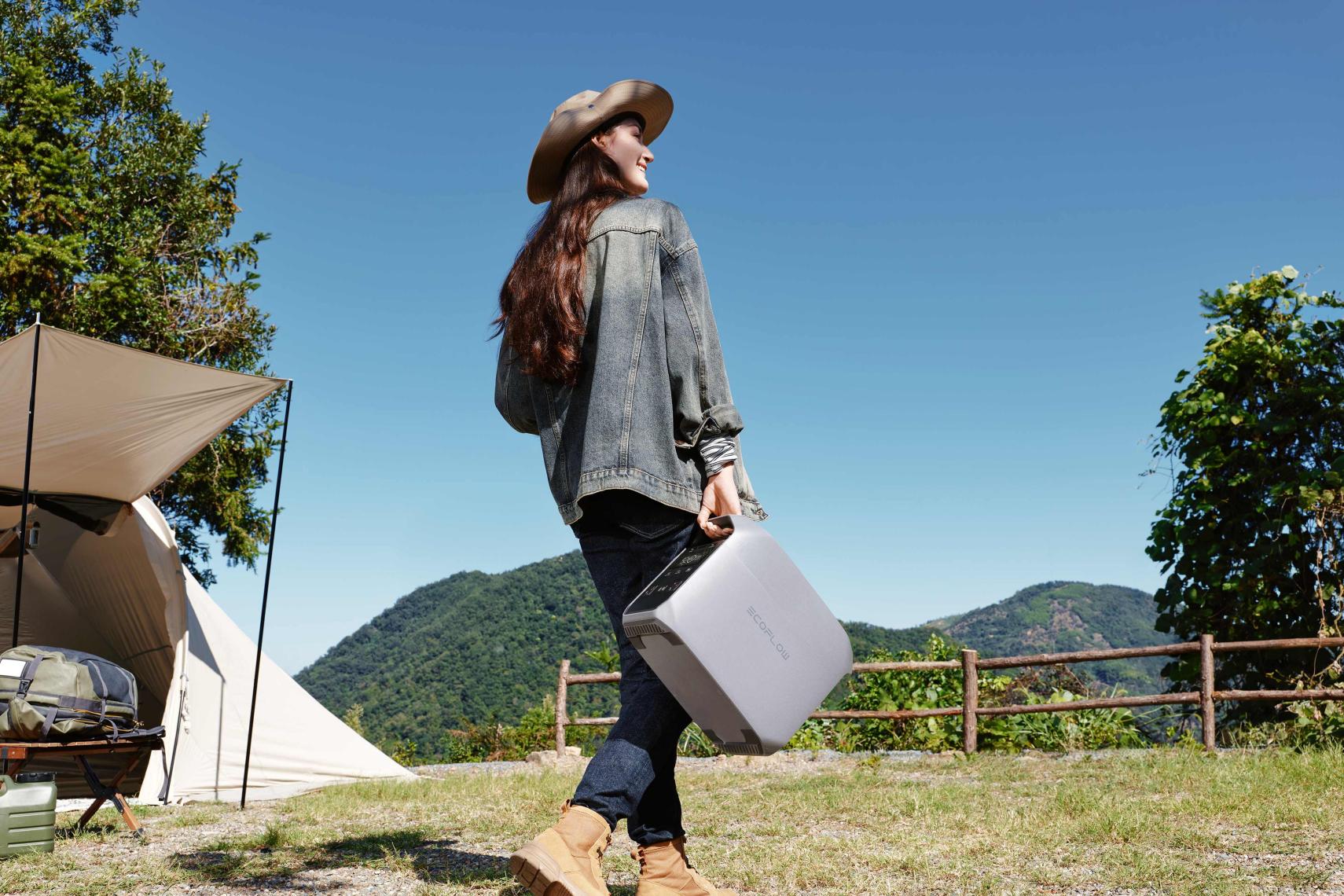
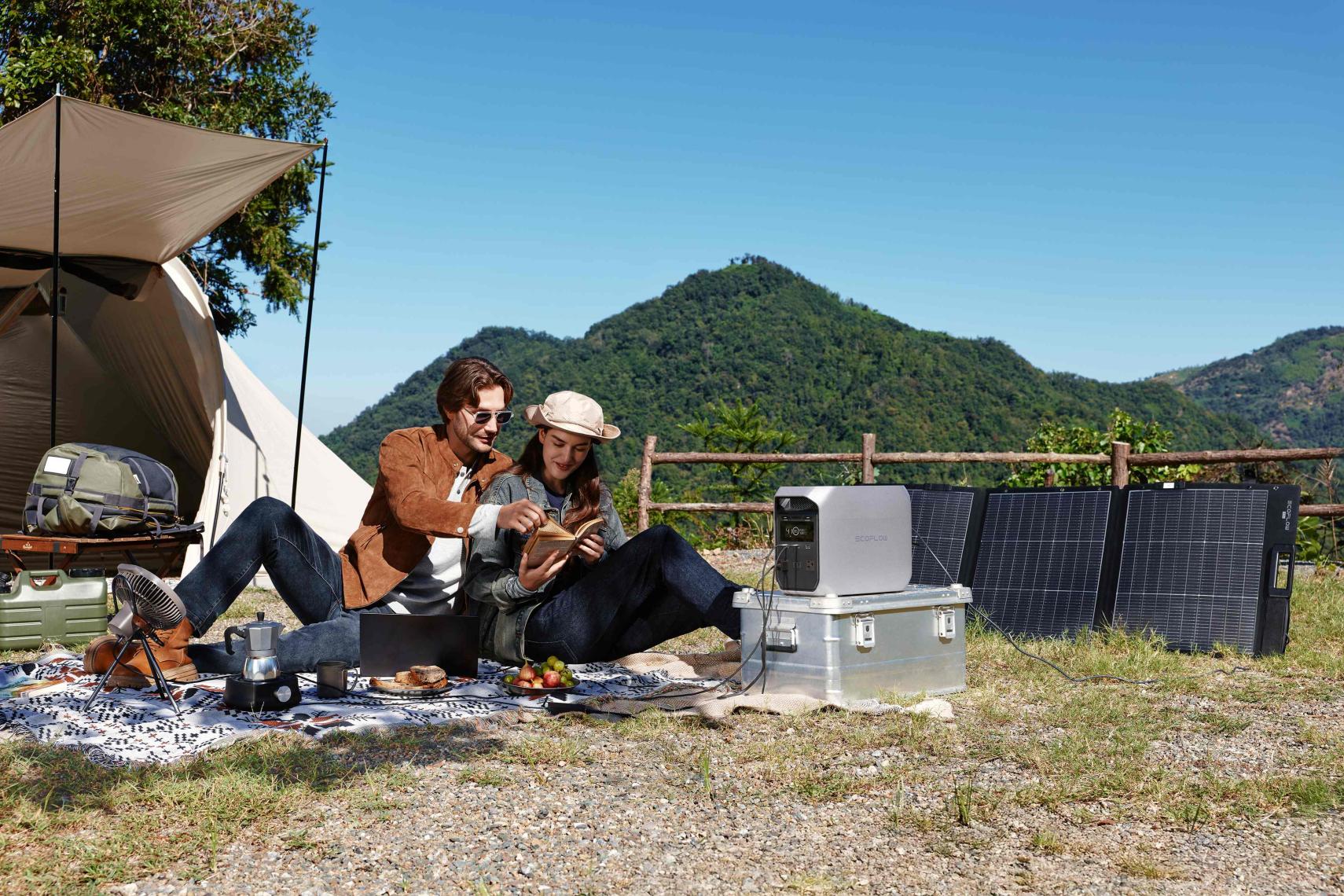
To ensure power throughout your trip, a portable camping power station or a folding solar panel can be crucial for keeping your electronics charged on longer excursions.
EcoFlow offers a variety of portable power stations that are ideal for multi-day camping trips. These devices typically feature high energy capacities and solar input capabilities to recharge during the day. They can easily support essential devices like phones, GPS, and headlamps. Fast-charging technology allows for quick recharges, and their rugged design ensures they’re ready to withstand extreme weather.
If you're considering RV for wild camping, you'll need a larger portable power station to meet the demands of extended off-grid living. For those situations, you can't miss out on the DELTA Pro 3 Portable Power Station, a highly versatile and powerful option designed to handle the needs of both home and outdoor settings.
The EcoFlow DELTA Pro 3 is an expandable power station, with capacity ranging from 4kWh to 48kWh, allowing you to power everything from a single day of camping to an entire week of home power during outages. It delivers both 120V and 240V outputs, with a maximum of 4000W, which means it can power large appliances like a 3-ton central AC unit, alongside smaller devices. Its exclusive X-Boost technology allows the DELTA Pro to exceed its rated output, providing up to 6000W when needed, making it an incredibly powerful tool for any scenario.
Avoiding Common Mistakes in the Backcountry
New campers often make simple errors that can lead to heavy packs or unsafe situations.
Overpacking and Site Selection
Many beginners "pack their fears" and bring too many redundant items, making their pack too heavy. Another mistake is picking a site for the view but forgetting that it is exposed to high winds. Always prioritize a flat, sheltered spot over a pretty vista to ensure a good night of sleep.
Safety and Emergencies in Remote Areas
Being ready for a problem is a key part of being a smart camper. You should always have a plan for what to do if the weather turns dangerous or if someone gets hurt while on the trail.
Communication and Planning
Tell a reliable friend your exact route and when you plan to return. A satellite messenger is a smart tool that lets you send texts even without cell service. It can be a lifesaver if you need to call for a rescue in a remote area.
Turning Back and First Aid
There is no shame in heading back early if you encounter severe weather or equipment failure. Knowing basic first aid for blisters, cuts, and sprains is a key skill for every hiker. The wilderness will always be there for you to try again another time.
Start Your Wild Camping Adventure
Sleeping far from crowds gives you a rare kind of peace. You gain a real bond with the land by relying on your own skills and following simple rules. Respect the environment, pack the right gear, and take your first step into the woods. The quiet of the backcountry is waiting. Pick a date, check your map, and head out to find your own remote spot under the stars.
FAQs for New Wild Campers
Q1: Is wild camping safe for solo beginners?
It can be safe to go solo, especially if you prepare well. For beginners, it's recommended that you go with a partner on the first few trips to build confidence. If you are going solo, choose a popular route and inform a friend of your exact plans. Carry a satellite messenger so you can call for help in an emergency. For your first few trips, it's also recommended to keep campsites short and close to your car so you can practice your skills in a lower-stress environment.
Q2: What do I do if I encounter a bear?
Make noise while hiking by talking or clapping so you do not surprise a bear. If you see one, do not run. Stand your ground, talk in a calm voice, and back away slowly. Keep your bear spray in an easy-to-reach spot on your belt. Most bears leave once they realize a human is nearby. Proper food storage in a canister prevents these encounters from happening at your campsite.
Q3: Can I camp anywhere in National Forests?
Most National Forest land is open for dispersed camping, but you must follow specific rules. You usually need to stay at least 100 to 200 feet away from trails, water sources, and developed campgrounds. Most areas allow stays up to 14 days. Always check local ranger maps to see which forest roads are open for vehicles. You must also check for current fire bans to avoid starting a wildfire.
For press requests or interview opportunities, reach out to our media team
media.na@ecoflow.com