Colorado Camping Guide 2026: Best Sites and Off-Grid Power Setup
- Where to Camp in Colorado in 2026: Campgrounds vs Dispersed Sites
- Colorado Camping Rules and Planning Basics to Know Before You Go
- Off-Grid Power for Camping: What It Is and Why It Matters in Colorado
- Build Your Off-Grid Power Setup: Components, Sizing, and Daily Energy Budgeting
- Choosing a Portable Solar Generator for Colorado Trips
- Frequently Asked Questions
- Camp Longer, Stay Comfortable, and Keep It Quiet Off-Grid
Colorado offers some of the most varied camping terrain in the U.S., from alpine lakes to red-rock canyons. Whether you’re looking for an exciting getaway at a developed campground or true solitude at a dispersed site, planning is a must.
This guide covers everything you need to know about Colorado camping in 2026: where to camp, what rules to know, and how to set up an off-grid power system.
Where to Camp in Colorado in 2026: Campgrounds vs Dispersed Sites
Colorado offers a range of camping options, from established campgrounds with full amenities to secluded areas for primitive camping.
Depending on the area, developed campgrounds are managed by the Colorado Parks and Wildlife (CPW), the US Forest Service (USFS), or the Bureau of Land Management (BLM). The CPW manages campsites across state parks, the USFS manages sites within national forests, and the BLM oversees camping on public lands.
Developed campgrounds offer amenities such as water hookups, toilets, fire rings, picnic tables, and trash collection. Popular sites include Rocky Mountain National Park, Ridgway State Park, and Mueller State Park.
Dispersed camping involves pitching a tent or parking an RV on undeveloped public land away from designated campgrounds. This option is free and offers seclusion, but comes with no amenities, so you must provide your own water, power, and waste management. Popular sites include the Arapaho and Roosevelt National Forests, Lost Creek Wilderness, and San Isabel National Forest.
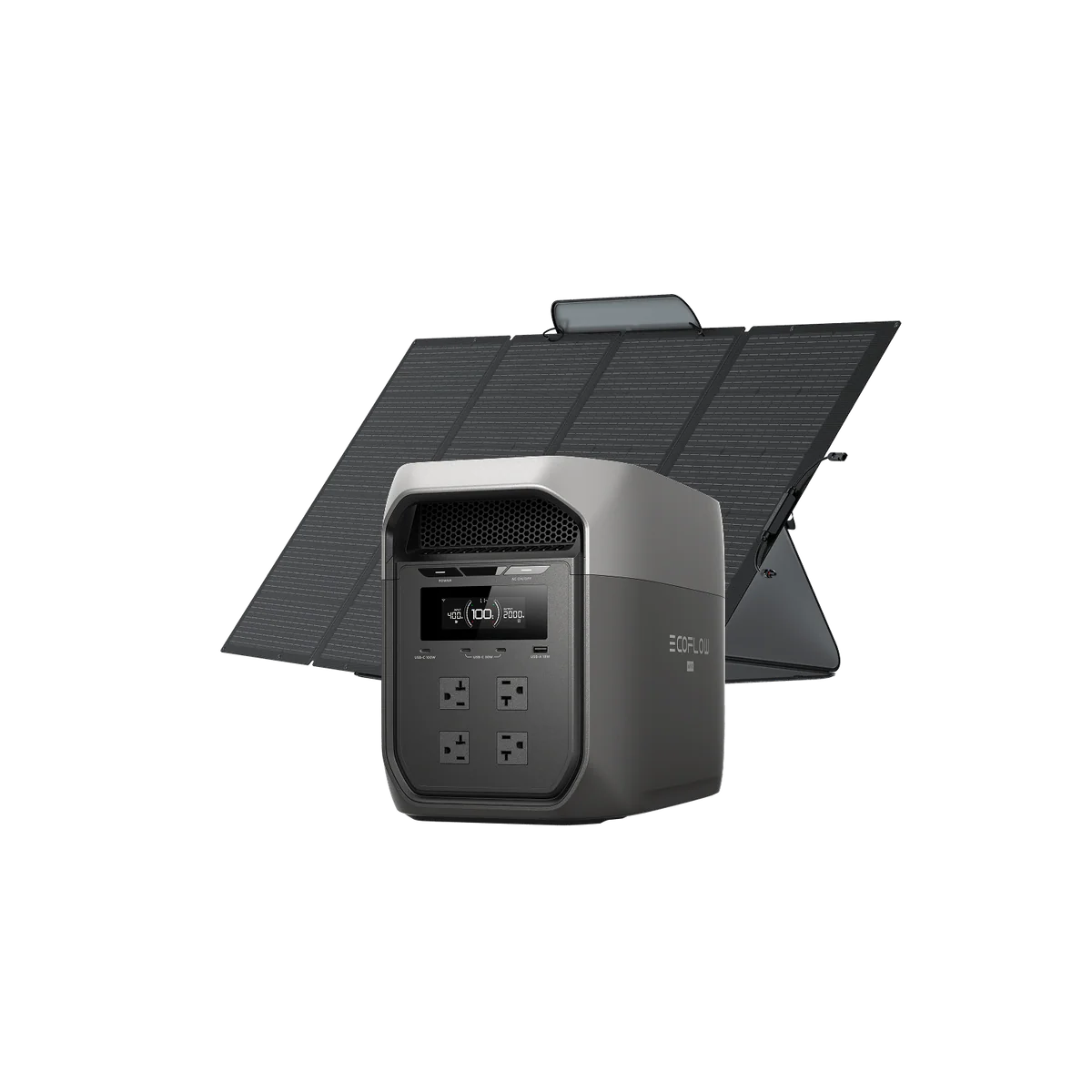
The EcoFlow DELTA 3 Max Solar Generator + 400W Solar Panel is a compact, quiet solution for exactly this — enough capacity to run lights, keep devices charged, and power a camp fridge across a multi-day trip without a hookup or gas generator.
Colorado Camping Rules and Planning Basics to Know Before You Go
Regardless of your preferred camping method, be aware of the key rules and regulations that govern your campsite. You may not camp at any one location longer than 14 days within any 28 days, whether those 14 days are consecutive or spread across the 28 days. After 14 days, you must move at least 30 miles away from the previous location.
You must not leave any personal property on the vacated campsite, including waste, nor leave it unattended for more than 48 hours. Dispersed campers must set up at least 100 feet away from water sources, trailheads, and roads. Check for any local fire restrictions before lighting a campfire, and thoroughly extinguish the fire until it’s cool to the touch.
Aside from the rules, there is plenty of planning necessary for a successful trip. Check road conditions and carry a paper map of the campsite, as cell service is unreliable in many areas. Practice Leave No Trace Principles, packing out all trash, burying human waste, and respecting wildlife.
Off-Grid Power for Camping: What It Is and Why It Matters in Colorado
Off-grid power refers to a system that generates, stores, and delivers electricity without connecting to a utility grid. It allows you to keep essentials charged, including navigation systems, communication devices, lights, and food storage appliances.
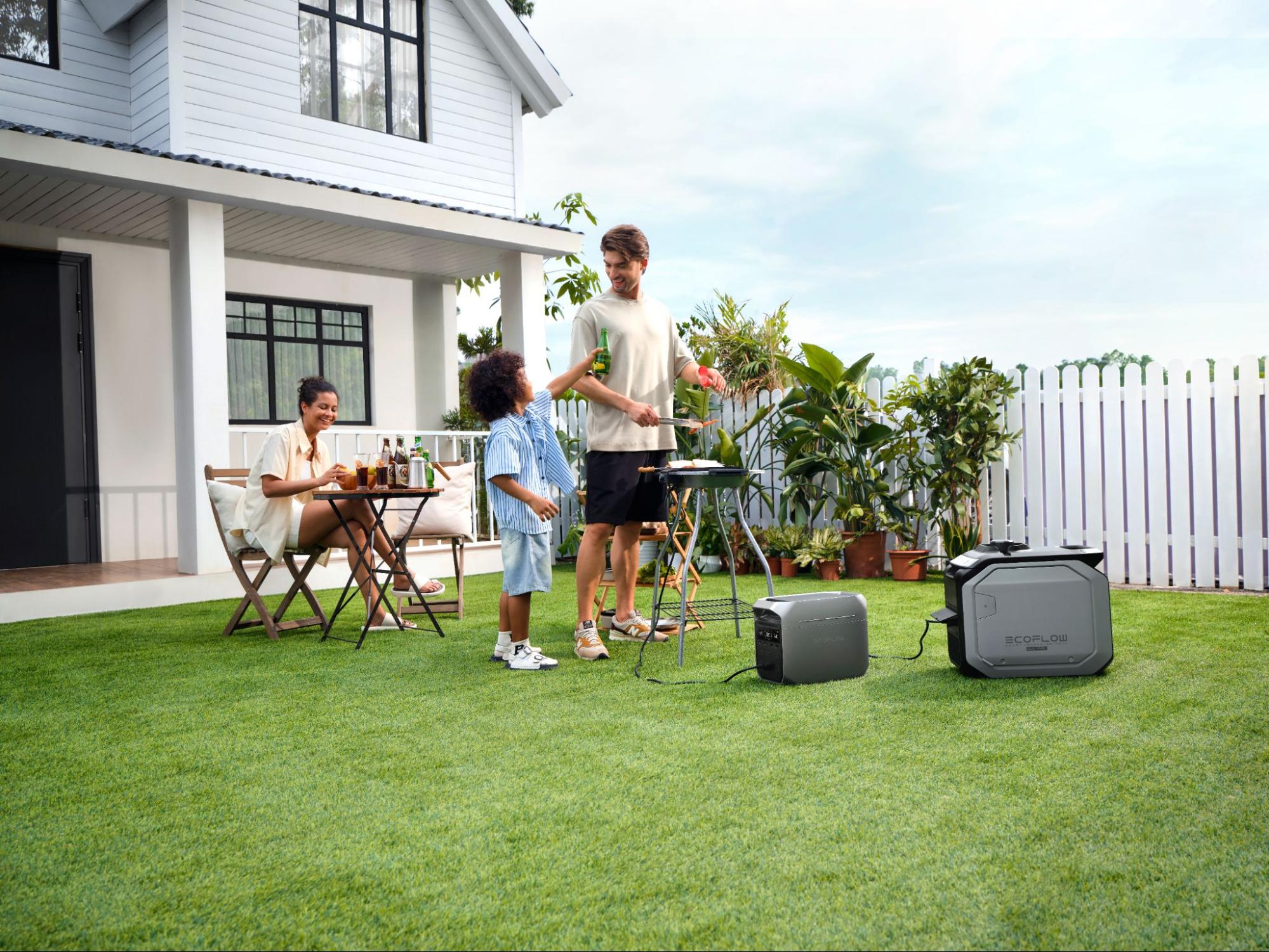
Dispersed campsites have no electrical hookups, so campers must provide their own power. Generators are often prohibited in wilderness areas and discouraged in developed campgrounds. Therefore, off-grid power for campers typically looks like portable solar panels with battery storage. Unlike gas generators, they run silently and produce no fumes.
The EcoFlow DELTA 3 Max Solar Generator + 400W Solar Panel is a lightweight unit with 2400W output and 2048Wh capacity, enough capacity to run lights, a camp fridge, and keep devices charged through a multi-day trip. It supports rapid solar charging and uses LiFePO4 battery chemistry to provide reliable power in less-than-ideal conditions.
Build Your Off-Grid Power Setup: Components, Sizing, and Daily Energy Budgeting
An off-grid power setup typically consists of four key components: a solar panel to harvest sunlight, a charge controller to regulate current, a battery bank to store energy, and an inverter to convert DC power into usable AC power. However, modern portable solar generators integrate these components to provide a simple power solution.
To size your off-grid power system, create a daily energy budget. List every device you plan to run, its wattage, and how many hours per day you plan to use it. For example, running 10W LED lights for 4 hours a day results in 40Wh per day.
Once you have your total energy demands, add 20-30% to account for inefficiency and cloudy conditions. That total provides a rough estimate for your minimum battery capacity in watt-hours (Wh).
Choosing a Portable Solar Generator for Colorado Trips
Portable solar generators are the simplest solution to your Colorado camping power needs. Consider capacity, output, charging speed, and battery chemistry to pick the ideal unit for you.
Match the unit’s capacity to your energy budget. Ensure output is high enough to support the appliances you plan to run simultaneously. Look for units with fast solar charging to make the most of short sunny periods. Prioritize units with lithium iron phosphate (LiFePO4) batteries that perform better in extreme temperatures compared to standard lithium-ion batteries.
Frequently Asked Questions
How Much Power Do I Need for a 3-day Colorado Camping Trip?
For a short trip, 500Wh is often enough to power essentials (i.e., phones and lights). Running small appliances will require at least 1,000Wh with a 200W solar panel.
Can Solar Power Work in Colorado Forests and Mountain Weather?
Yes, with the right setup. Colorado’s high elevation actually improves solar efficiency due to the thinner atmosphere. However, dense forest canopy and cloudy conditions can reduce intake. Position panels in an open clearing angled toward the south, and take advantage of peak sunlight between 10 a.m. and 2 p.m.
Is Dispersed Camping Legal in Colorado, and How Long Can You Stay?
Dispersed camping is legal on most national forest and BLM land in Colorado. You can stay up to 14 days within 28 days, after which you must move at least 30 miles away from the previous campsite.
What Are the Safest Ways to Run and Charge Batteries at High Elevation and Cold Nights?
Cold temperatures reduce battery efficiency. To maximize its performance, store the power station inside your vehicle or tent to keep the unit at a safe temperature. Choose LiFePO4 battery chemistry, which operates across a wider temperature range than standard lithium-ion. [1]
Camp Longer, Stay Comfortable, and Keep It Quiet Off-Grid
Colorado rewards those who research and plan accordingly. Established campgrounds can provide a pleasant experience, while dispersed camping can be transformative for those who explore and connect with nature.
Invest in the ideal off-grid power setup with EcoFlow. EcoFlow DELTA Solar Generators offer a range of capacities, outputs, and expandability to accommodate your camping trip.
References
[1]
https://www.batteriesplus.com/blog/power/lithium-batteries-cold
https://www.relionbattery.com/knowledge/how-do-lifepo4-batteries-perform-in-cold-temperatures
For press requests or interview opportunities, reach out to our media team
media.na@ecoflow.com