Family Camping Essentials 2026: Gear, Tech & Packing Checklist for a Comfortable Trip
- Why Family Camping is the Perfect Outdoor Adventure
- The Core Gear: Tents and Sleeping Solutions
- The Modern Camp Kitchen: Cooking and Dining Essentials
- Camping Tech: Powering and Enhancing Your Adventure
- Comfort and Safety for the Whole Family
- Pro Tips for a Stress-Free Campsite Setup
- The "Last 5 Minutes" Final Check: Don't Leave Without These
- The Ultimate Family Camping Packing Checklist (Quick-Ref Guide)
- Conclusion
- FAQ
Leaving the city lights behind for a weekend under the stars is one of the simplest ways for families to reconnect. Whether you’re heading toward the rugged trails of the Rockies or setting up camp beside a quiet lake in the Adirondacks, family camping offers a chance to unplug and spend real time together outdoors. Campfires, fresh air, and slower mornings often turn these trips into some of the best memories of the year.
At the same time, a comfortable camping trip takes a little preparation. Without the right gear, “roughing it” can quickly lose its charm, especially when kids are involved. This guide walks through the essentials, from durable family tents to practical camping tech that keeps your devices powered when you’re off the grid, helping your outdoor getaway feel organized, comfortable, and enjoyable for everyone.
Why Family Camping is the Perfect Outdoor Adventure
In a world filled with screens and packed schedules, camping gives families a chance to slow things down. It’s more than just sleeping outdoors. It’s teaching kids how to build a small campfire, roasting s’mores together without phones buzzing, and waking up to cool morning air drifting through the trees.
Across the United States, families are fortunate to have access to an incredible network of National Parks and state campgrounds. From forest campsites in the Pacific Northwest to lakefront spots in the Adirondacks, these places make it easy for families to spend time outside and create memories that stick long after the trip ends.
The Core Gear: Tents and Sleeping Solutions
Your campsite becomes your family’s home for the weekend, so starting with the right shelter and sleeping setup makes a huge difference. If kids wake up cold, cramped, or uncomfortable, the entire trip can quickly lose its fun. Integrating a quiet solar generator into your basecamp allows you to maintain the comforts of home while ensuring everyone stays rested and ready for the next day’s adventures.
Weather-Resistant Family Tent
Skip the flimsy pop-up tents that struggle in wind or rain. A sturdy cabin-style family tent with enough ceiling height to stand up makes campsite life far easier, especially for parents helping kids change clothes. Many modern models also include dark-room fabric technology, which helps block early morning sunlight so the whole family can sleep a little longer, sometimes even past 6:00 AM, which every camping parent appreciates.
Premium Sleeping Gear
Thin foam pads may work for minimalist backpacking, but family camping calls for better comfort. Self-inflating sleeping pads, air mattresses, or double-wide sleeping bags designed for couples provide much better support through the night. A comfortable sleep setup helps everyone wake up rested and ready for a full day of hiking, fishing, or exploring the campground.
The Modern Camp Kitchen: Cooking and Dining Essentials
Camp cooking has come a long way from opening a can over a fire. With the right setup, meals at the campsite can easily become one of the highlights of the trip. A well-organized camp kitchen makes it easier to cook for the whole family while keeping things simple and enjoyable outdoors.
Portable Cooking Stations
A reliable two-burner propane stove is still the go-to choice for many campers. It provides enough control to cook multiple items at once, flipping pancakes for the kids while heating water for morning coffee. This type of stove is easy to pack, quick to set up on a picnic table, and dependable for preparing everything from breakfast to late-night hot chocolate.
High-Efficiency Cooling
Keeping food fresh is just as important as cooking it. Instead of relying on melting ice bags, many families bring a rotomolded cooler or a portable electric fridge. These options maintain colder temperatures for longer, which helps keep meats, dairy, and drinks properly chilled throughout the trip. A dependable cooling setup can make the difference between constant ice runs and a relaxed, stress-free camping weekend. Since electric coolers require consistent energy, understanding the key factors in choosing a camping power station can help you avoid common mistakes and keep your food at the right temperature.
Camping Tech: Powering and Enhancing Your Adventure
Even when you’re far from town, having reliable power can make camping easier and safer. Families often rely on power for simple things like charging phones, taking photos, running small lights, or keeping devices ready for the drive home. A dependable energy source has quietly become an important part of many modern campsites.
Portable Power Solutions
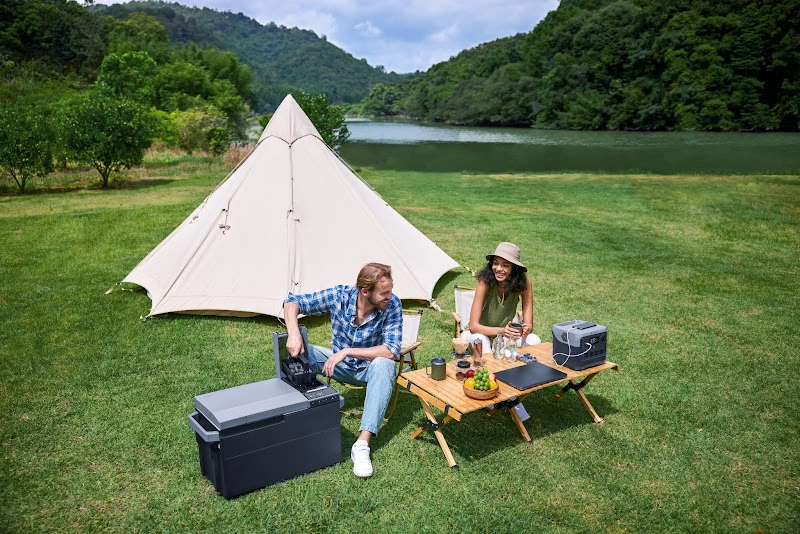
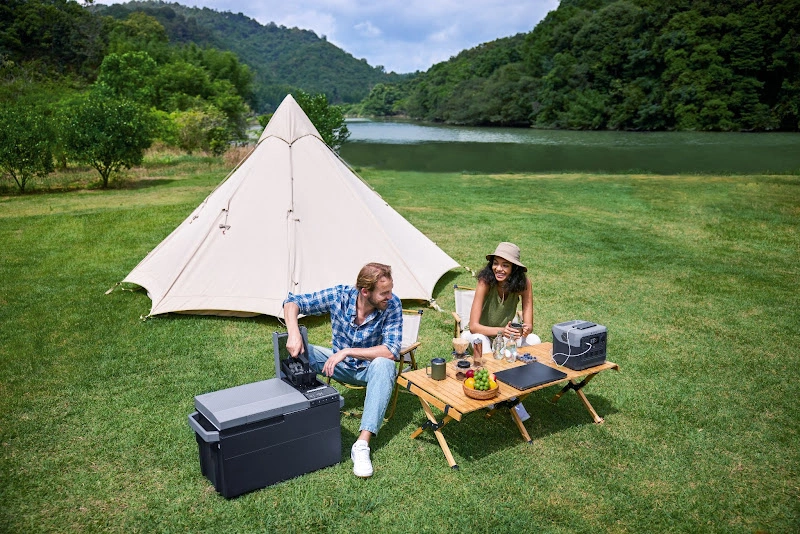
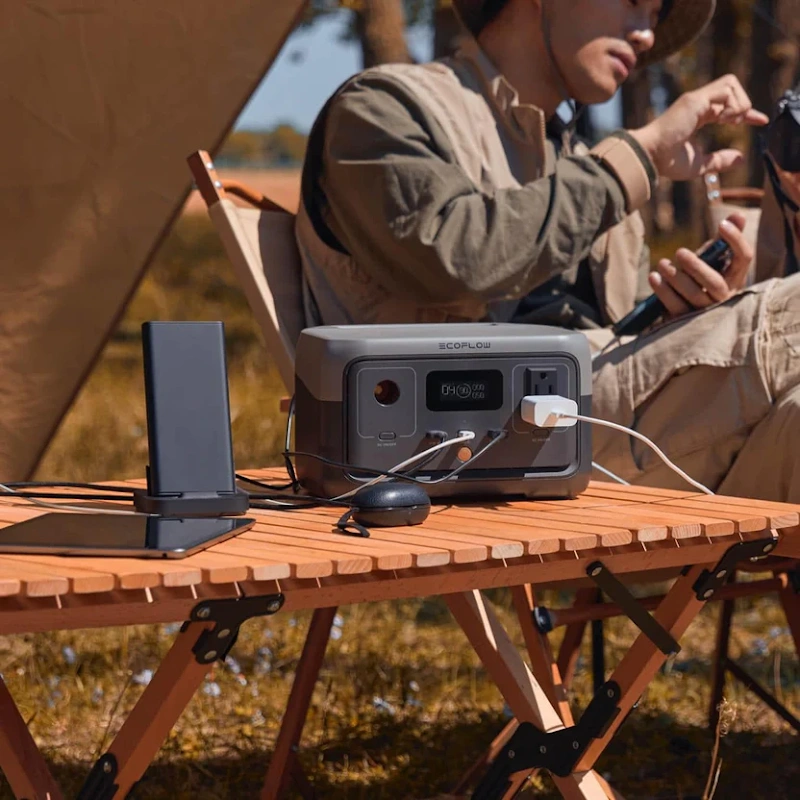
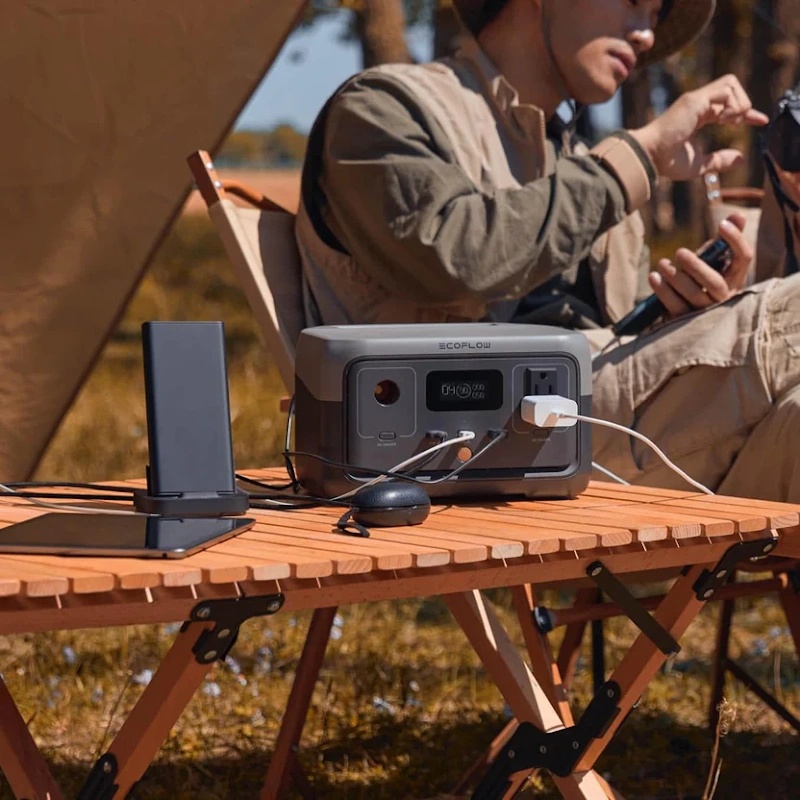
For short weekend camping trips, a compact power station like the EcoFlow RIVER 2 Portable Power Station works well for everyday needs. It’s lightweight enough to carry with one hand and provides plenty of power for charging phones, tablets, cameras, or small lights around the campsite. Many campers also use it to run warm LED string lights during dinner, which can make the campsite feel comfortable and welcoming after sunset.
For longer trips or families setting up a more comfortable “glamping” style campsite, the EcoFlow DELTA 2 Max Portable Power Station offers much higher output and longer runtimes. It operates quietly and can power larger appliances such as an electric kettle, coffee maker, or small portable heater. With optional solar panels, it can also recharge during the day, allowing families to maintain power while spending multiple days off-grid.
Smart Lighting and Climate Control
Good lighting improves both comfort and safety at night. Rechargeable LED lanterns and headlamps make it easier to move around the campsite after dark, especially for those late night walks to the campground restroom. For warmer summer trips, a small portable misting fan can also help keep tents or picnic areas more comfortable during humid afternoons.
Connectivity & Entertainment
While many families camp to disconnect, a few basic tech tools can still be helpful. A satellite communicator or boosted GPS device adds an extra layer of safety when camping in remote areas with limited cell service. In the evening, some families bring a portable mini-projector, turning the side of a tent or camper into a simple outdoor movie screen for a relaxed night under the stars.
Comfort and Safety for the Whole Family
Small details often make the biggest difference on a camping trip. Something as simple as a dry pair of socks or a quick bandage can prevent minor problems from turning into a reason to pack up early. Planning for comfort and basic safety helps keep the whole family relaxed and ready to enjoy the outdoors.
Weather-Appropriate Apparel
Layering works best for most camping conditions. Even in places that feel warm during the day, nighttime temperatures can drop quickly once the sun sets. Make sure everyone packs moisture-wicking base layers, a warm mid-layer, and a waterproof outer shell to stay comfortable when the weather shifts.
Kid-Specific Adventure Gear
Giving kids their own small explorer kit can make camping even more exciting. Simple items like binoculars, a whistle, or a magnifying glass encourage them to explore safely while paying attention to the natural environment. It also helps them feel like active participants in the family adventure. Choosing practical gear for camping with kids makes the process much smoother, especially when ensuring their small gadgets and safety lights stay powered.
Comprehensive Safety & First Aid
A well-stocked first aid kit should go beyond basic bandages. Include blister pads for long hikes, antiseptic wipes for cuts, tweezers for removing ticks, and plenty of high-SPF sunscreen. Having these essentials close by can quickly solve small problems before they interrupt the trip.
Pro Tips for a Stress-Free Campsite Setup
A smooth campsite setup can make the entire weekend more enjoyable. Spending hours organizing gear after arrival takes time away from hiking, relaxing, and exploring. A little planning and a simple system can help families settle in quickly and start enjoying the trip sooner.
The “Zone” Strategy: One helpful approach is dividing the campsite into clear areas such as Kitchen, Sleeping, and a small “Mudroom” space near the tent entrance. This keeps cooking gear organized, prevents dirt from getting inside sleeping areas, and makes it easier for everyone to find what they need.
Leave No Trace: Always pack out everything you bring in. Following basic Leave No Trace principles helps protect campgrounds and natural spaces so they remain clean and enjoyable for future families and outdoor visitors.
The "Last 5 Minutes" Final Check: Don't Leave Without These
The car is packed, the kids are buckled, and the GPS is ready. Before pulling out of the driveway, take one final walk through the house or garage. These last-minute checks often catch the small but important items that are easy to forget.
Fire & Fuel: Double-check that you packed lighter or waterproof matches. Even the best two-burner camp stove won’t do much without a spark.
The Power Hub: Make sure your portable power station is fully charged before leaving. Keeping the charging cables in the glove box instead of buried in the trunk makes them much easier to find later.
Offline Maps: Cell service often disappears long before reaching remote campgrounds. Download offline maps ahead of time and keep your park pass somewhere easy to access.
Accessibility Check: Place your first aid kit and a couple of headlamps within easy reach rather than buried under sleeping bags or gear bins.
The Everyday Essentials: Wallet, physical car keys (if you normally use a key fob), and any daily medications should be packed where they’re easy to grab.
Home Security: Before leaving, do a quick check of the house, confirm the stove is off, doors are locked, and the thermostat is set to “away.”
Quick Tip: If you expect to arrive after sunset, keep one lantern in the front seat. Setting up a tent in complete darkness is an experience most campers prefer to avoid.
The Ultimate Family Camping Packing Checklist (Quick-Ref Guide)
After covering the key gear for a comfortable campsite, it helps to keep a simple checklist before every trip. Organizing your gear by category makes packing faster and helps ensure nothing important gets left behind.
| Category | Recommended Items | Budget-Friendly / Entry-Level | Premium / Pro-Choice | Pro Tip / Why It Matters |
|---|---|---|---|---|
| Shelter | Tent, Stakes, Footprint | Coleman Skydome (Dark Room) | Gazelle T4 Hub Tent | Dark-room tech blocks 90% of sunlight, essential for sleeping in. |
| Sleep | Bags, Pads, Pillows | Klymit Static V Pad | Exped MegaMat 10 | The MegaMat is the "luxury mattress" of camping; perfect for back support. |
| Power | Power Station, Solar | EcoFlow RIVER 2 Portable Power Station | EcoFlow DELTA 2 Max Portable Power Station | RIVER 2 is for light tech; DELTA 2 Max runs heavy appliances like coffee makers. |
| Kitchen | Stove, Fuel, Cooler | Coleman Triton Stove | Yeti Tundra 45 Cooler | Rotomolded coolers (Yeti) keep ice for days; Coleman stoves are the industry standard. |
| Cooling | Fridge / Electric Cooler | Igloo EcoCool | Dometic CFX3 35 | Dometic electric fridges remove the need for soggy ice bags entirely. |
| Lighting | Lanterns, Headlamps | Black Diamond Moji | BioLite AlpenGlow | Look for "warm light" modes to create a cozy, non-sterile campsite vibe. |
| Misc | Multi-tool, Chairs | Kelty Low Loveseat | Leatherman Wave+ | The Kelty "Loveseat" is a family favorite for fireside snuggling. |
Tip: Think of this checklist as your camping “map.” Keeping items grouped by category makes packing easier and helps you spend less time searching through gear bins and more time enjoying the outdoors with your family.
Conclusion
Camping is about more than simply spending a night outdoors. It’s about the small moments, sharing stories around the campfire, watching the stars appear after sunset, and exploring new places together as a family. These experiences often become the memories everyone talks about long after the trip ends.
With the right balance of dependable gear and practical technology, families can enjoy the beauty of the outdoors while still keeping the trip comfortable. Tools like the EcoFlow portable power series make it easier to stay organized, keep essential devices charged, and simplify life at the campsite. Choose a destination, pack your gear, and head out, the next family adventure is waiting.
FAQ
1. What could go wrong on a camping trip?
Most camping problems come down to weather or preparation. Sudden rain, dropping nighttime temperatures, or forgetting a key item, like stove fuel or extra batteries can quickly complicate a trip. Checking the forecast before leaving and following a detailed packing checklist usually prevents most common issues.
2. How do I choose the right campsite for a family trip?
Look for campgrounds that offer potable water, level tent areas, and nearby restrooms. For families with young kids, established campgrounds are often the easiest option. Many include quiet hours, clearly marked trails, and ranger support, which makes the experience more relaxed than a remote backcountry campsite.
3. How can I keep kids entertained while camping?
Nature naturally creates opportunities for activities. Kids often enjoy scavenger hunts, bird watching, collecting interesting leaves, or stargazing after dark. Bringing a few simple items, like a frisbee, a deck of cards, or binoculars also helps fill quiet moments between hikes and outdoor exploration.
4. What tips make outdoor cooking easier while camping with kids?
Preparing ingredients before leaving home saves a lot of time at the campsite. Chopping vegetables, marinating meats, or pre-packing meal kits makes cooking much faster outdoors. A reliable power source can also help run small appliances or lights, making camp cooking feel closer to a normal kitchen routine.
5. What are some fun camping activities for families and friends?
Classic camping activities still work best. Roasting s’mores, hiking nearby trails, exploring the shoreline of a lake, or telling stories around the campfire are always popular. Some families also bring a small portable projector to watch a movie on the side of a tent or camper after sunset.
6. How can I keep my kids safe while camping?
Start by setting clear boundaries around the campsite so kids know where they can explore safely. Many parents also give children a safety whistle in case they need attention. Teaching basic wildlife awareness and using headlamps or bright clothing after sunset also helps keep everyone visible and safe around the campground.
For press requests or interview opportunities, reach out to our media team
media.na@ecoflow.com