Best DIY Home Improvement Projects to Save Money and Increase Home Value (2026 Guide)
- How to Choose the Best DIY Home Improvement Projects for Maximum ROI
- High-ROI Interior DIY Projects That Increase Home Value Fast
- Energy-Efficient DIY Upgrades for Long-Term Savings
- Essential Tools and Power Solutions for DIY Home Projects
- Boosting Curb Appeal with Outdoor DIY Projects
- DIY vs. Hiring a Professional
- Conclusion
- FAQs
In 2026, the American housing market is rewarding homeowners who treat their property like a high performance machine. Whether you're trying to stand out in a hyper-competitive market like Austin or just tired of your utility bills looking like a car payment, DIY is the move. This guide is about strategic stuff. We’re blending old school craftsmanship with some of the newer energy tech that’s become a "must-have" for modern buyers. Bottom line: if you’re going to spend your Saturday covered in sawdust, you want that effort to show up in your home’s appraisal.
How to Choose the Best DIY Home Improvement Projects for Maximum ROI
Before you start swinging a sledgehammer, you need a reality check. By 2026, “value” won’t just be reflected in a fresh coat of paint, but also in the home’s ongoing maintenance costs.
Match Projects to Your Skill Level
Are you a "weekend warrior" or a "novice with a dream"? Start with the low-stakes stuff like hardware swaps or painting. A botched DIY job, think crooked tile or a "wavy" drywall patch, is a massive red flag for inspectors and can actually tank your home’s value. Integrating a reliable whole home battery backup is another high-value move that appeals to modern buyers looking for long-term energy security.
Focus on High-ROI Areas (Kitchen, Bathroom, Energy Efficiency)
If you have five grand to spend, put it into the kitchen or the primary bathroom. Buyers in 2026 are obsessed with "spa-like" retreats and kitchens that feel ready for a cooking show. They’re also looking for "flex spaces", that extra bedroom that needs to double as a soundproofed home office or a side-hustle studio.
Understand 2026 Home Improvement Trends
According to the National Association of Realtors (NAR), homebuyers in 2026 are increasingly prioritizing energy-efficient and sustainable features, with a growing demand for smart home integration and lower utility costs. Today’s buyers look for smart home integration, eco-friendly materials, and dedicated "flex spaces" for remote work or side hustles.
The "Flex" Demand: The dedicated home office isn't enough anymore. People want "flex spaces" that can pivot from a Zoom-ready workspace to a side-hustle studio or a guest room.
The Eco-Shift: Sustainability isn't a niche hobby now; it's a financial strategy. Using eco-friendly materials and smart home integration isn't just a "nice-to-have" feature, it's a baseline expectation for modern property value.
Set a Realistic Budget and Timeline
The "DIY discount" is a myth if you have to buy your tools twice or rush a job and end up with a mess.
The 15% Buffer: Always add a 15% cushion to your initial estimate. There is always an inevitable "while I’m at it" moment where you realize you should probably replace the shut-off valve while the sink is out.
The Time Trap: Be realistic. If a YouTube video says a project takes two hours, give yourself the whole Saturday.
Permits, Codes, and Safety Considerations
In 2026, "DIY" is not a license to ignore the law. While you can paint or swap a faucet without a permit, the line is drawn at utility modifications. If you’re moving a gas line, adding a new electrical circuit, or shifting plumbing stacks, you need a permit.
The Critical Warning: This isn't just about city fines anymore. Home insurance providers are enforcing strict compliance checks this year. If you have a fire or a flood caused by unpermitted DIY work, they can, and often will deny your claim entirely. Another thing to consider: unrecorded permits can be a nightmare during a title search, potentially tanking your sale or forcing you to lower your price to cover the "repair" of your own work.
High-ROI Interior DIY Projects That Increase Home Value Fast
You don’t need to gut the house to change the "vibe." Focus on the high-visibility details that grab a buyer the second they walk in.
Minor Kitchen Remodel: Big Impact, Lower Cost
Skip the $60,000 renovation. Instead, try refacing the cabinets and swapping the dated backsplash for something classic like a Zellige tile. A matte-black or brushed-gold faucet makes the whole room feel current for about $200.
Budget-Friendly Bathroom Upgrades
Replace that builder-grade vanity. Add a rainfall showerhead and a bidet attachment. These are "luxury" touches that are surprisingly easy to install yourself.
Lighting and Smart Home Upgrades
Get rid of those yellowing "boob lights." Install recessed LEDs or some modern pendants. Adding a smart thermostat or a video doorbell gives the house that "move-in ready" tech appeal that 2026 buyers crave.
Energy-Efficient DIY Upgrades for Long-Term Savings
With energy prices all over the place, a home that manages its own power is a massive selling point. A resilient home is a valuable home.
Sealing Your Home’s “Envelope”
The quickest way to save cash is to stop your expensive A/C from leaking out of the house. Use weatherstripping on the doors and high quality caulk around the windows. The Department of Energy points out that properly sealing your home can cut your cooling costs by 15%, and integrating these small fixes into your pre-winter playbook for maximum home energy efficiency ensures that your property stays warm and cost-effective when the temperature drops. It's the most boring DIY project you’ll ever do, but it pays for itself in months.
Reducing Energy Bills with Smart Upgrades
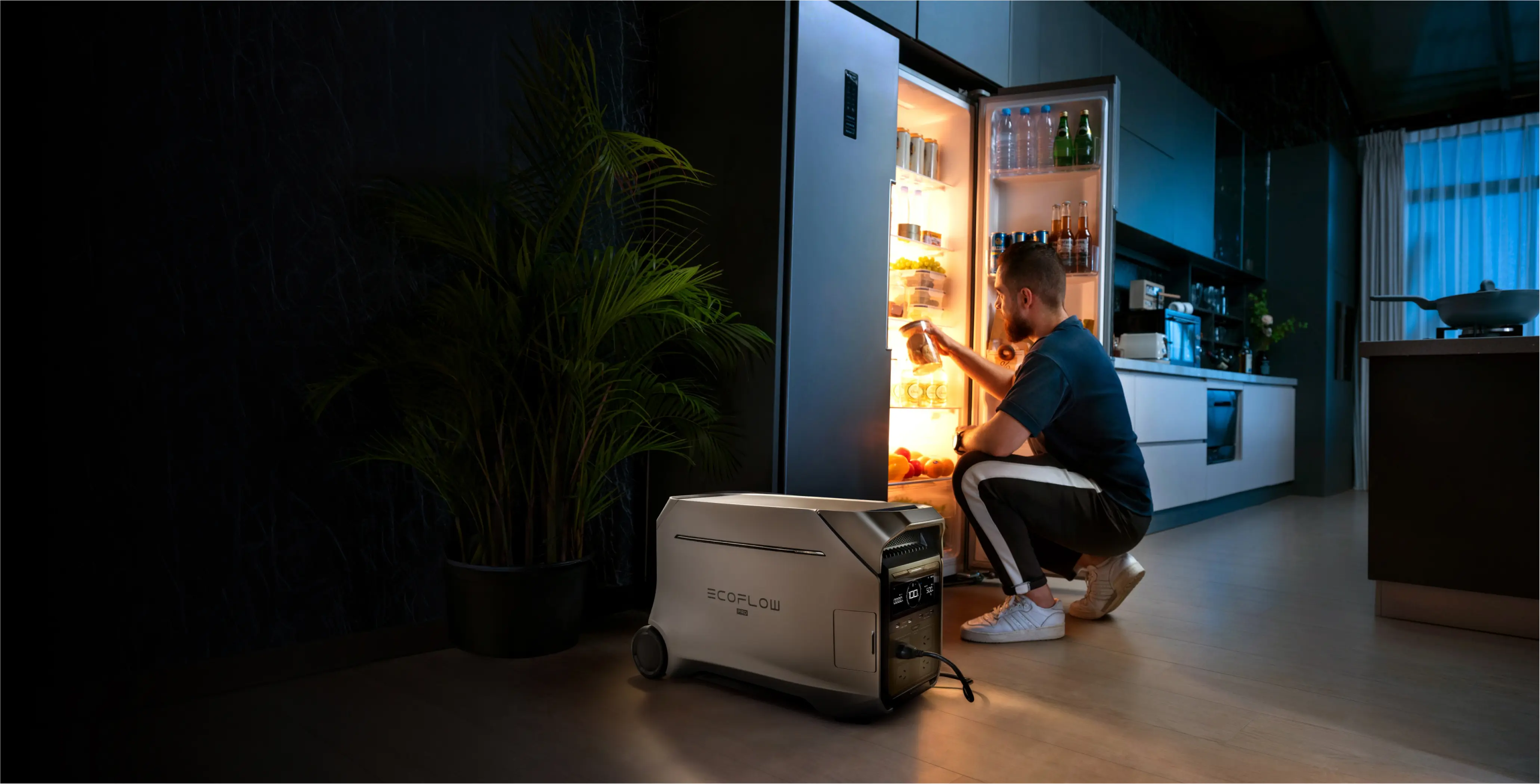
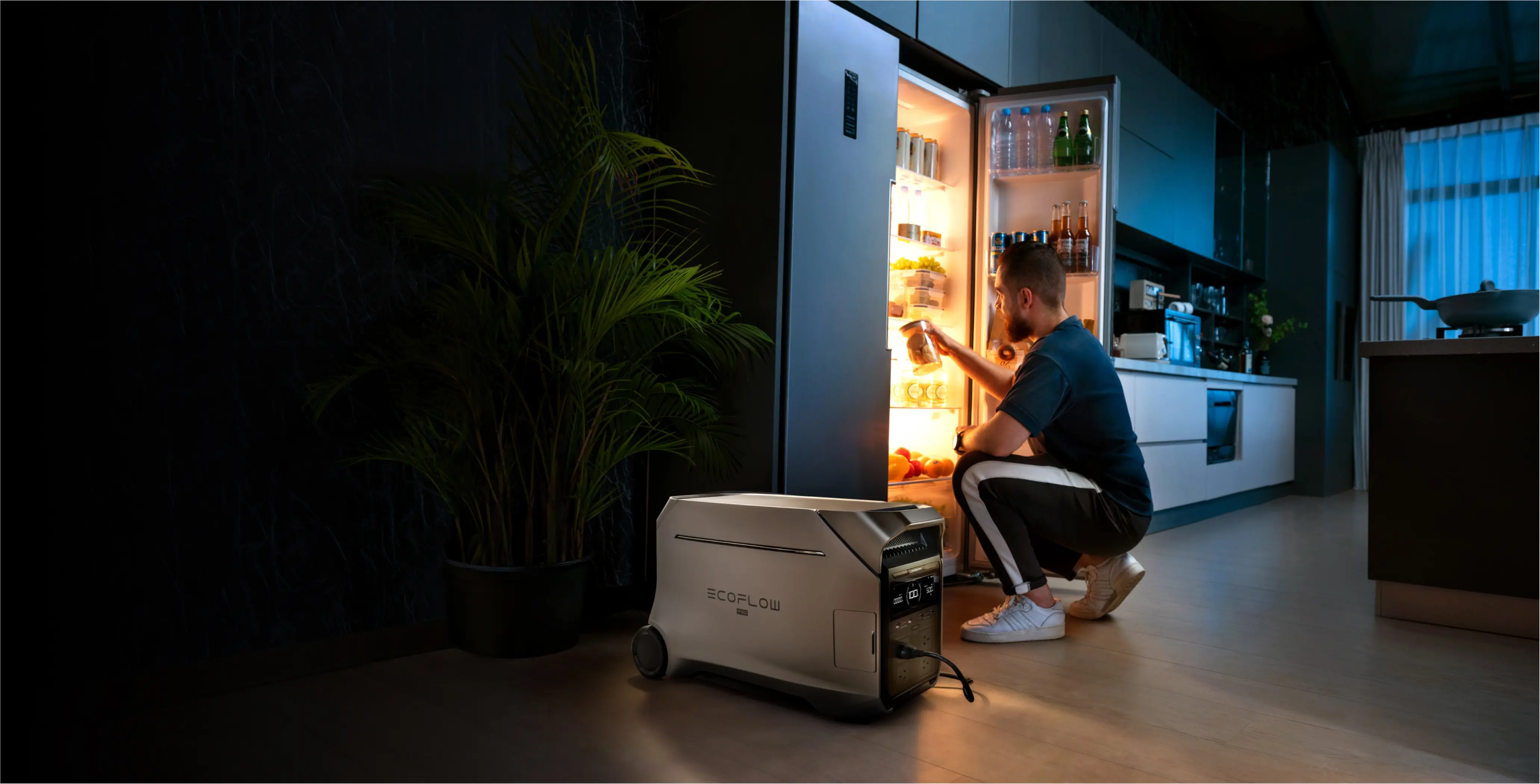
Whether you’re running high-draw tools like a table saw in a garage with no outlets or prepping for a seasonal grid failure, power is a game changer. The EcoFlow DELTA Pro 3 Portable Power Station has become a staple for the 2026 homeowner. It’s got the muscle to run heavy duty drills and saws without you tripping over 100-foot extension cords. But the real value is what happens after the project. When you pair it with solar panels, you’ve got a "solar + storage" setup that keeps your fridge running and your devices charged during a storm.
Energy Efficiency & Backup Power for Modern Homes
Investing in energy storage in 2026 is a tactical move for your property value. As we see more extreme weather events across the country, a home equipped with its own power is seen as a "safe haven." Buyers aren't just looking for a backup; they're looking for a house that can function entirely off-grid if the local infrastructure fails.
Essential Tools and Power Solutions for DIY Home Projects
Every craftsman is only as good as their tools, and in 2026, the power that runs them is just as critical as the edge on your blade.
Must-Have DIY Tools for Homeowners
If you’re still relying on a drawer full of mismatched hand-me-downs, it’s time for an upgrade. Precision is the name of the game this year, especially since material costs aren't getting any cheaper.
The Essentials: You need a high-torque cordless drill, a laser measuring tool (which has basically replaced the tape measure for accuracy), and a quality orbital sander.
The "Sanity Saver": Don’t skip the miter saw. If you’re doing trim, baseboards, or deck slats, being able to make a perfect 45-degree cut every single time is the difference between a professional finish and a gap you have to hide with caulk.
Why Reliable Power Matters in DIY Projects
For those tackling larger, "investment-grade" renovations—like full-room gutting or structural upgrades—standard portable batteries might not cut it. In states like California or Texas, where grid reliability is a constant conversation, advanced DIYers are looking toward the EcoFlow DELTA Pro Ultra X Whole-Home Backup Power.
This is a whole-home backup system. If you are renovating a workspace or an ADU (Accessory Dwelling Unit), the EcoFlow DELTA Pro Ultra X provides enough juice to act as a primary energy hub. It integrates seamlessly with your home's electrical panel, ensuring that even if the grid goes down during your big project, your progress—and your home’s critical appliances—never skip a beat. It’s the ultimate "Home Energy Strategy" for the homeowner who views their property as a long-term asset.
Portable Power Stations for Home Improvement
Using a portable power station in 2026 is a safety upgrade for your job site. If you’ve ever spent an afternoon wrestling with a tangled 100-foot extension cord or taped down wires in a hallway to keep from tripping, you know the drill. It’s a mess, and in a busy renovation zone, it’s a hazard.
Boosting Curb Appeal with Outdoor DIY Projects
First impressions happen at the driveway, not the front door. In 2026, buyers are making snap judgments about your home’s maintenance before they even shift into park. If the outside looks like a chore, they’ll assume the inside is a money pit.
First Impressions: Entryway and Exterior Upgrades
You don't need a professional landscaping crew to win at curb appeal. Modern "micro-projects" can be knocked out in a single afternoon and provide a massive psychological boost to a potential buyer.
The Door Refresh: Muted, nature-inspired tones are the 2026 winners. Think deep forest greens, inky navies, or warm charcoal. These colors feel sophisticated and grounded, especially when paired with updated matte-black or brushed-brass hardware.
Typographic Upgrades: Ditch those tiny, scripted house numbers. The trend now is oversized, 8-12 inch sans-serif numbers (like Helvetica or Neutra fonts). Mount them with stand-offs to create a "floating" effect that adds depth and a modern architectural edge.
Deck and Patio Renovation Ideas
A power wash and a fresh coat of stain can make an old deck look brand new. Adding string lights and some potted perennials creates an "outdoor room" that adds square footage in the eyes of a buyer.
Garage Organization and Storage Systems
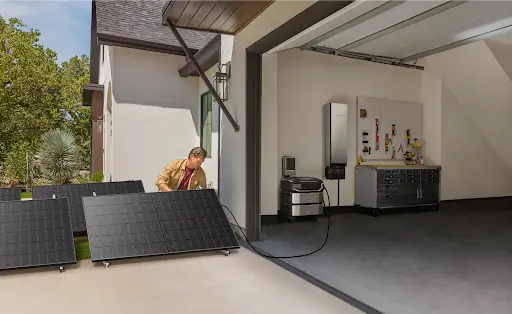
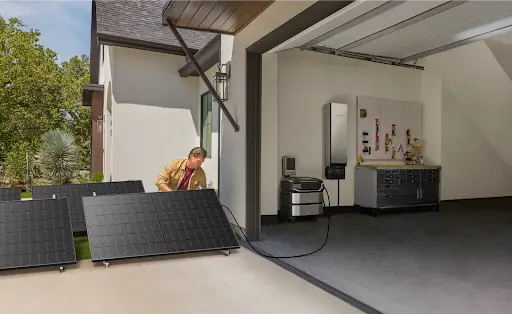
Installing wall-mounted shelving or overhead racks clears floor space and demonstrates that the home has been meticulously maintained. A clean, organized garage is a huge selling point in suburban markets. Forward-thinking homeowners are even taking it a step further by building a solar EV garage upgrade, transforming these spaces into solar-powered, blackout-proof charging hubs to meet the evolving demands of the electric vehicle era.”
DIY vs. Hiring a Professional
Knowing when to put the tools down is just as important as knowing how to use them. In 2026, being "handy" is a great way to build equity, but being overconfident is a great way to end up in the ER or with a denied insurance claim.
Cost-Benefit Analysis
Before you tear into a project, you have to do the math on your own time. If a professional can knock out a backsplash in 4 hours, but it’s going to take you 40 hours across three grueling weekends, you’re essentially paying yourself a few bucks an hour. Another thing, if the cost difference is minimal once you factor in the headache, just hire the pro and go enjoy your Sunday.
The "Hidden" Costs of DIY
Don't forget the cost of tool rentals, waste disposal, and potential mistakes. Sometimes the "cheaper" route ends up being more expensive if you have to pay a pro to fix your work later.
Cost Breakdown: DIY vs. Hiring a Professional
These numbers reflect the current 2026 market rates for materials and labor.
| Project | Professional Cost | DIY Cost | Potential Savings |
|---|---|---|---|
| Interior Painting (3 rooms) | $1,500 - $3,000 | $300 - $500 | $1,000+ |
| Kitchen Backsplash | $800 - $1,200 | $200 - $400 | $600+ |
| Deck Staining | $600 - $1,000 | $150 - $250 | $450+ |
| Smart Home Install | $300 - $600 | $0 (Labor) | $300+ |
Knowing Your Limit
Here’s the key: stay in your "safe zone." Electrical mains, gas lines, and load-bearing walls are professional-only territory. Period. Messing with these isn't just a safety risk; it can actively devalue your home if an inspector sees unpermitted structural or utility work. Bottom line? Protect your investment by knowing when to call in the cavalry.
Conclusion
In 2026, DIY home improvement is a survival strategy for your bank account. By targeting high-ROI projects, like the kitchen refresh or energy efficient sealing, and equipping yourself with the right tools and power solutions, you can save thousands while building a home that is resilient and efficient. Whether you’re prepping for a sale in a hot market or just trying to outrun rising utility costs, the goal is the same: building real-world equity that you can actually see on your monthly bill.
FAQs
1. What are some easy DIY home improvement projects?
Painting, swapping cabinet hardware, and installing smart thermostats are among the easiest high-impact projects. These require minimal tools and can usually be completed in a single weekend.
2. How much money can I save by doing DIY projects?
Homeowners typically save 30% to 50% on project costs by eliminating professional labor fees. However, this depends on already owning the necessary tools and not making costly errors.
3. What DIY projects add the most home value?
According to the latest 2026 Cost vs. Value data, minor kitchen refreshes are still the king, often recouping 96% of their cost.
The ROI Winners: Garage door replacements (which are currently seeing a massive 194% ROI) and steel entry door replacements (188% ROI) are the highest-returning projects this year.
The Interior Strategy: Focus on "modernizing over customizing." A clean subway tile backsplash appeals to everyone; a neon mosaic does not.
4. Do I need a building permit for small DIY projects?
Usually, if it’s cosmetic like painting, flooring, or changing a faucet, you’re in the clear. But the second you touch a utility line (electrical, gas, or main plumbing) or move a load-bearing wall, you legally need a permit. In 2026, insurance companies will be ruthless about this; they’ll use unpermitted work as a reason to deny a claim after a fire or flood.
5. How do I choose the best DIY home improvement project?
Analyze your home’s "weakest link." If your neighbors are all selling homes with smart features and yours still has "boob lights" from 1998, start there. Focus on projects that solve a problem, like high energy bills or a lack of storage. Buyers in 2026 aren't just looking for pretty; they're looking for functionality and efficiency.
6. How much value does DIY add to a home in 2026?
A well-executed series of DIY updates can bump your home’s appraisal value by 5% to 15%. With home prices moderating this year, buyers are being pickier. They are specifically hunting for "move-in ready" homes that already have modern energy solutions and flex spaces for remote work.
For press requests or interview opportunities, reach out to our media team
media.na@ecoflow.com