Difference Between Volts and Amps: A Complete Guide
Component | Preface |
Text | Understanding the difference between volts and amps is essential when sizing home backup power, choosing an EV charger, or picking solar generators. Electrical terms like voltage and amperage often get mixed up, leading to confusion when buying or using high-power appliances. This guide breaks down the core concepts into simple, everyday language, so you can make informed decisions about your energy setups. |
What are Volts?
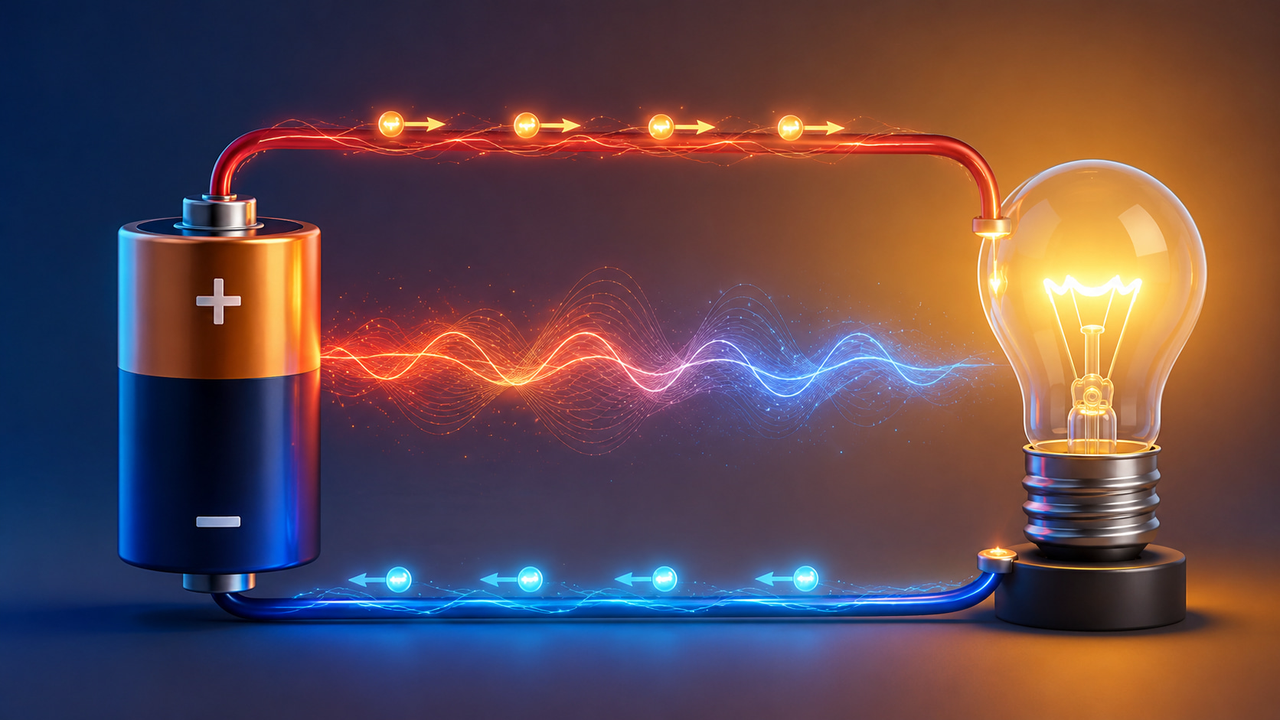
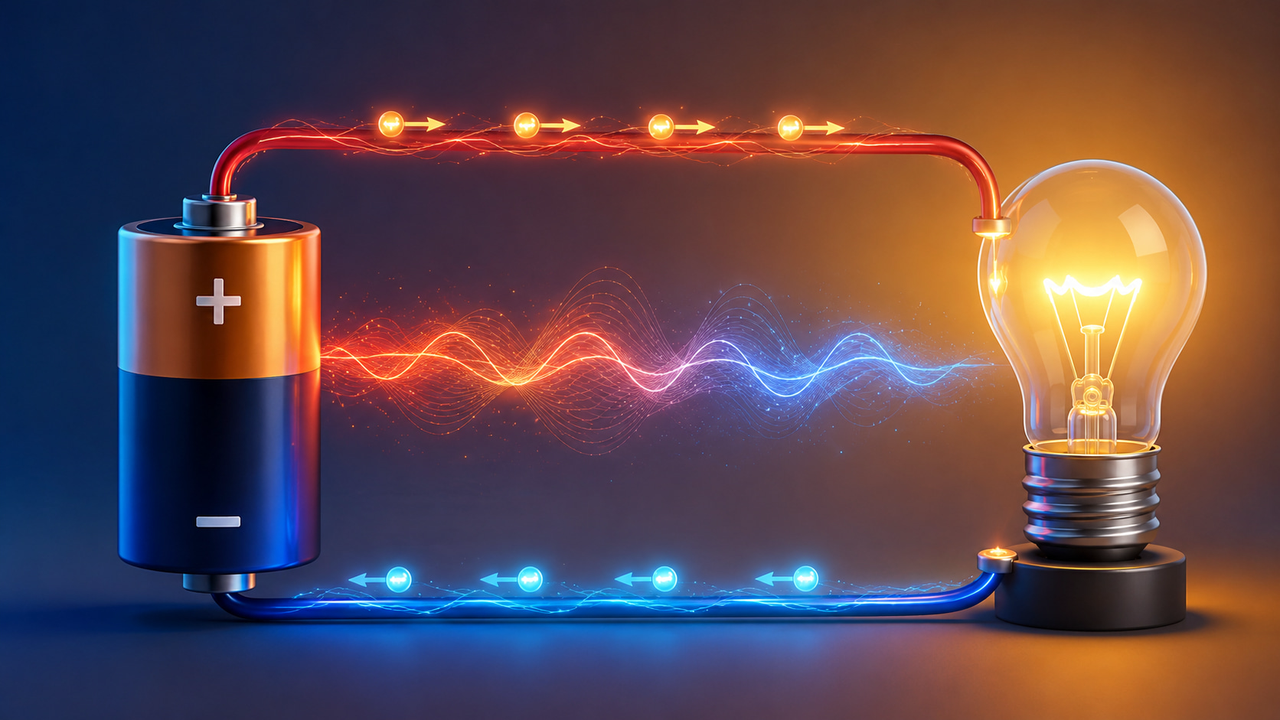
Voltage is the force or potential difference that drives electrical charges through a conductive path. In simple terms, it is the energy that pushes electric current forward. Without voltage, electricity remains stationary and cannot perform work.
It is often called electrical pressure because it works much like water pressure inside a pipe.
To understand voltage, imagine a water system. Voltage acts like water pressure in a pipe. Just as high pressure forces water through a garden hose, voltage acts as the electrical push that forces free electrons to flow through copper wires and circuit components. The higher the voltage, the more force available to push electrons through a load.
Unit of measurement (V)
Voltage is measured in Volts, abbreviated as V. It is named after Alessandro Volta, the Italian physicist who invented the chemical battery.
Everyday examples
AA battery: 1.5V
Car battery: 12V
USB charger: 5V
Home outlets:
North America: 120V
Many other countries: 220–240V
What are Amps?
Amps, short for amperes (A), measure electric current, which is the amount of electrical charge flowing through a circuit. While voltage provides the force that pushes electricity, amps indicate how much electricity is actually moving through a wire at any given moment. Every electrical device requires a specific amount of current to operate safely and efficiently.
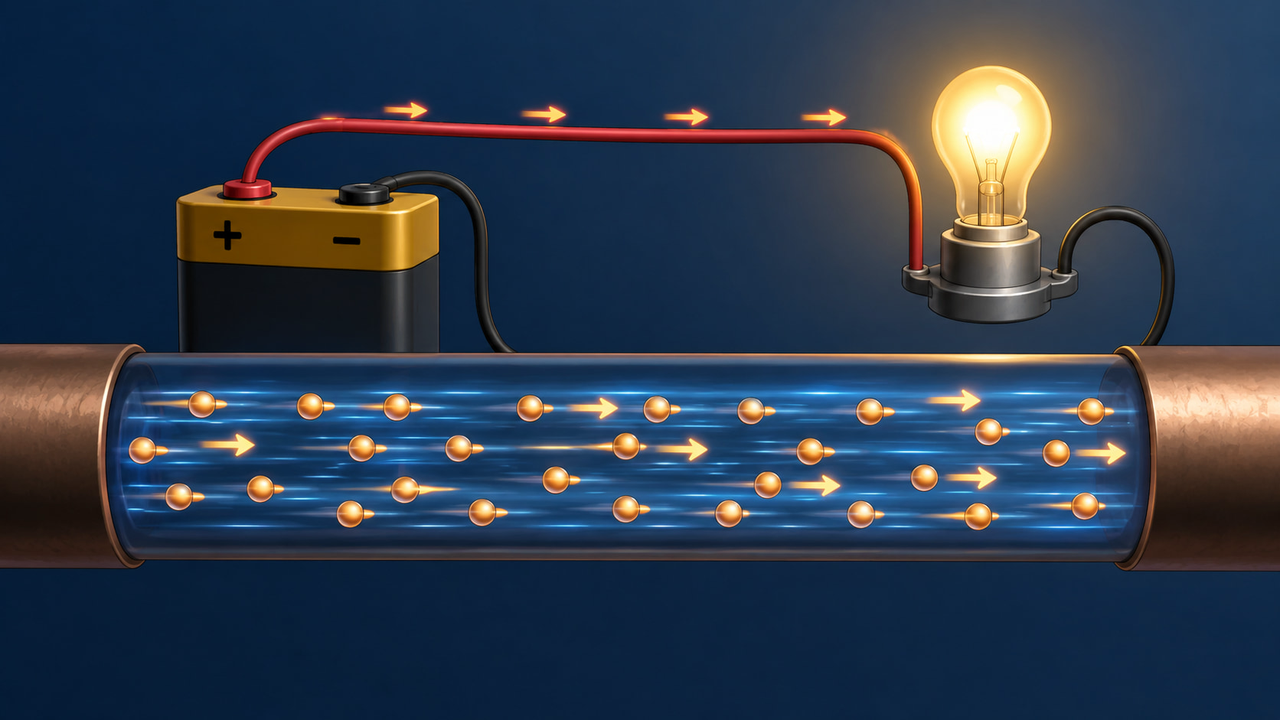
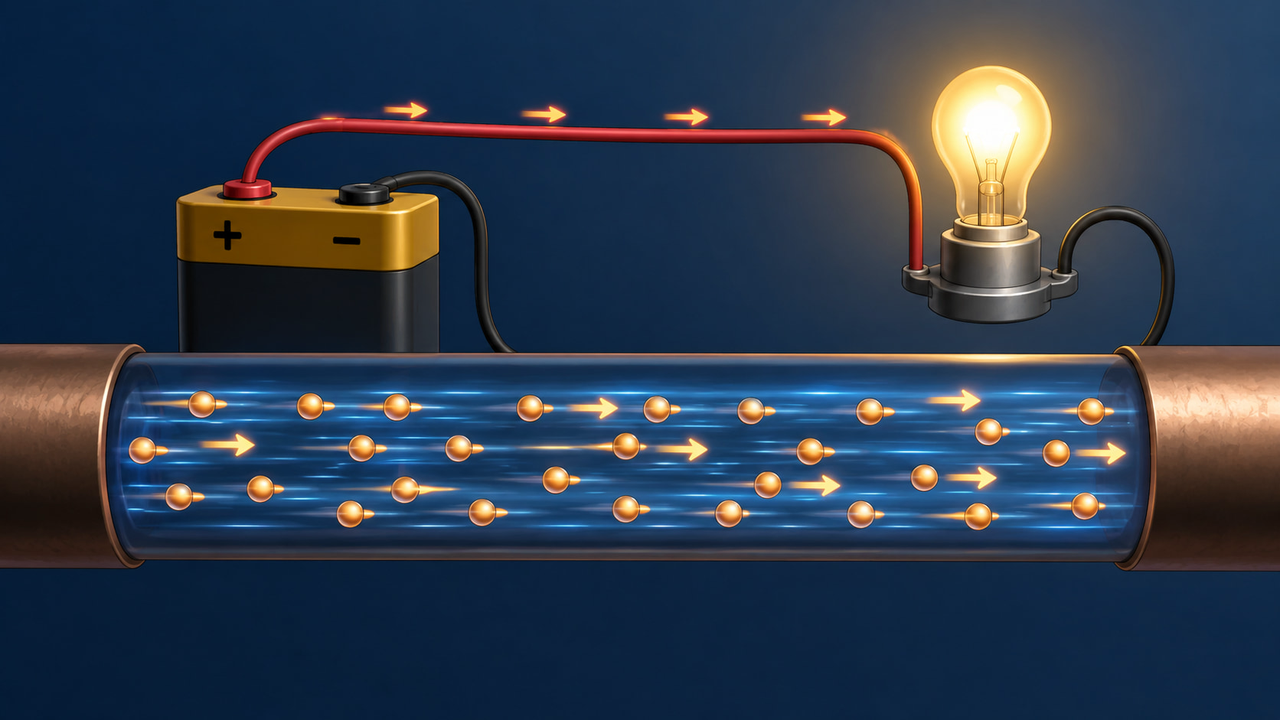
An ampere measures the rate at which electric charge flows through a conductor. Specifically, 1 amp (1A) equals 1 coulomb of electrical charge passing a point every second.
Unit of measurement
The SI unit is the ampere (A), named after the French physicist André-Marie Ampère.
Imagine water flowing through a pipe.
Voltage = Water pressure
Amps = Amount of water flowing
A pipe can have high pressure with little water flow, or lots of water flow with lower pressure. Electricity works in much the same way.
Key difference between volts and amps
Voltage and amperage represent two distinct dimensions of electricity. Voltage is the electrical pressure/push, while amps measure the flow/quantity of current. Both are essential for delivering usable power; without pressure, current cannot move, and without current, no work is performed.
Aspect | Volts (V) | Amps (A) |
What it measures | Electrical pressure / potential | Rate of charge flow (current) |
Water analogy | Pressure / height of tank | Flow rate through the pipe |
Unit symbol | V | A |
Measuring instrument | Voltmeter (parallel) | Ammeter (series) |
Named after | Alessandro Volta | André-Marie Ampère |
Formula relation | V = J/C | I = Q/t |
Effect on wiring | Higher voltage often allows thinner wire for same power | Higher amps require thicker wire |
How Volts and Amps work together
Voltage and current never act in isolation. Instead, they work in tandem to deliver usable electrical energy to appliances, tools, and backup power systems.
Voltage provides the initial force that gets electrical charge moving, while amperes represent the actual quantity of charge in motion. Without voltage, amps cannot flow. Without amps, voltage remains static energy waiting to be used, similar to water pressure sitting trapped behind a closed valve.
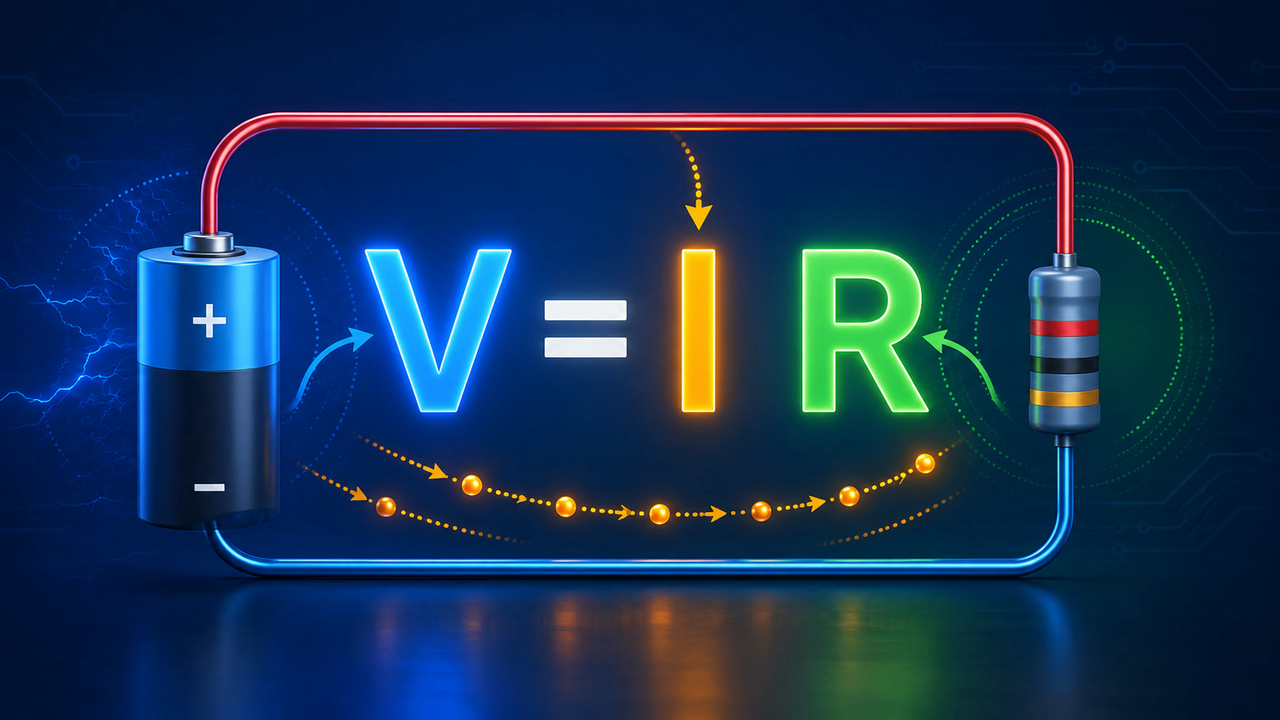
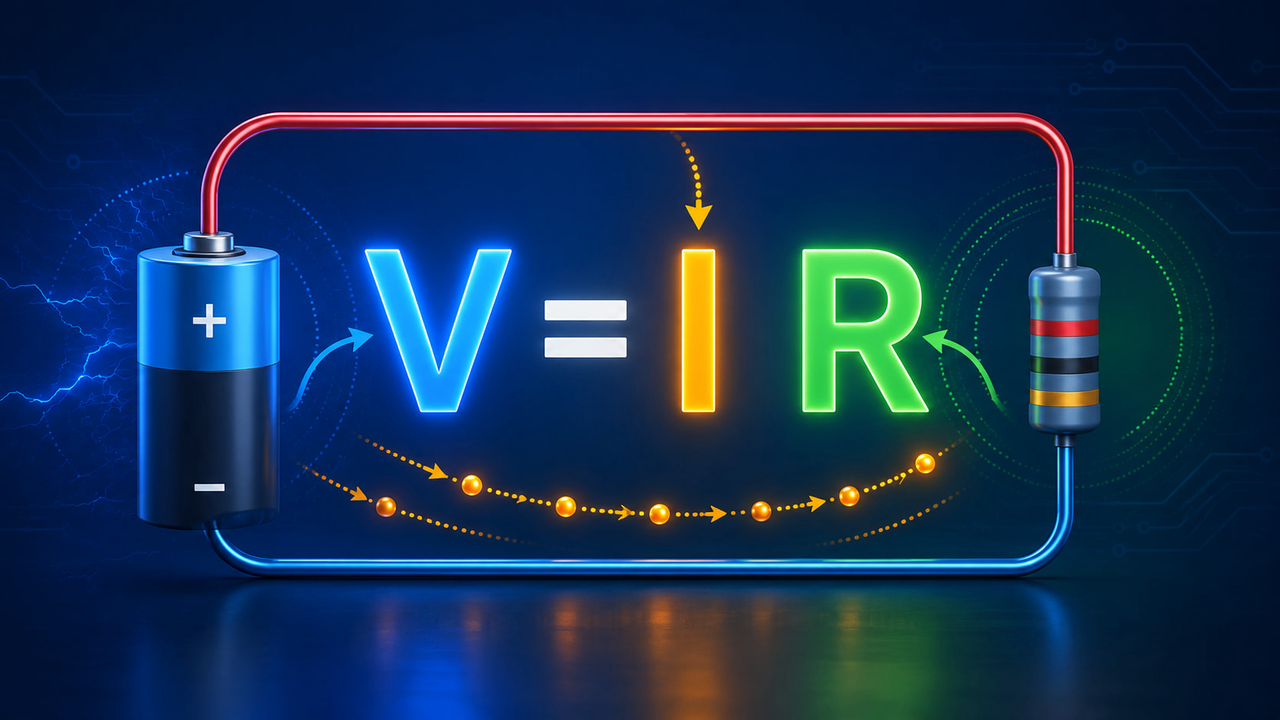
The relationship between voltage, current, and resistance is explained by Ohm's Law, a fundamental principle in electrical engineering.
Simple formula
The most commonly used form of Ohm's Law is:
V = I × R
Where:
I = Current (Amps)
V = Voltage (Volts)
R = Resistance (Ohms)
The equation can also be written as:
I = V ÷ R
R = V ÷ I
This means that increasing the voltage increases the current if resistance remains unchanged. Likewise, increasing resistance reduces the current for the same voltage.
Practical examples:
A 120 V household circuit with a resistance of 12 ohms draws 10 amps (120 ÷ 12 = 10).
A 5 V USB charger connected to a device with 2.5 ohms of resistance supplies 2 amps (5 ÷ 2.5 = 2).
Doubling the voltage across the same resistance doubles the current, which is why higher-voltage systems can deliver more power through the same wiring.
Real-world examples of volts and amps
Understanding the difference between volts and amps becomes much easier when you see how they work in everyday devices. Every electrical system relies on both voltage and current, but the values vary depending on the application's power requirements.
Phone charger
A typical smartphone charger delivers 5V (or higher with fast charging technologies such as 9V or 20V) and supplies 2A to 3A of current. The voltage remains fixed, while the phone draws the amount of current it needs to charge safely and efficiently.
Laptop charger
Most laptop chargers output around 19V to 20V and provide 3A to 5A of current. Compared to a phone, laptops require more power, so they operate at a higher voltage and draw more amps to run larger processors, displays, and batteries.
Home electrical outlets
Household outlets supply a standard voltage, typically 120V in North America or 230V to 240V in many other countries. Different appliances plugged into the same outlet draw different amounts of current depending on their power consumption. For example, an LED bulb uses only a small amount of current, while an electric heater or microwave draws significantly more.
EV charging
Level 2 home EV chargers run at 240V and typically deliver 30A to 50A, compared to a standard 120V outlet. That jump in both volts and amps is what cuts EV charging time from a couple of days down to a few hours.
Solar battery systems
Solar panels produce variable voltage that changes with sunlight intensity and temperature. Home energy systems must convert this fluctuating input into stable, usable power for appliances.
Managing variable input voltage from panels versus steady output amps for home use is essential, and that's exactly the challenge this system is built to solve.
Power Your Entire Home Through Any Outage with the EcoFlow DELTA Pro Ultra X
Take Full Control of Your Home's Power with the EcoFlow Smart Home Panel 3
Conclusion
Understanding the difference between volts and amps is essential for choosing the right chargers, appliances, EV charging equipment, and solar energy systems. Voltage provides the electrical force, while amps measure the flow of electricity. Together, they determine how efficiently and safely electrical devices operate. Whether you're comparing power supplies or planning a home backup solution, knowing how these two measurements work together helps you make informed decisions. If you are exploring reliable whole-home backup or solar storage, schedule a free EcoFlow consultation to see how the DELTA Pro Ultra X can fit your needs.
FAQs
What is the difference between amps and volts?
Volts measure the electrical force that pushes electricity through a circuit, while amps measure the amount of electric current flowing. Both are essential, but they describe different properties of electricity.
How many volts are in an amp?
You cannot directly convert amps to volts because they measure different things. Their relationship depends on the circuit's resistance, as explained by Ohm's Law, or on power when watts are known.
Are volts more powerful than amps?
Neither is more powerful alone. Power depends on both volts and amps combined, calculated as watts equals volts multiplied by amps. Devices need the right combination of both.
How do volts, amps, and watts relate to each other?
Watts measure electrical power and are calculated using the formula Watts = Volts × Amps. Increasing either voltage or current increases the amount of power delivered to an electrical device. For example, 120V running at 10A equals 1200W of power.
What devices are used to measure volts and amps?
A voltmeter measures voltage, an ammeter measures current, and a digital multimeter measures both. Electricians commonly use digital multimeters for testing household circuits, batteries, and electrical equipment.
For press requests or interview opportunities, reach out to our media team
media.na@ecoflow.com