Advantages of Wind Power: Benefits, Uses & Future Potential
Wind energy is one of the most used renewable energy resources and provides a cleaner alternative to fossil fuel-based electricity. Understanding the advantages of wind power can help homeowners, businesses, farmers, and policymakers identify where wind energy can fit into a more sustainable energy system. This guide covers the key advantages and disadvantages of wind power, common uses, and how you can maximize it.
What is wind power
Wind power is the process of converting the kinetic energy of moving air into useful electricity. Wind is renewable energy because it is naturally replenished by atmospheric processes powered largely by the sun. Wind turbines harness this movement and turn it into mechanical energy, which is then converted to electricity.
How does wind energy work?
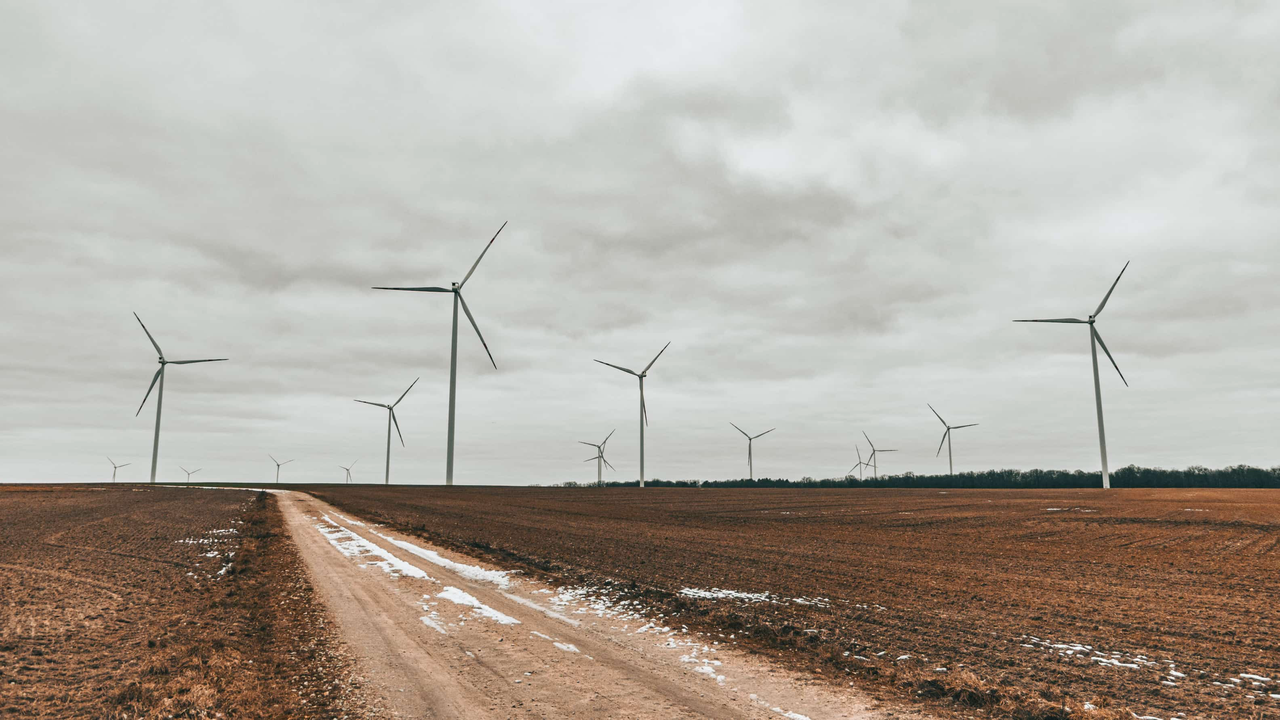
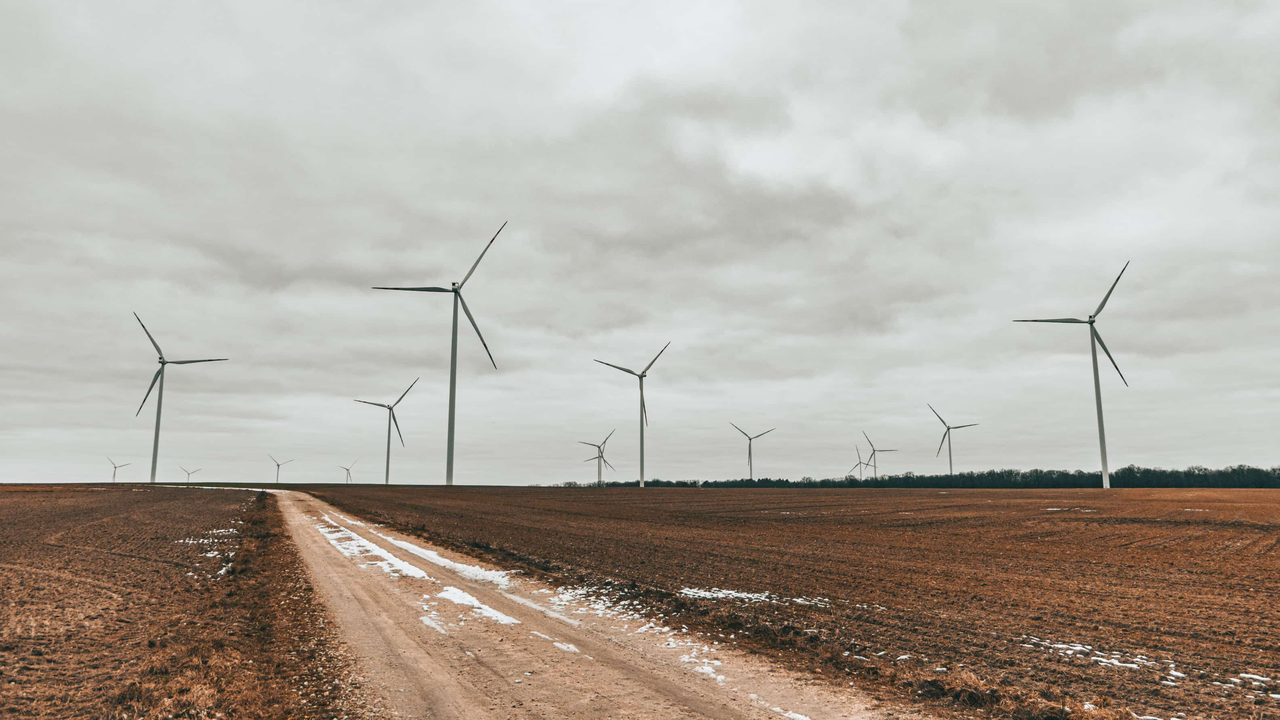
Before we jump into the benefits of wind power, let's outline how this energy source actually functions. A wind turbine has blades that are designed to catch the force of moving air. As the wind turns the blades, they rotate a rotor connected to a generator. This mechanical rotation is then converted into electricity by the generator, which can then be supplied to homes, businesses, industrial facilities, or the wider electrical grid. Since wind generation can vary over time, battery storage can help store excess electricity for use when wind production drops. With appropriate power-conversion and electrical integration equipment, compatible battery storage systems can be integrated into a wind-plus-storage setup.
What are the advantages and disadvantages of wind power
Wind power provides a variety of environmental, economic, and energy security benefits and is a critical part of the transition to renewable energy. But wind power also faces practical challenges, such as variable electricity output, site needs, infrastructure requirements, and relatively high initial investment. Let's cover 4 advantages of wind power along with its limitations.
Advantages
Inexhaustible energy resource
Wind is renewable, meaning it won't run out like finite fossil fuels. As long as the atmosphere has conditions that cause air to move, the wind turbine can capture that energy to generate electricity. This makes wind power a long-term renewable energy option that can help to diversify energy supplies.
Produces clean electricity with low carbon emissions
Wind turbines produce electricity without burning coal, oil or natural gas. So they have very low direct greenhouse gas emissions compared to fossil-fuel power plants. However, there are environmental impacts associated with manufacturing, transportation, construction and eventual decommissioning, but the overall emissions across the lifecycle of wind power are generally much lower than those of fossil-fuel-based electricity.
Reduces dependence on fossil fuels
More wind generation can cut down on electricity from fossil-fuel power plants. This can help countries and communities to diversify their energy mix and reduce exposure to fluctuations in fossil fuel prices. Greater use of domestic wind resources can also help improve energy security and reduce dependence on imported fuels.
Low operating and maintenance costs
Once a wind turbine is installed and running, it does not need fuel to produce electricity. This eliminates recurring fuel costs and can make operating costs somewhat predictable. But modern turbines are built for long service lives, so regular inspections, component replacement, and maintenance are still required to keep systems running efficiently.
Disadvantages
Intermittent energy generation
Wind turbines only generate electricity under the right wind conditions. Electricity generation can therefore vary depending on the time of day and season. Because of this, wind power is usually paired with energy storage, flexible generation, transmission networks, or other renewables to provide a reliable source of electricity.
High upfront installation costs
Starting a wind energy project can require a lot of money up front. Costs include turbines, foundations, transportation, construction, electrical equipment, land preparation, grid connections, and other infrastructure. While operating costs can be relatively low over time, it can take years to recoup the initial investment.
Location dependence
Many sites do not have sufficient or consistent wind resources to support an economically viable wind project. Turbines have to be carefully sited in terms of wind speed and direction, terrain, environmental issues, accessibility and closeness to transmission infrastructure. Offshore projects can tap higher wind speeds but tend to involve more complex construction and maintenance.
Grid infrastructure requirements
Wind farms are often located far from population centers with high demand for electricity. New transmission lines, substations, and other grid upgrades could be needed to bring electricity from generation sites to consumers. Better management of the grid and balancing resources may also be required to accommodate variable wind generation.
Common uses of wind power
Now that you know what are the advantages of wind power and where it lags behind, let's outline common uses of this renewable energy source.
Utility-scale electricity generation
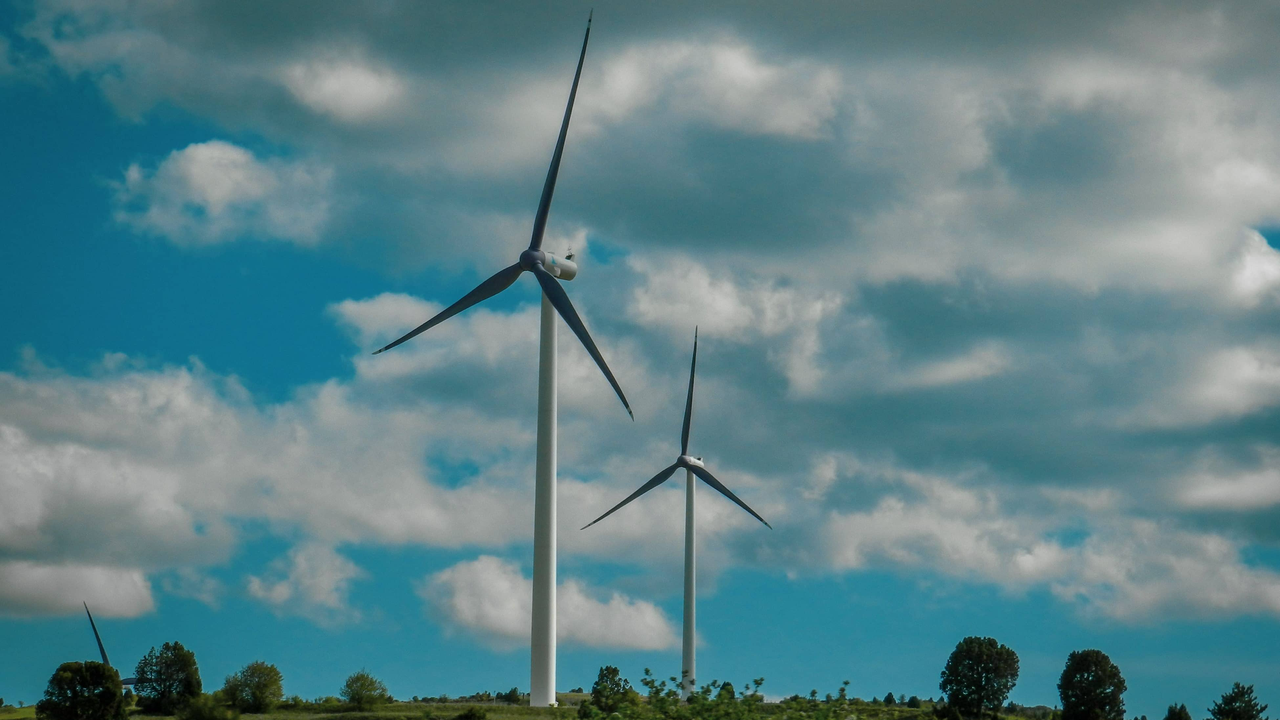
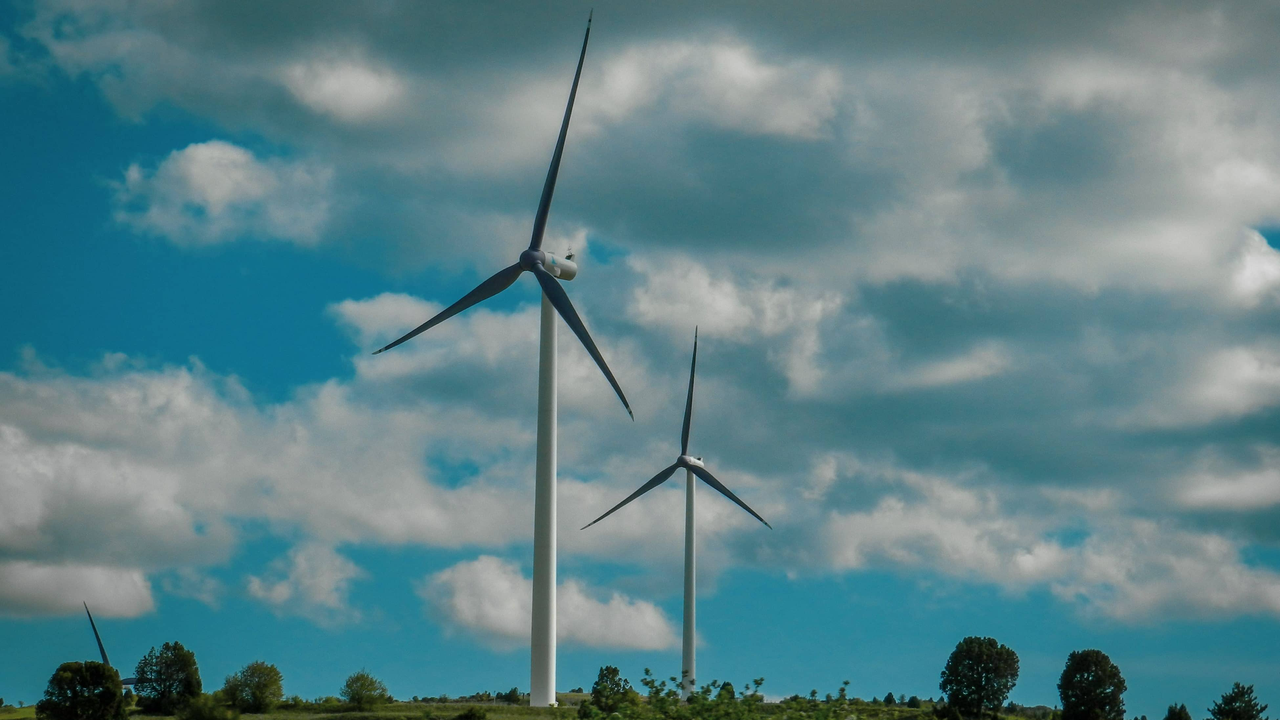
Large wind farms consist of a number of turbines that generate electricity for the public grid. They can be built on land or offshore and can generate a lot of electricity. Utility-scale wind power is particularly important in regions with strong wind resources and sufficient transmission capacity.
Residential wind systems
Small wind turbines can provide power for a single home, farm or remote property. Residential systems can help supplement grid power, or work with solar panels and battery storage. Depending on local wind conditions, space, permitting requirements, and cost of installation, they are a very practical option.
Commercial and industrial facilities
Wind energy can help businesses and industrial facilities offset some of their electricity consumption or support renewable energy goals. If you have a facility in an area with good wind resources and enough land, wind systems on site can be particularly useful. Bigger companies might also use renewable electricity purchase agreements to back wind power.
Agricultural operations
Wind turbines can provide power to farms and agricultural properties to generate electricity for irrigation equipment, barns, processing facilities, refrigeration, and other operations. Wind power can provide an additional source of energy while allowing agricultural businesses to make productive use of suitable land.
Offshore energy production
Offshore wind farms utilize turbines sited in oceans or other large water bodies where wind speeds can be higher and more consistent than in many inland areas. Modern offshore turbines generate significant quantities of electricity and are becoming an important part of renewable energy development in coastal areas.
How to maximize wind power: 5 practical ways
Getting the most value out of wind power is more than just putting up a turbine. The amount of useful electricity a wind system produces depends on the site, the efficiency of the equipment, the maintenance of the system, renewable-energy integration, and energy storage. Here's how you maximize wind power.
Choose a location with strong and consistent wind resources
The quality of the wind resource is one of the most important factors in determining how much electricity a turbine can produce. Evaluate local wind speed, prevailing wind direction, terrain, obstacles, and seasonal variations prior to installation. A professional wind assessment can help determine whether a property has enough consistent wind to justify the investment and where to place the turbine for better performance.
Use modern, high-efficiency wind turbines
Modern wind turbines are designed to extract more energy over a wider range of wind conditions. A properly sized and efficient turbine can increase electricity production and better utilize the available wind resource. Selection of equipment should be based on rotor diameter, height of turbine, rated capacity, and cut-in and cut-out wind speed, etc.
Integrate wind power with other renewable energy sources
Wind power can be combined with other renewable technologies to compensate for variability in generation. Solar panels can often generate electricity when wind production is low, and wind turbines can generate electricity at night or in different weather conditions. Therefore, a hybrid renewable-energy system can deliver a more balanced generation profile than depending on a single source of energy.
Perform regular maintenance and system monitoring
Regular maintenance helps wind turbines operate safely and efficiently. Inspections can identify issues with blades, bearings, electrical equipment, brakes, and other equipment before they become serious problems. Owners can also use monitoring software to get information on energy production and system performance, which can help them spot unusual changes and determine when maintenance is needed.
Store excess wind energy with battery backup systems
Because wind generation is intermittent, storage of excess electricity can make a residential wind system more useful. If the turbine generates more electricity than the household uses, a correctly set up battery storage and energy-conversion system can store the surplus energy for use during calm spells, at night or during grid outages.
Battery storage also offers increased energy independence, as it supplies a backup source of electricity for essential appliances and reduces dependence on grid power. Home energy storage solutions like the EcoFlow DELTA Pro, Pro 3, and Ultra X can complement wind and solar systems when the appropriate power-conversion and electrical integration equipment is used.
EcoFlow DELTA Pro
EcoFlow DELTA Pro is a high-capacity portable power station for home backup and renewable energy applications. Starting at 3.6kWh capacity, expandable to 25kWh, the unit provides 3,600W of AC output and 4,500W with X-Boost. Its long-lasting LFP battery is rated for up to 6,500 cycles and has a built-in battery management system that constantly checks the voltage, current, and temperature.
EcoFlow DELTA Pro 3
The EcoFlow DELTA Pro 3 is a scalable backup and energy storage solution for homes looking to get more from renewable electricity. It has a capacity of 4 kWh, which can be increased to 48kWh by connecting additional battery units, making it a good choice for both daily backup and longer-duration power needs. The unit provides up to 4,000W of continuous AC output and 6,000W via X-Boost for compatible high-power appliances, and supports both 120V and 240V output.
EcoFlow DELTA Pro Ultra X (DPUX)
EcoFlow DELTA Pro Ultra X (DPUX) is designed as a scalable whole-home energy storage and backup power system. The typical configuration is one inverter with two batteries, giving 12kWh of storage capacity and 12kW of output. The system can be scaled up to a maximum of 180kWh capacity and 36kW output depending on configuration. With the Smart Home Panel 3, the system can offer an automatic switchover in less than 20 milliseconds, helping to keep connected household circuits powered with minimal interruption.
EcoFlow DELTA Pro Ultra X (DPUX)
EcoFlow DELTA Pro Ultra X (DPUX) is designed as a scalable whole-home energy storage and backup power system. The typical configuration is one inverter with two batteries, giving 12kWh of storage capacity and 12kW of output. The system can be scaled up to a maximum of 180kWh capacity and 36kW output depending on configuration. With the Smart Home Panel 3, the system can offer an automatic switchover in less than 20 milliseconds, helping to keep connected household circuits powered with minimal interruption.
Conclusion
One of the best advantages of wind power is that it is renewable and can help move us away from fossil fuels, reduce emissions, and contribute to a more sustainable energy system. Although variable generation, installation costs, and location requirements can be a challenge, advances in turbine technology, hybrid renewable systems, and battery storage are making wind energy more practical and valuable. Want to get the most renewable energy in your home? Explore EcoFlow's DELTA Pro line-up that helps store renewable energy when power-conversion equipment is in place and keeps your essential appliances powered up when you need it the most.
FAQs
What are the biggest advantages of wind power over fossil fuels?
The biggest advantages of wind power are that it is renewable, has low direct operating emissions, and does not consume fuel to produce electricity. Wind does not have to be pulled and burned as a finite fuel resource to create electricity like fossil fuels do, thus helping reduce greenhouse gas emissions and diversify the energy supply.
Is wind energy reliable enough to power homes year-round?
Wind energy can be very important to a home's electricity use, but a stand-alone wind system may not provide a constant supply of energy throughout the year because wind speeds vary from month to month. A good design can combine wind generation with solar panels, battery storage, and grid power to give a more reliable supply of electricity.
What are the main disadvantages of wind power?
The main disadvantages are: generation is intermittent, upfront installation costs are high, location dependence, and grid infrastructure requirements. Wind turbines also require careful planning for land use, environmental considerations, noise, visual impacts, and maintenance requirements.
Can wind energy be stored for use when the wind isn't blowing?
Yes. Wind turbines can produce energy that can be stored in batteries and used later when the wind production drops off. Battery storage can move excess renewable electricity to times of higher demand, provide back-up power during grid outages, and reduce reliance on electricity from the grid.
What is the future of wind power in the global energy transition?
Wind power is projected to maintain its significant contribution to the global shift toward lower-carbon electricity. Continued development of larger and more efficient turbines, offshore wind projects, stronger transmission networks, hybrid renewable systems, and battery storage can help overcome some of the current limitations of technology.
For press requests or interview opportunities, reach out to our media team
media.na@ecoflow.com