California SGIP Rebate Guide 2026: Waitlist Status, ITC Alternative & Next Steps
- What Is the California SGIP Rebate?
- What Is the Current SGIP Waitlist Status in 2026?
- Who Still Qualifies for SGIP Funding in 2026?
- What Happened to the Federal Solar and Battery Tax Credit?
- What Can You Use Instead of the Federal ITC in 2026?
- What Should You Do Next If SGIP Isn't Available to You?
- Does Battery Storage Still Pay Off without SGIP or the ITC?
- Frequently Asked Questions
- Battery Storage Still Delivers Reliable Savings for California Homes without SGIP
Most California SGIP budgets closed to new applicants at the end of 2025, and the federal solar tax credit expired with them. If you’re weighing solar and battery storage in 2026, you still have options: income-qualified waitlists, property tax exclusions, and local utility rebates.
This guide breaks down what’s still available, who qualifies, and what to do next.
What Is the California SGIP Rebate?
The SGIP rebate comes from the California Public Utilities Commission and pays homeowners based on the kilowatt-hours of battery capacity they install. The payments are administered through utility companies, including PG&E, SCE, SDG&E, and SoCalGas.
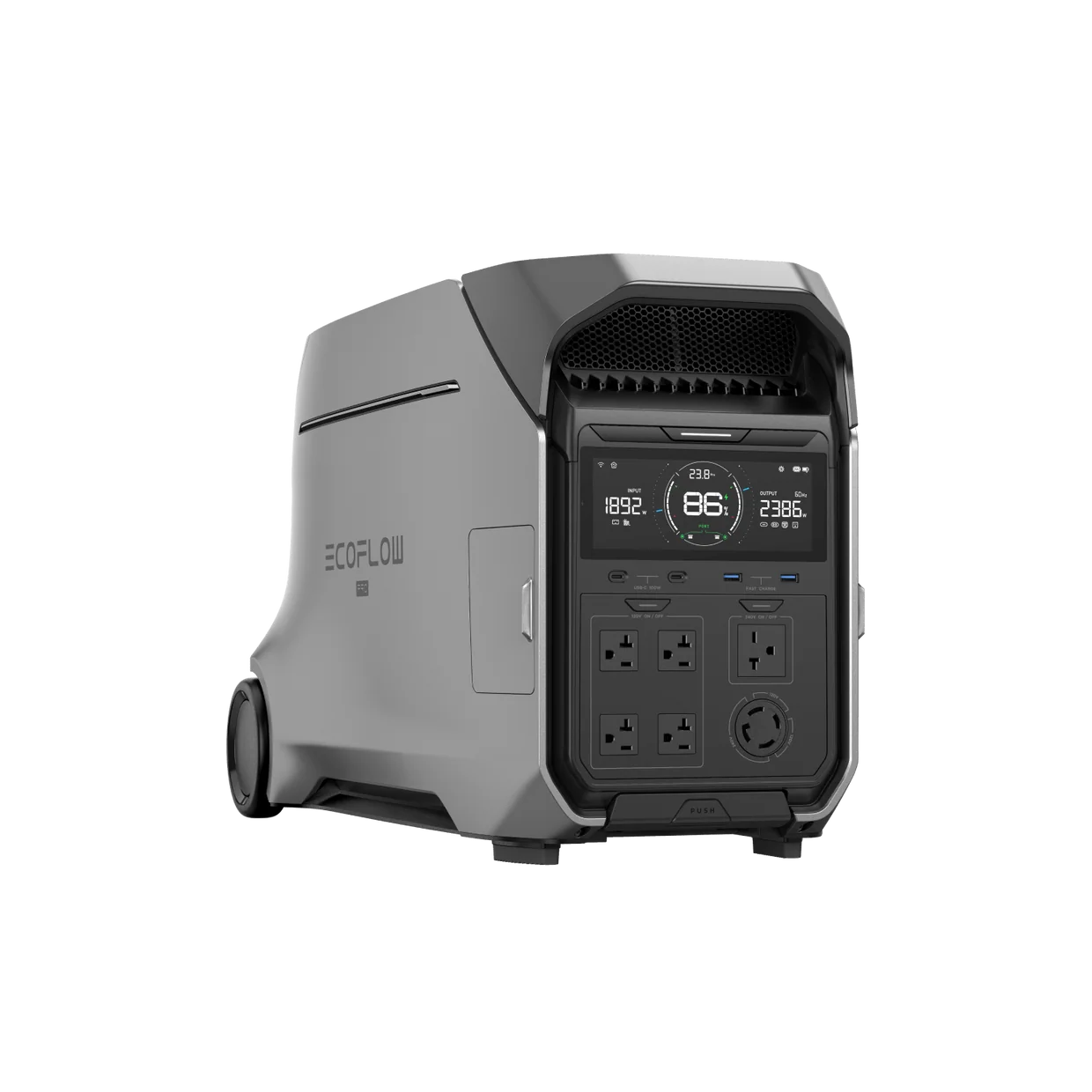
The goal of the SGIP battery rebate program is to reduce greenhouse gas emissions and strengthen grid reliability by encouraging homeowners to embrace distributed energy storage options, like the EcoFlow DELTA Pro 3 Portable Power Station.
What Is the Current SGIP Waitlist Status in 2026?
As of December 31, 2025, every SGIP budget (except the income-qualified Residential Solar and Storage Equity tier, RSSE) has stopped accepting new applications. The current SGIP waitlist only applies to RSSE, and funds are released to waitlisted applicants as earlier reservations are canceled.
There is no reopening date set for other budgets.
General Market
The General Market closed to new applicants on December 31, 2025. There is no active waitlist option for the General Market.
Equity
The equity budget is also closed to new applicants as of the end of 2025. It doesn’t have a waitlist pathway in most utility territories as of 2026.
Equity Resiliency
Equity Resiliency targets households in High Fire-Threat Districts or affected by repeated Public Safety Power Shutoff events. However, this tier also closed to new applicants at the end of December 2025.
The resiliency model behind this particular budget prioritizes households at the greatest risk of extended storm or wildfire driven outages over general applicants.
RSSE (AB 209)
The RSSE was created under AB 209 with $280M in state funding, and it remains the only SGIP budget that is still accepting new applications in 2026.
This incentive pays $1.10 per watt-hour for storage, plus $3.10 per watt for paired solar. It’s among the highest per-kWh rates in the program’s history.
Who Still Qualifies for SGIP Funding in 2026?
Eligibility in 2026 comes down to two paths: qualifying by income, or already holding a place in line from before the budget closures.
Income-qualified households, generally at or below 80% of the area's median income, or enrolled in CARE/FERA utility discount programs, can apply for SGIP through the RSSE waitlist in 2026.
Households holding a conditional reservation letter from a pre-2026 application.
What Happened to the Federal Solar and Battery Tax Credit?
The Residential Clean Energy Credit, often referred to as the ITC (Investment Tax Credit), refunded 30% of solar-plus-battery installation costs to homeowners. It was terminated for any expenditures made after December 31, 2025, due to the One Big Beautiful Bill Act.
The IRS now says that a system is only eligible if installation was completed by December 31, 2025.
Homeowners who claimed the credit for systems installed before the deadline can still carry forward any unused credit amounts to future tax years.
What Can You Use Instead of the Federal ITC in 2026?
Most of the remaining federal value has shifted to third-party ownership structures. California’s state property tax exclusion and local utility programs now carry more relative weight than when the federal credit was active.
Third-Party-Owned Solar and Battery Leases
Solar leases and power purchase agreements can claim the federal Section 48E commercial tax credit, then pass savings to the homeowner through a lower monthly payment. It’s still available to third-party-owned residential solar and storage projects through 2027.
California Property Tax and Sales Tax Exclusions
California’s Active Solar Energy System exclusion keeps solar and paired battery additions outside of a home’s assessed value, so installing one doesn’t trigger a property tax increase. This exclusion was extended to apply to systems installed through lien dates before January 1, 2031.
There isn’t a broad statewide sales tax exemption for residential solar or battery purchases.
Homeowners will pay standard rate and local sales tax (7.25% base rate plus local add-ons) on solar and battery equipment.
Local Utility Rebates
Municipal utilities outside CPUC jurisdiction may run independent incentive programs unaffected by SGIP’s budget closures.
One example is SMUD’s My Energy Optimizer Partner+ program, which pays Sacramento-area homeowners up to $10,000 per household to enroll a new battery system, plus ongoing quarterly payments to allow SMUD to draw on stored energy during peak demand.
Smaller municipal utilities and community choice aggregators set their own rebate schedules, so check with your local utility, as availability varies by service territory.
What Should You Do Next If SGIP Isn't Available to You?
If SGIP isn't an option for you right now, a few other paths are still worth checking first.
Confirm income eligibility for the RSSE waitlist before ruling it out entirely.
Check if your utility is a municipal provider with its own active incentive, separate from SGIP.
Consider a third-party lease or PPA if accessing a federal tax credit matters more than owning the system outright.
Investing in a whole home generator built around battery storage still provides bill savings independent of any single rebate or credit.
Does Battery Storage Still Pay Off without SGIP or the ITC?
Yes, self consumption (storing midday solar and using it during expensive and dark evening hours) now drives most of a battery’s financial return, rebate or not.
A solar generator paired with rooftop panels can still achieve payback by avoiding peak-rate charges alone without incentive layered on top.

Frequently Asked Questions
Does the Federal Tax Credit Still Apply to Home Batteries in 2026?
No, Section 25D of the federal tax credit no longer applies to any solar system or standalone battery installed after December 31, 2025. Homeowner-owned systems installed in 2026 will receive no federal residential credit regardless of when the contract was signed.
Can You Combine SGIP with Other California Incentives?
Yes, the RSSE is the only SGIP program still active, but it can be combined with the property tax exclusion and most local utility programs. Applicants must disclose all funding sources on their SGIP application since incentives can’t collectively exceed the total system cost.
Battery Storage Still Delivers Reliable Savings for California Homes without SGIP
The 2026 California solar and battery incentive landscape has narrowed to primarily reward income-qualified households and municipal utility customers. However, general homeowners can still find savings through property tax protection, select utility programs, third-party lease structures, and avoidance of peak-rate charges through battery storage.
You can build your system around a flexible, expandable core like the EcoFlow DELTA Pro 3 Portable Power Station that still delivers meaningful savings and outage protection even without formal government or utility incentives.
For press requests or interview opportunities, reach out to our media team
media.na@ecoflow.com