California’s SGIP and RSSE: The Resiliency Model
- What Is SGIP (Self-Generation Incentive Program)?
- What Is RSSE, and Why It Changed the Program
- How SGIP + RSSE Work Together
- What Makes the SGIP Resiliency Model Different From Traditional Incentives?
- What Homeowners Should Know Before Exploring SGIP or RSSE
- Frequently Asked Questions
- SGIP and RSSE Prioritize Resiliency for California’s Most Vulnerable Homeowners
California leads the U.S. in home energy storage incentives, with the Self-Generation Incentive Program (SGIP) being the primary reason why. Now, the addition of the Residential Solar and Storage Equity (RSSE) budget under AB 209 marks the program's most significant expansion in years.
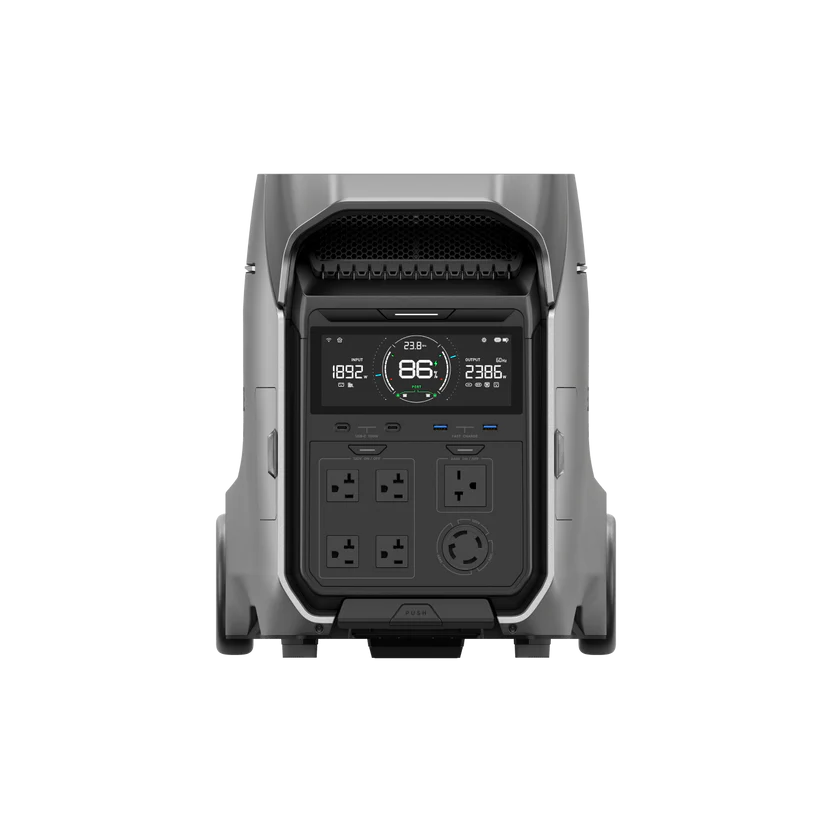
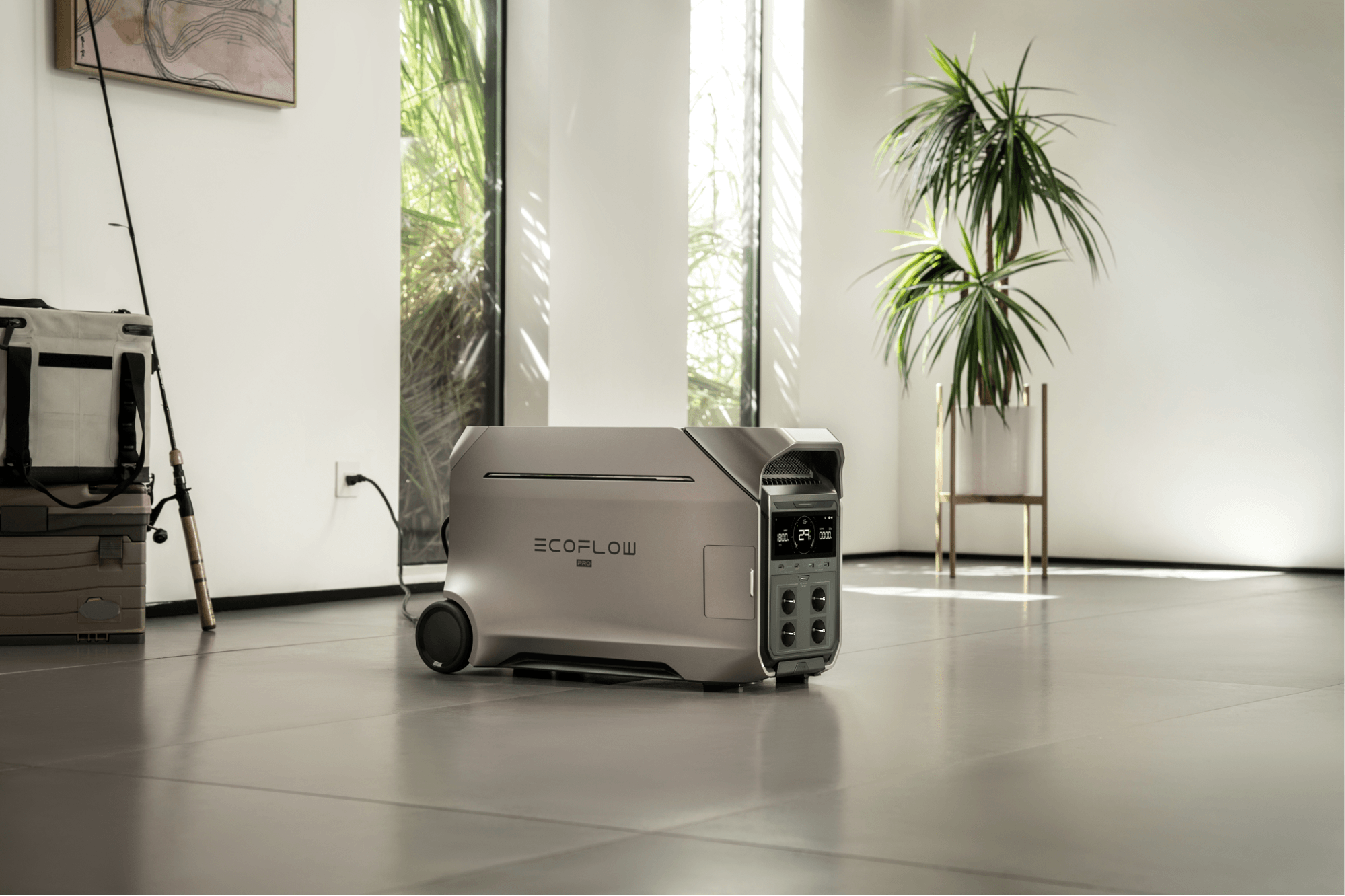
Learn how this program has evolved significantly and understand how SGIP and RSSE work together to determine whether you qualify and how much of your battery system could be covered. We’ll also cover how the EcoFlow DELTA Pro Series can help you on the road to whole-home backup.
What Is SGIP (Self-Generation Incentive Program)?
California’s Self Generation Incentive Program is a California Public Utilities Commission-administered rebate program that provides financial incentives for homeowners who install qualified distributed energy technologies.
It was originally launched in 2001 as a response to the California energy crisis to reduce peak load demand and support on-site power generation. However, the 2018 Senate Bill 700 refocused the program, allocating 80% of its budget to energy storage systems, making it primarily a battery rebate program.
Qualifying technologies include energy storage systems, combined solar and storage systems, wind turbines, fuel cells, and other behind-the-meter generation tech. SGIP uses a tiered incentive rate structure, giving early applicants a higher rebate per kilowatt-hours of storage capacity.
What Is RSSE, and Why It Changed the Program
RSSE is a budget category that was established under Assembly Bill 209 and implemented by the CPUC via a March 2024 decision. This budget allocates $280M from California's Greenhouse Gas Reduction Fund to SGIP, triggering the first time the program has been funded by a source other than utility rate payers. This expansion also extended SGIP eligibility beyond the primary investor-owned utilities. It now includes publicly-owned utilities and load-serving entities statewide.
RSSE specifically provides significant rebates, potentially covering 100% of installation costs, for solar and battery storage systems.
The RSSE budget first opened for reservations in June 2025. As of late 2025, the funding has been fully reserved. New applicants are now placed on a waitlist and funded as new slots open up through cancellations.
How SGIP + RSSE Work Together
SGIP is the overarching program framework, and RSSE is one of several budget categories within it. They have the same application portal at selfgenca.com. Together, this layered system serves a broad range of California customers and specifically supports low-income households.
The RSSE budget also created a new advanced payment program, which allows developers to receive half of the project incentive upfront once the reservation is confirmed, reducing financial barriers for installers and low-income customers.
Within SGIP's Equity Resiliency budget, customers in high fire threat districts or who have experienced more than one Public Safety Power Shutoff (PSPS) event are eligible for up to $1,000 per kWh, which is a high enough incentive to cover most or all battery system costs.
Further, the standard equity budget provides $850 per kWh for income-qualified customers who may not be located in the highest-risk fire zones.
Together, both of these programs support the same goal: putting more battery backup in the hands of California residents who need it most before the next grid emergency or wildfire season.
What Makes the SGIP Resiliency Model Different From Traditional Incentives?
Traditional incentives are typically flat rate and first-come, first-served programs with no differentiation based on your fire risk vulnerability or medical need. But SGIP's resiliency model prioritizes at-risk households by funneling higher incentive rates to those in higher fire threat districts, those impacted by PSPS events, and low-income and medically vulnerable households.
Most tax credits require the homeowner to pay the costs up front and wait for reimbursement, but SGIP incentives are applied directly to the project cost, lowering out-of-pocket expenses. However, SGIP incentivized storage systems must complete a minimum of 52 full discharge cycles per year to ensure that the batteries function as active grid assets.
Whole-home backup solutions like those from EcoFlow fit this resiliency model well, since SGIP rewards systems that can maintain critical loads during outages.
What Homeowners Should Know Before Exploring SGIP or RSSE
Eligibility varies. Your income level, utility territory, fire risk zone, and PSPS history will impact which SGIP budget category you qualify for and how much support is available.
Applications are funded in the order they are received. Funds move through stepped incentive rates, which decrease as more projects are reserved. The sooner you apply, the higher rebate per kWh you'll get.
You don't need existing solar equipment to qualify. Battery storage systems on their own are eligible under most budget categories, including RSSE.
It's best to work with an approved SGIP installer or developer. An improved installer developer will handle eligibility verification, application, and compliance.
SGIP incentives can be combined with the Federal Investment Tax Credit. If you already received a federal Investment Tax Credit, you may still be eligible for SGIP incentives, though the ITC may affect your final incentive calculation.
New residential sizing rules were finalized in December 2025. Confirm current sizing limits with your installer. Many of the EcoFlow DELTA Pro Series solutions fall within these sizing limits.
Frequently Asked Questions
What Is the Goal of California’s SGIP Program?
SGIP's primary goal is reducing greenhouse gas emissions and improving grid reliability by funding residential and commercial distributed energy technology systems. It also prioritizes energy resilience for vulnerable communities through its RSSE budget. Eighty percent of the program's budget has been focused on energy storage systems.
How Does RSSE Differ From Standard SGIP Incentives?
Standard SGIP incentives are funded by utility rate payers and available to the general market. While RSSE is funded by California's Greenhouse Gas Reduction Fund and expands eligibility to public utility customers. RSSE is also exclusive to low-income residents, with strong incentive rates for storage or solar plus storage systems.
SGIP and RSSE Prioritize Resiliency for California’s Most Vulnerable Homeowners
SGIP and RSSE are one of the United States’ most ambitious home energy resilience programs working in tandem. If you're a California homeowner who lives in a fire-prone area, or you qualify for income requirements, these programs can dramatically lower or completely eliminate the cost of battery storage. If you want funding, act now. The funding moves fast and incentive rates will step down as reservations fill up. RSSE funds are already on a wait list.
Pair these SGIP incentives with an eligible high capacity system like the EcoFlow DELTA Pro 3 to begin your journey toward whole home backup without sticker shock.
For press requests or interview opportunities, reach out to our media team
media.na@ecoflow.com