California SGIP Battery Rebate 2026: Program Waitlisted Alternatives and Next Steps
- SGIP in 2026: What “Waitlisted” Means and What to Do Right Now
- Who Still Qualifies for SGIP? And Why Batteries Matter More Under NEM 3.0
- SGIP Waitlist Alternatives: State, Utility, and Local Options to Explore
- How to Get Ready While You Wait: Paperwork, Installer Coordination, and Timelines
- Choosing a Home Battery Backup without SGIP: What to Look for and What to Avoid
- Frequently Asked Questions
- Take Control of Backup Power and Savings with a Clear Next Step
As of 2026, all California SGIP battery rebate funds are fully reserved, but you can still apply. Waitlisted applicants are prioritized when new funding is released or existing projects are canceled, so applying now puts you ahead of the queue.
This guide covers what a waitlisted status means, who still qualifies, and what alternative programs and incentives are available while you wait.
SGIP in 2026: What “Waitlisted” Means and What to Do Right Now
The Self-Generation Incentive Program is the largest rebate program in California for home battery storage.
However, as of early 2026, all funds allocated to the SGIP by the California Public Utilities Commission (CPUC) are fully reserved.
Even though the CPUC has allocated all its current funding, households that fall into certain categories can still apply for a rebate.
If you apply now, you’ll be put on a waitlist, but your application will be prioritized if the CPUC releases more funding. Your application can also be approved sooner due to project cancellations and withdrawals.
The faster you apply for an SGIP rebate, the further up the queue you’ll be. Even if the CPUC allocates new funding, as it has multiple times since 2001, funds can run out quickly.
Who Still Qualifies for SGIP? And Why Batteries Matter More Under NEM 3.0
NEM 3.0, or California's Net Billing Tariff, aims to improve the state's grid reliability by encouraging homeowners to invest in solar-plus-storage systems.
Under the new rules, you earn more credit for the energy you feed into the grid during peak evening hours than during the daytime.
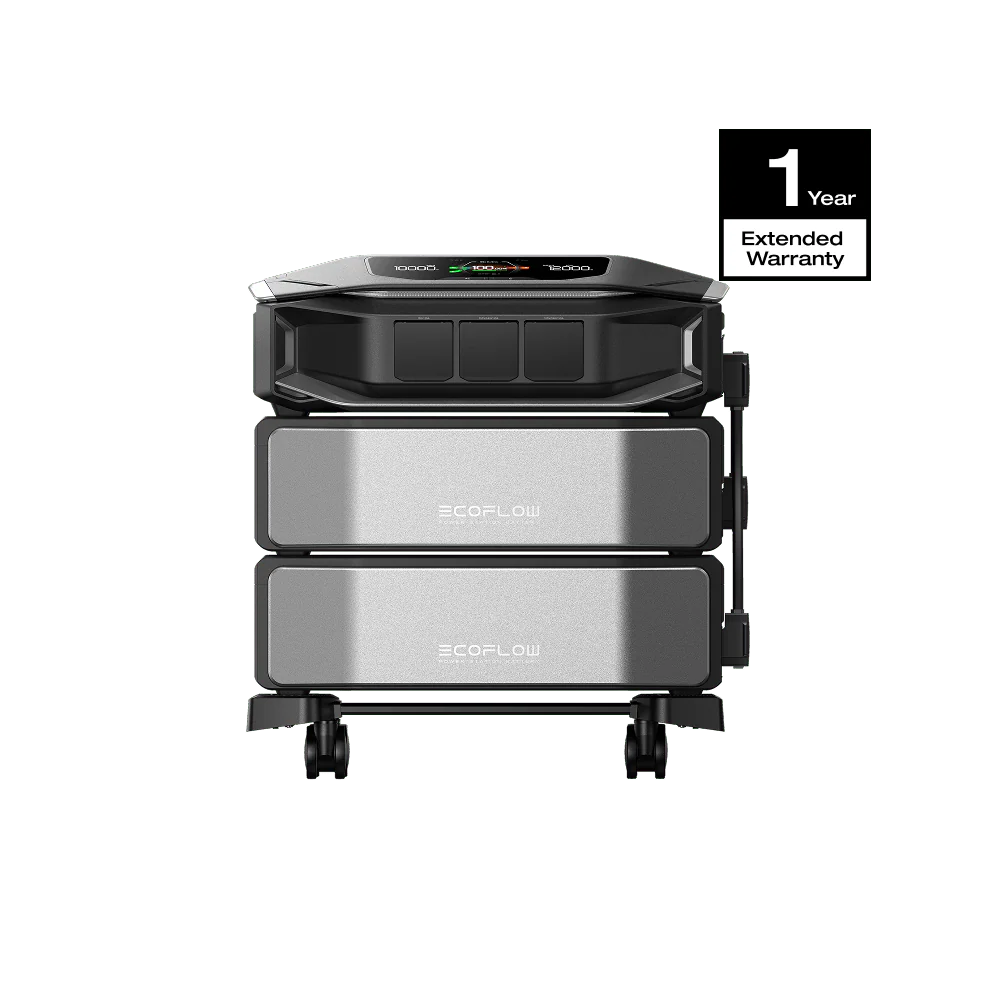
If you have a battery storage unit, such as the EcoFlow DELTA Pro Ultra X, a scalable whole-home backup system designed to store solar energy and export it to the grid when demand is highest, you can hold the excess energy generated by your solar panels during the day and feed it back during peak hours when credits are worth the most.
Without battery storage, you can only export during the day, when credits are worth the least.
As all rebate budgets are fully reserved, the SGIP prioritizes low-income households who qualify for the Residential Solar & Storage Equity (RSSE) program on its waitlist. However, you can still apply if you fall into other vulnerable categories.
SGIP Category | Eligibility Requirements | Rebate Amount |
Equity | Household income must be below 80% of the Area Median Income (AMI) or be enrolled in CARE, FERA, ESA, DAC-SASH, etc. | ~$850 per kWh |
Equity Resiliency | Your home is located in a region vulnerable to wildfires and severe weather events. You must also meet one of the following criteria:
| ~$1,000 per kWh |
Residential Solar & Storage Equity (RSSE) | For batteries paired with solar panels in low-income houses. Household income must be below 80% of the Area Median Income (AMI) or be enrolled in CARE, FERA, ESA, DAC-SASH, etc. | $1,100 per kWh (battery) + $3,100 per kW (solar) |
If you qualify and the CPUC approves your application, you could receive a rebate that covers nearly the entire purchase and installation cost of a solar-plus-storage system.
SGIP Waitlist Alternatives: State, Utility, and Local Options to Explore
When waitlisted, it can take a year or more to hear any news on the progress of your SGIP application, though that's not always the case. Still, if you want to save while you wait, there are alternative solar programs to explore.
For example, California's DAC-GT program is available to people who meet the income eligibility requirements for California Alternate Rates for Energy (CARE) and Family Electric Rate Assistance (FERA) programs. If you qualify, you can get 20% off your electricity bill. Contact your utility provider for details on enrolling.
Operated by the non-profit GRID Alternatives, the DAC-SASH program is available to low-income households in disadvantaged communities and can cover the full cost of a rooftop solar installation. GRID Alternatives is currently accepting applications.
How to Get Ready While You Wait: Paperwork, Installer Coordination, and Timelines
If you've applied for SGIP, there are things you can do to smooth the process while you wait for application approval. Start by gathering all the necessary documents you may need, such as utility bills, proof of residence, and documents to verify income qualifications.
You must choose an approved installer to get an SGIP rebate. So, while your application is in the queue, coordinate with a registered installer to get a clear picture of pricing, project complexity, and timelines.
In most cases, you need to apply for the SGIP through one of the state's utility providers, who may be able to point you in the right direction and provide information on required paperwork.
Regarding timelines, it can take two to four months from order to completed installation once your application is approved. The more prepared you are in advance, the faster things can move.
Choosing a Home Battery Backup without SGIP: What to Look for and What to Avoid
Whether you're getting an SGIP rebate or not, there are a few factors to consider when searching for a home battery backup solution.
First, consider battery capacity and output. Do you need a portable battery to power a few essentials during an outage? Or do you want a whole home backup power solution to keep your household running for days or weeks?
For reference, a continuous output of between 3.6 and 7.2 kW can power small essentials, such as light appliances, phone chargers, and portable lights. A continuous output of 11.5 kW can operate multiple appliances and an HVAC solution simultaneously.
You should also consider portability as some batteries are compact and lightweight while others are designed for integration with smart home panels and permanent solar installations.
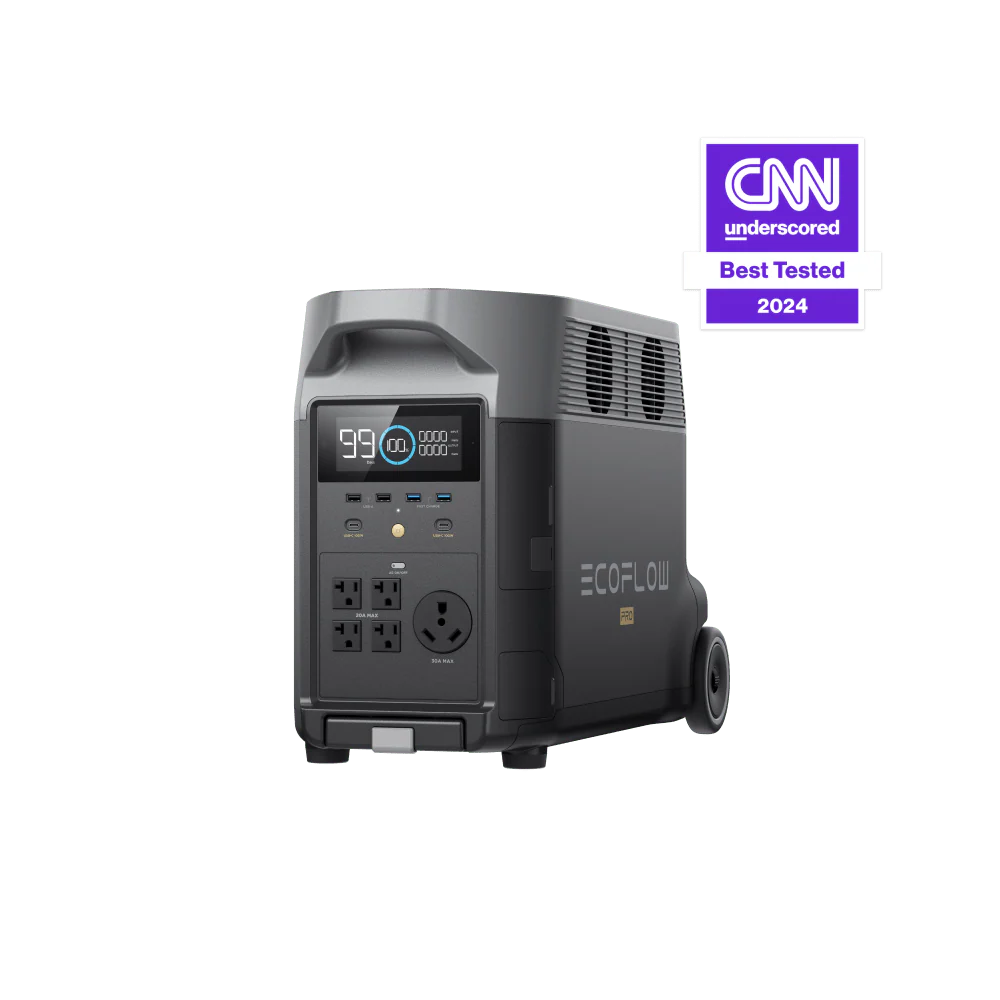
Finally, you might want to choose an expandable system so you can gradually increase its capacity as your situation and needs change. For example, the EcoFlow DELTA Pro is a portable option with a base capacity of 3.6 kWh that expands to 25 kWh. For a more robust whole-home solution, the EcoFlow DELTA Pro Ultra X starts at 6 kWh and scales all the way to 180 kWh.
Regardless of which solution you choose, avoid products from non-certified installers, and be wary of systems with short warranties.
Frequently Asked Questions
What Does it Mean if My SGIP Application is Waitlisted in 2026?
If your SGIP application is waitlisted, you can still apply for a rebate, but your application won’t be approved until either more funding is made available by the CPUC or other projects are canceled. However, it’s still worth applying as early as possible to get your application into the queue.
How Long Can the SGIP Waitlist Take, and Should I Pause My Battery Purchase?
Some people report waiting a year or more for their application to be approved once waitlisted. If you need a rebate quickly, you may want to pause your battery purchase temporarily or discuss your situation with an approved utility provider.
What Incentives Can I Use If I Do Not Qualify for SGIP or Cannot Wait?
If you can’t wait for your SGIP application to be approved or don’t qualify, you might qualify for other incentives. For example, the DAC-GT program can help low-income households gain a 20% discount on utility bills, while the DAC-SASH program can cover the entire cost of a rooftop solar installation in disadvantaged communities.
What Documents Are Typically Required to Move from Waitlist to an SGIP Reservation?
To move from waitlist to SGIP reservation, you’ll typically need an Executed Installation Contract from your approved developer and a Reservation Request Form that includes the full details of the project. You may also need past utility bills, proof of income, any special incentive documents, and, if applicable, justification for installing an ‘oversized’ system.
Take Control of Backup Power and Savings with a Clear Next Step
Whether you can access an SGIP rebate or not, a solar-battery setup can pay for itself within five to ten years. Over a lifetime, you can save hundreds of thousands of dollars with a rooftop solar installation integrated with a battery storage unit.
Get on the SGIP waitlist as soon as possible, and you might be able to get a rebate worth the entire cost of the installation. Browse the EcoFlow range of whole-home backup power solutions to discover the possibilities.
For press requests or interview opportunities, reach out to our media team
media.na@ecoflow.com