California SGIP Battery Rebate 2026: How to Claim Up to $1,000/kWh for Home Storage
- What Is the California SGIP Battery Rebate?
- How Much Is the SGIP Rebate Worth in 2026?
- Who Qualifies for the SGIP Battery Rebate?
- What Batteries Are Eligible for SGIP?
- How Do You Apply for the SGIP Rebate?
- What Is the Current SGIP Waitlist Status in 2026?
- Frequently Asked Questions
- Save Money, Boost Resilience, Cut Emissions With SGIP
California's Self-Generation Incentive Program (SGIP) has been one of the most generous battery rebates in the country, offering qualifying households enough to cover the full cost of a battery storage system. Discover how the program works, what each tier offers, and how to apply to save thousands of dollars.
What Is the California SGIP Battery Rebate?
The California Self-Generation Incentive Program (SGIP) is a rebate program managed by the California Public Utilities Commission (CPUC) that provides financial incentives for installing energy storage. It pays a per-kilowatt-hour (kWh) cash rebate for qualifying battery storage systems.
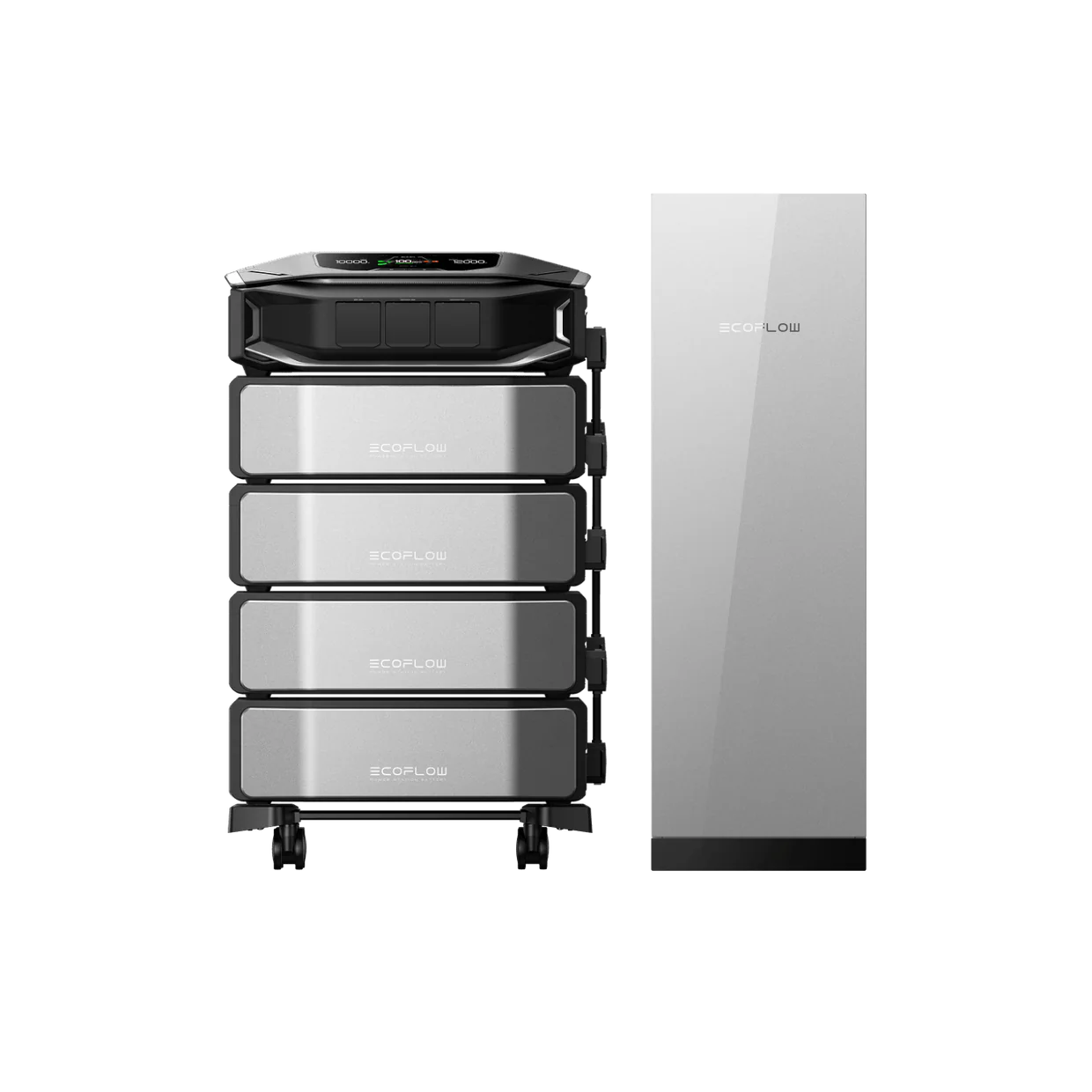
Home battery systems like the EcoFlow DELTA Pro Ultra X are designed for permanent whole-home installation, making them well-suited for programs like SGIP that require a fixed, grid-tied setup.
How Much Is the SGIP Rebate Worth in 2026?
SGIP is tiered, offering varying rebate amounts depending on your utility company, income level, and whether you live in a high fire-risk area. Understanding these tiers is essential to knowing how much you could receive and whether you’re still eligible to apply.
General Market
The General Market tier was open to all California utility customers regardless of income or location, offering a partial rebate toward the cost of a standard battery storage system. This budget closed to new applications on December 31, 2025, with no new reservations or waitlist applications accepted.
Equity
The Equity tier served households earning less than 80% of their county’s Area Median Income (AMI) or those living in designated disadvantaged communities. The rebate was roughly $850 per kWh, enough to cover most or all of the hardware cost. Like the General Market tier, this tier closed December 31, 2025, and no longer accepts new applications.
Equity Resiliency
The Equity Resiliency tier was the highest incentive tier, targeting households that were both low-income and faced elevated wildfire or outage risk, including those who lived in Tier 2 or Tier 3 High Fire Threat Districts or who had experienced Public Safety Power Shutoffs (PSPS). The rebate reached $1,000 per kWh, capable of covering 100% of the installation cost. The Equity Resiliency tier is closed to new ratepayer-funded applications as of December 31, 2025.
RSSE AB 209
The Residential Solar and Storage Equity (RSSE) program, created under Assembly Bill 209, is a significant expansion of SGIP and the only pathway currently accepting new applications in 2026. It offers $1,100 per kWh for battery storage plus $3,100 per kW for paired solar.
For qualifying low-income households, this can cover 100% of a solar-plus-storage system. As of early 2026, all available RSSE funding has been reserved, but new applications are accepted on a waitlist and funded as existing reservations are cancelled.
Who Qualifies for the SGIP Battery Rebate?
For the RSSE AB 209, eligibility requirements include the following:
Income: Your household income must be at or below 80% of the Area Median Income (AMI), or you must be enrolled in utility assistance programs like CARE, FERA, or ESA.
Utility territory: You must be a customer of one of California’s major investor-owned utilities or an eligible publicly-owned utility, such as PG&E, SCE, SDG&E, SoCalGas, or LADWP.
System type: You must install a battery storage system, and equipment sizing and output must align with CPUC and SGIP standards. Participating battery systems must be permanently installed and operated for a minimum of 10 years.
Resiliency factors (optional): While not required, priority is given to households located in Tier 2 or Tier 3 High Fire-Threat Districts, homes that have experienced multiple Public Safety Power Shutoff events, or households that rely on electric medical equipment.
What Batteries Are Eligible for SGIP?
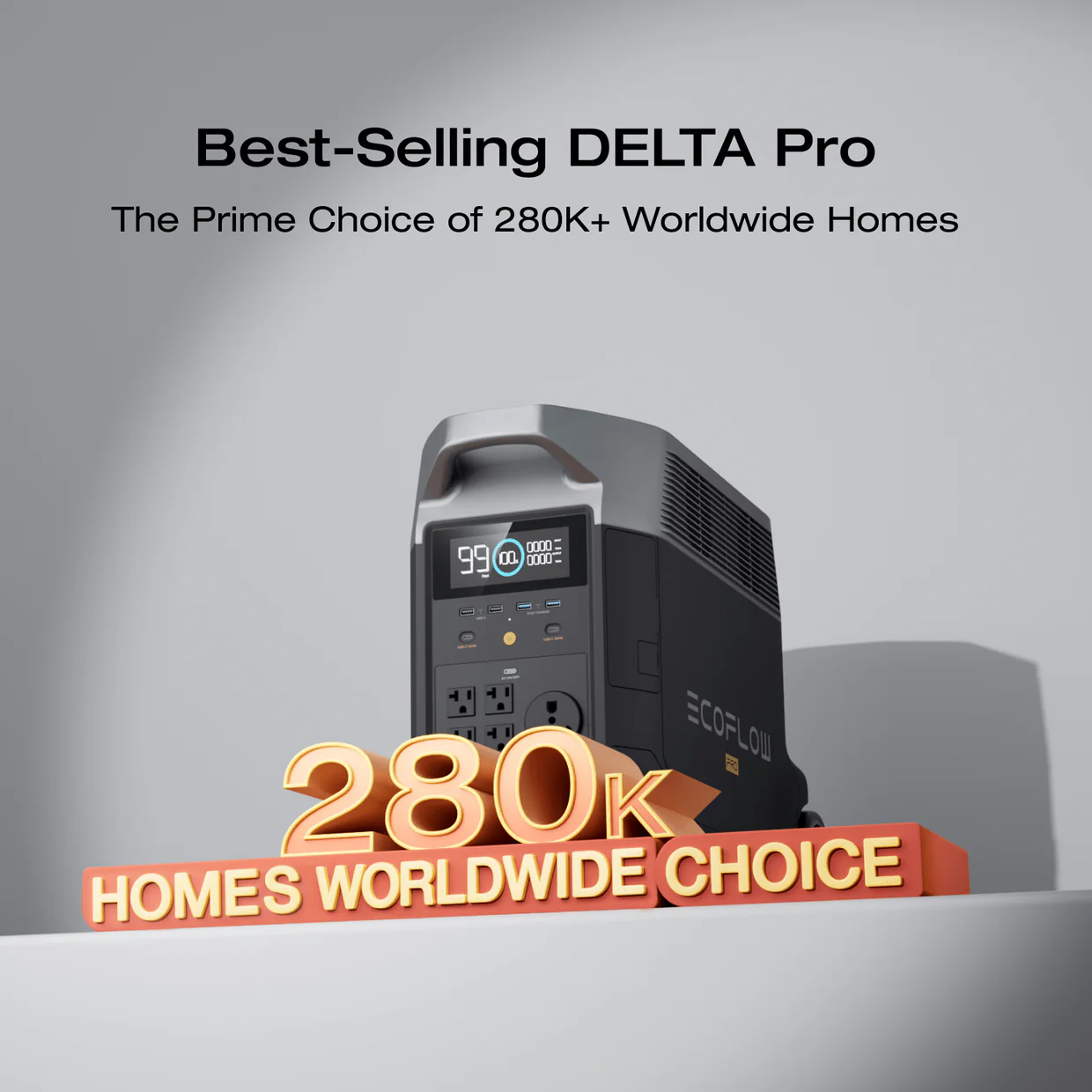
SGIP primarily supports grid-tied lithium-ion battery systems and energy storage systems installed by SGIP-certified contractors. Portable power stations like the EcoFlow DELTA Pro Portable Power Station may qualify if they meet program requirements and are permanently installed. Standalone solar panels without a battery do not qualify for most SGIP budgets.
How Do You Apply for the SGIP Rebate?
Confirm your eligibility: Check whether your income qualifies for the RSSE AB 209 budget using your utility’s income qualification tool or by contacting your SGIP Program Administrator.
Find a certified SGIP contractor: All SGIP applications must be submitted by a contractor who is registered with the SGIP program. Your installer handles all paperwork on your behalf.
Submit your reservation application: Your contractor submits a Reservation Request Form (RRF) to your SGIP Program Administrator. For RSSE, new applications are placed on the waitlist in the order received.
Install your system: Once a reservation is confirmed, you have up to one year to complete installation and meet all program requirements, including enrollment in a qualifying Demand Response program.
Submit the Incentive Claim Form: After installation is complete and you receive Permission to Operate (PTO) from your utility, your installer submits the Incentive Claim Form. This must be filed within 18 months of your Conditional Reservation Letter date.
Receive your rebate: Payment typically follows within a few months of the approved claim submission.
What Is the Current SGIP Waitlist Status in 2026?
As of early 2026, all SGIP budgets are fully reserved. The General Market, Equity, and Equity Resiliency ratepayer-funded budgets closed December 31, 2025, with no new waitlist available and no confirmed reopening date.
The RSSE AB 209 budget remains the only active pathway. It is fully reserved but does accept new waitlist applications, funded as existing reservations cancel. If you qualify for RSSE, submitting a waitlist application will place you in the queue based on the date your application was received.
Frequently Asked Questions
Can You Still Apply for SGIP in 2026?
Only the RSSE AB 209 program is open for applications. Income-qualified households can still submit a waitlist application through a certified SGIP contractor. All other budgets are closed to new applications. While waitlist timelines are uncertain, submitting an application early ensures you're first in line if a reservation opens up.
How Long Does It Take to Receive an SGIP Rebate?
Timelines vary. For active reservations, the process from application to rebate payment typically spans six to twelve months. Waitlisted applications face additional uncertainty, as funding depends on canceled reservations. To avoid delays, work with an experienced SGIP-certified contractor who can ensure your paperwork is submitted correctly and on time.
Save Money, Boost Resilience, Cut Emissions With SGIP
SGIP remains one of California's largest battery storage incentive programs, capable of covering up to 100% of installation costs for qualifying low-income and fire-zone households. While most budgets closed at the end of 2025, the RSSE AB 209 program continues to accept waitlist applications.
For households in high fire-risk areas looking to pair SGIP savings with reliable backup power, the EcoFlow DELTA Pro Ultra X offers a permanently installed whole-home backup power solution designed for California's energy landscape.
Disclaimer: This article reflects SGIP program details and eligibility requirements at the time of writing. Program funding, rebate amounts, and eligibility criteria are subject to change. Check with your SGIP Program Administrator or visit selfgenca.com for the most up-to-date information.
For press requests or interview opportunities, reach out to our media team
media.na@ecoflow.com