Bow Hunting Season: Equipment, Practice, Field Essentials, and More
- When Is Bow Hunting Season and How Do You Check State Dates?
- What Should You Do 30 Days Before Bow Hunting Season?
- What Bow Hunting Gear Should You Check Before the Season?
- How Should You Practice Before Hunting With the Bow?
- What Common Mistakes Should New Hunters Avoid Before Bow Hunting Season?
- How Can Camp Power Fit Into Bow Hunting Gear Planning?
- Prepare for Bow Hunting Season With a Safer Checklist
- FAQs
Bow hunting season rewards preparation more than last-minute packing. Before opening day, hunters need to confirm state rules, buy the right license or tag, check land access, inspect gear, and build a safe field plan. A focused preseason checklist helps reduce mistakes, protect legal access, and keep the trip organized from home to basecamp.
When Is Bow Hunting Season and How Do You Check State Dates?
Bow hunting season does not follow one national calendar in the United States. Dates vary by state, species, hunting unit, license type, public or private land rules, and the legal method allowed for that season.
In many states, deer archery seasons often begin in late summer or early fall and may run into late fall or winter. That general window is useful, but it should never replace current state regulations.
Before planning travel, start with the state fish and game agency requirements for the state where you want to hunt, then check that state’s current season dates, license rules, tags, hunting units, legal methods, and reporting requirements.
When checking dates, review:
Species and seasonal type
Hunting unit, zone, or county
Archery equipment rules
License, tag, or permit requirements
Harvest reporting requirements
Hunter education or bowhunter education rules
Do not use last year’s dates as your final source. Do not rely only on forums, old videos, or general hunting calendars. Bow hunting season dates can shift, and local rules can change by area.
What Should You Do 30 Days Before Bow Hunting Season?
A 30-day plan gives you enough time to fix small problems before they become opening-day stress. It also helps new hunters focus on the tasks that matter most.
30 days before opening day: confirm season dates, legal equipment rules, license needs, tag requirements, and land access. If you plan to hunt public land, check maps, parking rules, access hours, and any special permits. If you plan to hunt private land, get permission early.
14 days before opening day: inspect your bow, arrows, quiver, clothing, boots, pack, lights, and safety items. Replace damaged gear now, not the night before the trip.
7 days before opening day: check weather, save offline maps, charge devices, review your route, and confirm where you will park. Share your plan with someone at home.
Opening week: avoid major gear changes. Keep documents accessible, review local rules one more time, and pack based on the actual weather and terrain.
A preseason checklist should make the trip simpler. If an item does not support safety, legality, navigation, weather comfort, or communication, it may not need to be in the pack.
What Bow Hunting Gear Should You Check Before the Season?
Bow hunting gear should be checked before opening day, not during the final night of packing. A bow is only one part of the setup. Clothing, navigation, lighting, licenses, and safety items all affect how prepared you are in the field.
A compound bow is a modern bow that uses pulleys and cables to help store and release energy. A recurve bow is a simpler bow with curved limb tips. A traditional bow may include styles such as a longbow or traditional recurve, depending on local rules and personal training.
Start with the equipment that must be legal, safe, and reliable:
Bow Setup: Check the bowstring, cables if used, arrow rest, sight if used, and overall condition.
Arrows: Inspect shafts, nocks, and fletching. A nock is the part of the arrow that connects to the bowstring. Fletching refers to vanes or feathers that help stabilize the arrow.
Broadheads: A broadhead is a hunting arrow tip used where legal. Confirm the allowed type before packing.
Safety and Visibility: Pack a covered quiver, gloves, required visibility clothing, and a first aid kit.
Navigation and Light: Bring a map, compass, GPS device, headlamp, and backup light.
Documents: Keep licenses, tags, hunter education proof, and land access details in a waterproof pouch or a saved phone folder.
Boots should match the terrain and weather. Clothing should handle heat, rain, cold, and long periods of sitting still. If the weather changes, your gear should help you adapt without creating extra weight or clutter.
How Should You Practice Before Hunting With the Bow?
Hunting with the bow requires steady practice, safe habits, and honest limits. It is not enough to shoot a few arrows once and assume the season will go well. Practice helps you learn your equipment and recognize what conditions you can handle responsibly.
Use a safe and legal practice area. Inspect arrows before shooting, and do not use cracked shafts, loose nocks, or damaged fletching. If your bow, arrows, clothing, or pack setup feels unfamiliar, fix that before the season starts.
Practice should also include body control and field comfort. Long walks, cold mornings, tree stand climbs, and uneven ground can affect how prepared you feel. A tree stand is an elevated platform used by some hunters where legal and appropriate. If you use one, follow all safety instructions and wear required fall protection.
Keep practice focused on responsibility. Know your personal distance limits, and do not treat the field as the place to test new gear. Ethical bow hunting depends on preparation, patience, and knowing when not to take a shot.
What Common Mistakes Should New Hunters Avoid Before Bow Hunting Season?
Many bow hunting season problems happen before the hunter ever reaches the field. New hunters often focus on gear first and rules second. That order can create problems.
Avoid these common mistakes:
Using old season dates
Buying the wrong license, tag, or permit
Assuming all public land is open to bow hunting
Entering private land without clear permission
Forgetting harvest reporting rules
Packing new gear without testing it
Waiting too long to check arrows, boots, or lights
Forgetting a backup headlamp or charging cable
Ignoring weather and road conditions
Carrying too many items that do not solve real field needs
Land access deserves extra attention. Public land is managed by a government agency, but not every public area is open to every type of hunting. Private land requires permission from the landowner. Some states or landowners may require written permission.
Food and storage rules also matter at camp. A hard-sided camper or vehicle can provide more separation than a tent, but it should not be treated as bear-resistant. Follow local food storage rules for coolers, scented items, trash, and camp food.
Good preparation is not about carrying everything. It is about checking the rules, testing the essentials, and avoiding preventable mistakes.
How Can Camp Power Fit Into Bow Hunting Gear Planning?
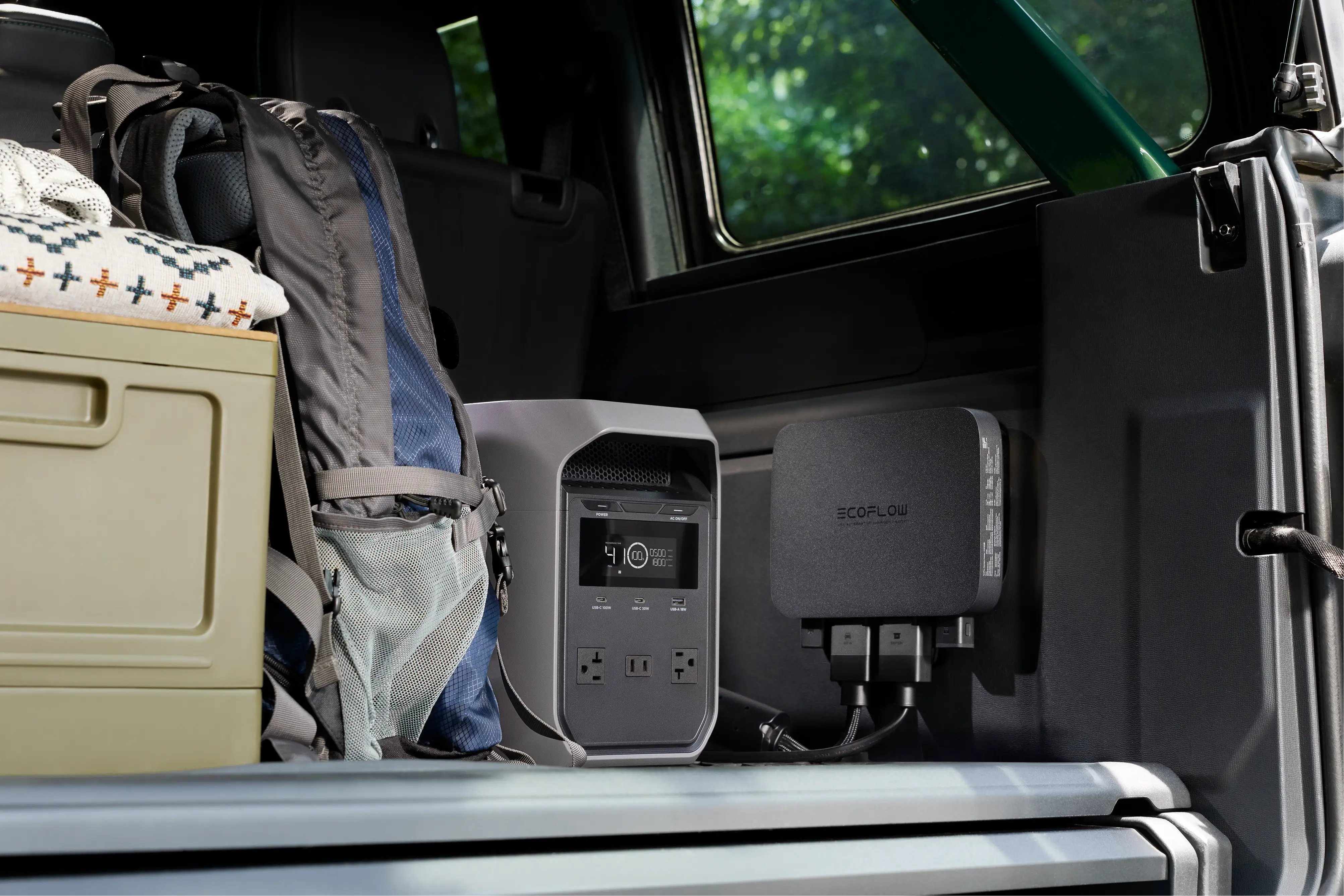
Camp power is not the first item most people list with bow hunting gear, but it can be useful for a truck camp, cabin, camper, or small basecamp. A basecamp is the main place where hunters return to rest, charge gear, prepare food, and organize equipment between field sessions.
Phones, GPS devices, headlamps, radios, cameras, and small camp devices all need power. If the trip lasts more than a day, charging becomes part of the plan. That is especially true in colder weather, when batteries may drain faster.
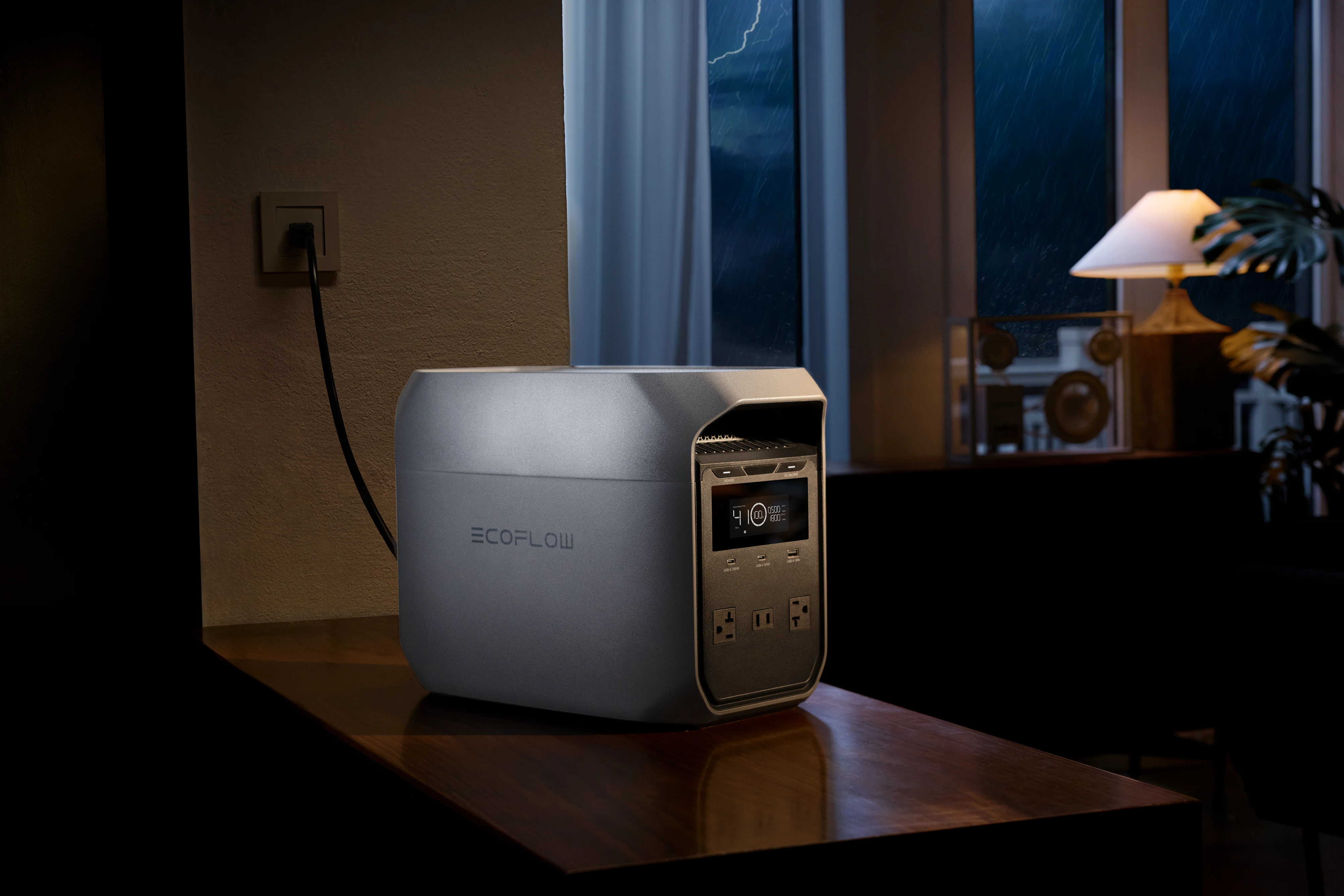
For hunters using a truck camp or cabin during bow hunting season, the EcoFlow DELTA 3 Classic Portable Power Station can fit naturally into a broader field essentials plan. Its 1024Wh capacity, meaning stored energy measured in watt hours, and 1800W output, meaning the power it can deliver at one time, can help support phones, GPS devices, headlamps, cameras, communication gear, and small camp devices between trips into the field.
Camp power works best as part of a broader field plan. It supports communication, lighting, navigation, and comfort at basecamp while keeping essential devices easier to manage throughout the trip.
Prepare for Bow Hunting Season With a Safer Checklist
Bow hunting season goes better when preparation starts before opening week. Check official state rules, confirm tags and access, build a 30-day preseason checklist, practice safely, and test gear before the trip. Then organize field essentials around weather, navigation, lighting, first aid, communication, and basecamp power. Before your next hunt, review the rules, pack with purpose, and keep safety first from the trailhead to basecamp.
FAQs
Q1. How Do I Check Bow Hunting Season Dates by State?
Check the official wildlife agency or fish and game department for the state where you plan to hunt. Review current season dates, hunting unit, species, license type, tag rules, and legal equipment requirements. Do not use last year’s dates as your final source.
Q2. What Should I Do 30 Days Before Bow Hunting Season?
Confirm season dates, license needs, tags, land access, and legal equipment rules first. Then inspect your bow, arrows, boots, clothing, lights, maps, and charging plan. Use the final week for weather checks, route planning, and document review.
Q3. What Are Common Beginner Mistakes Before Bow Hunting Season?
Common mistakes include using old season dates, buying the wrong tag, assuming all public land is open, and testing new gear too close to opening day. Beginners also often forget backup lighting, phone charging, weather changes, and land permission details.
Q4. Do I Need Bowhunter Education Before Bow Hunting?
Requirements vary by state, age, season, and hunting privilege. Some states require hunter education, bowhunter education, or both. Even when it is not required, a course can help new hunters learn safety, legal basics, and responsible field behavior.
For press requests or interview opportunities, reach out to our media team
media.na@ecoflow.com