Alternator Charging vs. Roof Solar Panels vs. Portable Solar Generators: Which Is Better for Van Conversions?
- Key Takeaway
- Energy Consumption: How Much Power Does Your Van Use?
- Alternator Charging: High-Speed Power While Driving
- Roof Solar Panels: The Quiet Off-Grid Solution
- Portable Solar Generators: Simple and Flexible
- Side-by-Side Comparison: Which Features Matter Most?
- Choosing the Right Mix for Your Van Conversion
- Powering Your Van Conversion for Total Freedom
- FAQs About Van Power
Building a reliable electrical system is the most important part of any van conversion. Without power, your fridge stops cooling, your lights won't turn on, and your phone dies when you need GPS most.
Whether you are building a DIY camper or buying a professional conversion van, you need a way to keep your house batteries full. To do this, most people choose between three main methods: using the vehicle's engine (alternator charging), catching rays with roof-mounted solar panels, or using a portable solar generator. Each method has specific strengths. This comparison will show you how they work so you can pick the right mix for your lifestyle.
Key Takeaway
How you travel and how much electricity you consume will help you find the right balance. As you plan your build, here are the most important things to remember:
Alternator charging provides the fastest charge but only works while the engine is running. It is perfect for people who drive every day.
Roof-mounted solar panels offer constant, passive power when you are parked. They are the best choice for staying off-grid for long periods.
Portable solar generators are the easiest to set up. They work well for beginners, renters, or people who want a system they can move around.
A hybrid system is usually the best answer. Combining two or more sources ensures you have power even if it is cloudy or if you decide to stay parked for a week.
Energy Consumption: How Much Power Does Your Van Use?
You need to know how much energy you'll use each day before you buy anything. This way, you won't waste money on extra batteries or run out of power in the middle of the night.
List Your Typical Loads
Start by listing everything that needs a plug. Most conversion vans include "low-draw" items like LED lights, a water pump, a ceiling fan, and chargers for phones or tablets. A 12V fridge is also common and runs 24/7.
Then, look at "high-draw" appliances. These include things with heating elements like an induction cooktop, electric kettle, or hair dryer. Air conditioners and space heaters are the biggest energy hogs and require a very large battery bank to run for more than a few minutes.
Estimate Daily Consumption
Energy is measured in Watt-hours (Wh) or Amp-hours (Ah).
Light users: Only charging phones and running lights. (Approx. 30-50 Ah per day).
Work-from-van users: Running laptops, routers, and a fridge all day. (Approx. 100-150 Ah per day).
Heavy off-grid users: Using induction stoves or AC units. (300+ Ah per day).
Why This Step Comes Before Choosing a System
If you don't know your usage, you are just guessing. A person using 200 Ah a day cannot survive on a small portable generator alone. Matching your power source to your actual daily needs ensures your van conversion stays functional and comfortable.
Alternator Charging: High-Speed Power While Driving
Charging through the engine is an efficient way to top off your batteries. You simply turn your vehicle into a mobile power station that harnesses the power generated while driving.
Alternator Charging Explained
This system connects your van's starter battery to your "house" battery bank. While driving, the alternator generates additional power. This process is regulated by something called a DC-to-DC charger (or battery isolator for older vehicles). The charger ensures that the batteries are charged properly without draining your starter battery or damaging your alternator.
Advantages
Speed is its greatest advantage. DC-to-DC chargers can deliver anywhere between 30 and 60 amps of current. It is significantly faster than most solar-powered solutions. Charging is possible in any weather condition—rain, snow, or even at night—as long as the engine is running. Moreover, because it utilizes the engine already in the vehicle, it does not take up any additional roof space.
Disadvantages
The primary disadvantage is the need to drive to charge your batteries. If you decide to park for several days in an amazing location, your batteries will eventually run out of energy. Running the engine while the van is idle is inefficient and may cause wear on your vehicle. Additionally, modern "smart alternators" in newer vans require more complex wiring and specific chargers to work properly.
Ideal Applications
If you consider yourself a digital nomad or prefer to move from one place to another every day, it is your best solution. If you enjoy road trips and visiting different cities, alternator charging may provide enough energy to keep you going.
Roof Solar Panels: The Quiet Off-Grid Solution
Solar panels are the gold standard for people who want to live off the grid. They provide a sense of freedom because they collect energy silently and automatically without any effort from you.
How Roof Solar Works
Rigid or flexible solar panels are mounted to the roof of the van. These panels collect sunlight and send it to a charge controller. The controller regulates the voltage to safely charge your batteries. Once installed, the system requires almost no attention other than cleaning the panels occasionally.
Pros
The best part of roof solar is that it is passive. It charges while you are hiking, sleeping, or working inside. It is completely silent and uses no fuel. This makes it perfect for "boondocking" on public lands where you want to stay in one spot for a week or more without moving the van.
Cons
Solar is at the mercy of the weather. On cloudy days or in the winter, your power production will drop significantly.
You are also limited by the physical size of your van roof. If you have a roof fan, an AC unit, and a cargo rack, you might only have space for one or two panels.
Finally, installation is permanent and usually involves drilling holes in your roof.
Best Use Cases
Roof solar is perfect for stationary travelers who value peace and quiet. If you want to park in the desert or a forest for days at a time, solar is your best friend. It is also great for people with consistent, moderate power needs like running a fridge and lights.
Portable Solar Generators: Simple and Flexible
Portable power stations have become very popular recently. They offer an "all-in-one" solution that combines a battery, an inverter, and a charge controller into a single box that you can carry.
What Portable Solar Generators Are
These units are essentially a "power plant in a box." You can plug them into a wall outlet at home, a 12V socket in your van, or portable folding solar panels. They usually have built-in USB ports and AC outlets, making them very easy to use right out of the box.
The main advantage is simplicity. There is no complicated wiring or drilling involved. This makes them ideal for people who are renting a van or those who are not comfortable with DIY electrical work. Since the panels are portable, you can park your van in the shade to keep it cool while placing the panels 20 feet away in the direct sun.
Portable units are often more expensive for every Watt-hour of storage you get compared to building a custom system. They also have limited capacity. While they can charge a laptop many times, they might struggle to run a heavy-duty fridge for several days. You also have to set them up and pack them away every time you move, which can become a chore.
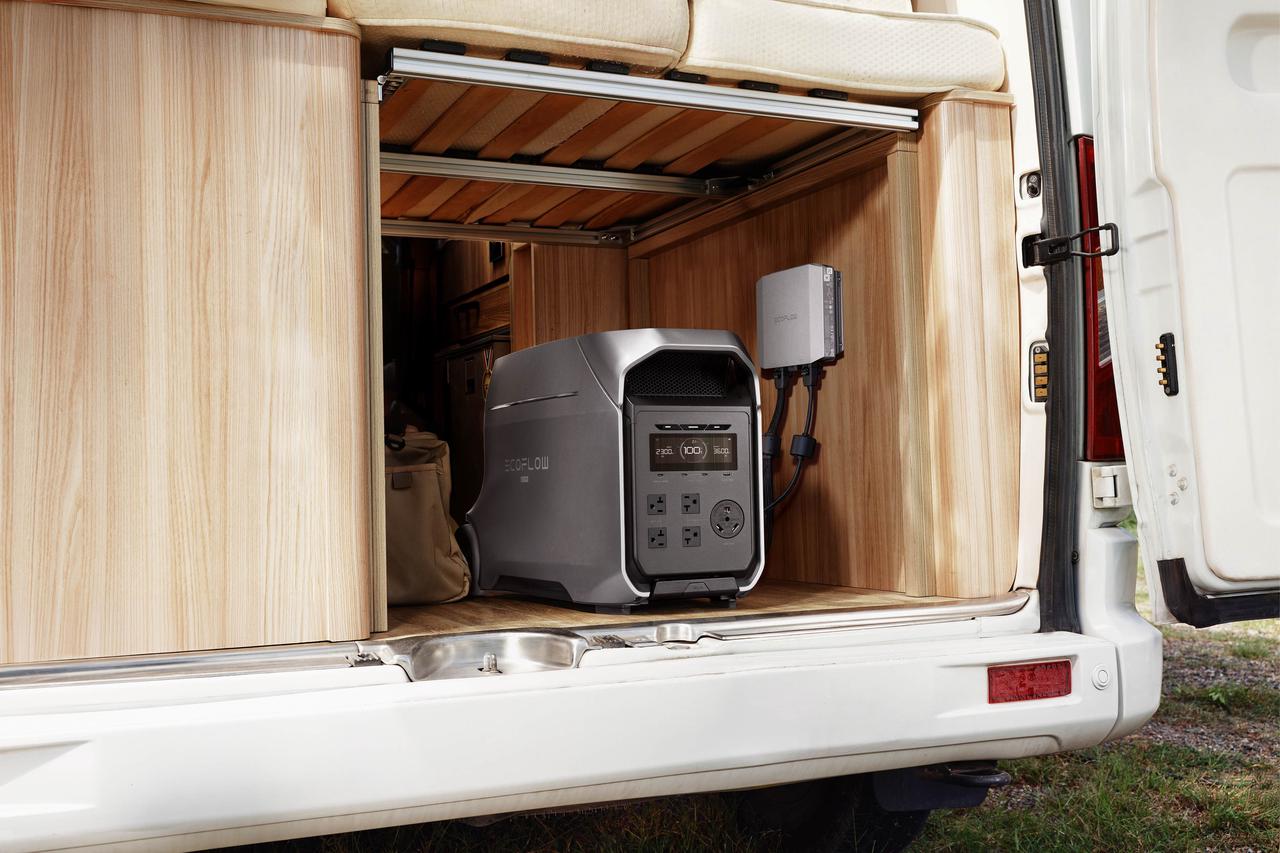
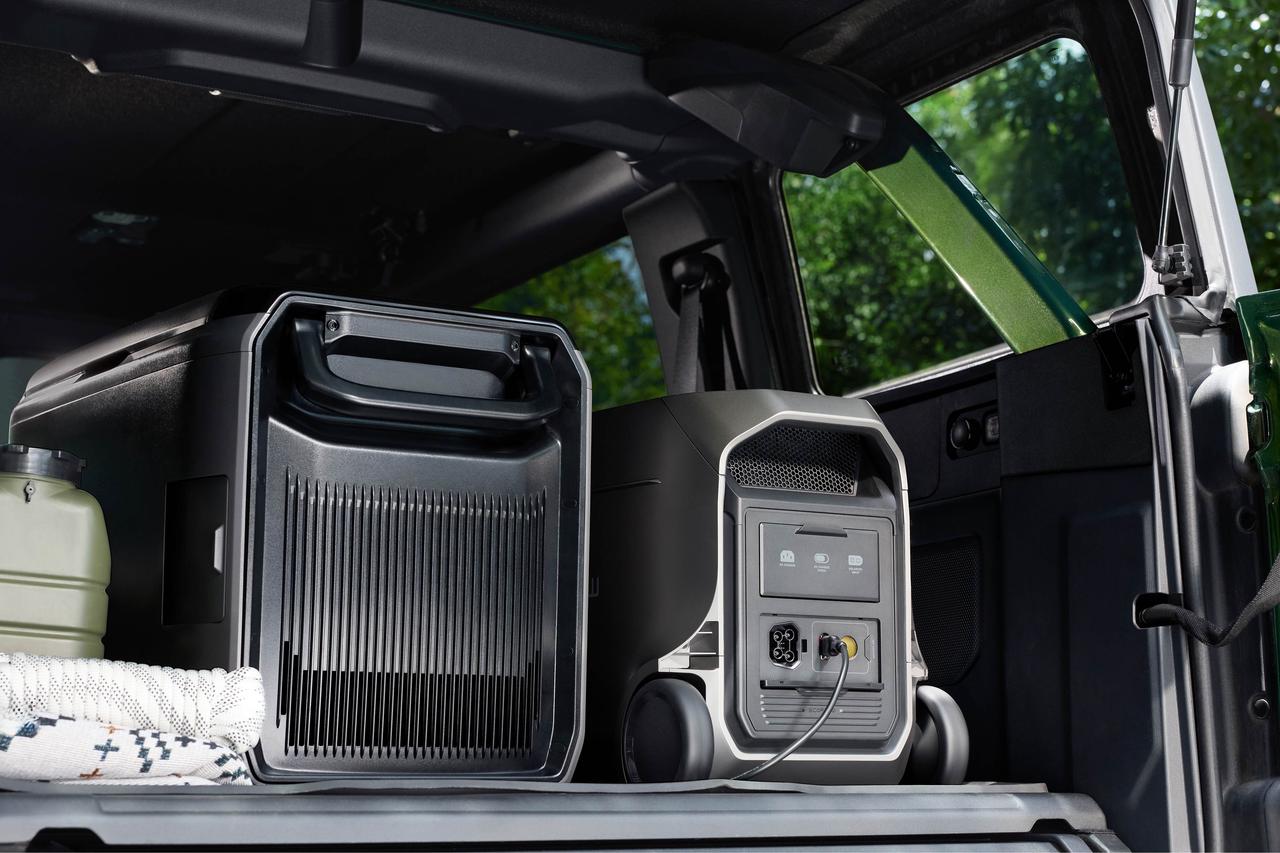
These units are great for weekend campers or people just starting their first van conversion. They also serve as a reliable backup. For those needing serious power, the EcoFlow DELTA 3 Ultra (3072Wh) with two 220W solar panels is a top-tier choice. It features a 3600W output and charges to 80% in 89 minutes. This durable, quiet system easily handles heavy-duty appliances and off-road bumps.
Side-by-Side Comparison: Which Features Matter Most?
To choose the right path, you need to compare these options across the factors that affect your daily life. What works for a weekend surfer might not work for someone living full-time in their van.
Key Comparison Factors
When looking at these three options, consider charging speed first. The alternator is the fastest, solar is medium-speed, and portable units are often the slowest to refill.
Next, think about "labor." Roof solar is zero-effort once installed, while portable panels require manual setup.
Finally, consider cost. DIY solar is often cheaper in the long run, but portable units have a lower barrier to entry.
Feature | Alternator Charging | Roof Solar Panels | Portable Generators |
Charging Speed | Very Fast | Slow to Medium | Slow |
Reliability | High (if driving) | Weather Dependent | Medium |
Installation | Moderate Wiring | High (Drilling/Mounting) | None (Plug & Play) |
Effort to Use | Zero (Just drive) | Zero (Passive) | High (Manual setup) |
Best For | Frequent travelers | Off-grid boondockers | Beginners/Part-timers |
Choosing the Right Mix for Your Van Conversion
A single power source might not enough for some people. You can make a "failsafe" system by combining methods. You can drive to charge if it's raining. Your panels do the work if you park in the sun.
If You Drive Every Day
If you're on the move all the time, your top priority should be an alternator. A robust DC-to-DC charger combined with a small amount of roof solar (200 Watts) will keep your batteries topped off easily. This setup is efficient and also saves roof space for other gear.
If You Park for Days or Work Remotely
On the other hand, if your goal is to park in a quiet spot and stay there for up to a week, your best option would be to maximize roof solar. Aim for 400–600 Watts of panels and a larger battery bank (200–400 Ah). Include a basic alternator charger as a backup in case a week of rain hits your camp.
If You Are on a Budget or Simply Exploring Van Life
If you do not know what you will require at this point, then you should start with a portable solar generator that you can easily carry around. Over time, as you get used to your usage habits, you can decide whether to install a permanent roof-mounted system or add an alternator setup later on.
Safety and Compatibility Tips: Electricity can be very dangerous when improperly installed. Ensure that you use the appropriate wires and fuses for each connection. If you are combining your built-in battery with a portable power supply unit, make sure they are connected safely. When in doubt, it is always worth paying a professional to check your wiring.
Powering Your Van Conversion for Total Freedom
Your setup should work for you, not against you. Allow your alternator to do the work if you enjoy the drive. Let the roof solar catch the rays if you'd rather park in peace. When you mix these methods, your fridge stays cold and your phone stays charged without any worry. Grab the EcoFlow DELTA 3 Ultra (3072Wh) with two 220W solar panels for an easy and adaptable way to power your trip right now!
FAQs About Van Power
Q1: Is there an option to have my van powered only by the alternator without solar?
Yes, it's an option. However, in this case, you will have to drive nearly every day. The chances of exhausting your power are very high if you plan to stay in one spot for more than 24 hours. Using the alternator alone might also result in idling your engine for charging, which can be noisy and inefficient over time.
Q2: How much roof solar power do I need for van life?
With just the basics (such as a fridge and some lights), 200 Watts is usually enough. To power a laptop throughout the day, consider around 400 Watts. If you use high-power appliances (e.g., a microwave or induction cooker), you should install as much solar as your roof allows, typically 600 Watts or more.
Q3: Are portable solar generators enough for full-time van life?
They can be, although it will require a lot of effort. Full-time van dwellers often find the small battery capacity and the need to constantly set up portable panels frustrating. It is better suited for part-time van life or as a secondary power source.
For press requests or interview opportunities, reach out to our media team
media.na@ecoflow.com