Portable Power Station vs. DIY Solar System: Which is Best for Your Van Build?
Key Takeaway
In determining whether to go with a portable power station or a DIY solar system for your van conversion, it is best to consider your budget, your level of technical expertise, and how you plan to use the van. While a portable power station is perfect for beginners and short trips, a DIY solar system is generally more suitable for long-term use and greater flexibility.
One of the biggest parts of any van conversion is installing the electrical system. You have the option of getting an all-in-one portable unit, or you can opt for building your own system using separate parts. It is also one of the most confusing parts. Anyone who has tried to understand the difference between volts, amps, and watts knows that the lingo can be overwhelming. If you don't get the right system, you risk dead batteries in the middle of a trip or wasting thousands of dollars on equipment that you don't actually need. Both options will be explored in this review, and you'll know which one is right for your van conversion goals by the end, whether you're building a tiny home that you live in full-time or just a sleeper van for the weekends.
Step One: How Much Power Does Your Van Need?
You need to know how much energy you use before you buy any gear. Each light, tool, and appliance uses a different amount of power, so the first thing you need to do is add up your daily totals.
Common Van Life Devices and Their Draw
Most van builds include a similar list of electronics. To get an accurate estimate, look at the labels on your devices. Common items include:
12V Fridge: Runs 24/7 but cycles on and off.
Roof Fan: Low draw, usually used for hours at a time.
LED Lights: Very efficient, but usage adds up at night.
Laptop and Phone: Charged daily; laptops draw more power.
Water Pump: High draw but only runs for seconds at a time.
Induction Cooktop: Very high power draw; requires a large system.
Estimate Daily Energy Use
To find your total, multiply the watts a device uses by the hours you use it. For example, a 60-watt laptop used for 3 hours consumes 180 watt-hours. Doing this for every item gives you a rough daily "budget."
Identify Your Trip Style
A "weekend warrior" who drives a few hours to a campsite might only need enough juice for a phone and a small cooler. A full-time traveler working remotely needs enough storage to last through three days of rain. Some people even use their van systems as home backups during power outages, which requires even more capacity.
Option 1: Portable Power Stations for Simple Builds
Portable power stations have become a favorite for many new builders. These devices offer a "box" that handles everything, making it the fastest way to get lights and fans working in a van.
What is a Portable Power Station?
You can think of this as a giant battery bank with built-in smarts. It combines a lithium battery, a power inverter (to change DC to AC), a charge controller for solar, and various plugs into one shell. You can charge these units using a standard wall outlet at home, a cigarette lighter socket in your van, or portable solar panels that plug directly into the side.
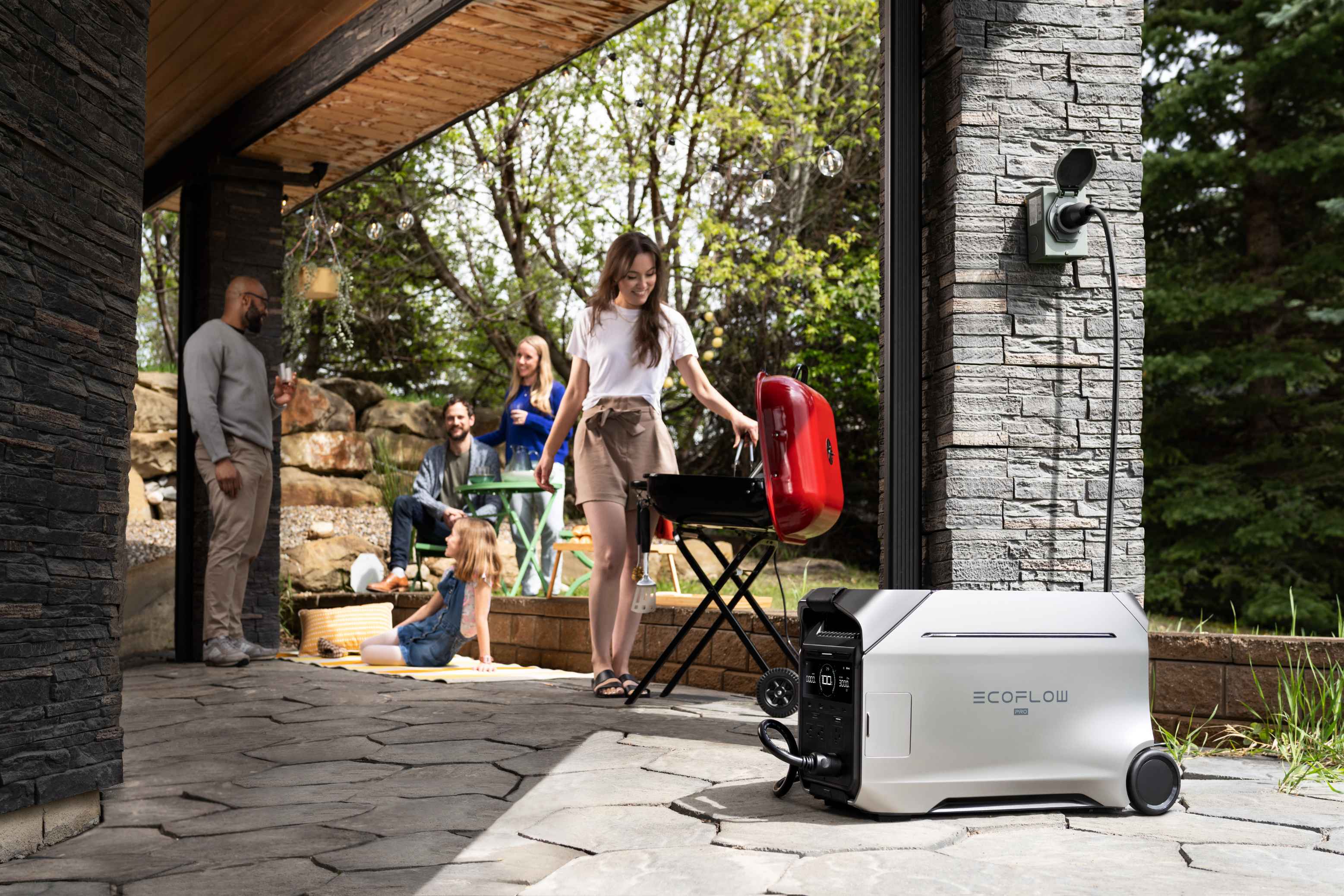
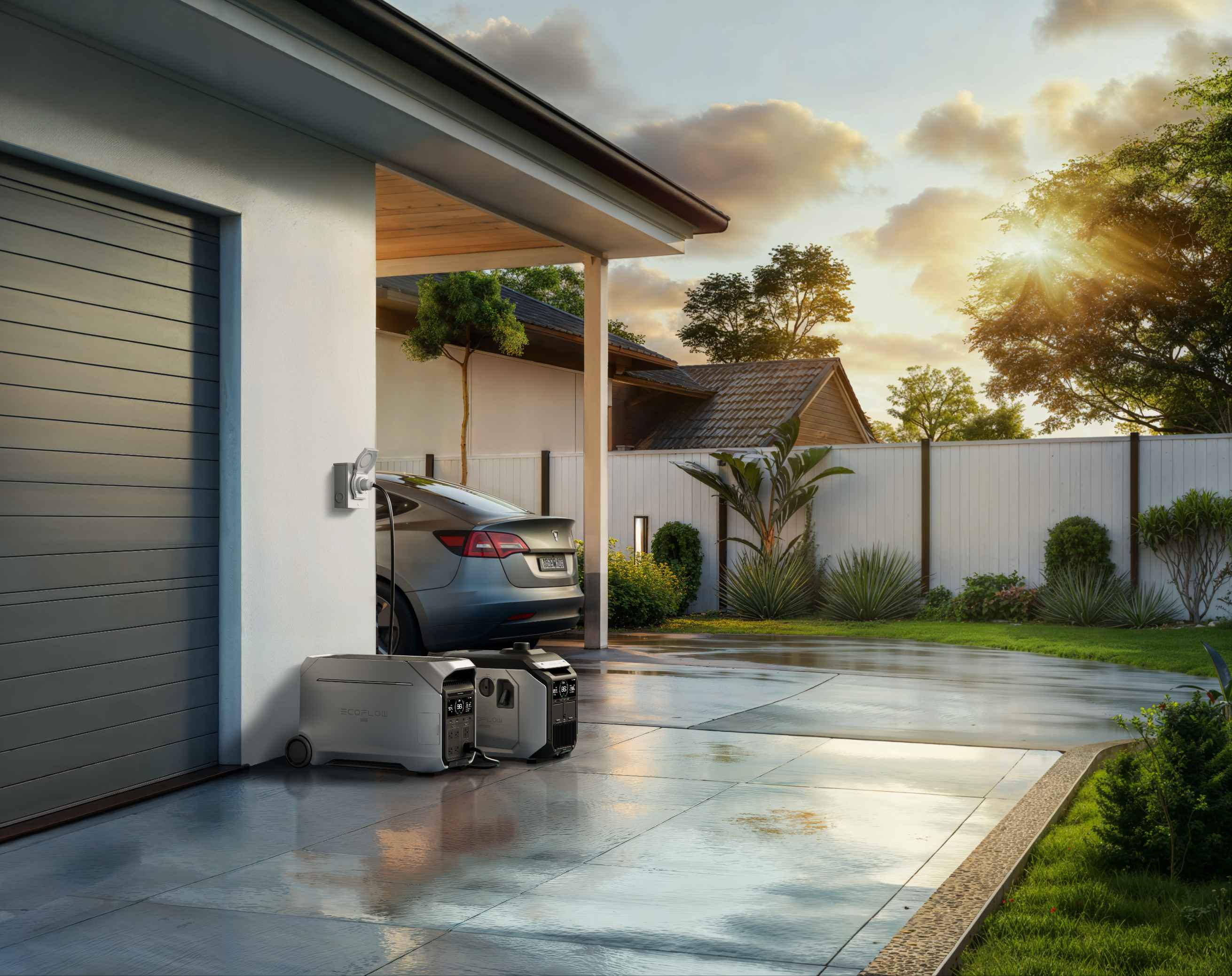
For higher‑demand van builds, EcoFlow DELTA Pro 3 offers 4–48kWh expandable LFP storage, up to 4000W 120/240V output with X‑Boost to 6000W, fast plug‑and‑play charging, and durable, wheeled portability for RVs and off‑grid trips.
Pros of Portable Units
The biggest benefit is the "plug-and-play" nature. You do not need to know how to crimp wires or calculate fuse sizes.
It is a self-contained unit that you can move from the van to a picnic table or even back into your house.
Most come with clear screens that show exactly how much power is coming in and going out, and many offer phone apps for monitoring.
Cons of Portable Units
The main downside is the price per watt-hour. When you buy these, you pay a premium for the convenience and the casing.
They are also hard to expand. If you find out you need more power later, you usually have to buy a whole second unit rather than just adding one more battery.
Also, if a single internal part breaks, the whole unit might become useless until it is sent back for repair.
Best Use Cases
These are perfect for people who rent their vans or do not want to drill holes for permanent wiring. They work great for short trips and for beginners who feel nervous about electrical work. If you want a low-risk solution that works right out of the box, this is likely your best bet.
Option 2: Building a DIY Solar System
A DIY solar system involves buying separate parts and connecting them yourself. While it takes more work to set up, it provides a tailored experience that fits the exact layout of your vehicle.
What is a DIY Van Solar System?
In this setup, you choose every piece. You buy solar panels for the roof, a dedicated charge controller, a battery bank (often Lithium Iron Phosphate), an inverter, and all the necessary fuses and wires. These DIY solar systems are integrated directly into the van's structure, with wires hidden behind the walls and panels bolted to the roof.
Pros of Custom Systems
Customization is the top selling point. You can fit as many panels as your roof allows and build a battery bank as large as you want.
These DIY solar electric systems are generally much cheaper for high-capacity needs.
If a part fails, you can replace just that one piece rather than the whole system.
You can also easily add more batteries later if your power needs grow.
Cons of Custom Systems
The learning curve is the biggest hurdle. You must spend time researching wire gauges, fuse ratings, and proper grounding.
Installation takes days, not minutes.
You are also responsible for troubleshooting if something goes wrong, which means you need to carry a multimeter and understand how the circuit works.
This is the standard for full-time van life. If you plan to live in your van for months or years, the reliability and cost-savings of a DIY solar system are worth the effort. It is also the best choice for those using high-draw appliances like induction stoves or hair dryers.
Head-to-Head Comparison: Portable vs. DIY
Looking at these two options side-by-side helps highlight the trade-offs. While both provide electricity, they differ greatly in how they handle costs, installation, and long-term maintenance.
| Feature | Portable Power Station | DIY Solar System |
| Cost | Better value for small capacities. | Better value for large capacities. |
| Installation | Nearly zero effort; plug and go. | Complex; requires tools and planning. |
| Expandability | Low; usually requires a new unit. | High; modular parts can be added. |
| Repair | Hard to fix; usually needs a warranty claim. | Easy to swap individual components. |
| Space | Takes up floor or shelf space. | Components are hidden in cabinets/walls. |
The Hybrid Approach: Combining Both Systems
Some van lifers use a mix of both to get the best of both worlds, creating a redundant setup that handles different tasks.
A portable power station can serve as a "starter system." You can use it to power your lights and phone while you spend months building the rest of the van. Later, once you install a full DIY solar system, the portable unit becomes a great backup.
Having a portable unit alongside a permanent system adds flexibility. For example, you can take the portable unit outside to power a projector for a movie night under the stars without running long extension cords from your van’s main outlets. It also acts as a safety net; if your main system has an issue, you still have a way to keep your phone charged and your lights on.
How to Decide: A Simple Framework
Making a final choice depends on your timeline, your budget, and your comfort level with tools. Use these simple logic steps to see which direction you should lean toward.
Lean toward a Portable Power Station if: You are a beginner, you are in a rush to get on the road, or you only plan to use the van for weekend trips. It is also the right choice if you want to use the battery in other places, like at home during a storm.
Lean toward a DIY Solar System if: You are moving into your van full-time, you have high power needs (like a fridge and a laptop), and you enjoy the process of building things. This path saves money in the long run for large builds.
If you are unsure: Start with a medium-sized portable unit. It allows you to get out and camp right away. As you spend time in the van, you will learn exactly how much power you use. If you outgrow the portable unit, you can then build a permanent system and keep the portable one for backup.
Pick Your Van Power Setup
The right choice gives you peace of mind so you can focus on the road. If you plan to swap vehicles soon, a portable unit stays with you. If this van is your long-term home, a custom DIY solar system pays off every single day. Trust your skills and your budget. Both paths lead to the same goal: keeping your lights on while you find your next favorite view.
FAQs
Q1: Is a portable power station sufficient for full-time van life?
A portable unit is sufficient, but only if your needs are small. If all you need is a small fridge, a fan, and a phone charger, a large portable unit may be enough. But if you need to work on a computer all day or run high-power appliances, a portable unit might not provide enough power because it can run out of juice quickly.
Q2: Which option is more cost-effective?
For small setups, such as a system of around 1000Wh, the total cost is often comparable. A DIY system might be slightly cheaper if you already own the necessary tools and buy parts wisely, while a portable unit costs more but usually includes a warranty and safety certifications.
For larger setups above 2000Wh, a DIY system is usually more cost-effective per Wh. However, the trade-off is that you spend more time on planning and installation rather than paying for a plug-and-play solution.
Q3: Can I add solar panels to a portable power station?
Absolutely. Most units have a solar input port. You can use folding "suitcase" style panels or even mount rigid panels to your roof and run the wires to the unit. Just make sure the panels match the voltage limits of your power station.
Q4: Can I start with a portable unit and upgrade later?
Yes. Many people start with a portable unit and upgrade later. You can use it during the early stage of your build and then install a permanent solar system once you have more budget or better DIY skills.
For press requests or interview opportunities, reach out to our media team
media.na@ecoflow.com