Rigid vs. Flexible: Choosing the Right Solar for Your RV
- Rigid vs. Flexible Solar for RVs: What’s the Difference?
- Performance Differences That Matter for RV Solar Setups
- Installation, Weight, and Mounting Considerations for RVs
- Durability, Replacement Cycles, and Long-Term RV Solar Costs
- When Rigid Solar Panels Make More Sense for RV Living
- When Flexible Solar Panels Are the Better RV Choice
- How Modern RV Solar Systems Combine Flexibility and Reliability
- Which RV Solar Panel Should You Choose?
- Frequently Asked Questions
- Choosing the Right Solar Panel Type for Your RV
Being able to power your devices on a road trip can make a big difference to your comfort level. Whether you’re living long-term off-grid or just going away for the weekend, solar panels can help you stay connected or enjoy home comforts like a fridge.
Modern RVs can use both flexible and solar panels, but each system solves different problems. Let's take a look at which is the best option to keep you charged up as you hit the road.
Rigid vs. Flexible Solar for RVs: What’s the Difference?
Rigid solar panels are made from glass-covered photovoltaic cells in an aluminum frame. They're basically the same as solar panels you'll see on buildings, but scaled down for mobile use.
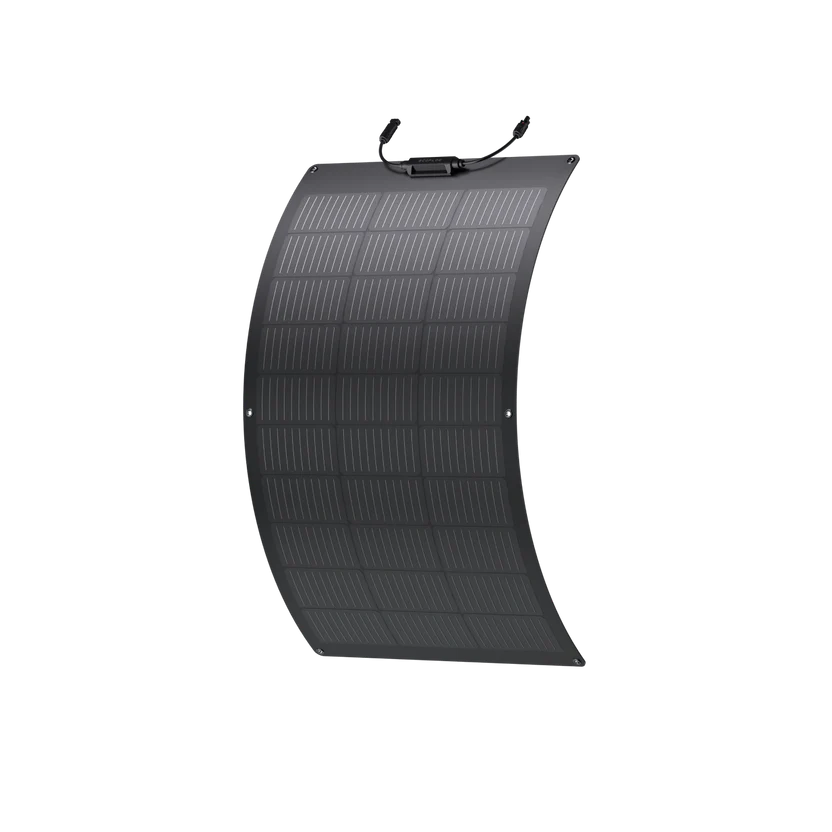
Flexible panels, like the EcoFlow 100W Flexible Solar Panel, use thin solar cells laminated to a bendable polymer surface. That makes them lightweight, low profile, and able to conform to curved roofs or unusual mounting areas.
To boil it down, rigid panels offer durability and efficiency, while flexible panels provide greater adaptability and easy installation.
Performance Differences That Matter for RV Solar Setups
So which is better? Well, that's complicated.
Generally, a rigid solar panel will produce more power per square foot. The glass surface sheds heat better, helping maintain efficiency on hot days.
Flexible panels aren't as good at shedding heat, which can reduce output in peak sun. The difference may not seem huge, but it can add up during the summer when the panels work all day.
A flexible panel can still be enough for moderate energy needs. But a rigid panel is usually going to give you more power, all other things being equal.
Installation, Weight, and Mounting Considerations for RVs
Power isn't the only thing you have to think about. Installation is often where flexible panels shine.
Rigid panels:
Need mounting brackets and rails
Add weight to your roof
Create airflow gaps that increase the height of your vehicle
Flexible panels:
Sit directly on top of the roof
Weigh much less
Can be attached directly to the vehicle
For many vehicles, including pop-top campers or vans with curved roofs, a flexible panel may be the only practical solution. On larger RVs, though, rigid panels become an option.
Durability, Replacement Cycles, and Long-Term RV Solar Costs
Rigid panels are made to last. They resist UV exposure, hail, snow, and temperature swings. When properly cared for, they can last for a decade or more.
Flexible solar panels sacrifice some durability for greater versatility. Over time, damage or loss of efficiency means they may need to be replaced sooner.
Rigid panels tend to be more expensive upfront, but last longer. Flexible panels are cheaper but less durable.
When Rigid Solar Panels Make More Sense for RV Living
Rigid panels are usually a better choice when:
You have plenty of roof space
You have a large RV that can support permanent mounting hardware
You have high energy needs
You're planning to live off-grid for long periods
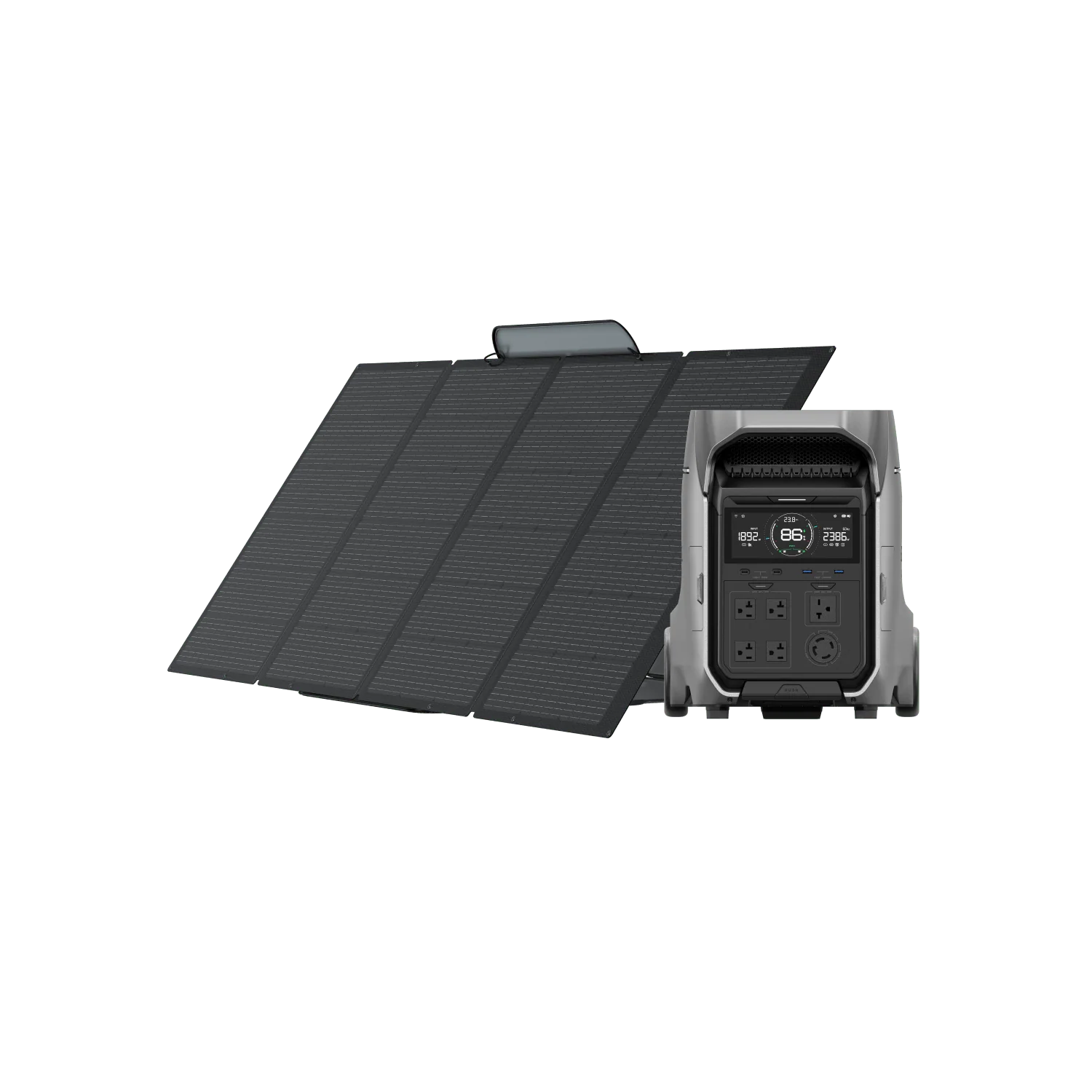
They are the best choice for full-timers who use whole-home backup like the EcoFlow DELTA Pro 3 to run fridges, inverters, and multiple electronics every day. Link the two together to create an EcoFlow DELTA Pro 3 Solar Generator for lasting renewable energy.
When Flexible Solar Panels Are the Better RV Choice
Flexible panels are a great option when:
Roof space is limited, especially when you have a curved roof or a pop top
Weight restrictions are a concern
You want a low-profile setup
You don't use a lot of power
They are popular with vanlifers and weekend travelers who want solar capability, but don't want to install permanent roof hardware. They are also excellent for discreet campers, as you can remove them easily.
How Modern RV Solar Systems Combine Flexibility and Reliability
One way to overcome the relative disadvantages is to blend both panel types. Lots of modern RV solar setups use rigid panels to handle baseline power generation, then fill awkward spaces with flexible panels or use them to supplement output.
This allows you to maximize your total wattage, adapt to roof obstructions such as vents and AC units, and balance efficiency with flexibility.
Pair your solar panels with a smart power station and energy management system, and you can have the best of both worlds: durable and efficient rigid panels for your basic needs, and flexible panels to add a little extra capacity when you need it.
Which RV Solar Panel Should You Choose?
The right choice for you will depend on your power needs, your vehicle, and the way you travel. Here are some things to ask yourself:
How much power do I realistically need every day?
Is my roof flat, curved, or carrying lots of equipment?
Do I value longevity or ease of installation more?
Do I have space for a rigid panel, including the height it will add to the vehicle?
Everyone will have different answers to these questions. In general, though, for a long-term off-grid rig, rigid panels are usually going to provide better value over time. On the other hand, if you have a compact or unconventional RV or don't need much power, a flexible panel can let you generate solar energy in places rigid panels wouldn't fit.
Think about your needs and the kind of camping you enjoy. Also, think about your vehicle's capabilities. That should help you make the right decision between rigid and flexible solar panels.
Frequently Asked Questions
Are Flexible Solar Panels Good for RV Living?
Yes, especially for smaller RVs or those with curved roofs. They’re easy to install and low profile. However, they usually have lower efficiency than a rigid panel, and won't last as long.
How Many Solar Panels Do I Need for My RV?
It depends on how much power you use. 200 to 300W can be enough for a small setup. For full-time RV living, including refrigeration and electronics, you might need 600W or more.
Do Flexible Solar Panels Overheat?
Flexible solar panels tend to sit flat on the roof, without the space underneath for cooling that rigid panels have. The heat that builds up can reduce the efficiency of these panels, so it's important to space them properly.
Choosing the Right Solar Panel Type for Your RV
Both rigid and flexible solar panels have their uses in your RV energy system. The best setup will be one designed around your real-life travel habits, power needs, and your vehicle's setup.
If flexible solar panels are the right answer for you, check out the different options available from EcoFlow’s Flexible Solar Panel collection and see how lightweight solar can transform your RV experience.
For press requests or interview opportunities, reach out to our media team
media.na@ecoflow.com