Tent or RV Camping? Which Is Better for You
Tent camping costs less and feels more immersive. RV camping is more comfortable and easier on families. If you camp a few times a year on a budget, a tent usually wins. If you travel longer, with kids, or want a real bed at the end of the day, an RV makes more sense. The answer depends on your situation, not a universal ranking.
The Real Differences Between Tent and RV Camping
The gap between these two styles goes beyond gear. It shapes how you sleep, eat, move, and spend money across the entire trip.
Tent camping puts you directly in the environment. You feel the temperature drop at night, hear rain on the fly, and wake up without a buffer between you and the outdoors. That closeness is part of what draws people to it. RV camping still puts you in a natural setting, but your living conditions stay consistent regardless of weather. You cook in a kitchen, sleep in a real bed, and use a bathroom without leaving the vehicle.
Cost Comparison at a Glance
| Factor | Tent Camping | RV Camping |
| Startup cost | $100–$500 for core gear | $10,000–$100,000+ to buy; $150–$300/night to rent |
| Campsite fees | $15–$40/night | $30–$80/night (hookup sites) |
| Fuel costs | Minimal | High (most RVs get 8–12 mpg) |
| Maintenance | Very low | Ongoing and sometimes expensive |
| Setup time | 15–30 minutes | 5–15 minutes once practiced |
Tent camping is cheaper in almost every category. The exception is long-term RV ownership where fuel and maintenance become routine rather than surprising.
Comfort and Physical Demands
This is often the deciding factor, especially for trips longer than a weekend.
What Tent Camping Requires
Sleeping on the ground is genuinely uncomfortable for some people, no matter how good the sleeping pad is. Temperature regulation is also harder. A cold night in a tent means layering up and hoping you packed correctly. A hot night can be miserable without airflow.
Setup takes more physical effort too. Hammering stakes, stretching guy lines, and organizing gear in a small space adds up after a long drive. If you're backpacking to the site, weight becomes a serious constraint on everything you bring.
What RV Camping Provides
An RV handles the comfort variables automatically. The bed is always the same. The temperature is controllable. If it rains, nothing gets wet. Families with young children often switch to RV camping specifically because the logistics become much simpler. Kids can nap on schedule, food prep is easier, and there's storage space for everything.
The trade-off is that driving a large vehicle requires confidence and practice. Backing into a campsite with a 35-foot rig is a real skill. Some campgrounds also restrict larger vehicles, which limits where you can go.
Freedom and Flexibility on the Road
Both options allow mobility, though in different ways.
Camping in a tent allows access to more distant locations. Tiny campsites, remote sites, and even locations where there are no roads are accessible. This type of camping provides flexibility as putting up the camp and dismantling it requires less than an hour without any amenities.
R.V. camping allows flexibility by moving on to another camp site, parking, and being set up within minutes. Everything is in your vehicle, which means you don’t have to repack again and again. If you spend two weeks on a road trip across many states, this is very practical.
The downside of R.V. camping is that the vehicle needs specific amenities to park and operate. Campsites with hook-ups are more expensive and scarce.
Matching the Style to Your Trip Type
Neither option is always better. The right choice changes depending on how you camp.
| Situation | Better Choice |
| Weekend trip, low budget | Tent camping |
| Family trip with kids under 10 | RV camping |
| Solo or couple backpacking | Tent camping |
| Two-week multi-state road trip | RV camping |
| First-time camper on a budget | Tent camping |
| Camping with older adults or mobility issues | RV camping |
| Camping in remote or backcountry areas | Tent camping |
Essential Packing Lists for Both Styles
Preparation looks very different depending on which style you choose. A complete tent camping checklist and a solid RV camping checklist both take time to build correctly.
Tent Camping Checklist Essentials
Weight and weather readiness are the two main concerns.
Tent rated for your expected conditions, with a footprint
Sleeping bag matched to overnight low temperatures
Sleeping pad (insulated for cold weather)
Camp stove, fuel, and a lighter
Headlamp with spare batteries
Water filter or purification tablets
Layered clothing including a rain layer
First aid kit
RV Camping Checklist Essentials
Vehicle readiness and hookup gear take priority here.
Freshwater hose and pressure regulator
Sewer hose and fittings
30-amp or 50-amp power cable (depending on your RV)
Leveling blocks and wheel chocks
Basic tool kit for minor repairs
Bedding, towels, and kitchen supplies
Outdoor furniture (chairs, folding table)
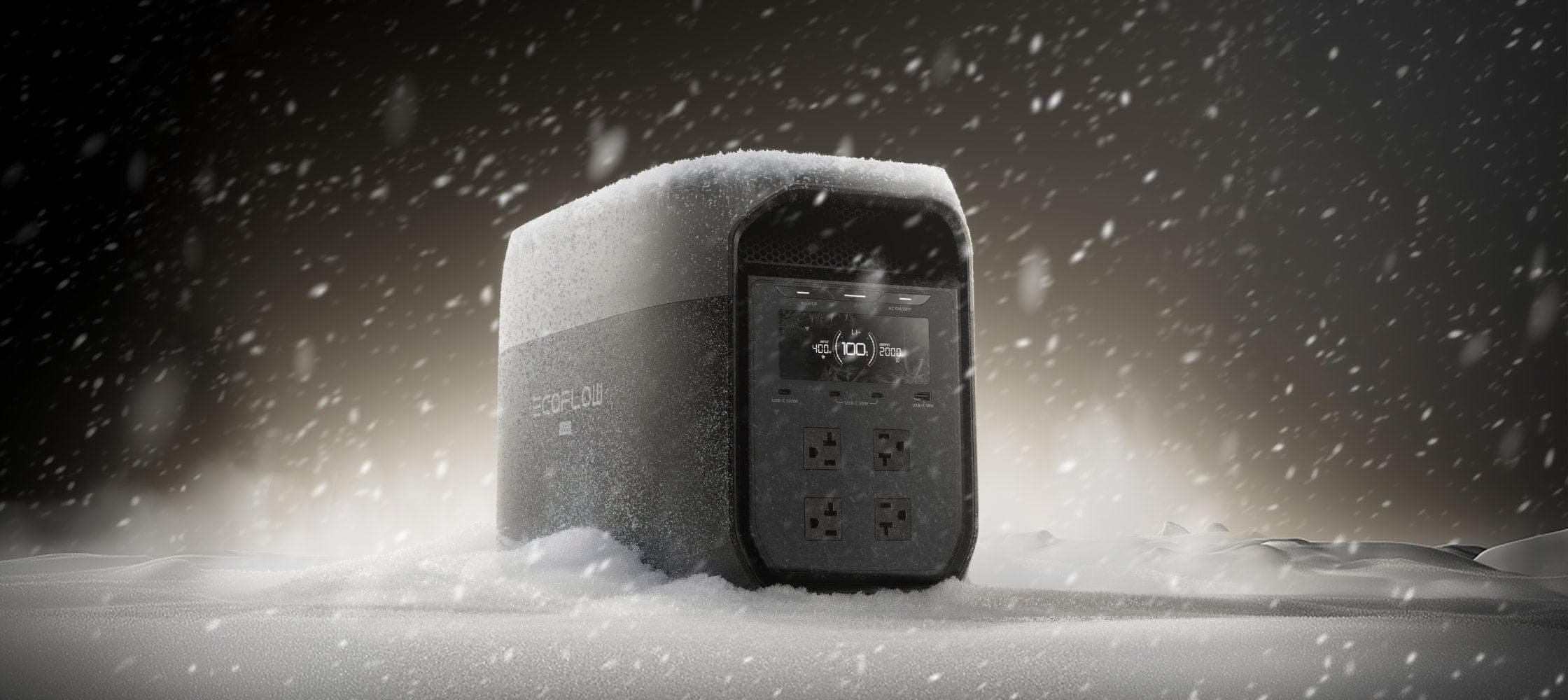
One item worth adding to both lists is a portable solar generator. It solves the power problem cleanly on any campsite, without noise or fuel. For tent camping, the EcoFlow DELTA 3 Max + 220W Solar Panel is a practical pick, delivering 2,400W of output with a 2,048Wh capacity and quiet 25dB operation. For RV campers who want to skip paid hookups entirely, the EcoFlow DELTA 3 Max Plus + 2×220W Solar Panels steps things up with 3,000W output, expandable capacity up to 10kWh, and enough solar input to recharge to 80% in roughly 96 minutes of good sun. Both run on LFP batteries built to last over 10 years.
Start Planning Your Next Camping Trip
While tent camping offers more immersion and affordability, RV camping provides comfort and ease. No matter which one you choose, the key is to make it match you as a camper. Make sure your choice corresponds with your traveling style and expectations, and create a checklist. Start planning!
FAQs
Q1. Is Tent Camping More Affordable than RV Camping?
Definitely yes! While RV camping requires more investment, tent camping is considerably more affordable for most types of expenses: equipment, campsites, transportation, and even maintenance. Budget-conscious campers may save thousands of dollars annually choosing tent camping.
Q2. Can a Beginner Manage an RV Trip?
Sure! Most beginners will cope perfectly well with an RV trip. The best strategy is to rent RV before buying it, and then everything will become clear. Although driving an RV takes time to get used to, most people will be fine after their first trip.
Q3. What Must First-Time Campers Include in Their Tent Camping Checklists?
To create the perfect checklist for first-timers in tent camping, you should cover basics including shelter, sleeping arrangements, food preparation, and water filtration. The essential items to include are a proper tent, sleeping bag, camp stove, portable water filter, headlamp, and first-aid kit.
Q4. How Different Are RV Camping Checklist from Tent Camping Checklist?
There are some differences between RV and tent checklists. RV checklists focus on such aspects as vehicle supply and setup materials and equipment. On the contrary, tents require lightweight, easy-to-carry gear. And finally, the primary distinction is weight management.
Q5. Will You Benefit from Bringing a Solar Generator?
Yes, you definitely will. If you are a regular camper who goes to campings every now and then, a portable solar generator will provide you with quiet and eco-friendly power without hookups. You may consider models of EcoFlow DELTA 3 Max and DELTA 3 Max Plus.
For press requests or interview opportunities, reach out to our media team
media.na@ecoflow.com