Fishing in BC: Salmon, Trout, and Steelhead - A Complete Guide with Portable Power for Remote Waters
- Why Is British Columbia One of the Best Fishing Destinations in Canada?
- The Best Fish Species to Catch in BC
- When Is the Best Time to Fish for Salmon, Trout, and Steelhead in BC?
- 4 Top Fishing Spots in British Columbia
- What Power Challenges Do Anglers Face on Remote BC Waters?
- Gear and Devices Needed to Power a Fishing Trip
- How Do Portable Power Stations Support Off-Grid Fishing Trips?
- Frequently Asked Questions
- Portable Power Keeps Your BC Fishing Trip Running Strong, Even Off the Grid
Few parts of Canada are as naturally beautiful as BC. In addition to being known for things like camping and exploring in the wilderness, BC also has some of the best fishing in the country.
Learn more about fishing in BC in this guide, such as why it’s such a good place to fish, what you can catch, the top fishing spots, and even how to ensure you can always have the power you need, even on remote backcountry fishing trips.
Why Is British Columbia One of the Best Fishing Destinations in Canada?
British Columbia is beloved as a fishing destination for its variety. You can target different species in saltwater or freshwater, and choose between remote wilderness spots and easily accessible ones close to town.
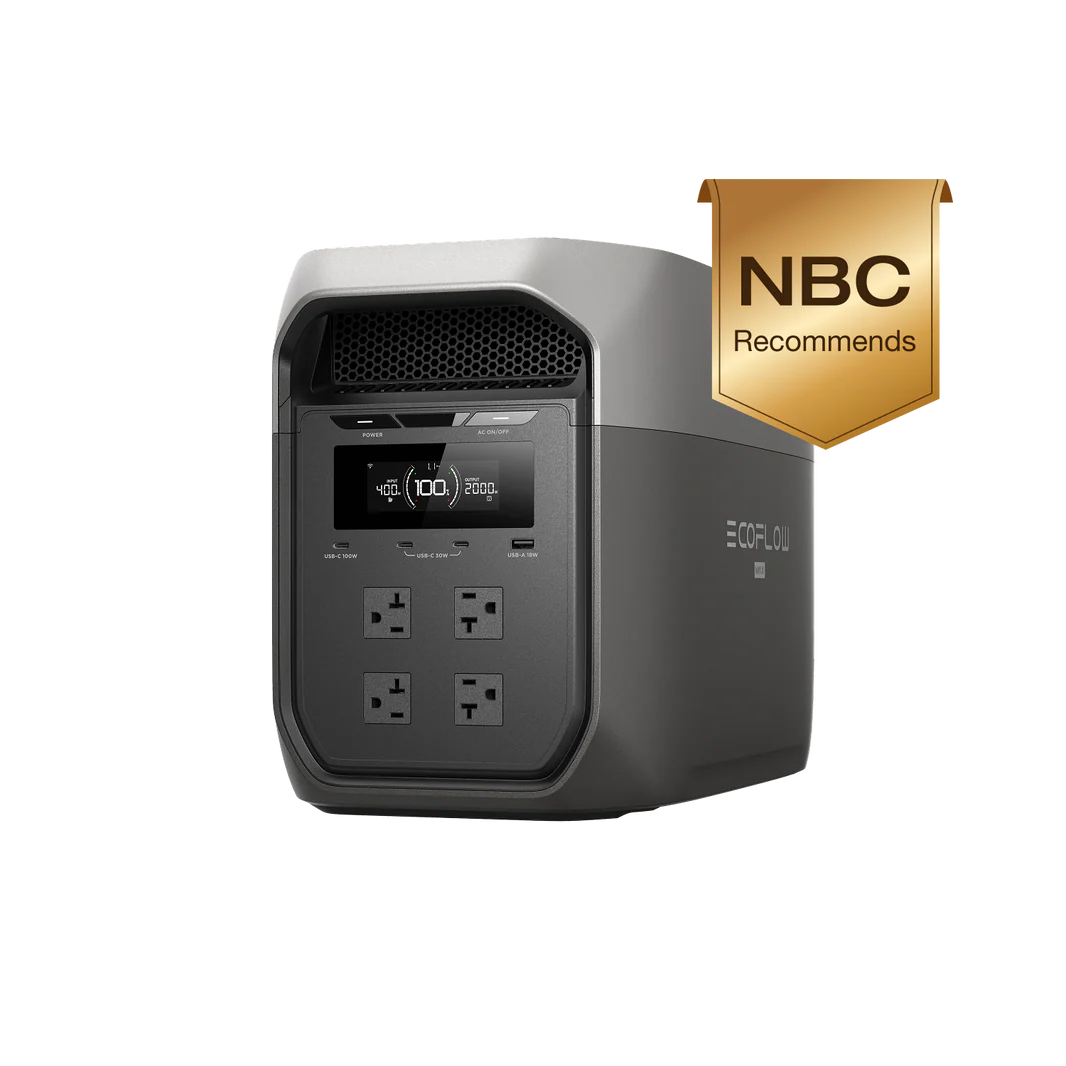
If you're heading somewhere remote, bring a portable power solution like the EcoFlow DELTA 3 Max (2048Wh) to keep your devices charged, so you can stay in touch and find your way back if something goes wrong.
BC's lakes and rivers are also framed by stunning mountain views, the weather stays moderate most of the year (although it gets colder up north), and the province has solid fishing infrastructure throughout.
The Best Fish Species to Catch in BC
While there is a huge variety of fish to catch in BC, here are some of the best and most popular.
Pacific Salmon
Salmon fishing in BC is popular for good reason: the province is home to chinook, pink, sockeye, coho, and chum salmon.
Trout
BC is also full of great trout water. You'll find rainbow, brown, and bull trout in lakes, rivers, and streams province-wide.
Steelhead
If you want a real challenge, target steelhead; they're famous for their fight and acrobatic jumps, making them tough to hook and tougher to land.
When Is the Best Time to Fish for Salmon, Trout, and Steelhead in BC?
The best time for salmon depends on the species. Chinook run strongest from May through July, with coho and other species arriving later in summer and fall.
Trout move to deeper, cooler water in high heat, so target them in spring and fall, or early morning and evening in summer.
You'll find both winter steelhead (January to May) and summer steelhead (July to November), so there's a season for nearly every trip.
4 Top Fishing Spots in British Columbia
While BC is full of great places to fish, here are a few of the top fishing spots worth checking out.
Skeena River and Tributaries
The Skeena is BC's second-largest river and a year-round destination for salmon, steelhead, and trout, with tributaries that serve as key spawning grounds.
Vancouver Island Rivers
Vancouver Island's rivers offer excellent fishing too, including the Stamp River for coho, chinook, and sockeye, and the Cowichan River for brown and rainbow trout.
Fraser River and Lower Mainland
The Fraser River and Lower Mainland offer easy-to-reach, year-round fishing for salmon, sturgeon, and trout.
Remote Fly-In Lodges and Backcountry Waters
For something further off the beaten path, book a fly-in lodge and fish backcountry waters for trout, pike, Arctic grayling, and more.
What Power Challenges Do Anglers Face on Remote BC Waters?
When you're fishing remote BC waters, power problems can wreck a trip fast. Your electric downrigger and trolling motor can drain a marine battery quickly, and many remote areas offer no way to recharge.
That also makes it hard to keep your GPS, communication tools, and sonar charged, yet these are the devices you rely on to find fish, stay in touch, and find your way home. That's why it's worth planning for portable power on any remote BC trip.
Gear and Devices Needed to Power a Fishing Trip
Whether you’re fishing in BC, fishing in New Brunswick, or anywhere else in Canada, here are some of the gear and devices you’ll need to power during your trip.
Fish Finders and Boat Electronics
Fish finders use sonar to map the water beneath your boat, showing depth, structure, and nearby fish, while helping you avoid hazards. Trolling motors, radios, and pumps are other electronics worth keeping charged.
Phones, GPS, and Satellite Communicators
Your phone, GPS, and satellite communicator are your lifeline in an emergency, so they need to stay charged too.
Camp Lighting and Cooking Gear
If you're camping, plan to power your lights, kettle, or other cooking gear.
How Do Portable Power Stations Support Off-Grid Fishing Trips?
Bringing portable power keeps your off-grid fishing trip running smoothly. It powers your marine electronics and keeps your phone and safety gear charged, which matters even more when you're far from help.
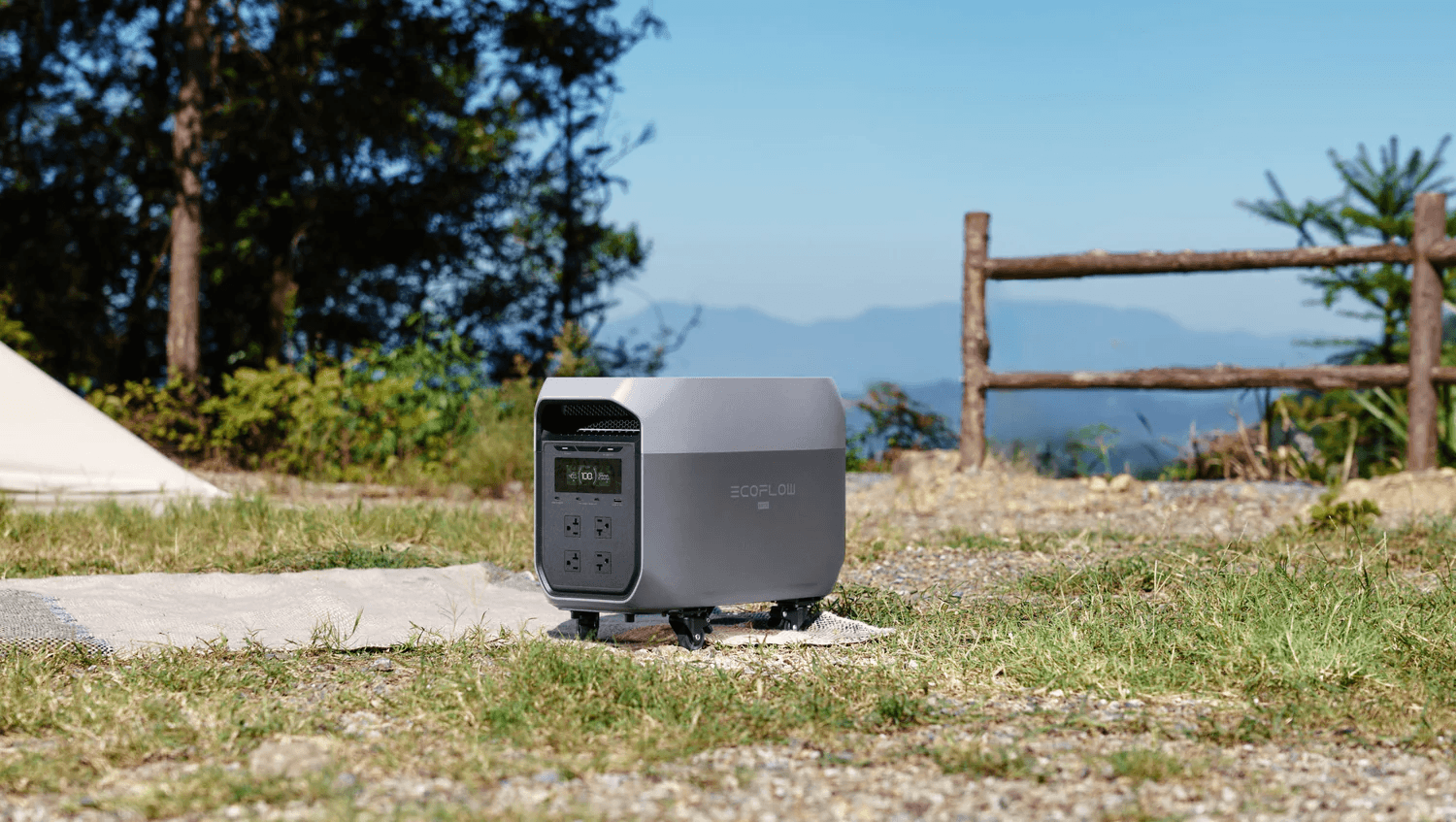
A unit like the EcoFlow DELTA 3 Max (2048Wh) can also upgrade camp comfort, running lights, coolers, and small appliances, and it pairs well with solar panels if you want to recharge on the go.
Portable power matters in cold weather too: portable power for ice fishing can run a heater, an electric auger, and your depth finder or underwater camera.
Frequently Asked Questions
Do You Need a License to Fish for Salmon and Steelhead in BC?
Yes. You'll need a valid fishing licence to target salmon, steelhead, and most other species in BC, and the type depends on whether you're fishing tidal or non-tidal waters. If you plan to keep salmon, you'll also need a conservation stamp, so check current regulations before you head out.
What Is the Best Month to Fish for Salmon in BC?
This depends on the type of salmon you’re after and where in BC you’re fishing. For example, April to June is when chinook salmon migrate back to streams, while chum salmon arrive in September. If you’re not picky about the variety of salmon, you can catch them throughout the spring, summer, and parts of fall.
How Do You Keep Electronics Charged on a Remote Fishing Trip?
The best way to keep your electronics charged up on a remote fishing trip is to bring some source of portable power, such as a power bank or portable power station. Also, try to restrict your usage and keep devices out of extreme temperatures to keep batteries strong.
Portable Power Keeps Your BC Fishing Trip Running Strong, Even Off the Grid
Whether you're fishing a popular lake or heading off-grid into BC's remote waters, portable power is worth bringing along. It keeps your safety and fishing gear charged, so you can focus on the catch, not your battery level.
If you're gearing up for your next trip, take a look at the EcoFlow DELTA 3 Max (2048Wh) to see if it fits your setup.