Fishing in New Brunswick: Miramichi Atlantic Salmon and Sport Fishing Guide
- Where Is the Miramichi River, and Why Is It Important for Atlantic Salmon?
- What Does Fly-Fishing Only Mean for Anglers on the Miramichi?
- How Do Non-Residents Access the Miramichi, and What Are the Guide Rules?
- When Is Salmon Season and What Other Species Should You Expect?
- Ready to Power Your Miramichi Fishing Adventures with EcoFlow?
- Frequently Asked Questions
- Power, Plan, Fish: Reliable Power, Legal Access, Better Salmon Days
New Brunswick is home to some phenomenal salmon and sport fishing, and it’s widely considered one of the best places on the continent, with its large river systems and coastal ecosystems.
But navigating these waters successfully means having a good understanding of the seasonal runs and local regulations, as well as careful preparation for the wilderness.
This guide takes a closer look at the Miramichi River, covering conservation rules, visitor requirements, and how to prepare for the ultimate fishing trip.
Where Is the Miramichi River, and Why Is It Important for Atlantic Salmon?
The Miramichi River in New Brunswick winds across the province through dense woodlands until it empties into the Gulf of St. Lawrence at Miramichi Bay. It has a huge watershed, including several branches and tributaries like the Main Southwest Miramichi and the Cains River. It’s the ideal habitat for cold-water fish reproduction, with deep staging pools and clean currents.
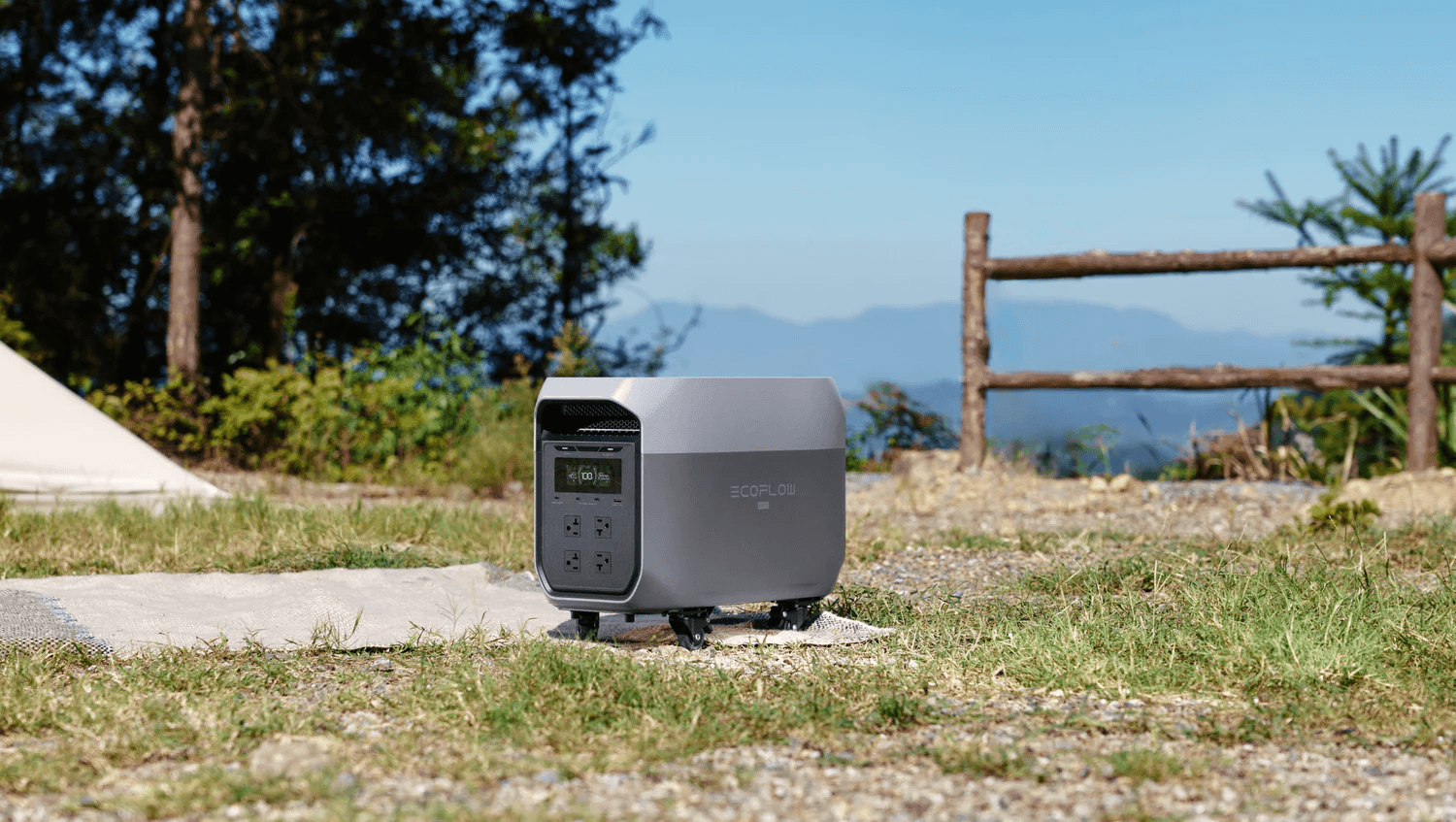
When heading here, you’ll need to prepare properly. You might find yourself off-grid some of the time, and a power setup like the EcoFlow DELTA 3 Max + 220W Solar Panel bundle will help keep your GPS, action camera and smartphone charged up.
What Does Fly-Fishing Only Mean for Anglers on the Miramichi?
"Fly-fishing only" designations are in place on all sea-run Atlantic salmon waters to protect wild stocks and promote sustainability. So, if you’re targeting salmon, it’s illegal to use spinning rods, baitcasting setups, hard plastic lures, or live organic bait. Instead, you must use a standard fly rod, fly reel, and fly line.
There’s also a specific provincial definition of an artificial fly:
It must be a single hook, double hook, or two single hooks, and dressed with materials that are likely to attract fish. You can’t use added weights, spinning blades, or external attractors. Regulations also require barbless hooks, or hooks with barbs pinched flat.
How Do Non-Residents Access the Miramichi, and What Are the Guide Rules?
New Brunswick has specific regulations governing non-resident access to Atlantic salmon waters. Certain rivers and sections are designated as "Guide Required Waters," which means that non-resident anglers must be accompanied by a licensed guide after the applicable guide-required date.
There are two main options to choose from:
Guide I (Professional Guide) – A professional guide can accompany up to three clients if they are fishing from the shore or one client if fishing from a boat.
Guide II (Licence to Accompany) – This is a non-commercial option for friends or relatives visiting the province. A resident can get a Guide II licence and go with one non-resident family member or friend as long as there is no financial compensation involved.
When Is Salmon Season and What Other Species Should You Expect?
Atlantic salmon fishing seasons generally run from spring through autumn. Although opening dates, retention rules, and access restrictions vary by year and waterbody, It’s divided into phases:
The Spring Fishery (April 15 to May 15) – Early-season anglers may encounter kelts (also called black salmon), which are fish returning to the ocean after spawning.
The Summer Run (June to August) – Silver salmon enter the river from the sea. You’ll find a mix of smaller grilse and larger fish.
The Autumn Run (September to October 15) – Large surges of heavy fish enter the river for spawning in late autumn.
Atlantic salmon are the main focus, but sport fishing for other species is also popular. This includes fishing for Striped Bass on the lower tidal estuaries and main river, primarily during May and June, and fly-fishing for Brook Trout and smallmouth bass on the upper tributaries.
Ready to Power Your Miramichi Fishing Adventures with EcoFlow?
There are certain outdoor essentials you need for any trip. Proper gear management is essential for long days spent wading the gravel bars of the Miramichi or in a river boat.
While anglers who go ice fishing in the winter will need a portable power station to power their devices, you will still need something to keep your gear powered up during the summer.
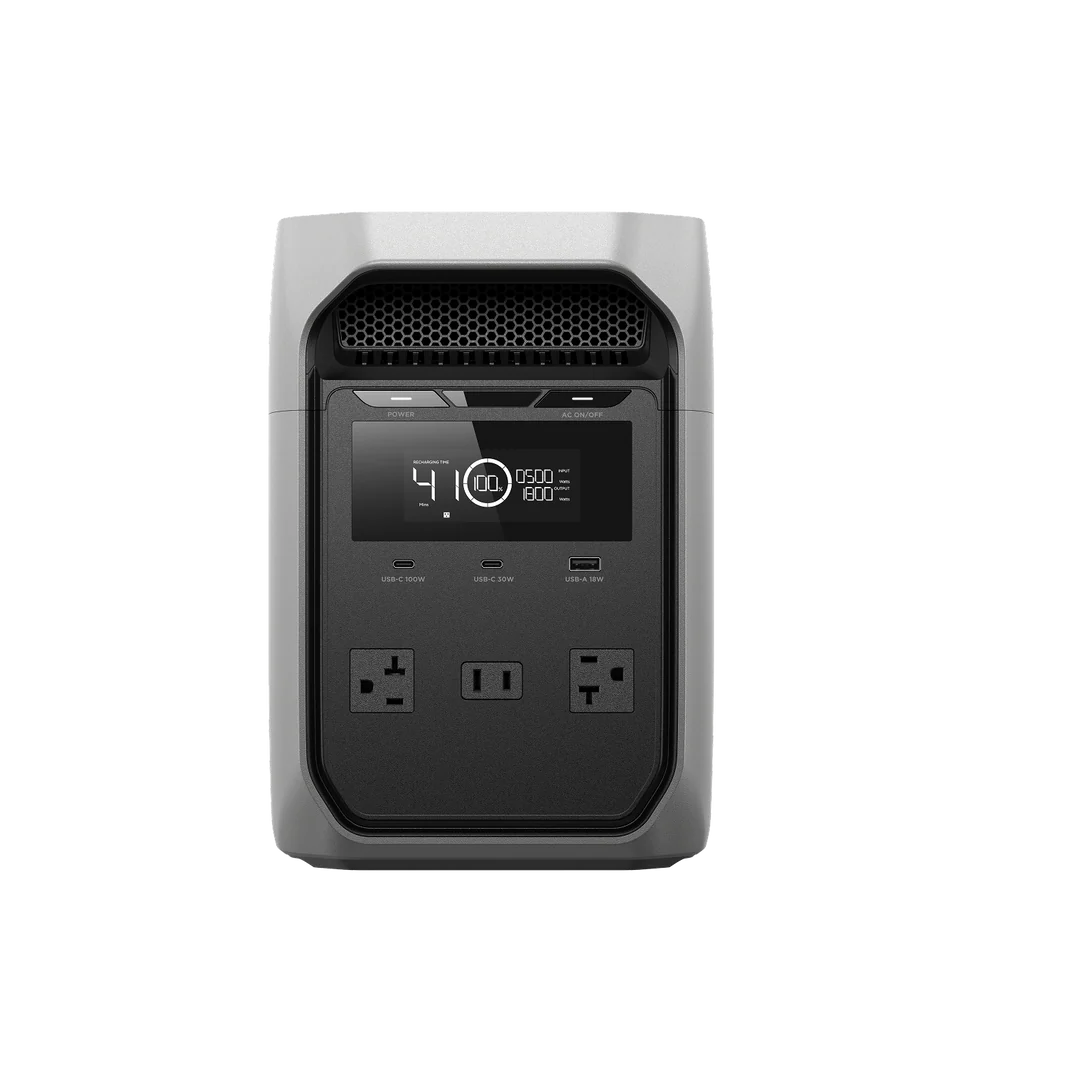
Sport fishing increasingly relies on technology, from smartphones for checking water flow to gauges, action cameras, and GPS units. Many anglers use portable power stations to stay charged up, and options like the EcoFlow DELTA 3 Classic can be useful. A good off-grid energy source ensures you can keep your gear powered up and stay connected to enjoy your fishing trip to the full.
Frequently Asked Questions
Do Non-Residents Need a Guide to Fish for Salmon on the Miramichi?
Non-residents may be required to use a licensed guide when fishing designated Guide Required Waters. Requirements vary by location and season, so anglers should review current New Brunswick regulations before their trip.
When Is the Best Time to Target Atlantic Salmon on the Miramichi?
The spring kelt fishery in April is ideal for aggressive fishing with large flies. If you’re seeking powerful silver fish on wet or dry flies, late June to mid-July is the best time. For the largest fish, September and October are the best months.
Where Are Common Access Points, and How Do I Book a Guide?
Public access points are found at public boat launches, designated bridge crossings, and crown reserve stretches in communities like Blackville and Boiestown. To book a professional guide, check the official Hunting and Fishing Guides Directory or consult directly with fly-fishing outfitters.
Power, Plan, Fish: Reliable Power, Legal Access, Better Salmon Days
There aren't many places that can match the Miramichi for salmon fishing, but planning a trip here requires careful preparation. From choosing the right time to arranging a guide and ensuring you’ve got all the gear you need, there’s a lot involved, so make sure you start planning well in advance.
If you’re taking a lot of electronic devices, make sure to keep them powered up with an off-grid solution. Explore EcoFlow’s lineup of portable power stations, including the EcoFlow DELTA 3 Max Series, to keep everything running during your fishing trip.