Salmon Fishing in British Columbia: Best Rivers, Runs, and Portable Power for Charter and River Days
- Why British Columbia is One of the Best Salmon Fishing Destinations in the World
- What Species of Salmon Can You Catch in BC?
- What Are the Best Rivers for Salmon Fishing in BC?
- When Do the Salmon Runs Happen in British Columbia?
- Charter Fishing vs. River Fishing: What Should You Expect?
- What Gear Do You Need for a Full Day on the Water?
- Frequently Asked Questions
- Catch More Fish, Stay Safer, Fish Longer
British Columbia is home to some of the best salmon fishing you’ll find anywhere in the world. Whether you’re wading knee-high on the banks of the Fraser or heading off on a guided charter from Prince Rupert, BC, provides a wild fishing experience that’s hard to match. Here’s what you need to know before you head off to target Chinook on BC's best rivers.
Why British Columbia is One of the Best Salmon Fishing Destinations in the World
BC is an exceptional place to fish for salmon because of its geography and ecology. Its cold rivers are rich in oxygen, creating the ideal conditions for salmon to spawn so they return every year.
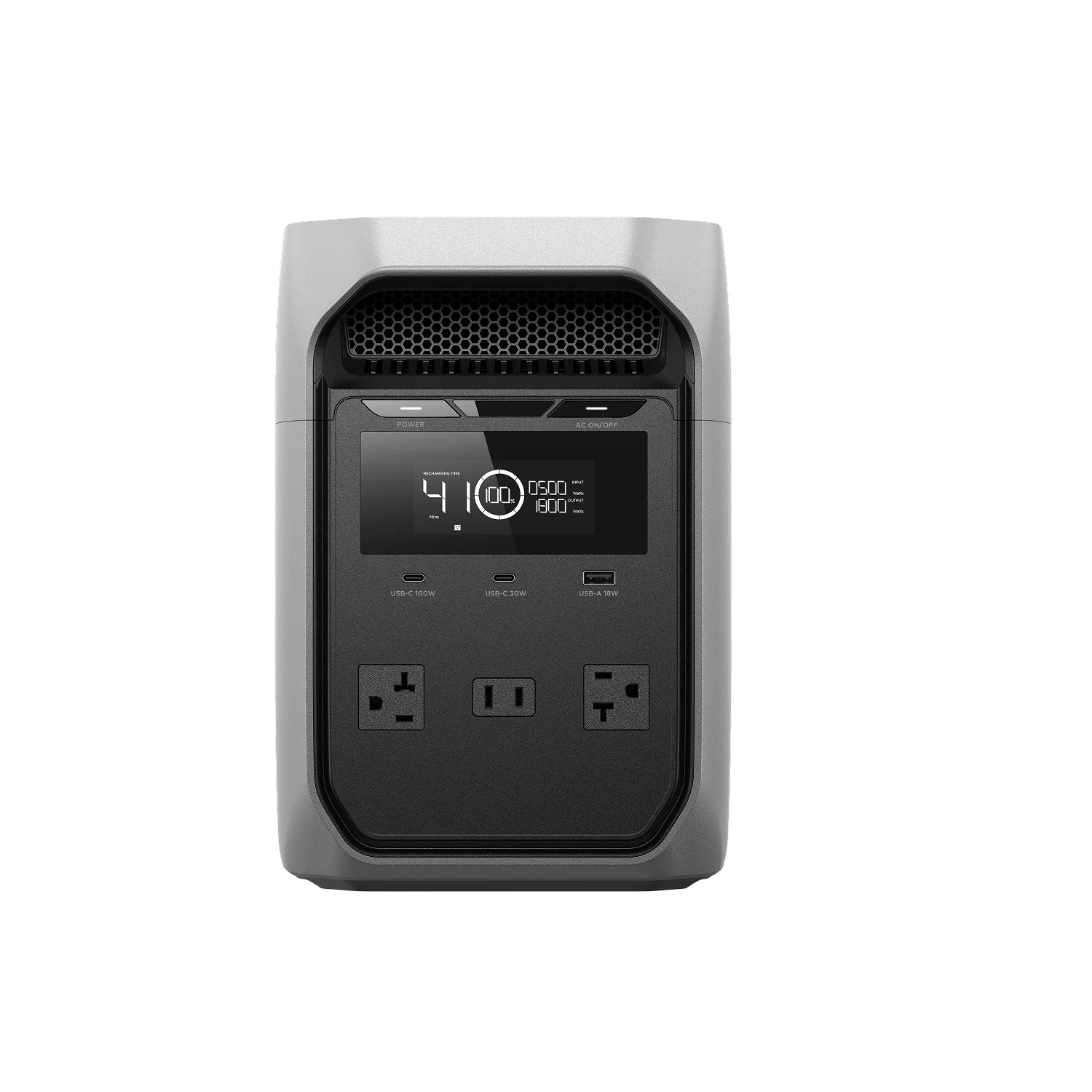
Anglers travel here in large numbers every year, some of them combining a fishing trip with camping and carefully planning for long spells outdoors with charging gear like an EcoFlow DELTA 3 Classic to keep everything powered up.
The province is home to all of the five Pacific salmon species, and runs can often number in the millions. On top of all that, the striking mountain scenery provides a wonderful backdrop, and waterways are easy to access. It’s easy to see why BC attracts anglers from all over the world.
What Species of Salmon Can You Catch in BC?
BC is home to all five Pacific species of salmon:
Chinook (King) Salmon – The biggest and most prized for their size and fight.
Coho (Silver) Salmon – With their acrobatic runs and aggressive strikes, these are a favourite among anglers.
Pink Salmon – These are the most abundant, and they run in odd-numbered years in Southern BC.
Sockeye Salmon – Their bright red spawning colour makes these strong swimmers stand out, but fishing is tightly regulated.
Chum Salmon – A powerful fighter, but often overlooked for other species.
What Are the Best Rivers for Salmon Fishing in BC?
BC has its fair share of rivers where you’ll find excellent salmon fishing. Here are some of the best:
Fraser River
The Fraser is the backbone of the salmon fishery in BC, running over 1,375 km right from the Rockies to the Strait of Georgia, and it’s a top spot for freshwater fishing. It’s known primarily for its huge Chinook, sockeye, and pink runs. The canyon section near Hope and Yale is a top spot for bank and drift fishing, while boat anglers prefer the lower river near Chilliwack and Mission.
Thompson River
The Thompson is a tributary of the Fraser, famous for its late-run Chinook and steelhead. The section near Spences Bridge is particularly popular with fly fishers. Head here in summer and early fall for the Chinook runs, and enjoy incredible scenery as you cast your rod.
Skeena River
The entire Skeena system in the northwest of BC is second to the Fraser in salmon production, and the Chinook and sockeye runs are exceptional. Terrace and Smithers are the main bases for guided trips, and tributaries including the Bulkley, Kispiox, and Babine are known for their trophy-sized fish.
Campbell River
Located on the east coast of Vancouver Island, this is often called the "Salmon Capital of the World." Discovery Passage is particularly popular for Chinook fishing in the summer. There are several places to stay nearby, or you may prefer to stay at the popular Pedder Bay RV campground further away.
Dean River
Located on the central coast, the Dean River is more remote and restricted, and you’ll often travel by floatplane to access it. You’ll find huge numbers of Chinook, coho, and steelhead, and the natural surroundings are truly stunning.
When Do the Salmon Runs Happen in British Columbia?
Timing depends on location and species, but as a general guide:
Chinook – May to September
Sockeye – July to August
Pink – August to September (odd years in Southern BC)
Coho – September to November
Chum – October to November
On the Fraser River, the best action takes place from late spring right through fall. On northern systems, like the Skeena, the peak is around July and August for Chinook and later for coho.
Check current Fisheries and Oceans Canada (DFO) notices before you head off to time your trip perfectly.
Charter Fishing vs. River Fishing: What Should You Expect?
Charter fishing involves going offshore or into tidal inlets on a guided vessel, typically for Chinook and coho. They are well-established out of Campbell River, Prince Rupert, Port Hardy, and Tofino, and include bait, gear, and licences. You can choose between half-day and full-day trips.
River fishing can involve wading small tributaries on a solo trip, but guided drift boat trips are available on larger systems like the Fraser. If going alone, there’s more preparation involved, and it’s a more hands-on experience.
What Gear Do You Need for a Full Day on the Water?
Going well-prepared is essential to enjoy a good trip. This includes packing:
A rod and reel suitable for the fishery. For example, baitcasting or heavy spinning for river Chinook.
Terminal tackle, including swivels, hooks, weights, and lures or flies appropriate to the species.
Waders and wading boots if you’re on the river.
Polarized sunglasses, not just to protect your eyes but for spotting fish.
Snacks, water, and a first-aid kit.
Personal devices like a phone, VHF radio, GPS unit, and fish finders.
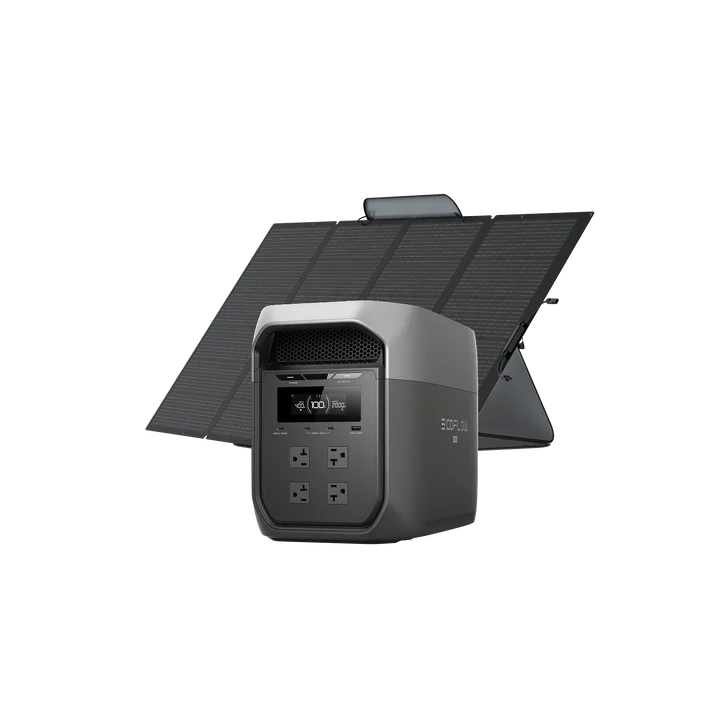
A power source, like a small power bank or an EcoFlow DELTA 3 Max + 400w Solar Kit that you can keep at your camping base. A solution with solar generators is ideal for remote areas.
If you're combining your trip with a few nights outdoors, the Pedder Bay RV Campground on Vancouver Island is a well-equipped base for fishing the region.
Frequently Asked Questions
Do You Need a License to Salmon Fish in British Columbia?
Yes, you’ll need a valid BC Tidal Waters Sport Fishing Licence for saltwater fishing or a freshwater licence for river fishing. Non-resident licences are also needed, and they are available online at the DFO website or at tackle shops across the province.
When Is the Best Time of Year to Salmon Fish in BC?
The peak of most runs takes place from July through October. June and July on the Skeena are the best times for Chinook. The Fraser is good for multiple species from July through September. Coho season is later, in September and October.
Can You Keep Salmon You Catch in BC?
Some fisheries are catch-and-release, but others allow retention, though there are limits. It depends on the species and current regulations, which can change in-season. Chinook, for example, often have strict daily limits or closures depending on the run. Always check the latest DFO notices before your trip to confirm what's permitted.
Catch More Fish, Stay Safer, Fish Longer
Careful planning, from choosing the right location and time of year to packing the right gear, will help make your salmon fishing trip more successful.
A quality portable power station is a practical investment for a serious angler. Check out EcoFlow’s collection of portable power stations, including lightweight options like the EcoFlow DELTA 3 Max + 400W Solar Kit, many of which work with solar chargers, so they’re perfect for taking into the great outdoors.