What Is the Worst Natural Disaster in U.S. History? How to Stay Safe
The deadliest natural disaster the U.S. has ever experienced is the Galveston hurricane of 1900. On September 8, a Category 4-equivalent hurricane slammed into Galveston Island with devastating force. The storm didn’t just damage the city; it destroyed much of Galveston. Estimates of the death toll range from 6,000 to 12,000 people, highlighting the catastrophic impact of the surge. The disaster showed the entire country how vulnerable communities were to extreme weather events. It also exposed major weaknesses in weather forecasting, coastal protection, and emergency response systems at the time.
A lot has changed since, however the threats still are present nowadays. Hurricanes still barrel toward coastlines. Tornadoes still tear through the Plains. Wildfires, floods, winter storms, they all keep happening. The difference is we know more now. We can prepare better. This guide covers the worst disasters the U.S. has faced and walks you through the steps that can actually make a difference when things go sideways.
What Was the Worst Natural Disaster in U.S. History?
Look at it purely through the lens of human life lost, and nothing in U.S. history comes close to the Galveston hurricane of 1900. It hit right at the turn of the century and changed the way we do a lot of things, forecasting, coastal building, disaster response.
The 1900 Galveston Hurricane Disaster
Galveston back then was a booming port. People called it the “Jewel of Texas.” It struck as a Category 4 storm with 145 mph winds and a storm surge that topped 15 feet. The island was flat, low to the water, and the surge just swept over it. No resistance. Almost nobody saw it coming. Within hours, thousands of wooden buildings were reduced to rubble, floating in the floodwaters.
Death Toll and Historical Impact
How many died? The numbers vary, some say 6,000, others say 12,000. Most historians land around 8,000. But the impact went beyond the death toll. The storm redrew Texas’ economic map. Shipping moved inland to Houston, which led to the creation of the Houston Ship Channel. Back in Galveston, survivors took on an engineering challenge that had never been attempted before: they built a 17-foot concrete seawall and raised the entire city by as much as 17 feet using sand from the harbor.
Factors Behind the Disaster’s Severity
Why was the storm so devastating? A combination of bad luck and bad decisions.
Predictive Blind Spots: Weather tracking in 1900 was primitive, mostly ship reports and barometer readings. The U.S. Weather Bureau famously ignored warnings from Cuban meteorologists who had accurately tracked the storm’s path northward.
Geographic Vulnerability: Galveston was a narrow, flat barrier island with its highest point barely eight feet above sea level. There was nothing to stop the storm surge from rolling right over it.
Lack of Infrastructure Defenses: Years before the hurricane hit, local officials had turned down proposals for a seawall. They believed the island’s natural topography would provide enough protection. They were wrong.
What Other Natural Disasters Had the Biggest Impact in U.S. History?
The Galveston storm was the worst in terms of lives lost. But there have been others. Over the years, the worst natural disasters in U.S. history have each left a unique and lasting mark across the country.
| Disaster Event | Primary Hazard | Historical Impact & Significance |
|---|---|---|
| 1900 Galveston Hurricane | Hurricane / Storm Surge | 6,000–12,000 deaths; prompted modern seawall construction and city elevation. |
| 1871 Peshtigo Fire | Wildfire | 1,200–2,500 deaths; deadliest wildfire in U.S. history, burning 1.2M acres. |
| 1906 San Francisco Earthquake | Earthquake & City Fires | 3,000+ deaths; destroyed 80% of the city, spurring modern seismic building codes. |
| 2005 Hurricane Katrina | Hurricane / Levee Failure | 1,392 deaths; $190B+ damages; exposed critical urban infrastructure flaws. |
| 2011 Joplin Tornado | EF5 Tornado | 161 deaths; reinforced the necessity of modern shelter design and WEA alerts. |
Hurricane Katrina and Coastal Destruction
Hurricane Katrina hit in 2005. The Gulf Coast took a direct hit. A result of 1,392 fatalities and over $190 billion in damages. The real disaster came after the storm, the levees failed. Water flooded New Orleans. 80% of the city went under. People were stranded for days. No power. No water. No help coming. Analyzing these hurricane Katrina emergency preparedness lessons highlights the crucial importance of early evacuation planning and resilient backup energy resources.
The San Francisco Earthquake Impact
The 1906 San Francisco earthquake was different. The shaking was violent. But the fires that followed did the most damage. More than 3,000 lives were lost. The city was leveled. It changed how we think about building codes, especially in earthquake zones.
The Joplin Tornado Devastation
Then there’s Joplin. 2011. An EF5 tornado, winds over 200 mph. Mile-wide path straight through the city. 161 people were killed. The deadliest single tornado in modern U.S. history. It showed how fast things can go wrong, even inland.
The Peshtigo Fire Tragedy
And Peshtigo. 1871. Same night as the Great Chicago Fire. A wildfire swept through Wisconsin. Fueled by drought and heavy winds. Over a million acres burned. Between 1,200 and 2,500 died. Most people don’t know about it. But it’s the deadliest wildfire in American history.
Why Do Some Natural Disasters Become More Deadly?
Disasters are more than natural events, they become deadly because of how they interact with the places we live and how prepared we are. The more we understand what makes a disaster worse, the better we can spot risks in our own communities before they turn into emergencies.
Population Growth in Risk Areas
More and more people are living in high-risk areas, along coastlines that hurricanes regularly hit, in dry zones where wildfires can spread fast, or near fault lines that could shift at any moment. The more people settle in these high-risk zones, the higher the stakes become when a storm or fire hits.
Limited Warning and Emergency Response
When flash floods or tornadoes strike, every minute of advance warning counts. If alerts come late, communication networks fail, or roads get backed up, the outcome tends to be much worse. When local infrastructure crashes during unexpected crisis events, having independent home backup power helps ensure your household remains safe and functional until assistance arrives.
Vulnerable Infrastructure and Buildings
A lot of older homes just weren’t built for what the weather can throw at them these days. They’re not as sturdy. The electrical systems are dated. Drainage is often poor. Materials are weaker. When a bad storm rolls through, those weaknesses get exposed fast.
Extreme Weather Conditions
Then you’ve got the heat. A long stretch of hot, dry weather can turn grass and brush into fuel. And too much rain? That saturates the ground, so when the wind picks up, trees come down on power lines a lot easier. When both conditions show up, a storm that might have been manageable can quickly become something else entirely.
How Can You Stay Safe During a Natural Disaster?
Getting through a disaster isn’t complicated in theory. You need to act fast. You need good information. And you need the right supplies on hand. What actually works depends on what you’re dealing with.
| Disaster | Immediate Action |
|---|---|
| Tornado | Get to a basement or an interior room with no windows. |
| Hurricane | Follow local evacuation orders and move to a designated shelter if instructed. |
| Earthquake | Drop, Cover, and Hold On. |
| Flood | Head for higher ground and never drive into standing water. |
| Wildfire | Leave early if authorities tell you to, or even before they do. |
| Winter Storm | Stay put, keep warm, and don't drive unless you have to. |
| Lightning | Get inside and stay away from windows and plumbing. |
Follow Emergency Alerts and Warnings
Stay informed by monitoring official emergency alerts from the National Weather Service (NWS), local emergency management agencies, and wireless emergency alerts (WEA) on your phone. These notifications provide real-time information about evacuation orders, severe weather warnings, road closures, and shelter locations, helping you make timely decisions as conditions change.
When the power goes out, however, staying connected becomes much more difficult. A portable backup power source like the EcoFlow DELTA 3 Classic Portable Power Station (1024Wh) is easy to store, charges quickly, and can keep your phone, weather radio, and other communication devices powered so you can continue receiving critical updates during an outage.
Find Safe Shelter Locations
It pays to know your safe spots before anything happens. That way you’re not guessing when things get chaotic. Tornado? Basement or a windowless room on the ground floor. Earthquake? Drop, cover, and hold on under something sturdy.
Evacuate When Conditions Require
If authorities tell you to evacuate, don’t second-guess it. Have two routes mapped out. Keep your gas tank at least half full. Keep your gear in one accessible spot, and pack a portable power station in your vehicle to ensure your phones, navigation tools, and emergency lights stay charged on the road.
Protect Against Immediate Hazards
And after the storm? That’s when a lot of people get hurt. According to FEMA, floodwater is incredibly dangerous, six inches of moving water can knock you off your feet, and one foot of moving water can float a car. Don’t drive through it. Treat every downed power line like it’s live. Stay inside during high winds, debris moves fast.
.webp)
.webp)
How Can You Prepare Your Home for Future Disasters?
Taking a proactive approach to natural disaster preparation can turn a potentially overwhelming situation into something far more manageable. The steps you take now, well before any storm arrives, give you a real advantage when it comes to keeping your household safe and comfortable during an emergency.
Create a Family Emergency Plan
Gather everyone in your household and work through an emergency plan together. Write down key phone numbers on paper, not just on your phone, choose an out-of-town contact person, and pick two meeting spots in your neighborhood in case you get separated.
Build a Home Emergency Kit
Store your emergency supplies in containers that are waterproof and easy to carry. You want to be able to grab them without hesitation if you need to move fast. Every household should have the essentials ready to go. At a minimum, your kit should include:
Water: One gallon per person per day for at least three days, enough for drinking and basic hygiene.
Non-perishable food: Easy-open, shelf-stable items and a manual can opener.
First-aid supplies: A solid first-aid kit, any prescription medications, and basic sanitation items.
Emergency tools: Flashlights, extra batteries, a multi-tool, and a whistle.
Prepare Backup Power Sources
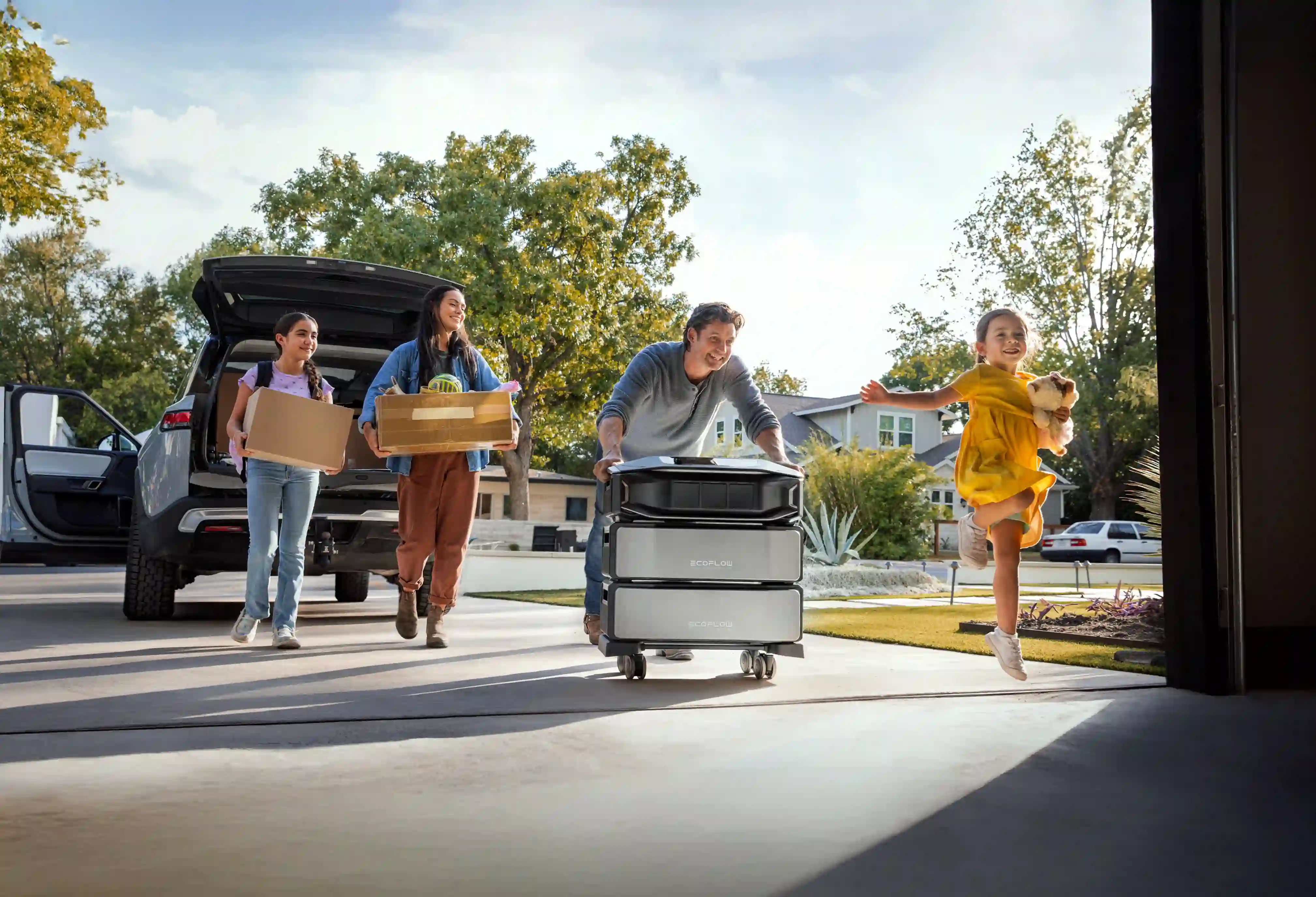
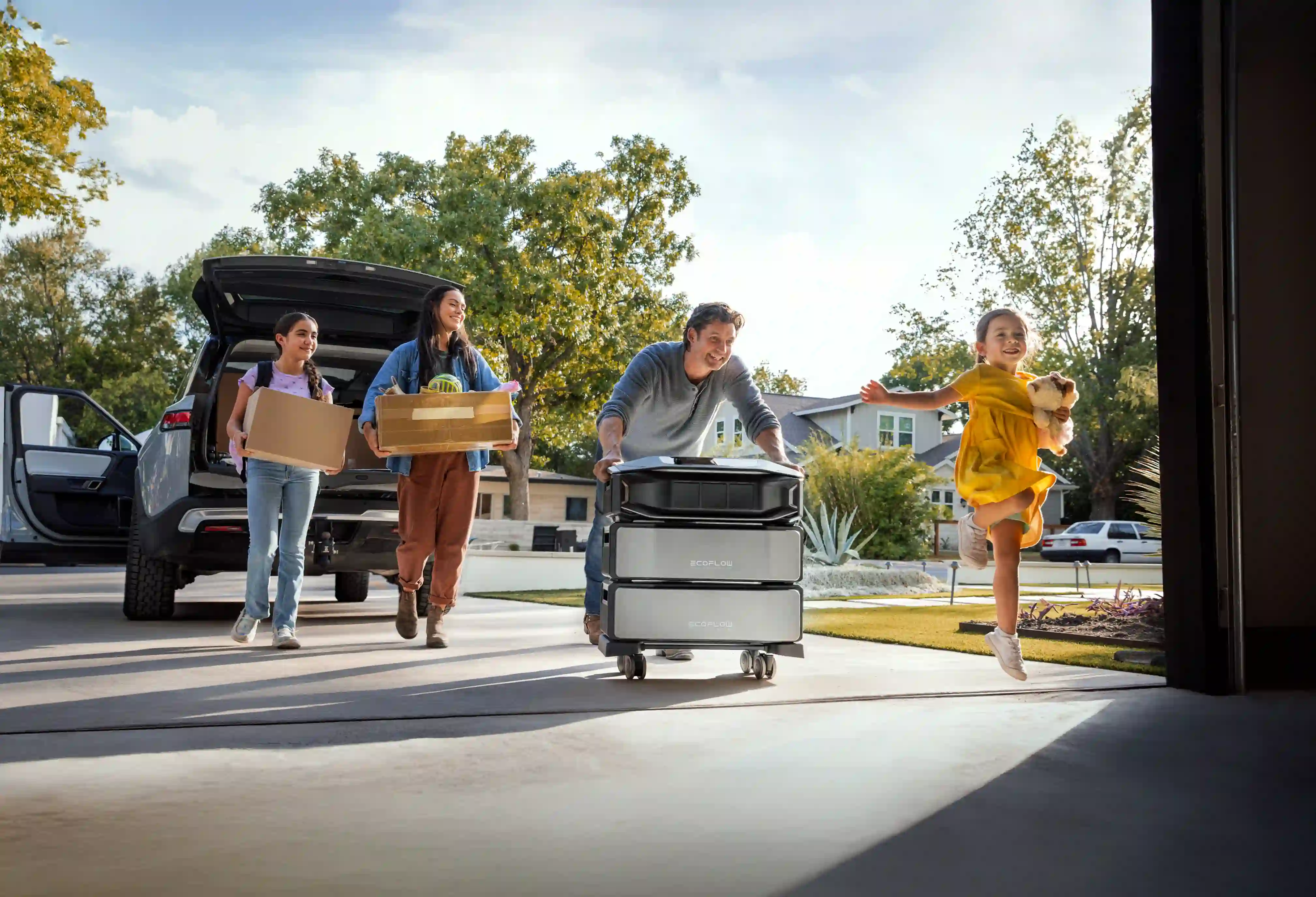
If you live somewhere that deals with hurricanes, ice storms, or wildfire-related outages, power loss is a genuine concern. When an outage stretches into days, it’s more than just an inconvenience—your refrigerator stops running, medical devices may fail, and your heating or cooling goes offline. A whole home battery system like the EcoFlow DELTA Pro Ultra X Whole-Home Backup Power can provide reliable backup power for essential appliances during extended outages.
Secure Your Home Against Hazards
A few small maintenance tasks around the house can also lower your risk. Keep gutters clear so water drains away from the house. Trim back branches that hang too close to the roof. Put up shutters or plywood over windows for added protection. And take a few minutes to secure anything outside that strong winds could pick up and send flying.
Conclusion
The 1900 Galveston hurricane. Recent blizzards. Flash floods that appear out of nowhere. America’s track record with natural disasters is a constant reminder of how unpredictable and powerful nature can be, and why being prepared is never optional. No one can predict exactly when or where the next storm will strike. But we can control how prepared we are when it does. Setting up emergency communication, putting together a well-stocked kit, securing backup power, whether a portable station or a whole-home battery, and laying out a clear family plan all make a real difference. These aren’t complicated steps, but they add up to something significant: a household that’s safer, more informed, and better equipped to handle whatever comes.
FAQ
Why Is It Important to Prepare for Extreme Weather?
You prepare for bad weather not because you’re scared. You do it because it works. It cuts your risk. It protects your home. It keeps your family going when the power’s out and the roads are closed.
What Are the Most Common Natural Disasters in the U.S.?
Floods. Tornadoes. Hurricanes. Wildfires. Bad storms. They hit somewhere in this country all the time.
What States Are at Risk for Natural Disasters?
No state is completely risk-free. Texas and Florida deal with hurricanes. The Midwest gets tornadoes. Out west, earthquakes and wildfires are part of life.
How Long Does a Power Outage Usually Last After a Storm?
It depends. Some outages last a few hours. Others stretch into weeks, especially if the damage is widespread or crews have trouble getting in.
What Not to Do During a Natural Disaster?
Floodwater is dangerous. Don’t walk in it. Don’t drive in it. It’s deeper than it looks. Generators can kill you if you use them wrong. Never run one inside and near a window. Keep it outside, far from the house, at least 20 feet from doors and vents. Ignore evacuation orders and you’re putting yourself and others at risk.
For press requests or interview opportunities, reach out to our media team
media.na@ecoflow.com