Window Film vs. Replacement: ROI for Energy Efficiency
- Assessing ROI: Why Window Film Outperforms Replacement
- Weighing Costs: The Hidden Price of Replacing Windows
- Choosing the Right Film for Your Climate and Glass Type
- Understanding Installation: Professional vs DIY and Longevity
- Calculating ROI and Total Cost Savings Beyond Energy Bills
- Frequently Asked Questions
- Improve Your Home’s Energy Efficiency with EcoFlow
When looking to improve home energy efficiency, whether to cut energy costs or lower your carbon footprint, addressing windows is a great place to start. But often, people get stuck on deciding between window replacement and window film. Both options improve energy efficiency, but which is best?
Keep reading to learn which option gives the best ROI, how to choose the right window film for your home, whether to go with DIY or professional installation, and the benefits of upgrading your windows.
Assessing ROI: Why Window Film Outperforms Replacement
When comparing window film to unit replacement, the film always has the better ROI. It addresses the same thermal issues as window replacement, but at a fraction of the cost.
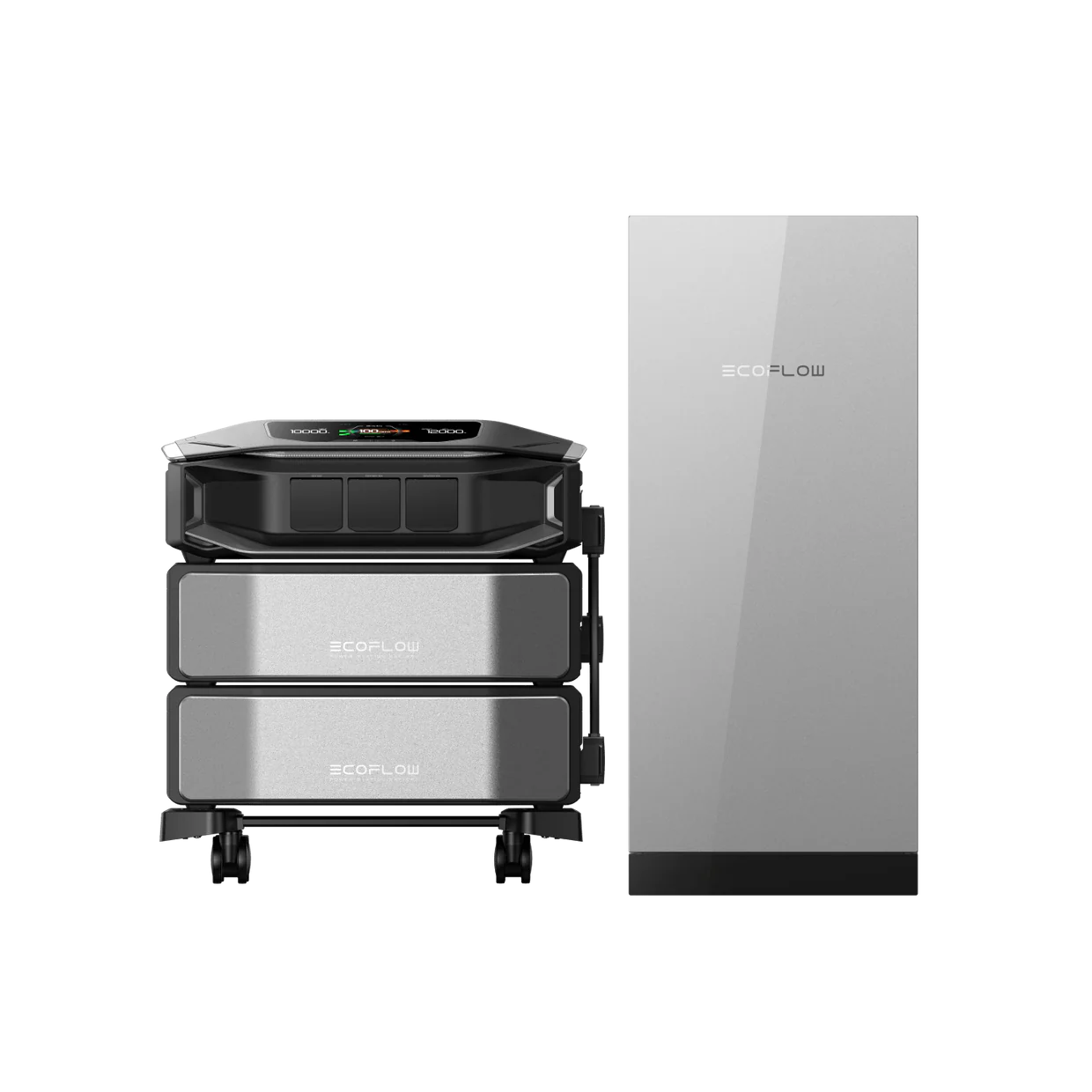
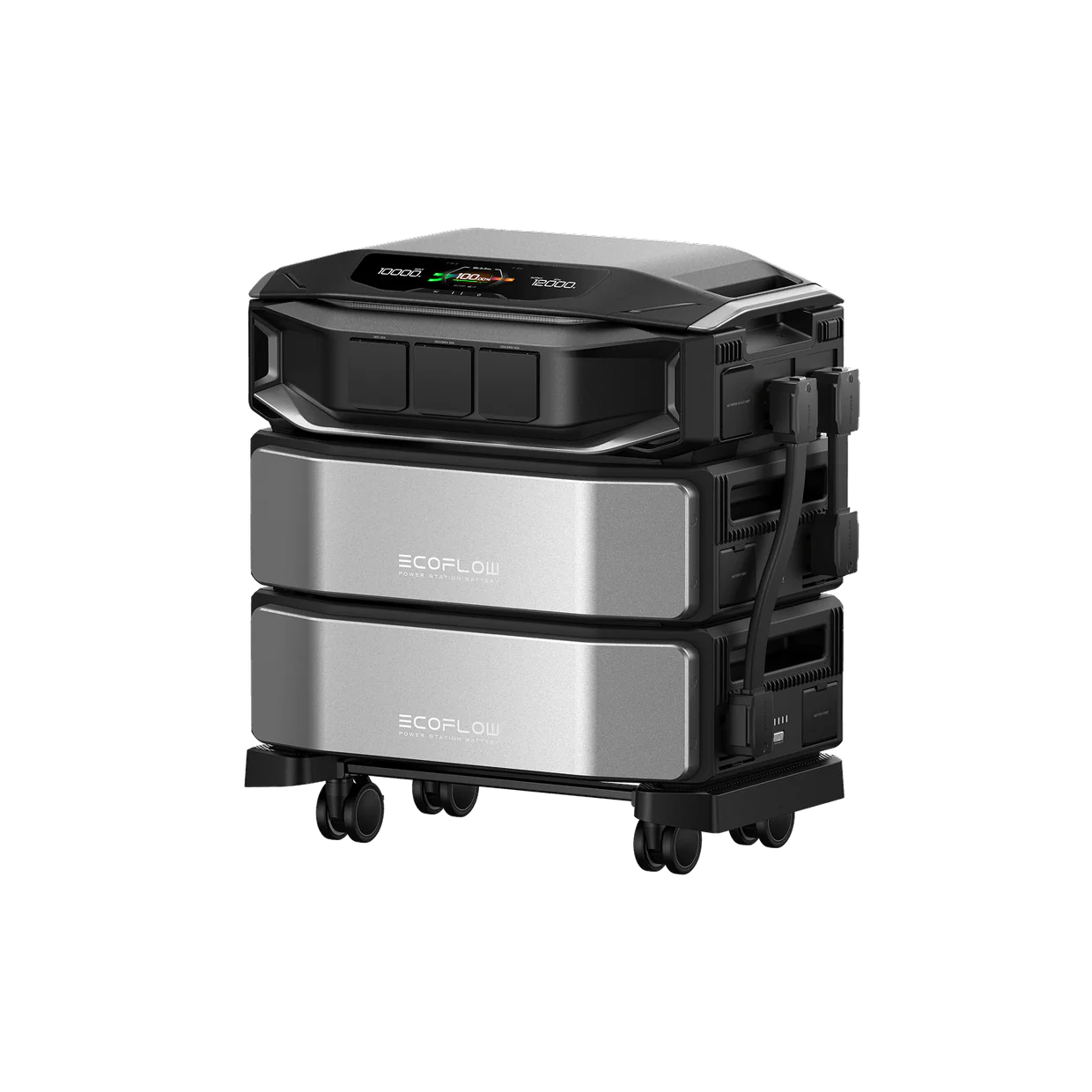
Film costs on average $5 to $15 per square foot, which is significantly lower than the cost of window replacement. Combined with annual energy savings from 5-30%, you’re likely to see an ROI within 2 to 5 years, depending on the climate. Whole-home backup power solutions, like the EcoFlow DELTA Pro Ultra X, enable you to store and utilize solar energy for even higher energy efficiency and savings.
On the other hand, unit replacement can cost from $600 to $1200 per window, but can provide a 10-40% annual energy savings. These two factors result in window replacements having an average ROI of 15 to 25 years.
Weighing Costs: The Hidden Price of Replacing Windows
Unfortunately, the pricey window unit is not usually the most expensive line item on the receipt. Window installation is a skilled trade. You’ll need to hire professionals for installation, which increases the price per unit between $100 and $600.
Any renovation project on a home opens the risk of hidden structural damage. It’s not uncommon for older window units to have structural rot or mold from water seepage.
Once the window is installed, you’ll need to do cosmetic repair. New windows will never fit perfectly into the original hole, especially as a house settles, and sound insulation is necessary.
Choosing the Right Film for Your Climate and Glass Type
Selecting window film requires some research. Here’s what you need to know to choose the correct film.
Determine the type of glass used in the window. Most films are compatible with single-pane glass. If it’s double-pane glass (IGO), look for IGU safe labels to avoid films that trap heat between the panels. Tempered glass can only be fitted with manufacturer-approved films.
Climate considerations. Homeowners in hotter climates should choose high-heat rejection film materials. In colder climates, opt for films that retain heat indoors.
Pick the material. The film material plays a big role in its specialty and energy efficiency. Ceramic films are best for heat rejection, but they’re more expensive than other types. Duel-reflective films provide privacy. They’re reflective on the outside but still allow you to see out. The best for budget and glare is dyed films, which absorb heat instead of reflecting it.
Test a sample. Before buying enough for the whole house, consider purchasing one square foot at a time. Tape it to a window with high sun exposure and see how it performs and looks.
Understanding Installation: Professional vs DIY and Longevity
When window film is installed, it must be perfectly flat, dust-free, tension-balanced, and edge-sealed. Poor installation leads to bubbling, peeling, haze, and voided warranties.
DIY installation isn’t unreasonable for less expensive film materials. However, you’re at risk for poor installation impacts, and warranties might be voided. DIY installation will last 2 to 5 years.
Professional installation provides the best results and longevity. Professionals laser-cut the edges of the film for precise fits and prep the window correctly. You can expect a lifespan of 10 to 20 years, or more.
Calculating ROI and Total Cost Savings Beyond Energy Bills
ROI isn’t only about lowered energy bills. Window film reduces solar heat gain, which has a direct impact on HVAC systems. Not only will energy bills be lower, but HVAC systems will run cooler, cycle less, and last longer, saving you thousands on HVAC replacement costs.
When it’s time to sell, homes with energy upgrades, lower operating costs, and well-preserved interiors tend to appraise higher and sell faster. In addition to windows, energy-efficient appliances and whole-home generators are excellent upgrade options.
Frequently Asked Questions
Does Window Film Help With Energy Efficiency?
Yes, window film directly improves a home’s energy efficiency. It blocks IR and UV light from entering the house, significantly reducing solar heat gain. With less heat coming through windows, air conditioning systems don’t have to work as hard to stabilize indoor temperatures. This leads to lower electricity consumption and lower utility bills.
How Much R Value Does Window Film Add?
Window film adds a modest increase to a window’s R-value. The exact increase depends on the type of glass and film used. Most heat is generated by radiation, not conduction, so a slight increase in R-value is reasonable.
What Is the Disadvantage of Window Film?
The biggest disadvantage is reduced light indoors. Some films lower the amount of visible light entering the home, which some homeowners dislike. Selecting film type and tint level can minimize this, but not erase it. Improper installation can lead to shorter effective lifetimes, resulting in bubbling and peeling effects.
Improve Your Home’s Energy Efficiency with EcoFlow
Upgrading your home’s windows with window film gives a much better ROI than whole window replacements. The upfront costs are significantly lower, resulting in faster investment returns. When considering window film, ensure you take into account the type of window pane. Then, pick the film material that best suits your needs. Hotter climates should focus on heat reflection, while colder climates should prioritize what retention.
Upgrading windows is a crucial step toward achieving high home energy efficiency. Take it to the next level through reliable, renewable electricity sources with an EcoFlow Whole-Home Backup Generator.
For press requests or interview opportunities, reach out to our media team
media.na@ecoflow.com