New York Battery Storage Incentive 2026: How to Claim the NYSERDA Rebate Before the Block Closes
- NYSERDA’s 2026 Residential Battery Storage Incentive, Explained
- Why the Declining Block System Can Change Your Rebate Amount
- How Much You Can Get in NYC, Westchester, Upstate, and Long Island
- Eligibility and Project Requirements That Commonly Delay Approval
- How to Start a Claim and Reserve Funding Before a Block Closes
- Frequently Asked Questions
- Lock In Savings, Strengthen Home Backup, and Get More Value From Solar
New York homeowners are increasingly turning to battery storage as a way to reduce electricity costs, protect against outages, and get more value from their solar systems. In 2026, the NYSERDA residential battery incentive remains one of the most important programs available for lowering the upfront cost of installation.
The challenge is that the rebate is not guaranteed at a fixed amount forever.
NYSERDA’s 2026 Residential Battery Storage Incentive, Explained
As battery storage adoption continues to grow across New York, homeowners have a valuable opportunity to reduce installation costs through the New York State Energy Research and Development Authority (NYSERDA) battery storage incentive program. The program provides rebates for eligible residential battery storage systems installed by participating contractors.
The incentive is applied through a declining-block structure, which means that available funding is divided into a series of allocation blocks. Each block offers a specific rebate amount per kilowatt-hour (kWh) of installed battery capacity. Once a block reaches its funding limit, the program automatically moves to the next block, which typically provides a lower incentive level.
For homeowners considering battery storage in 2026, understanding how the program works can make a significant difference in overall project costs. Whether you're pairing storage with solar or creating a reliable whole home backup power solution, timing your application correctly is essential.
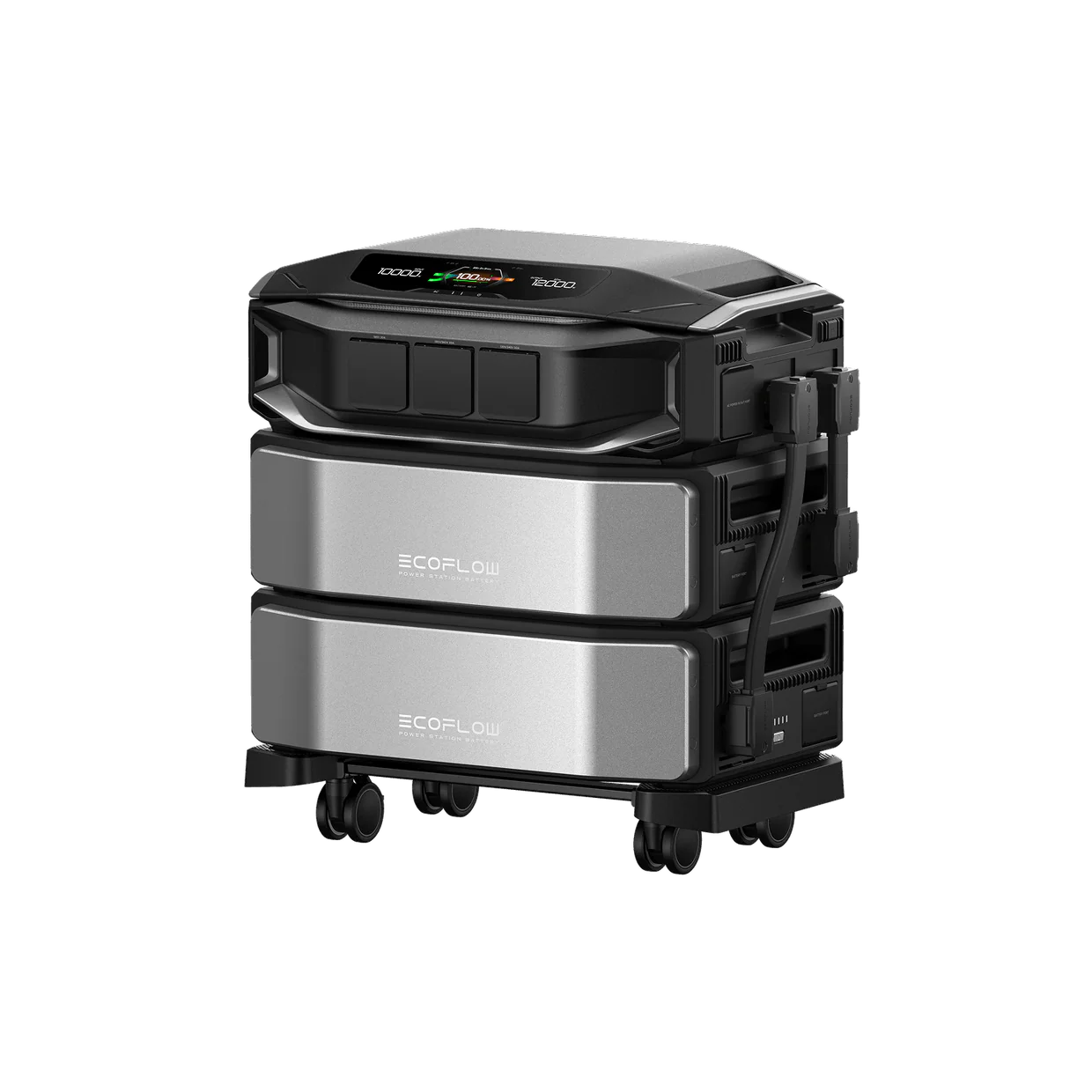
High-capacity systems like the EcoFlow DELTA Pro Ultra X are among the permanently installed home battery solutions homeowners are evaluating to maximize their rebate value, given that larger storage capacity can translate directly to a higher incentive amount under the per-kWh structure.
Why the Declining Block System Can Change Your Rebate Amount
The NYSERDA battery storage incentive operates similarly to many renewable energy programs that reward early adopters. NYSERDA releases funding in predefined blocks, and each block offers a set incentive value. As demand increases and available funds are claimed, the program advances to the next block with reduced rebate levels.
This declining-block model encourages homeowners to act sooner rather than later. Waiting even a few months can mean qualifying for hundreds or even thousands of dollars less in incentive funding.
How Much You Can Get in NYC, Westchester, Upstate, and Long Island
Rebate amounts vary depending on the project's location and the utility service territory.
Homeowners in NYC and Westchester fall under separate incentive block structures, reflecting the unique grid conditions and project costs in the downstate region. Long Island may offer separate or supplemental opportunities through local utility programs, while Upstate New York incentive levels often depend on the specific utility territory and current block status.
Because incentive values can change as blocks fill, there is no single statewide rebate amount that applies to every project. The final incentive depends on battery size, installation details, utility service area, and the available funding block at the time of reservation.
Current incentive levels by region are published on the NYSERDA Residential Incentive Dashboard, where homeowners can check the status of available funding blocks in their utility territory.
For many households, combining battery storage with solar can further improve project economics. Homeowners researching incentives for solar panels frequently find that pairing storage and solar creates additional long-term value by reducing electricity purchases while improving backup power capabilities.
Homeowners also frequently ask how to get 30% solar tax credit benefits when installing solar and battery systems together. Eligibility depends on current federal regulations and individual tax circumstances.
Eligibility and Project Requirements That Commonly Delay Approval
Several common issues can delay rebate approval or funding reservations. One of the most frequent problems is incomplete project documentation. NYSERDA requires detailed equipment specifications, installation plans, and contractor-submitted paperwork before incentive funds can be reserved.
The battery system must also meet approved technical requirements and be installed by a participating contractor authorized to submit applications through the program. Homeowners who purchase equipment independently without confirming eligibility may encounter unexpected complications during the approval process.
Permitting and utility interconnection requirements can also create delays, particularly in densely populated areas such as New York City.
Homeowners considering advanced backup solutions should verify that equipment meets all program requirements before signing a contract. Confirming eligibility early can help avoid costly setbacks when selecting a permanently installed whole home generator alternative or a battery-based energy storage system.
How to Start a Claim and Reserve Funding Before a Block Closes
The most effective way to secure available incentive funding is to begin the process before project demand surges. Homeowners should first obtain a site assessment and system proposal from a qualified NYSERDA-approved installer. During the proposal stage, the contractor can typically verify current block availability and estimate the expected rebate amount.
After the project design is finalized, the installer submits the incentive reservation request on behalf of the homeowner. Once approved, funding is generally reserved for the project, which protects the homeowner from future block reductions while installation moves forward.
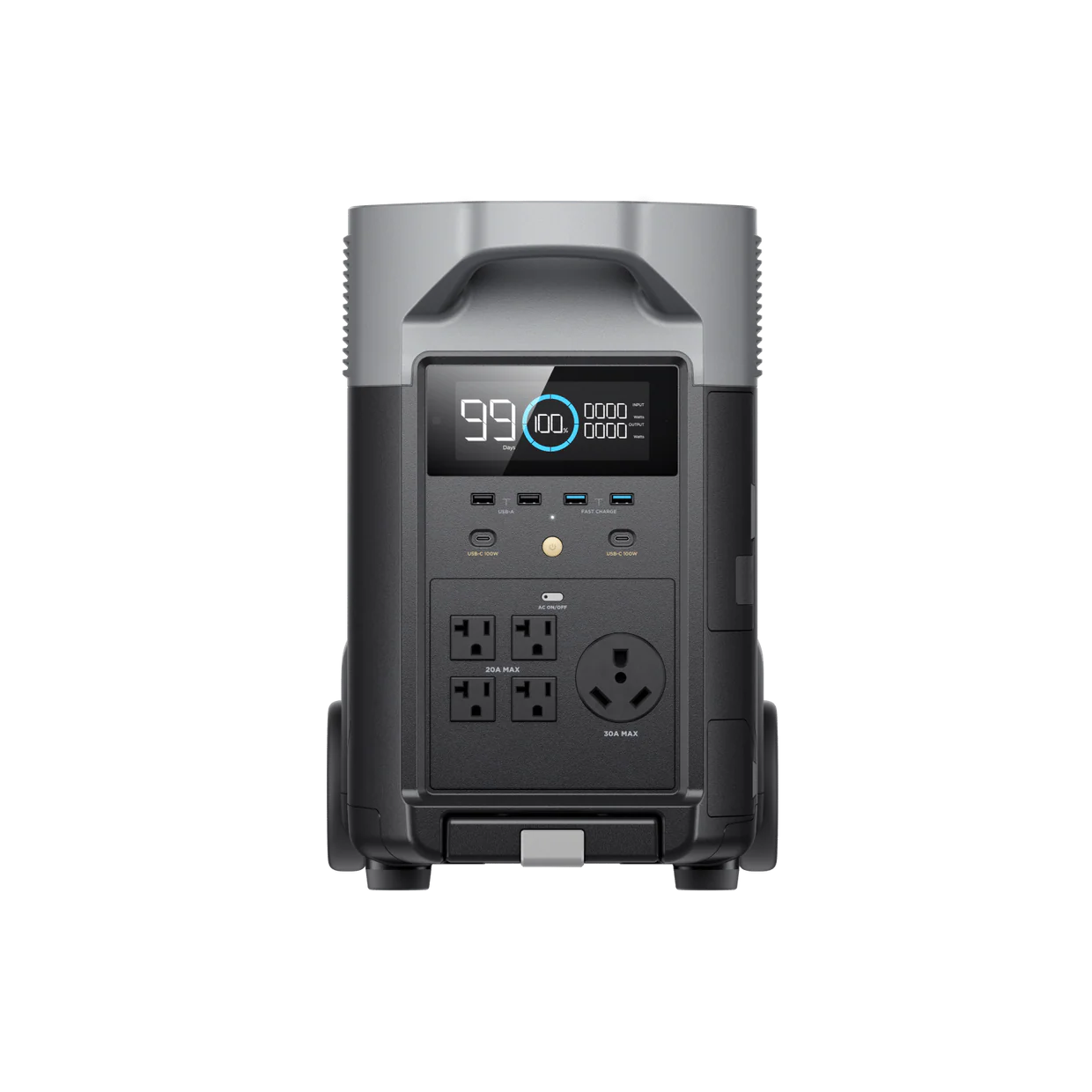
At this stage, many homeowners also begin comparing battery systems in more detail, factoring in storage capacity, backup duration, and whole-home integration. Systems like the EcoFlow DELTA Pro Ultra X and the EcoFlow DELTA Pro are examples of the type of permanently installed, high-capacity storage that homeowners are evaluating for this program, though eligibility should always be confirmed by your installer before committing to a system.
Frequently Asked Questions
How Do I Reserve a Rebate Slot Before a Block Closes?
In most cases, a participating contractor submits the reservation request after the project design is completed. Funding is generally secured when the application is approved and accepted into the current incentive block.
Can I Combine the Nyserda Battery Rebate With a Tax Credit or Other Incentives?
Homeowners may combine NYSERDA rebates with applicable federal incentives, including the federal Investment Tax Credit (ITC), which can offset a percentage of your total system cost. Stacking these programs is one of the most effective ways to reduce upfront installation costs. Available incentives can change, so always verify current eligibility before applying.
Do Portable Home Backup Batteries Qualify for the Nyserda Incentive?
Generally, the program covers permanently installed residential energy storage systems that meet technical and program requirements. Portable backup batteries typically do not qualify. Permanently installed home battery systems designed for whole-home backup may qualify, though eligibility depends on your specific system and utility territory - always confirm with your installer before purchase.
Why Do Nyc Battery Installs Take Longer Than Upstate Projects?
New York City projects often face more complex permitting requirements, utility reviews, and inspection processes. Building density and local code considerations can increase approval timelines compared with many Upstate installations.
Lock In Savings, Strengthen Home Backup, and Get More Value From Solar
The NYSERDA battery storage incentive remains one of the most valuable opportunities for New York homeowners looking to reduce installation costs while improving energy resilience. Because the program uses a declining-block structure, delaying a project can result in lower rebate amounts as funding tiers fill.
Battery storage can also complement solar installations by increasing self-consumption, improving outage protection, and creating greater long-term energy independence. While programs such as California SGIP battery backup incentives attract attention nationally, New York homeowners currently have access to their own valuable funding opportunities through NYSERDA.
If you're evaluating battery storage options for your home, now is a practical time to get a site assessment and lock in your reservation.
For press requests or interview opportunities, reach out to our media team
media.na@ecoflow.com