NERC Summer Reliability Assessment 2026: What It Means for US Homeowners
- What is the NERC Summer Reliability Assessment?
- What Did NERC Find for Summer 2026?
- Which Regions Face Elevated Grid Risk This Summer?
- Why is Demand Growing Faster Than the Grid Can Handle?
- What Does Elevated Grid Risk Actually Mean for Homeowners?
- What Should Homeowners in High-Risk Regions Do Before Peak Summer?
- Frequently Asked Questions
- Reliable, Resilient, Ready: Home Energy Preparedness That Works
Every spring, the North American Electric Reliability Corporation (NERC) releases its Summer Reliability Assessment, which is the most authoritative forecast of whether the U.S. power grid can keep the lights on when summer heat peaks.
The 2026 report brings overall positive news, but flags a few regions for elevated risk and suggests a longer-term demand trajectory that every homeowner should understand.
Find out what the report found, regions of elevated risk, and how to prepare for peak summer heat.
What is the NERC Summer Reliability Assessment?
The North American Electric Reliability Corporation (NERC) is a nonprofit organization that sets and enforces reliability standards for the bulk power system across North America. Each spring, it publishes its Summer Reliability Assessment, evaluating whether the grid has enough generation capacity to meet projected peak demand across 23 assessment areas covering the contiguous U.S. and parts of Canada.
The assessment distinguishes between normal conditions (i.e., typical summer heat with average equipment availability) and extreme conditions (i.e., prolonged, widespread heat events or unexpected generator outages).
What Did NERC Find for Summer 2026?
The NERC Summer Reliability Assessment is largely positive; all assessment areas are expected to have adequate resources to meet normal summer peak demand, mainly due to a surge in new capacity. Capacity has risen by over 58 GW, including 16.4 GW of solar and 14.7 GW of battery storage.
The number of elevated-risk areas dropped from six in 2025 to three elevated-risk regions and one localized risk area in 2026. The risks these regions face include extreme-condition vulnerabilities, drought-reduced hydropower, and the overlap of early-summer heat with scheduled spring maintenance outages.
Which Regions Face Elevated Grid Risk This Summer?
NERC identified three subregions at elevated risk of supply shortfalls under above-normal or extreme conditions, along with one localized area of concern in ERCOT's Far West region:
NPCC-New England faces tighter operating reserves due to reduced firm imports from neighboring bodies, creating reliability challenges. States in this zone include Maine, New Hampshire, Vermont, Massachusetts, Rhode Island, and Connecticut.
WECC-Pacific Northwest faces risks driven by drought conditions that reduce hydropower output, wildfire threats that can knock out transmission lines, and wide-area heat events that can stress the entire Western Interconnection simultaneously. States in this zone include Washington, Oregon, Montana, and parts of Idaho.
MRO-SaskPower faces elevated risk due to higher-than-forecast demand combined with reduced reserve margins. While primarily covering the Canadian province of Saskatchewan, its stress can affect cross-border grid interactions.
While ERCOT is expected to have adequate resources overall, NERC identified a localized risk in the Far West area of Texas, where high demand, low wind and solar output, and transmission limitations could create operational challenges.
Why is Demand Growing Faster Than the Grid Can Handle?
The central challenge facing the U.S. grid is not a lack of new supply, but a demand that is growing faster than new generation, transmission, and grid infrastructure are being developed in many areas.
NERC’s Long-Term Reliability Assessment projected that summer peak demand across the bulk power system will grow by 224 GW over the next ten years, a 24% increase from 2025 peak demand and a 69% jump from the prior year’s ten-year forecast.
The primary driver of demand growth is data centers, particularly those powering artificial intelligence workloads, which operate around the clock and draw power at a scale that is difficult to forecast or manage. The electrification of transportation and home heating continues to add residential load just as older thermal power plants retire.
What Does Elevated Grid Risk Actually Mean for Homeowners?
For most homeowners in normal-risk regions, summer 2026 will pass without significant interruption.
However, in elevated-risk areas, there’s a higher-than-normal risk of emergency grid operations, conservation requests, or, in extreme circumstances, controlled power outages.
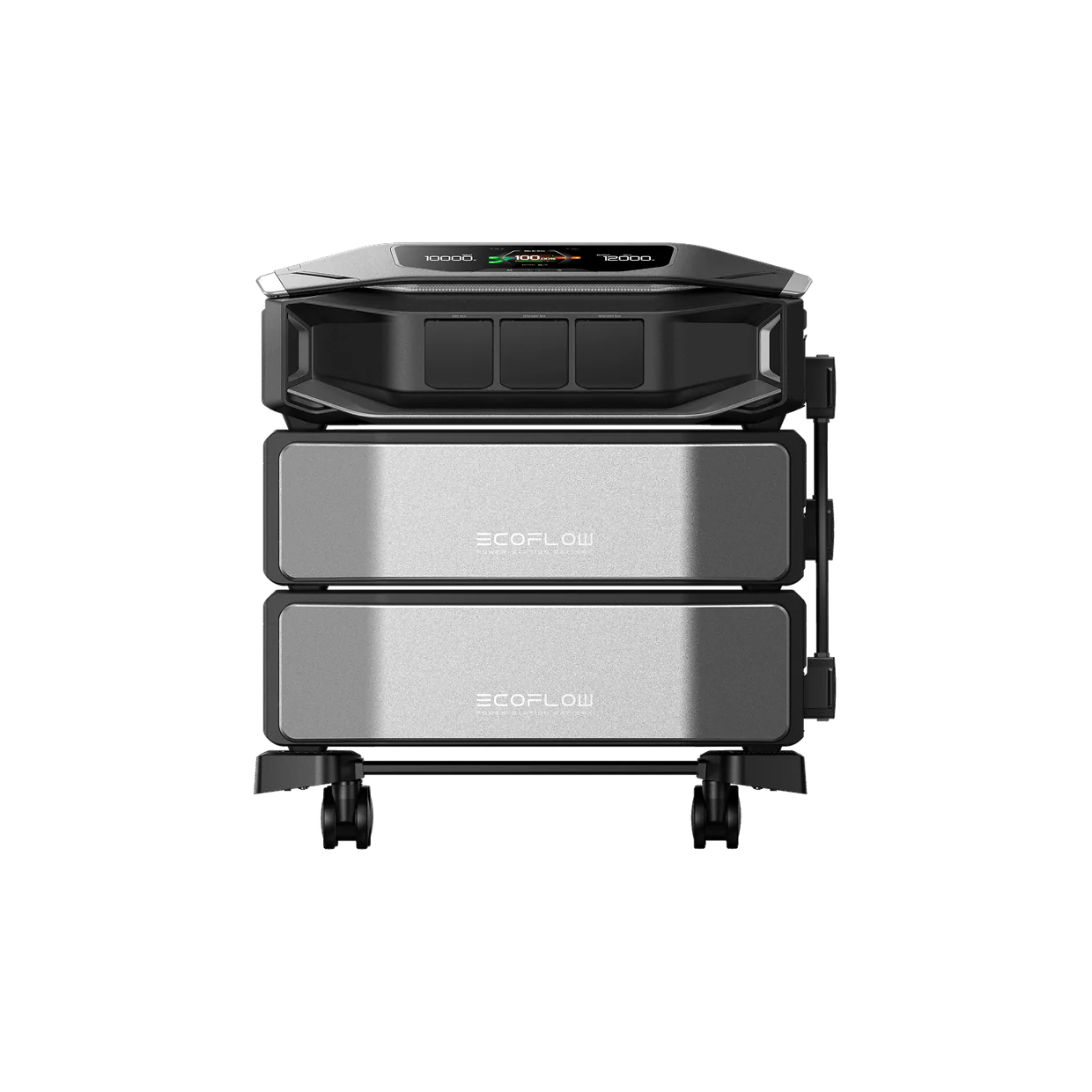
Homeowners who want to stay independent of the grid during those events can install a whole-home battery backup system. The EcoFlow DELTA Pro Ultra X Whole-Home Backup Power keeps your home running on stored energy when the grid goes down, so you're not waiting on your utility to restore power. Pair it with a transfer switch to safely route backup power through your home's circuits.
What Should Homeowners in High-Risk Regions Do Before Peak Summer?
Homeowners in elevated-risk regions can take many preventative steps to prepare for peak summer heat.
Install a smart thermostat: A smart or programmable thermostat can pre-cool your home before peak demand hours and reduce grid draw when stress is highest.
Enroll in a utility demand response program: Many utilities offer bill credits in exchange for allowing brief, automated reductions in AC output during grid emergencies, helping the grid and reducing your bill.
Service your HVAC system: An HVAC unit that fails in peak summer stresses both your home and the grid. A tune-up before summer reduces both risks.
Know your utility’s outage notification system: Sign up for text or email alerts so you’re not unprepared during a declared grid emergency.
Keep a power outage kit ready: Keep, at minimum, water, flashlights, battery-powered fans, a power bank, and at least three days of non-perishable foods.
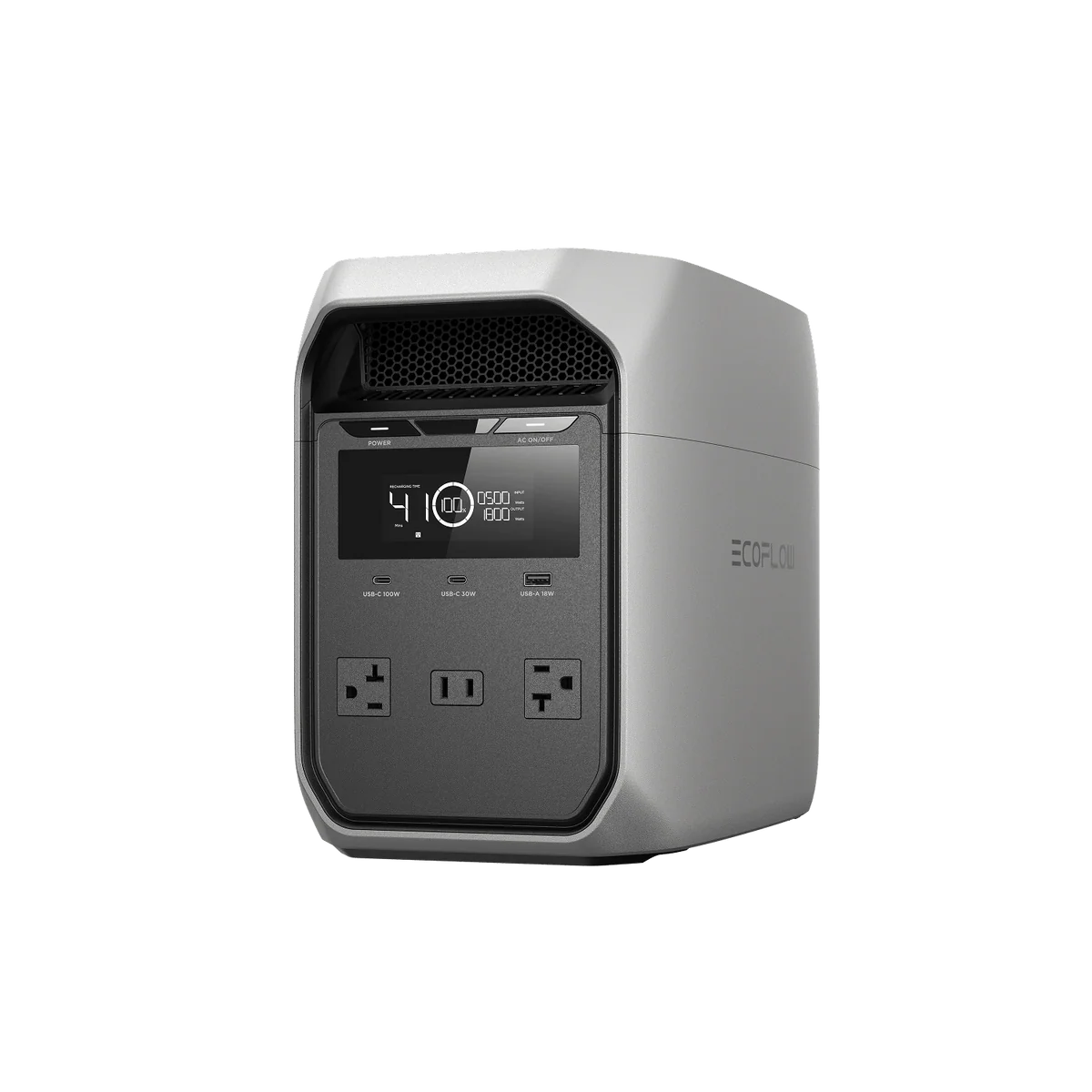
Add battery backup: A home battery paired with solar can power essentials like a refrigerator, lighting, and phone charging during a blackout. The EcoFlow DELTA 3 Classic Portable Power Station (1024Wh) provides enough power to keep essentials running during short-term power outages.
It's also worth remembering that grid stress isn't limited to summer. Winter blackouts can be just as dangerous, so the steps above are worth keeping in place year-round.
Frequently Asked Questions
How Will the NERC 2026 Assessment Affect My Home?
For most homeowners, the NERC 2026 Assessment will potentially raise electricity prices during peak periods and utility conservation requests during heat events. Homeowners in elevated-risk regions face a more direct risk of rolling blackouts during extreme heat.
Which US States Face the Highest Grid Risk in Summer 2026?
NERC identified elevated risk in New England, the Pacific Northwest, and Saskatchewan. In the United States, that primarily affects New England states and portions of the Pacific Northwest, while a localized reliability concern remains in Far West Texas under certain conditions.
Reliable, Resilient, Ready: Home Energy Preparedness That Works
The NERC 2026 Summer Reliability Assessment highlights where the U.S. grid's pressure points lie. This year's report suggests reduced risk, but the underlying trend of demand rising faster than supply raises long-term reliability concerns. Prepare now with whole-home backup power so that when the grid comes under pressure, your home doesn't.
For press requests or interview opportunities, reach out to our media team
media.na@ecoflow.com