Average Monthly Electricity Bill in the U.S. (2026)
- How Much Is the Average Electric Bill in the U.S. in 2026?
- Why Are Electric Bills Rising in 2026?
- How Has the Average Electric Bill Changed Since 2022?
- How Do You Calculate Your Own Average Monthly Electric Bill?
- How Can You Lower Your Electric Bill?
- How Can Solar and Home Battery Storage Cut Your Costs Further?
- Frequently Asked Questions
- Understanding Your Electric Bill Helps You Take Control of Your Energy Costs
Electricity costs can represent a large chunk of your monthly budget, so it’s important to have a clear understanding of how much your average electricity bill is. This article looks at the average costs in the United States, how bills have changed over the last few years, and ideas for lowering your bill.
How Much Is the Average Electric Bill in the U.S. in 2026?
The average electric bill in the United States is between $150 and $165 in 2026. However, if you have a solar generator, this can help to reduce the bill significantly.
This figure is the baseline national mean. The actual cost can fluctuate considerably, and the average electricity bill will depend on factors such as where you live, seasonal temperatures, and the characteristics of your home.
The average bill for a typical household is based on how many kWh a house uses. According to the U.S. Energy Information Administration (EIA), this is 10,500 kWh per year for the average U.S. household, which works out as 875 kWh per month or just over 28 kWh per day.
The national average rate is 18.83¢ per kWh at the time of writing, although this fluctuates considerably across the country.
By multiplying the monthly average use in kWh by the average rate, you can get a general idea of the average bill. You then need to combine this figure with monthly customer charges like transmission delivery fees and local franchise taxes to get the figure for the average bill.
Why Are Electric Bills Rising in 2026?
Rising bills are affecting people all over the country in 2026, and this is due to a combination of several factors:
Grid updates: The cost of overhauling the aging electrical infrastructure is considerable.
Strain from severe weather: Utility companies are spending billions on making transmission networks more resilient against severe weather events, like burying lines underground.
Transition to green energy: This also involves large investments, like new transmission lines and grid-scale storage.
All of these factors lead to additional costs, which are then passed on to the consumer.
How Has the Average Electric Bill Changed Since 2022?
EIA data shows how bills have increased in the last few years. Here are the national averages for residential properties:
2022 – 15.04¢ per kWh
2023 – 16.00¢ per kWh
2024 – 16.48¢ per kWh
2025 – 17.30¢ per kWh
2026 – 18.83¢ per kWh
This represents an increase of 25.2% over four years, meaning bills have gone up more than inflation.
How Do You Calculate Your Own Average Monthly Electric Bill?
Calculating your own bill is essential to help you manage your monthly budget. You can do this by collecting your bills from the past 12 months, adding up the total cost, and dividing this number by 12. This will help to account for seasonal spikes, and it will provide you with a good baseline.
To work out the cost per kilowatt-hour, take one bill and look for the total electricity charges. Then work out your total kWh usage and divide the dollar amount by the kWh used.
How Can You Lower Your Electric Bill?
There are various ways you could lower your electric bill by making behavioral changes as well as making upgrades to your property:
The climate control system usually accounts for a large portion of your bill, so consider switching to a programmable smart thermostat. This will adjust the temperature when you are away, reducing the need to heat and cool your home unnecessarily.
Add weatherstripping around exterior doors to reduce drafts entering for a simple and affordable option.
Check you have sufficient insulation, especially in your attic, and add more if needed.
Reduce phantom power loads, where televisions and other devices continue to draw electricity even when they are turned off. Use smart power strips to turn them off completely.
Switch to LED lights, which use significantly less energy than incandescent light bulbs.
How Can Solar and Home Battery Storage Cut Your Costs Further?
Moving from grid reliance to your own localized power generation gives you some extra defense against rising bills.
Home solar panels can capture free energy from the sun, and you can then use this energy in your home, reducing the amount of electricity you need to pay for.
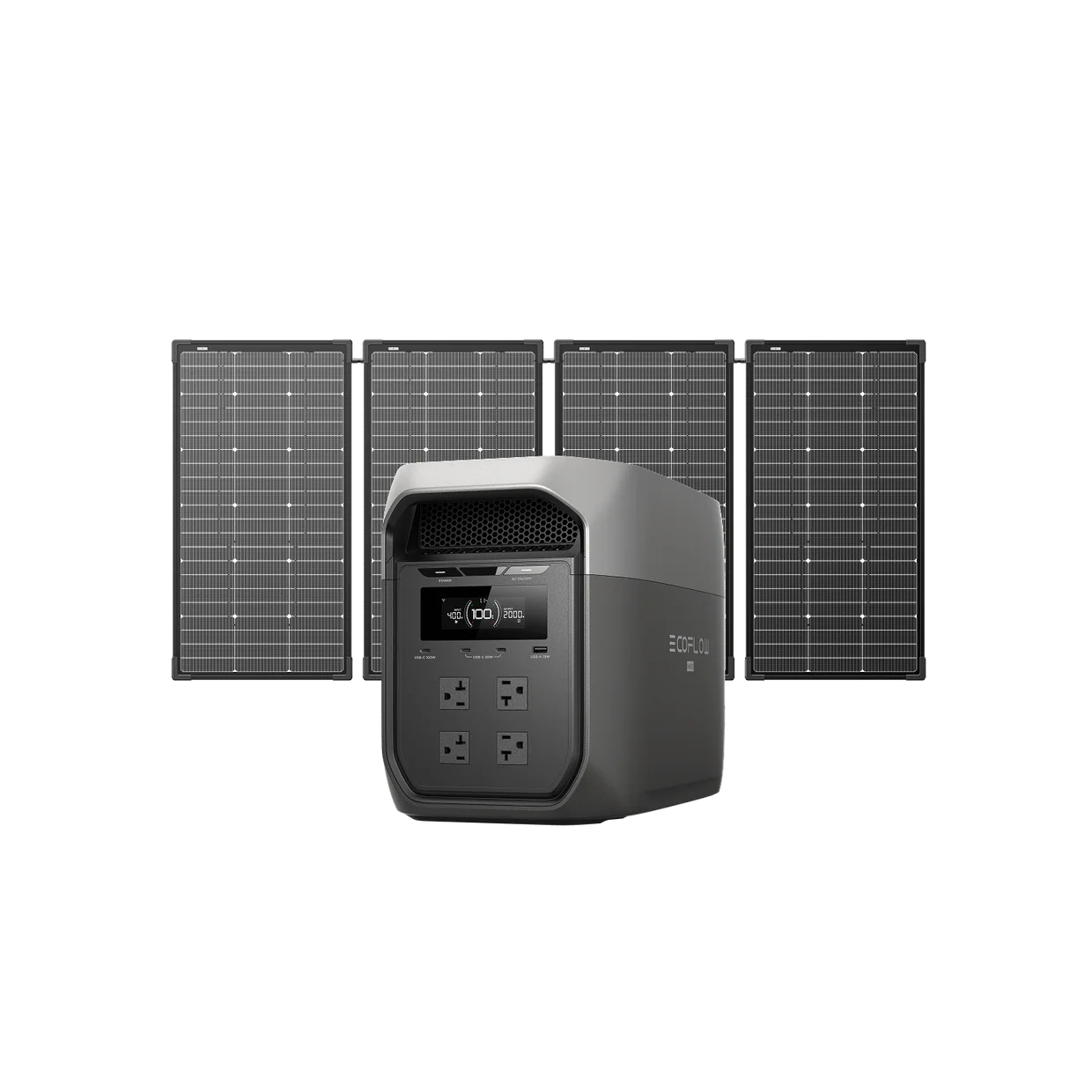
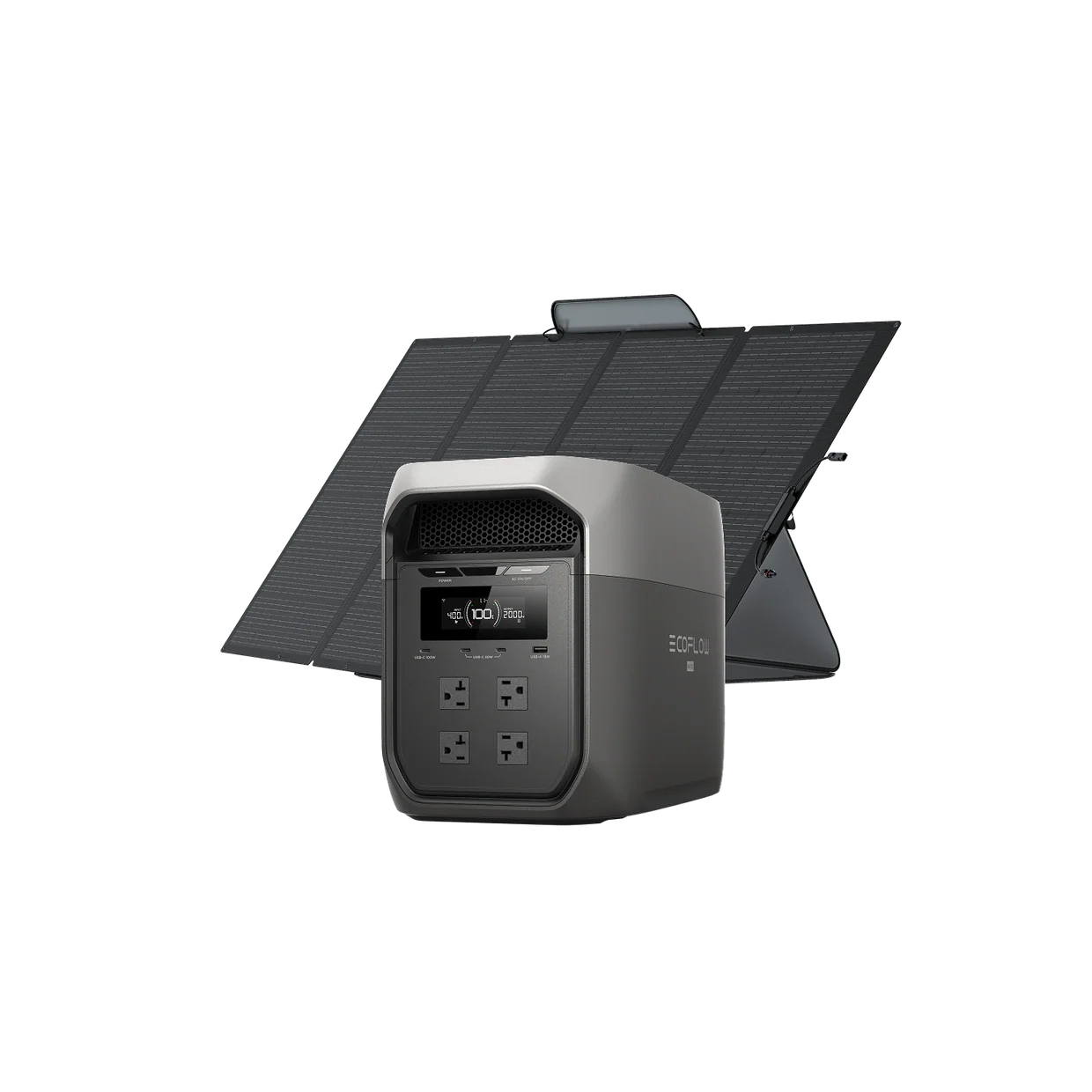
A solar generator like the EcoFlow DELTA 3 Max + 400W Solar Panel allows you to combine photovoltaic solar panels with a portable power station. You can then capture power during the day and use it during periods of higher rates so you can power your home during more expensive times of the day.
Frequently Asked Questions
What Is Considered a High Electric Bill?
A high bill is generally considered one that is higher than the national average of about $150 to $165, or if it exceeds the baseline for your region and home’s square footage. For a standard 2,000-square-foot home, a bill over $250, outside of extreme weather conditions, is considered high.
Why Did Electric Bills Go Up in 2026?
Prices have been rising in 2026, driven by large utility investments in the grid, replacing old transmission infrastructure, and high supply costs, which are passed to the consumer.
Which State Has the Highest Average Electric Bill?
Hawaii has the highest electricity rate of 46.62¢ per kWh because it relies on imported petroleum to generate fuel. California is also high at 35.25¢ per kWh, and Connecticut has a rate of 32.24¢ per kWh.
How Can I Check My Average Monthly Electric Bill?
Log in to your utility provider’s website and check your usage history, where you should be able to find your average cost and consumption over the last 12 months. Or you can add up the amount you spent in total over the last year and divide it by 12.
Understanding Your Electric Bill Helps You Take Control of Your Energy Costs
Rising costs can put your household budget under stress, and understanding your bill is one of the first steps to take back control of your energy costs. You can then make changes in your home to reduce your bills.
Take a look at a whole home backup power solution from EcoFlow if you want to generate electricity from the sun and use the free power to reduce your bills. These could help you reduce your bill while also ensuring you have a backup solution during power outages.
For press requests or interview opportunities, reach out to our media team
media.na@ecoflow.com