Net Metering Explained: How Selling Solar Back to the Grid Works in 2026
- Net Metering Basics: What It Is and What Your Utility Tracks
- What’s Different in 2026: Lower Export Value and More Complex Rate Design
- How Solar Credits Actually Show Up on Your Bill
- Why Self-Consumption Matters More Than Ever
- How Solar Batteries Improve Savings and Resilience Under New Rules
- Frequently Asked Questions
- Save More from Every Solar kWh with Smarter Solar-Plus-Storage Choices
Falling panel costs and rising electricity rates have made residential solar a practical choice for more homeowners than ever. Utility companies have offered incentives for installing solar panels, but as grid technology has improved, billing agreements have shifted.
Keep reading to learn what net metering is, how 2026 rules have changed the value of exported solar, and how batteries help you maximize savings.
Net Metering Basics: What It Is and What Your Utility Tracks
Net metering is when utility companies credit you for the excess electricity your solar panels send back to the grid. During the day, when the sun is at its brightest, solar panels may produce more electricity than what the house or backup batteries need. Instead of wasting the excess, it can be sent back into the grid for others to use.
Depending on the net metering arrangement with your utility company, you will receive payment in the form of a statement credit. In a perfect setup, the cost of energy drawn from the grid will be covered by the credit from solar put back into the grid. But net metering policies are different across the US.
What’s Different in 2026: Lower Export Value and More Complex Rate Design
This year, more utility companies are shifting from traditional net metering toward net billing programs. Under this structure, utility companies no longer credit exported solar at the retail rate. Instead, it’s valued at wholesale rates, which is what the utility would otherwise pay to generate or purchase electricity on the market.
Now, exported solar is worth much less than imported electricity. In some states like California, the NEM 3.0 policy reduced exported solar value by 75% because electricity credit is based on wholesale power rates.

How Solar Credits Actually Show Up on Your Bill
There are two main ways solar credit shows up on your bill. The most common is dollar amount reduction. The statement will show how much electricity is drawn from the grid compared to how much excess solar was exported.
Then, the utility company applies a credit for the exported energy, reducing the total amount owed for that billing period. Under traditional net metering, that amount is close to the retail electricity rate. With net billing, it is lower.
The second method is the kilowatt-hour (kWh) credit. Instead of crediting the bill statement, the company tracks how many kWh have been exported from a home. The kWh credits can roll over to future months when solar production is low.
Why Self-Consumption Matters More Than Ever
Since net metering agreements are rarely at the full retail rate, self-consumption provides the biggest cost savings with excess generated electricity. Any excess solar output is stored in batteries.
When the sun goes down and solar generation stops, your whole home backup power solutions can switch to battery power instead of grid power. This transition prevents reliance on the grid during peak energy hours and protects your home during power outages.
How Solar Batteries Improve Savings and Resilience Under New Rules
Solar batteries allow households to store excess solar energy generated during the day and use it when electricity is more expensive or unavailable. Under net billing programs, exported electricity no longer offers the most economical benefit. Instead, optimized self-consumption is one of the best ways to see cost savings on electric bills.
Batteries provide protection against several energy-related challenges:
Time-of-Use Pricing: With dynamic, time-of-use pricing, the rates of electricity change based on supply and demand. Typically, power is cheapest when the sun is highest and most expensive during peak evening hours. Batteries discharge stored electricity instead of depending on fluctuating rates.
Changes in Net Metering Rules: You don’t have to worry about utility pricing or changing net metering agreements.
Blackouts: When the grid power goes out, batteries provide onsite electricity for your home. With automatic switch-overs, you won't notice there’s a power outage.
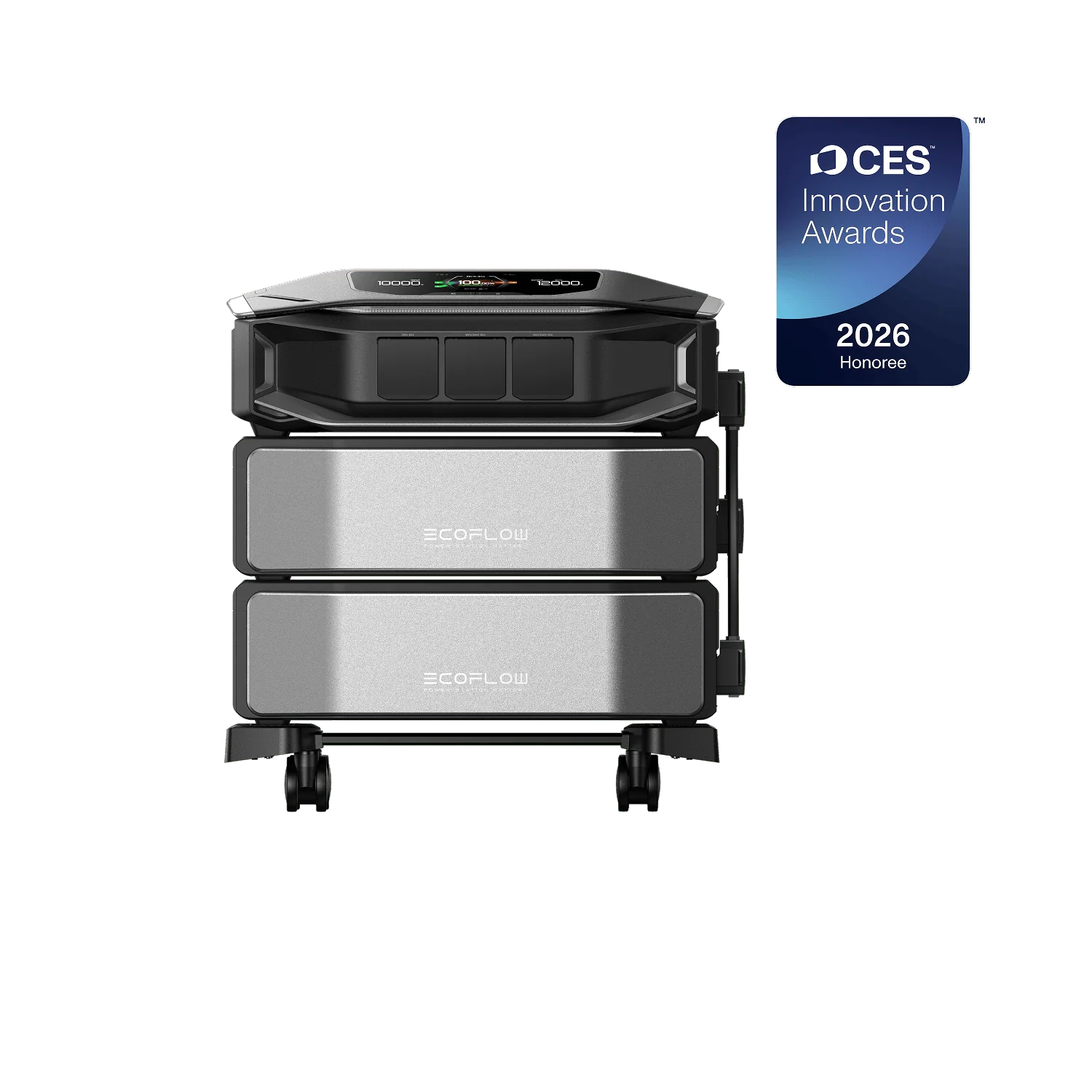
Large, modular battery systems, like the EcoFlow DELTA Pro Ultra X can store enough energy to support most household electrical needs, providing financial benefits and peace of mind during an outage.
Frequently Asked Questions
Is Net Metering the Same as Net Billing in 2026?
No. Net metering and net billing are two different ways utility companies compensate customers for excess solar energy sent to the grid. With net metering, exported solar is credited at the same rate the utility charges customers for electricity. Under net billing, exports are credited at a wholesale rate.
Do I Need a Battery to Get Value from Solar Now?
Not necessarily. Solar panels can still provide meaningful savings without a battery because generated electricity still reduces how much kWh is bought from the utility company. A battery increases self-consumption by enabling solar energy use at night, which is more beneficial than selling back to the utility company under net billing agreements.
How Can I Estimate Whether I’ll Be a Net Exporter or a Self-Consumer?
Start by looking at your household electricity use. Solar systems generate power in the middle of the day. If your home is active during the day from charging EVs, appliances, or air conditioning, most electricity will be self-consumed. If the home is empty during the day, most electricity will be exported.
What Should I Ask My Utility or Installer Before I Sign an Interconnection Agreement?
You should ask your utility company how excess solar generation will be credited and whether they use net metering, net billing, or another compensation structure. Find out if credit rolls over between billing periods. Then ask about fees, insurance requirements, and if there are system size limits.
Save More from Every Solar kWh with Smarter Solar-Plus-Storage Choices
Exporting solar for net metering benefits has been the historical way to offset or greatly decrease utility bills. Now, in 2026, the most economical option is maximizing self-consumption. Solar-plus-storage allows residents to store excess solar energy for later use, instead of sending it back to the grid at a wholesale rate.
For homeowners looking to maximize self-consumption under net billing, the EcoFlow DELTA Pro 3 Solar Generator offers the generation capacity and onboard storage to keep your home running on solar through the evening hours, reducing what you pull from the grid when rates are highest.
For press requests or interview opportunities, reach out to our media team
media.na@ecoflow.com