Wildfire Smoke and Air Quality: How to Protect Your Home This Summer
- Understand Wildfire Smoke and Why It's a Bigger Indoor Problem Than It Looks
- Know What to Monitor: AQI, PM2.5, CO, CO2, and VOCs
- Stop Smoke at the Source: Block Entry Points and Reduce Indoor Buildup
- Clean the Air Safely: Filtration, HVAC Settings, and a Simple Clean-Air Room Setup
- Keep Air Protection Running During Outages with EcoFlow Backup Power
- Frequently Asked Questions
- Cleaner Indoor Air, Lower Health Risk, and Reliable Backup Power
Wildfire season is getting longer and more intense across much of the US, and smoke doesn't stay outside. Even with your windows shut, fine particles can work their way in and degrade your indoor air quality.
Here's what you need to monitor, how to reduce your exposure, and why backup power matters more than you might expect when smoke rolls in.
Understand Wildfire Smoke and Why It's a Bigger Indoor Problem Than It Looks
Most people assume staying indoors during a smoke event is enough. It's not. Research from the EPA shows that indoor air can become nearly as polluted as outdoor air during heavy smoke events, particularly in older or less-sealed homes.
The particles most dangerous to your health are PM2.5, i.e., particulate matter 2.5 microns or smaller in diameter. These are small enough to bypass your body's natural defenses and penetrate deep into your lungs.
Prolonged exposure has been linked to respiratory irritation, cardiovascular stress, and worsened outcomes for people with asthma or heart disease.
The problem is you can't see or smell PM2.5 at harmful levels, so your home may feel fine while air quality is well into the unhealthy range.
Know What to Monitor: AQI, PM2.5, CO, CO2, and VOCs
AQI (Air Quality Index): A 0–500 scale used by the EPA to communicate outdoor air quality. Anything above 100 is considered unhealthy for sensitive groups; above 150 affects everyone.
PM2.5: The fine particulate most associated with wildfire smoke. Understanding wildfire smoke safety and PM2.5 levels helps you know what different concentrations mean for your health and how to track them indoors.
CO and CO2: Carbon monoxide and carbon dioxide are separate concerns, but both matter during smoke events, especially if you're running fuel-burning equipment or keeping a home tightly sealed. Knowing the basics of carbon monoxide vs. dioxide is worth your time before smoke season arrives.
VOCs (Volatile Organic Compounds): Wildfire smoke contains VOCs from burning vegetation and structures, some of which are carcinogenic at high concentrations. A multi-sensor indoor air quality monitor can track VOC levels alongside PM2.5 and CO2.
Stop Smoke at the Source: Block Entry Points and Reduce Indoor Buildup
The best filtration setup in the world works better if less smoke is getting in to begin with. These steps reduce how much infiltrates your home before it ever reaches your air purifier.
Seal gaps and openings. Smoke infiltrates through gaps around doors, windows, electrical outlets, and HVAC penetrations. Weatherstripping, door sweeps, and foam gaskets behind outlet covers can make a real difference.
Keep windows and doors closed. Make it a habit to check the AQI before opening anything to the outside, especially on warm days when ventilation feels necessary.
Avoid exhaust fans that draw outdoor air in. Range hoods and bathroom fans that vent outside can pull smoky air indoors. Use them briefly if needed and switch to interior circulation only.
Don't use combustion appliances indoors. Gas stoves, candles, and fireplaces add to your indoor pollution load when outdoor air quality is already poor.
During extended smoke events, keeping an air purifier running continuously matters. The EcoFlow DELTA 3 Classic can power a HEPA air purifier for many hours on a single charge, which is useful when you want to keep purification running in a sealed room without relying on wall power.

Clean the Air Safely: Filtration, HVAC Settings, and a Simple Clean-Air Room Setup
Once you've reduced how much smoke is getting in, filtration handles what's already inside.
Upgrade your HVAC filter. Switch to a MERV-13 or higher rated filter during wildfire season. These capture a much higher percentage of fine particles than standard fiberglass filters. Verify your system can handle the increased airflow resistance before switching.
Set your HVAC to recirculate. Switch to recirculation mode during smoke events so your system isn't actively pulling outdoor air in through a fresh air intake.
Use a HEPA air purifier. HEPA filters capture 99.97% of particles 0.3 microns or larger. Run one continuously in the room where you spend the most time.
Set up a clean-air room. Pick one room, seal its gaps, run a HEPA purifier, and use it as your primary living space during peak smoke periods. A bedroom makes sense given how many hours you spend there.
Planning these kinds of summer home improvement projects before wildfire season starts puts you in a much stronger position.
Keep Air Protection Running During Outages with EcoFlow Backup Power
Wildfires don't just affect air quality; they frequently cause power outages. When the power goes out, your HVAC system, air purifiers, and air quality monitors all go offline at the moment you need them most.
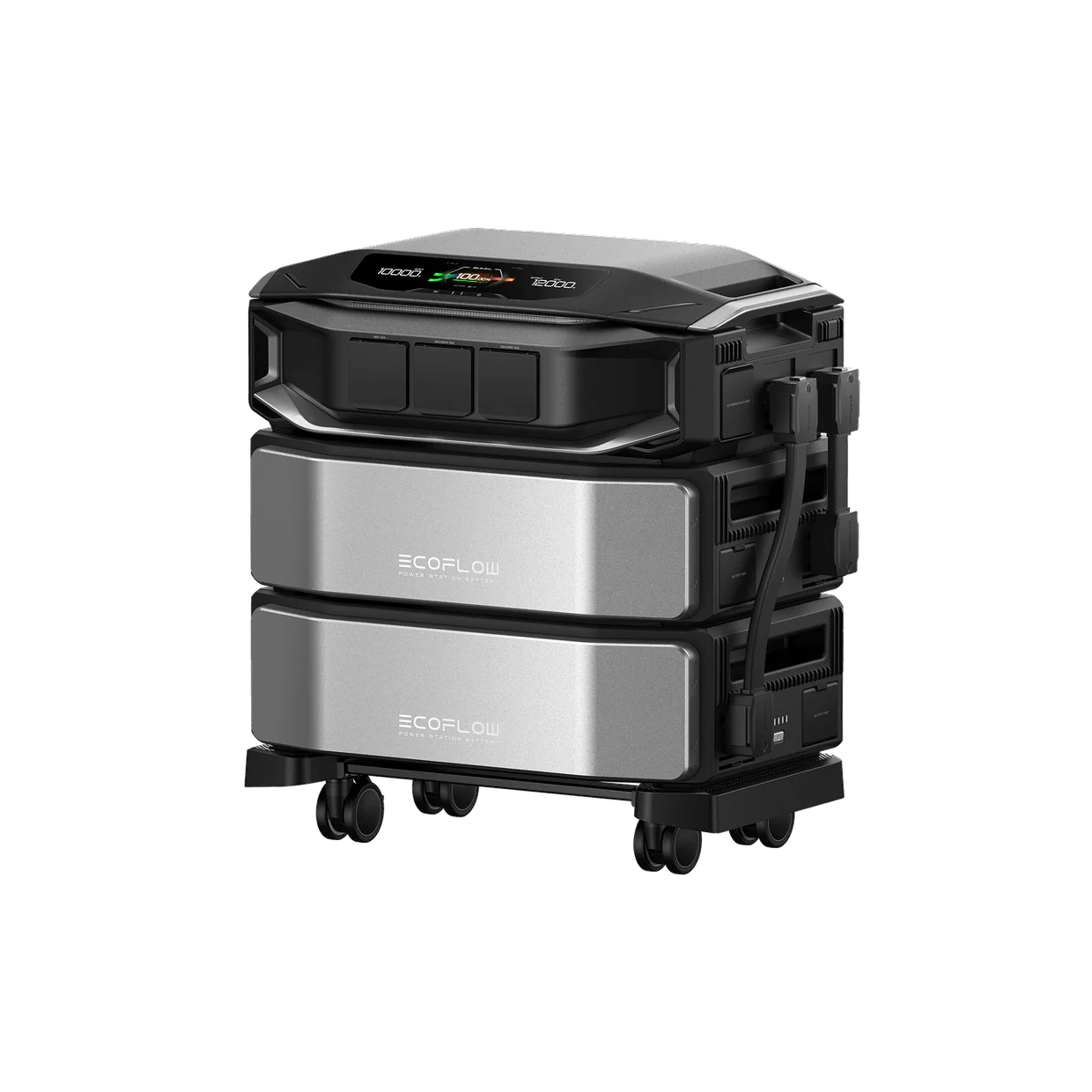
The EcoFlow DELTA Pro Ultra X delivers up to 12,000W of continuous AC output and can be scaled with additional battery modules to cover essential systems (HVAC, purifiers, refrigeration, medical devices) through an extended outage.
With solar panel input, it can recharge during daylight hours without grid access, keeping your home protected even if the outage lasts several days.
For households in wildfire-prone regions, pairing whole-home air filtration with reliable backup power is a practical part of emergency preparedness, not an optional upgrade.
Frequently Asked Questions
How Dangerous is PM2.5 from Wildfire Smoke?
PM2.5 particles are small enough to travel deep into your lungs and enter your bloodstream. Short-term exposure can cause throat irritation, coughing, and difficulty breathing. Long-term or high-concentration exposure has been linked to cardiovascular and respiratory disease. People with asthma, heart conditions, or lung disease, as well as children and the elderly, face the greatest risk.
Can Portable Air Purifiers and HVAC Upgrades Reduce Indoor Smoke Exposure?
Yes, both are effective when used correctly. A HEPA air purifier rated for your room size will capture the fine particles associated with wildfire smoke. Upgrading to a MERV-13 or higher HVAC filter improves whole-home filtration, though you should verify your system's compatibility first. Running your HVAC on recirculation mode during smoke events prevents it from drawing contaminated outdoor air inside.
How Can Backup Power Like EcoFlow Help During Smoke Events?
Wildfire-related outages can leave your air purifiers and HVAC offline when you need them most. A home backup power station keeps essential air quality equipment running without grid power. Depending on the system's capacity and solar input, it can sustain filtration, refrigeration, and medical devices through multi-day outages.
Cleaner Indoor Air, Lower Health Risk, and Reliable Backup Power
Protecting your home from wildfire smoke means addressing the problem at multiple points: limiting how much smoke gets in, filtering what does, monitoring your air quality, and keeping that protection running if the grid goes down.
If you're looking at whole-home coverage, explore EcoFlow's whole home backup power solutions to find the right fit for your home's size and energy needs.
For press requests or interview opportunities, reach out to our media team
media.na@ecoflow.com