What Home Improvements Should I Consider Before & During Summer?
- When Is Summer 2026, and Why Should You Plan Home Improvement Projects Early?
- How to Prioritize Home Improvement Projects for Summer Comfort, Safety, and Lower Bills
- Which Home Improvement Projects Can Help Keep Your Home Cool in Summer?
- What Home Improvement Projects Should You Consider for Summer Storms and Power Outages?
- Can Home Improvement Projects Reduce High Summer Electricity Bills?
- Start Your Summer Home Improvement Projects Now for a Cooler, Safer, and More Resilient Home
- FAQs
Summer puts pressure on a home in ways people feel immediately. Upstairs rooms stay hot into the evening, the AC runs longer, utility bills creep up, and one thunderstorm can leave a family dealing with heat, spoiled food, and dead devices. The right home improvement projects can ease those problems by improving comfort, lowering cooling waste, and helping a house stay functional when the power cuts out.
When Is Summer 2026, and Why Should You Plan Home Improvement Projects Early?
The first day of summer 2026 falls on June 21, 2026, but many homeowners feel summer pressure well before that date. In many parts of the U.S., high temperatures arrive early, and contractor schedules fill up fast. Planning ahead gives you a better chance to finish important home improvement projects before the hottest stretch of the season.
It also helps control costs. Cooling demand rises quickly in summer, and air conditioning already accounts for a meaningful share of household electricity use in the U.S. Homes with weak insulation, air leaks, or heavy sun exposure usually feel that strain first. If upstairs bedrooms stay hot, rooms cool unevenly, or the AC runs for long stretches every afternoon, those are clear signs that summer upgrades should move higher on your list.
How to Prioritize Home Improvement Projects for Summer Comfort, Safety, and Lower Bills
People usually do best when they rank projects by discomfort, risk, and return. If your house gets stuffy by noon, cooling efficiency deserves attention first. If storms regularly knock out service in your area, resilience moves up. If your bill spikes every summer, anything that reduces heat gain earns a close look. That is the most practical answer to how to prioritize home improvement projects without turning the season into a costly overhaul.
One practical way to rank summer home improvement projects is to group them by urgency, savings potential, and outage readiness.
| Priority | Focus Area | Why It Comes First |
| Immediate | Air leaks, shading, HVAC maintenance | Delivers faster comfort and reduces cooling waste |
| Next | Insulation, duct sealing, airflow improvements | Helps rooms cool evenly and supports lower bills |
| Situational but important | Surge protection, outage prep, backup power planning | Matters most in storm-prone regions or areas with unstable service |
The priority is simple: solve the comfort problems you feel every day, reduce the waste that shows up on your utility bill, and then think about backup and storm readiness. That keeps your budget tied to real household needs instead of lower-impact upgrades.

Which Home Improvement Projects Can Help Keep Your Home Cool in Summer?
The homes that struggle most in summer often have the same weak spots. Sun-facing windows pull in heat for hours, attic spaces trap hot air above bedrooms, and small gaps around doors or trim quietly let conditioned air escape. Those issues can make a decent AC system feel underpowered.
Quick Fixes That Deliver Real Relief
Several upgrades are affordable, fast, and genuinely useful:
Install weather-stripping around exterior doors
Caulk visible gaps around windows and trim
Add tightly fitted cellular shades in rooms with heavy afternoon sun
Keep blinds or shades closed during the hottest hours
In rooms with strong afternoon sun, tightly fitted cellular shades can reduce unwanted solar heat through windows by up to 60% during the cooling season and help ease the load on your cooling system.
Larger Upgrades With Lasting Value
Attic insulation, air sealing, and duct improvements tend to offer the strongest payoff in homes that stay warm late into the night or cool unevenly from room to room. Those symptoms usually point to a building envelope issue.
Insulation and air sealing are especially important: they improve comfort and efficiency at the same time. Sealing leaks and adding insulation can provide up to 10% savings on annual energy bills, and many homes can trim heating and cooling costs by around 15% with those improvements. Another useful reality check: nine out of ten U.S. homes are considered under-insulated. That is one reason this category of home improvement projects keeps showing up near the top of any worthwhile summer checklist.
What Home Improvement Projects Should You Consider for Summer Storms and Power Outages?
Heat becomes a very different problem once the power fails. Fans stop, refrigerators warm up, routers go dark, and indoor temperatures can rise quickly. Summer outages are especially hard on households with young children, older adults, or anyone who depends on powered medical devices. In hot weather, a blackout is not just an inconvenience. It can become a health and safety issue within hours.
That is why outage readiness belongs in summer planning, particularly in places exposed to thunderstorms, hurricanes, or grid strain. The goal is not to overhaul everything at once. It is to decide what needs to keep working when the service drops.
A sensible short list includes:
Refrigeration for food and temperature-sensitive medication
Lights for hallways, bathrooms, and bedrooms
Phone charging and internet access
Fans or other essential cooling support
Surge protection for electronics and appliances
Outdoor prep also matters. Secure loose patio items, clear branches that threaten lines or the roof, and know where your flashlights, batteries, and charging gear are stored. Small steps reduce chaos when a storm warning turns into a long evening without power. Among all home improvement projects linked to summer resilience, this area often gets delayed until after the first outage. That timing rarely works in a homeowner’s favor.
Can Home Improvement Projects Reduce High Summer Electricity Bills?
Yes. For many families, the hardest part of summer is the bill that follows a week of intense heat. Cooling puts real pressure on household electricity use, and heating plus cooling remains the largest share of utility spending in many homes. That is why bill control usually comes down to one clear principle: reduce the amount of heat entering the house, then make the electricity you use work harder for you.
In practical terms, the strongest cost-cutting moves usually fall into three groups:
Seal and insulate so cooled air stays indoors
Improve shading and airflow so the AC runs less
Manage power use more intentionally during expensive, high-demand hours
The third group is where the conversation broadens naturally. After a home has basic weatherproofing and cooling improvements in place, many owners begin looking at reliability and energy control. In storm-prone areas, or in places with time-of-use pricing, backup power and home energy storage can become a sensible extension of the same summer planning process.
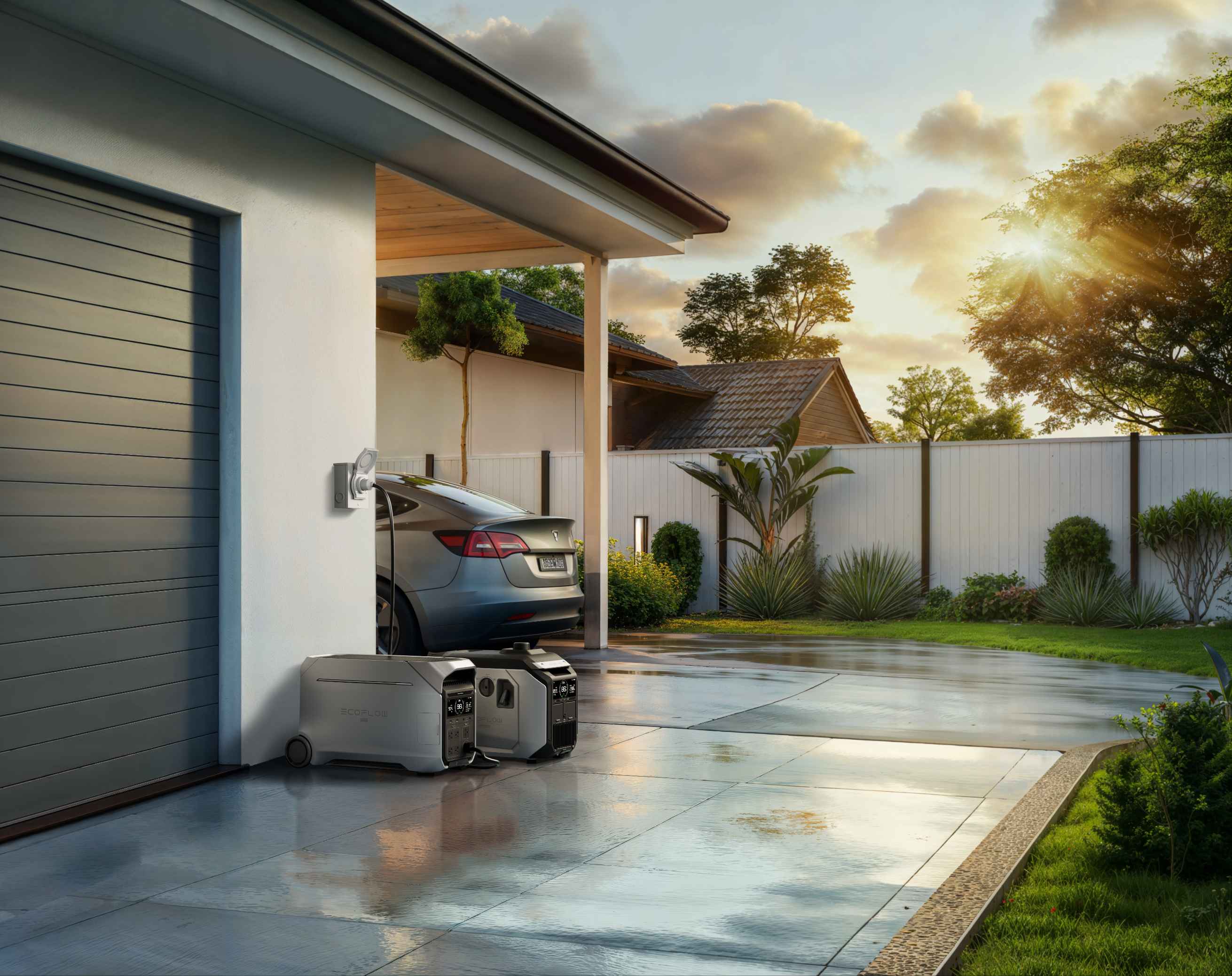
That transition fits EcoFlow naturally. For homeowners looking for a practical next step, the EcoFlow DELTA Pro 3 + 400W Solar Panel offers solar charging for more flexible backup power, which can be especially useful during summer outages. With expandable capacity from 4–48 kWh, both 120V and 240V output, and up to 4000W in a single unit, it gives households a more versatile way to keep essential devices and appliances running when the grid is under stress.
Start Your Summer Home Improvement Projects Now for a Cooler, Safer, and More Resilient Home
The best summer decisions solve the problems you actually live with every day. Cool the rooms that trap heat, tighten the parts of the house that waste energy, prepare for outages before the forecast turns rough, and consider energy storage once the basics are covered. Home improvement projects tend to pay off fastest when they support comfort, lower bills, and give your household a steadier sense of control through the hardest weeks of summer.
FAQs
Q1. Can I still do summer home improvement projects if I am on a tight budget?
Yes. A limited budget does not mean you need to postpone every improvement. Focus on projects that solve one clear problem at a time, such as a room that overheats, a door that leaks air, or a window that makes cooling harder. Small upgrades often deliver noticeable comfort gains without requiring a large seasonal spend.
Q2. Are summer home improvement projects worth it if I plan to move in a year or two?
Yes, in many cases. The best short-term projects are the ones that future buyers can feel right away, such as better comfort, lower noise, improved light control, and fewer temperature swings between rooms. You do not need a major remodel. Practical upgrades that make daily living easier can still strengthen buyer perception.
Q3. Should I hire a contractor for every summer upgrade?
No. Some projects are realistic for homeowners, while others are better left to a professional. Simple tasks like replacing weather-stripping, adding shades, or sealing small visible gaps are often manageable. Electrical work, duct issues, insulation planning, or anything tied to major systems usually deserves qualified help to avoid mistakes and repeat costs.
Q4. Do renters have any options if they cannot make permanent changes?
Yes. Renters can still make a home feel cooler and more manageable in summer. Removable window coverings, draft blockers, better fan placement, portable lighting, and simple heat-control habits can improve comfort without changing the property itself. It also helps to document recurring problems and raise them early with the landlord.
Q5. How can I tell if a summer home upgrade is actually helping?
Look for everyday signs first. A useful upgrade should make the home feel more stable, not just sound good on paper. Rooms should cool faster, temperatures should stay even more, and your AC should cycle more normally instead of running endlessly. Utility bills may also improve, but comfort changes often show up before savings do.
For press requests or interview opportunities, reach out to our media team
media.na@ecoflow.com