Types of Batteries Explained: A Complete Guide to Battery Chemistry and Uses
Batteries power almost everything in modern life, from smartphones to home backup systems. But not all batteries are created equal. This guide looks at the different batteries you may come across so you can understand their specific uses.
Why Does Battery Chemistry Matter?
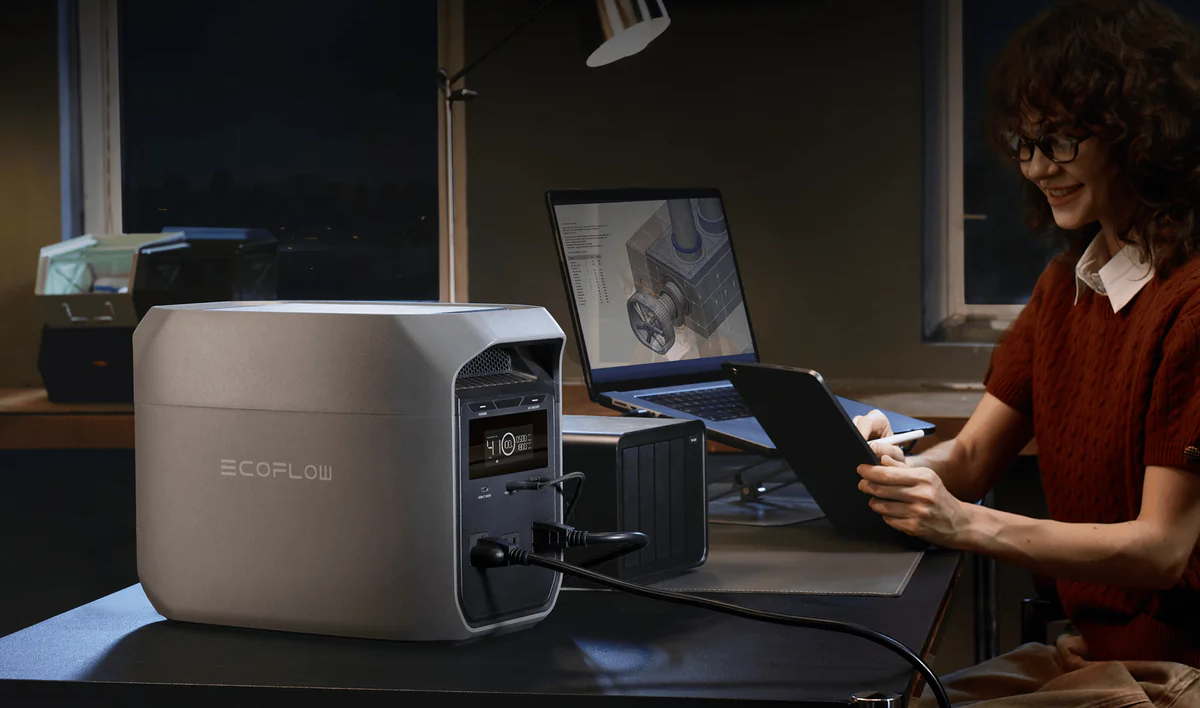
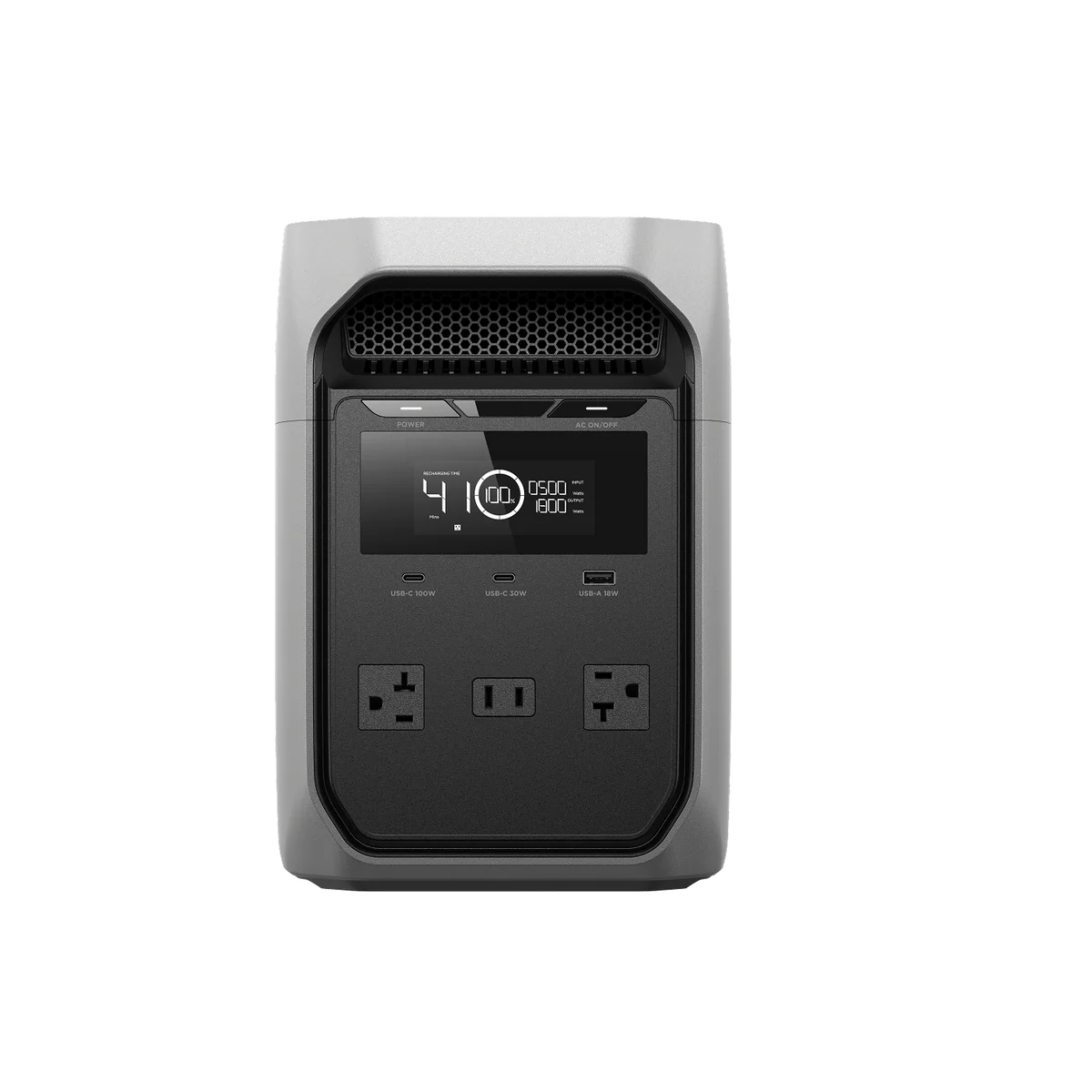
Battery chemistry matters because it dictates how different energy storage systems work. The EcoFlow DELTA 3 Classic, for example, has a Lithium Iron Phosphate (LFP) battery, which has several benefits over standard lithium batteries (as explored below).
The type of energy stored in a battery is chemical energy, and the chemistry determines the energy density, safety, and lifespan. Here’s a closer look at each of these factors:
Energy Density: This refers to how much electrical energy a battery can hold relative to its weight and volume. A high energy density means it provides more power in a smaller package.
Safety: When put under stress, chemical compounds react differently. Some possess high thermal stability, which means they are resistant to overheating if they are overloaded or punctured.
Lifespan: Also called “cycle life.” One cycle refers to a battery fully charging and discharging once, and the chemistry determines how many cycles a battery has before its capacity degrades.
What Are the Main Types of Batteries?
There are four main types of batteries in use today:
Lead-Acid Batteries
Invented nearly 170 years ago in 1859, lead-acid batteries are the oldest type of rechargeable batteries.
They work by using lead plates submerged in sulfuric acid, and they are heavy, bulky, and have a very low energy density. They also have a short lifespan of up to about 500 cycles, and they often require maintenance.
Unsurprisingly, lead-acid batteries are not used in personal devices or many other household items these days. They are mainly used in car starter batteries or back-up arrangements where their weight is not a concern.
Nickel-Cadmium (NiCad) and Nickel-Metal Hydride (NiMH)
Nickel-based rechargeable batteries started to gain popularity at the end of the 20th century, when they appeared in small consumer electronics.
Nickel-Cadmium (NiCad) batteries are rugged, but if they are charged repeatedly without being fully drained, they lose capacity. This is something called the “memory effect.” Cadmium is also highly toxic, which limits its suitability for consumer use.
Nickel-Metal Hydride (NiMH) batteries have now replaced NiCad batteries for the most part. These offer a higher energy density and less memory effect. They are often used in rechargeable AA and AAA cells, but they have mainly been replaced by lithium alternatives elsewhere.
Standard Lithium-Ion (NMC and LCO)
Several types of lithium batteries exist. Lithium-ion batteries, including Lithium Manganese Cobalt Oxide (NMC) and Lithium Cobalt Oxide (LCO), completely changed portable tech.
They work by moving lithium ions between an anode and a cathode, leading to a very high energy density. They are also lightweight and compact, making them ideal for smartphones, laptops, and long-range electric vehicles.
However, they only have a moderate lifespan of between 500 and 1,000 cycles before the performance degrades. They can also catch fire if punctured or exposed to extreme heat.
Lithium Iron Phosphate (LiFePO4 or LFP)
Lithium Iron Phosphate (LiFePO4 or LFP) batteries represent a major leap in lithium tech. They replace cobalt and manganese with iron and phosphate, which addresses the main drawbacks of standard lithium-ion.
Their standout feature is their lifespan, boasting about 3,000 to 4,000 cycles before dropping to 80% of their original capacity. They also have excellent thermal and chemical stability, so they are safer to use, making them ideal for back-up power solutions for off-grid living. However, they are slightly heavier and less energy-dense than NMC batteries.
How Do Different Battery Chemistries Compare?
Battery Chemistry | Energy Density | Lifespan (Cycles to 80%) | Safety Profile | Optimal Application |
Lead-Acid | Low | 300 – 500 | Moderate | Car starters |
Nickel-Metal Hydride (NiMH) | Moderate | 500 – 1,000 | High | Household batteries |
Standard Lithium (NMC) | Very High | 1000 – 2,000 | Moderate | Smartphones and light tech |
Lithium Iron Phosphate (LFP) | High | 3,000 – 4,000+ | Very High | Portable power stations |
How Is Battery Technology Evolving in 2026?
In 2026, energy storage is advancing rapidly, driven by more demand for environmental resilience.
The biggest shift right now is the mainstream release of third-generation LFP chemistry with automotive-grade structures. Standard lithium batteries struggle in freezing temperatures, losing a significant amount of capacity at 0°C, but advanced LFP cells today integrate chemical stabilizers and internal heating pathways so they can resist extreme conditions. This means off-grid power becomes more reliable.
Solid-state battery technology is another important area. This is now transitioning from laboratory testing to commercial applications, with liquid electrolyte being replaced with solid conductive material. This can double the energy density of lithium-ion cells while maintaining safety.
Frequently Asked Questions
Which Is Better, Li-Ion or LiFePO4?
Neither one is better than the other because it depends on the application. Standard Lithium-Ion (like NMC or LCO) is better if you want a battery that is lightweight and compact, which is why it’s popular in cell phones. But LiFePO4 is superior for longevity, safety, and cost-efficiency.
Which Battery Type Is Best for Portable Power?
For portable power stations and solar generators, LFP batteries are best. These devices are used to run high-wattage appliances, and LFP batteries ensure they can be charged up daily for over a decade without replacement. They are also safe to use, which is important for operating a high-capacity power source, especially inside a tent or vehicle.
What Type of Battery Is Used in Home Energy Storage Systems?
Home energy storage systems usually use LFP batteries. These systems are installed in residential spaces, so safety is key. Chemical stability means there is very low fire risk, and home solar setups need batteries that can handle daily cycling over many years.
Reliable Power, Longer Life, Safer Operation
Battery chemistry can seem complicated with all the confusing names, but it’s important to know the difference. Choosing the right type of battery has implications for the longevity of devices as well as safety.
If you’re considering getting a whole home generator or portable power station, EcoFlow uses LFP technology across its portable power stations to deliver excellent performance and safety. Explore EcoFlow’s range today and find the solution you need for your home.
For press requests or interview opportunities, reach out to our media team
media.na@ecoflow.com