Wildfire Smoke Safety: Understanding PM2.5 and Indoor Air Quality
Wildfire smoke is more than just an inconvenience. Many people are aware that it can cause coughing and asthma, but what’s really going on is much worse. This smoke can travel hundreds of miles, carrying microparticles that enter the bloodstream and contribute to significant health risks.
Keep reading to learn more about these microparticles and what health effects they cause. Most importantly, learn how to protect your home before and during a wildfire smoke impact.
What is PM2.5, and Why Wildfire Smoke Is Dangerous
PM2.5 refers to particulate matter that is 2.5 microns or smaller in diameter. Wildfire smoke is more than just wood ash. It contains carbon monoxide, chemicals from plastic and rubber, and PM2.5.
How Fine Particles Enter the Lungs
Because PM2.5 is so small, it bypasses the body's natural immune defenses, such as nose hairs and mucus. PM2.5 travels deep into the lungs, reaching the alveoli. This is where PM2.5 enters the bloodstream and travels to every major organ, like the kidneys, heart, and brain.
Short-Term Exposure
Symptoms appear within hours or days of exposure. Even healthy individuals can experience these conditions.
Respiratory Distress: Irritation of the eyes, nose, and throat. Often leading to coughing, wheezing, and shortness of breath.
Cardiovascular Stress: Increased heart palpitations, chest pains, and sometimes heart attacks.
Exacerbation of Existing Conditions: Worsened asthma, bronchitis, or COPD.
Inflammation: The immune response to PM2.5 can cause headaches, fatigue, and brain fog.
Long-Term Risks
Extended and repeated exposure to PM2.5 over months and years leads to permanent damage.
Reduced Lung Function: Scarred lung tissue and decreased lung capacity.
Cardiovascular Disease: In the blood, the particles contribute to the development of coronary heart disease and increased risk of stroke.
Neurological Impacts: Since the particles can reach the brain, long-term exposure can lead to cognitive decline and increased risk of dementia.
Premature Mortality: Prolonged exposure to high levels of PM2.5 is known to shorten life expectancy due ot heart and lung failure.
How Wildfire Smoke Affects Indoor Air Quality
Even when windows and doors are shut, PM2.5 can still enter a home. Once PM2.5 is inside, it settles like dust on carpets, furniture, and curtains. When those items are disturbed, PM2.5 is kicked back up into the air.
Signs Your Indoor Air Is Compromised
Physical Symptoms: If individuals experience irritation in the eyes, throat, or a dry cough, it’s likely due to exposure to PM2.5. Other common symptoms include headaches, dizziness, fatigue, and shortness of breath.
Sensory Cues: If you smell the smoke scent indoors, there’s already a high concentration of PM2.5. While inside, the air may have a slight haze to it when viewed against a light. Grey or black ash will coat surfaces and windowsills.
Mechanical Signs: The air inside will feel stuffy and heavy, indicating poor circulation and the potential for trapped smoke. HVAC filters will quickly become coated with particles and appear dark grey or black.
Sealing Your Home During Smoke Events
Your home is still the best place to be, even if there is potential for the wildfire smoke to enter. Prepare your home for wildfires before they start.
Closing Gaps and Managing Ventilation
Latch all windows so the weather stripping is compressed. Put up painters' tape around the seams, where the sash meets the frame.
Block gaps under doors with a rolled-up damp towel or draft dodger.
Plug areas where plumbing and wires enter the home. This is often under sinks or in laundry rooms. Use rags or tape for temporary seals.
Avoid using fans. Kitchen range hoods and bathroom fans vent out, which creates a vacuum that pulls smoky air in through other cracks.
Set the thermostat from “Auto” to “on” to keep air moving through the filters. If your system has a fresh air setting, turn on recirculate.
Most window AC units only recirculate air inside, but ensure any gaps are sealed with tape.
Check air filters frequently during periods of heavy smoke. Filters can clog in days instead of months. You’ll likely need ot change it much more frequently during a wildfire.
HEPA Filters vs. Standard Filters
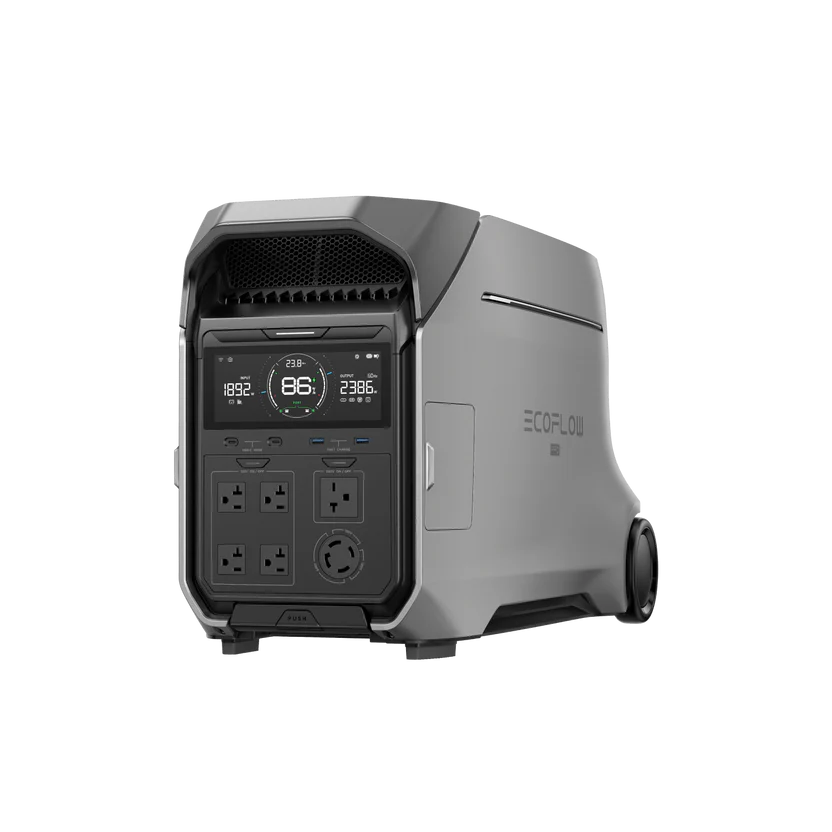
HEPA filters are used in portable air purification systems. They capture particles as small as 0.3 microns in size with 99.97% efficiency. In the event of a power outage, use an EcoFlow DELTA Pro 3 power station to operate the air purifier.
MERV 13 filters are high-efficiency HVAC filters that capture 85% of fine particles. These are good to have on hand when a wildfire breaks out near you.
The best everyday HVAC filters are standard MERV 1-8. These filters capture dust, lint, and hair, but most PM2.5 passes right through. Use a standard filter for everyday and switch to a MERV 13 when the smoke blows your way.
Use Air Purification Effectively
During wildfires, run your purifier on the highest setting 24/7. It’s loud, but it delivers the cleanest air.
Place it 3ft away from walls, curtains, or furniture. The air purifier requires ample space to create a 360-degree cone of suction, effectively pulling in particles from a distance.
Place the unit at a high level, for example, on top of a tall dresser. The goal is to position it as centrally as possible in the room, including in terms of elevation. The placement also allows it to capture particles more effectively near your breathing zone versus the floor.
Multiple units are best, but if you only have one, move it into the bedroom before going to sleep. One hour before bed is best, so the room is clean when you lie down to sleep.
Early Home Preparation Reduces Wildfire Smoke Exposure
Wildfire safety goes far beyond preparing for the fire. Wildfire smoke releases thousands of PM2.5 particles, which are small enough to enter the bloodstream through inhalation, causing a range of health issues throughout the body. Exposure can trigger respiratory distress, cardiovascular strain, headaches, and fatigue. Knowing the warning signs and when to seek medical help is critical.
Prepare your home ahead of wildfire season by installing air purifiers, upgrading HVAC filters to MERV 13 or higher, and keeping tape on hand to seal gaps and cracks around windows and doors. Being proactive reduces indoor smoke exposure and keeps you safer and calmer when wildfire smoke arrives.
For press requests or interview opportunities, reach out to our media team
media.na@ecoflow.com