Carbon Monoxide vs. Dioxide: Monitoring Indoor Air in Sealed Homes
You’ve probably heard about being cautious with indoor gas generators or not leaving a car in a closed garage, which is due to the risk of carbon monoxide poisoning. You’ve also (hopefully) heard about the rising levels of carbon dioxide in the atmosphere, which is contributing to global warming. If you’re confused between the two chemicals, you’re not alone.
Keep reading to learn the differences between them and why you need to monitor your indoor air levels with specialized detectors.
What are Carbon Monoxide and Carbon Dioxide?
Carbon monoxide (CO) and carbon dioxide (CO2) are both odorless and colorless gases. Carbon monoxide has one carbon and one oxygen atom. It’s very flammable and toxic when inhaled. Carbon dioxide has one carbon atom and two oxygen atoms. Unlike CO, CO2 is not flammable or immediately toxic.
Where Do These Gases Come From Indoors?
Carbon monoxide forms from incomplete combustion reactions. When there’s not enough oxygen present during the reaction, CO is formed instead of CO2. Indoors, CO is produced by malfunctioning appliances that are improperly maintained. Kerosene and gas space heaters discharge CO-containing exhaust into the room. Clogged chimneys or flues can trap CO-containing exhaust inside. In garages, idling vehicles also release CO. In sealed houses, there is no safe ventilation for CO, increasing the risk of exposure.
CO2 is produced naturally by humans. Indoor levels are often higher because humans and pets exhale this gas. As we inhale oxygen, cellular respiration processes use oxygen to break down glucose for energy, with CO2 as a byproduct. Properly functioning gas stoves, fireplaces, and candles also release this gas.
Health Risks: CO vs CO2
The main difference between these two gases lies in how they interact with your blood and cells.
Think of CO as chemical suffocation. Under normal circumstances, we breathe in oxygen, which binds to hemoglobin. Hemoglobin delivers oxygen to tissues and organs in our body. When CO levels are high, CO binds to hemoglobin more strongly than oxygen, effectively suffocating tissue and organs.
Symptoms of CO poisoning include nausea, confusion, headache, dizziness, and, in extreme cases, loss of consciousness or death. Only tiny amounts of CO are needed for devastating health outcomes.
On the other hand, CO2 is considered less hazardous because more of it is required for health risks. CO2 is present in the atmosphere in significantly higher levels than carbon monoxide and is vital for plant respiration. Since it’s so abundant, it's normal to breathe in small amounts of CO2 every day. But at high levels, CO2 can cause dizziness, headaches, confusion, and shortness of breath.

Monitoring and Protecting Indoor Air Quality
Air purifiers and maintaining HVAC systems are key aspects of achieving good indoor air quality. But you also need to monitor and protect it from unseen and scentless dangers:
Install CO detectors for accurate, continuous monitoring and early warning signs of dangerous gas build-up
Follow safety instructions for gas-powered generators, grills, and other fuel-burning appliances
Use solar generators to eliminate the risk of CO accumulation from traditional gas generators
Place CO2 detectors in high-occupancy spaces where CO2 is more likely to build up
Perform routine calibration and maintenance for best performance
Lower indoor CO2 levels naturally with plants
Choosing and Using Detectors for CO and CO2
Detector Features
A CO detector will alert if toxic CO levels are present. The best CO detector is an electrochemical sensing one. They exhibit higher selectivity and sensitivity to CO molecules, resulting in faster response times and fewer false alarms. The sensor you choose should be UL-listed, have a loud audible alarm, and include a battery backup for power outages. Connect the detector with a whole-home battery backup system for non-stop monitoring.
CO2 detectors focus on continuous monitoring rather than emergency alertness. The best CO2 detectors use non-dispersive infrared (NDIR) sensing. Modern ones display real-time ppm values, have data logging capabilities, and can integrate into HVAC systems.
Detector Placement
Place a CO detector on every floor of the house or building. Ideally, you should place it next to sleeping areas so it’s heard during overnight exposure. Additional detectors should be placed near fuel-burning appliances, fireplaces, attached garages, and gas generators when in use.
CO2 detectors should be installed near the breathing zone. They are most effective in common rooms such as living rooms, kitchens, and meeting rooms. Keep them away from windows and direct air flow to prevent reading fluctuations.
Frequently Asked Questions
What Is the Difference Between CO2 and CO Monitoring?
They serve very different safety purposes. CO2 detectors focus on ventilation quality. CO2 is not immediately toxic but can cause fatigue, headaches, and poor concentration. CO detectors are designed to alert occupants to dangerously high levels of CO. CO can be deadly at low concentrations, so immediate attention is required.
Should I Get a CO or CO2 Detector?
Most homes have both a CO and a CO2 detector because they address different risks. A CO detector is essential for protecting against deadly CO levels. A CO2 detector is not a replacement for a CO detector, but it helps monitor air quality and freshness.
How To Distinguish Between Carbon Dioxide and Carbon Monoxide?
It’s easy to confuse the two since their names are so similar. Both are colorless and odorless gases. However, CO is immediately toxic since it binds to hemoglobin in the blood. CO2 is naturally more abundant in the atmosphere and is produced by breathing. CO requires emergency alarms while CO2 does not.
Ready To Explore Ecoflow’s Safe, Emission-Free Power Solutions?
Carbon monoxide and carbon dioxide are naturally occurring chemicals in the air. But too much carbon monoxide can quickly become deadly. Elevated carbon dioxide levels can indicate inadequate ventilation, which should be addressed to ensure proper air quality. Use an electrochemical carbon monoxide detector and place one on every level of the house, as well as near sleeping areas. An NDIR CO2 detector provides accurate CO2 ppm levels and should be placed in the breathing zone.
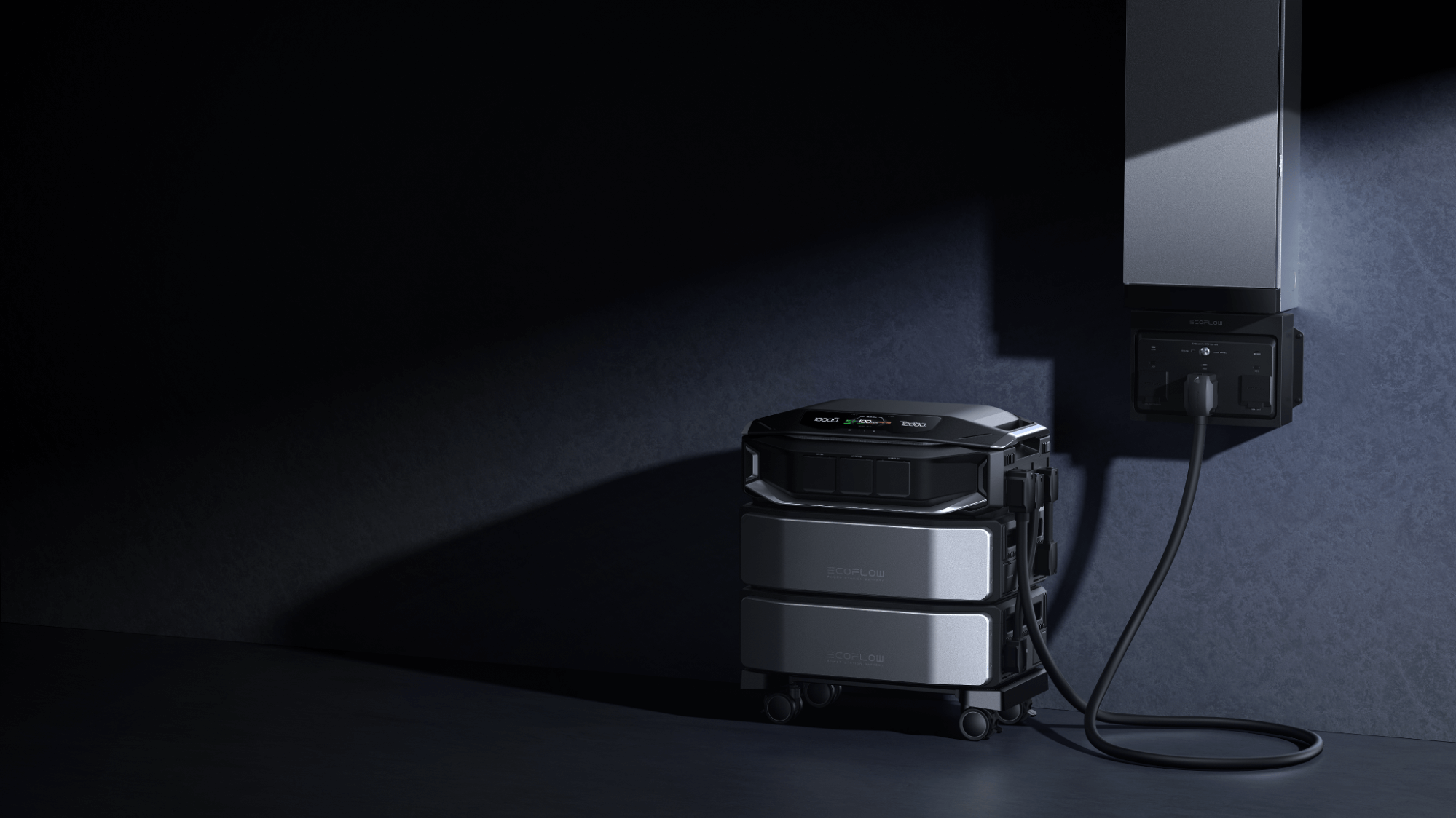
When it comes to backup electricity, avoid CO worries with an indoor safe solar generator. The EcoFlow DELTA Pro Ultra X is a fumeless, high-performing alternative to traditional gas generators.
For press requests or interview opportunities, reach out to our media team
media.na@ecoflow.com