Where Do Hurricanes Occur: Location, Climate & Preparation Guide
Where do hurricanes occur? Hurricanes usually develop over warm tropical and subtropical ocean waters. The combination of warm sea-surface temperatures, moisture, low wind shear, and the Coriolis effect is required for the right conditions for a tropical cyclone to develop. For those who live on the coast, knowing where hurricanes hit is more than a lesson in geography. In this guide, we'll cover everything about where hurricanes happen the most and how you can handle them peacefully
Where Do Hurricanes Form?
Hurricanes develop over tropical and subtropical oceans when a combination of atmospheric and oceanic conditions is met. They usually develop between 5° and 30° latitude where the ocean waters are warm enough to provide energy and the air is moist enough. Tropical cyclones typically need ocean temperatures of about 80 degrees Fahrenheit (27 degrees Celsius), sufficient moisture, low vertical wind shear, and enough Coriolis force to organize their circulation, according to NOAA.
The world's hurricane areas are divided into several tropical cyclone basins. Storms that occur in the Atlantic and eastern/central Pacific are called hurricanes. Very similar storms are called typhoons in the western Pacific and cyclones in other areas. Here are some of the regions where hurricanes mainly occur.
.JPEG)
.JPEG)
Atlantic Ocean: The Atlantic is one of the most well-known areas for hurricane production. In the tropical Atlantic, tropical systems can develop, including disturbances that move westward from Africa. Some eventually meander toward the Caribbean, Gulf of Mexico, or U.S. East Coast.
Caribbean Sea: The Caribbean Sea has warm waters that are favourable to the development and intensification of tropical cyclones. Hurricanes that pass through this region can impact Caribbean islands, Mexico, Central America, and the southeastern United States.
Gulf of Mexico: The Gulf is especially important in that its warm waters can provide a substantial amount of energy to tropical systems. Hurricanes coming into the Gulf or developing there can threaten Texas, Louisiana, Mississippi, Alabama and Florida.
Eastern U.S. Coast: Hurricanes can come up the Atlantic or come into the region after crossing the Caribbean or Bahamas. Florida, Georgia, South Carolina and North Carolina are among the states most vulnerable to direct coastal impacts.
Bahamas: The Bahamas, located off the southeast coast of Florida, are often impacted by tropical storms and hurricanes. Their location also means they're a key area to monitor when storms are moving toward Florida or the southeastern U.S.
Bermuda: Although Bermuda is located farther north in the Atlantic, the island remains vulnerable to hurricanes and tropical storms, particularly when systems are moving northward in the western Atlantic.
Eastern Pacific Ocean: The eastern Pacific is another major hurricane-producing basin. Tropical cyclones could form over waters to the southwest of Mexico and move westward or northward.
West Coast of Mexico: Warm Pacific waters of Mexico are conducive to tropical cyclone development. Storms can produce heavy rain, high winds, flooding, and dangerous surf along coastal areas.
Baja California: Tropical systems, especially those that hold their strength as they approach the peninsula traversing northward through the eastern Pacific, can impact Baja California.
Hurricanes don’t develop near the Equator because the Coriolis effect is too weak. The Coriolis effect refers to the effect of the rotation of the Earth, and is one reason for the characteristic rotation of a developing tropical cyclone. Without sufficient Coriolis force, thunderstorms are far less likely to develop into a rotating tropical cyclone. However, conditions vary meaningfully even within these basins—as seen in the changing storm dynamics across the Atlantic hurricane season.
Knowing where a hurricane mostly occurs is only the foundation, but the more pressing question for anyone living in a hurricane-prone area is how to actually prepare, starting with the one thing a storm almost always takes out first: electricity.
How to Prepare for Hurricanes
1. Stay informed
Monitor official weather forecasts and emergency-management updates during hurricane season. During a storm watch, monitor for storm track changes, storm strength changes, evacuation orders, shelter information, road closings, and local flood warnings. Don't just focus on the center of the storm. The effects of a hurricane extend beyond its eye, and even a storm that does not make direct landfall can bring dangerous rainfall, flooding, storm surge, and strong winds.
2. Build an emergency kit
Prepare for an emergency kit early in the season. Bring at least drinking water, nonperishable food, prescription medicines, first aid supplies, flashlights, extra batteries, phone-charging equipment, hygiene products, and important documents. Think about the needs of all household members, including children, older adults, pets, and those with electrical equipment. Store insurance information, ID, property documents, and emergency contacts in a waterproof container or secure digital location.
3. Protect your home
Before hurricane season begins, inspect the parts of your home that are most vulnerable to high winds and water. Inspect the roof for loose or damaged materials, clear gutters and drainage systems, and ensure doors and windows close tightly. Don't wait until a storm is approaching to inspect your storm shutters or other approved storm-protection system at home; check it out before hurricane season. Trim out any weak branches and take out dead trees that might blow over in high winds.
4. Prepare for power outages
The most common and disruptive result of major hurricanes is power outages. Strong winds can damage power lines, and repairs can be hindered by fallen trees, flooding, and other damage to infrastructure. Depending on the severity of the storm, an outage can last hours, days, or longer. Planning for an outage means deciding ahead of time which appliances and devices are essential and how much electricity you’ll need.
Fuel generator limitations: Gasoline or propane generators can generate a lot of electricity, but they require fuel and must be used outdoors in a safe, well-ventilated area. Fuel availability can also become an issue after a major hurricane when roads are blocked, or fuel stations are closed. Do not run a fuel generator inside a home, garage, basement, or any other enclosed area because of the danger of carbon monoxide.
Importance of battery backup systems: Battery backup systems store electricity that can be used during an outage, without needing fuel while in use. Following a comprehensive battery backup hurricane guide can help you keep refrigerators, lights, phones, routers, computers, medical equipment, and other essential devices running smoothly. The right capacity will depend on the appliances you want to power, their wattage, and how long you expect the outage to last.
Keeping essential appliances running: Instead of powering the entire house, concentrate on critical loads. Appliances that consume a lot of power may be less important than a fridge, freezer, lighting, communications equipment, and phone chargers. When a storm comes, you can calculate your expected wattage and run time to determine the right backup capacity. You can choose backup equipment according to your load and appliance requirements.
Now that you know where hurricanes mostly occur and what you can do to handle them, it's worth looking at exactly which parts of the US face this risk most often.
Where Do Hurricanes Happen the Most in the US?
The U.S. has one of the most hurricane-exposed coastlines on Earth. The highest concentration of hurricane risk is along the Gulf Coast and southeastern Atlantic Coast, but tropical systems can impact communities well inland.
The states most vulnerable to hurricanes are:
Florida: Florida is open to both the Atlantic Ocean and Gulf of Mexico, and is therefore at an especially high level of hurricane risk. Storms can approach from many angles and can affect the Atlantic and Gulf coasts of the state.
Texas: Hurricanes that enter the western Gulf of Mexico can strike the Texas coast. Communities could see high winds, storm surge, heavy rain, and inland flooding.
Louisiana: Louisiana's low-lying coastal geography makes it especially susceptible to storm surge and flooding as well as hurricane-force winds and heavy rainfall.
North Carolina: The Atlantic coast of North Carolina is frequently exposed to storms moving up the U.S. East Coast. The Outer Banks are especially susceptible because of their coastal location.
South Carolina: Hurricanes and tropical storms can affect the South Carolina coast with storm surge, strong winds, torrential downpours and flooding.
Georgia: Though Georgia's coastline is relatively short compared to neighboring states, tropical systems can still produce storm surges, coastal flooding, heavy rain, and strong winds.
Mississippi: The Mississippi Gulf Coast can experience storm surge, high winds, flooding, and heavy rain from Gulf hurricanes.
Now that you know where hurricanes occur the most in the US, it's worth understanding the science behind why they form there in the first place.
Why Do Hurricanes Occur in These Locations?
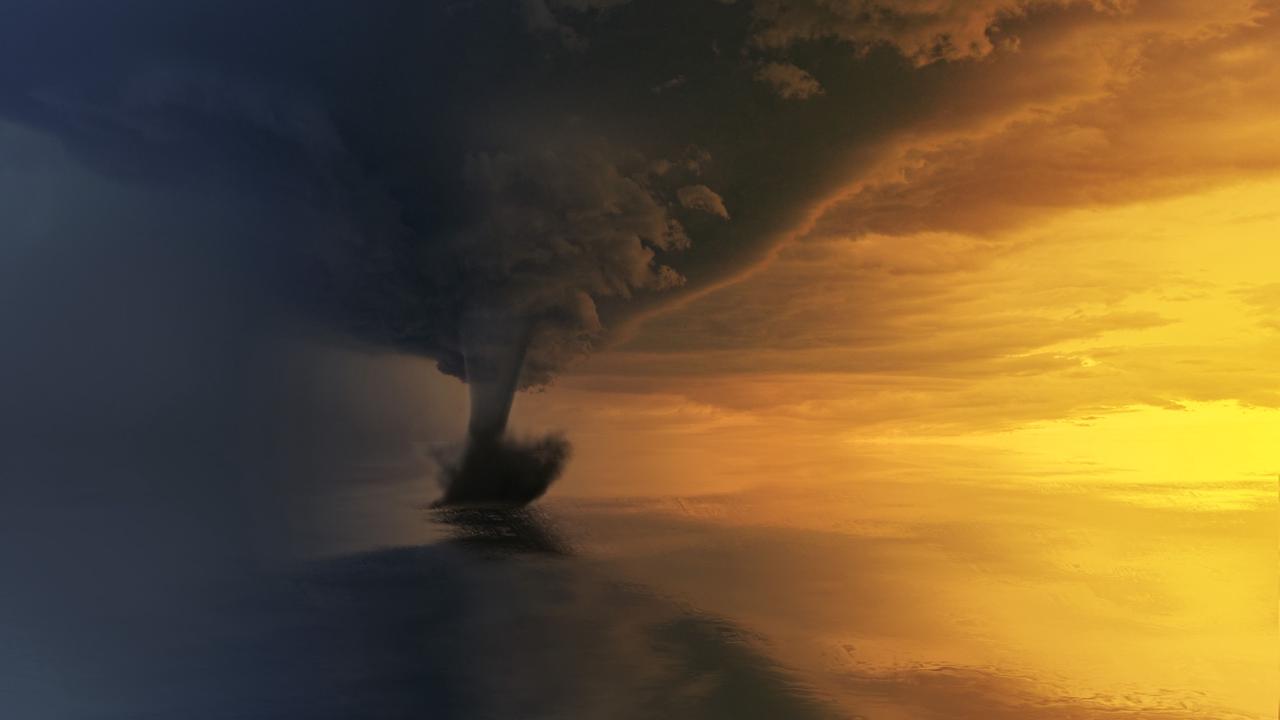
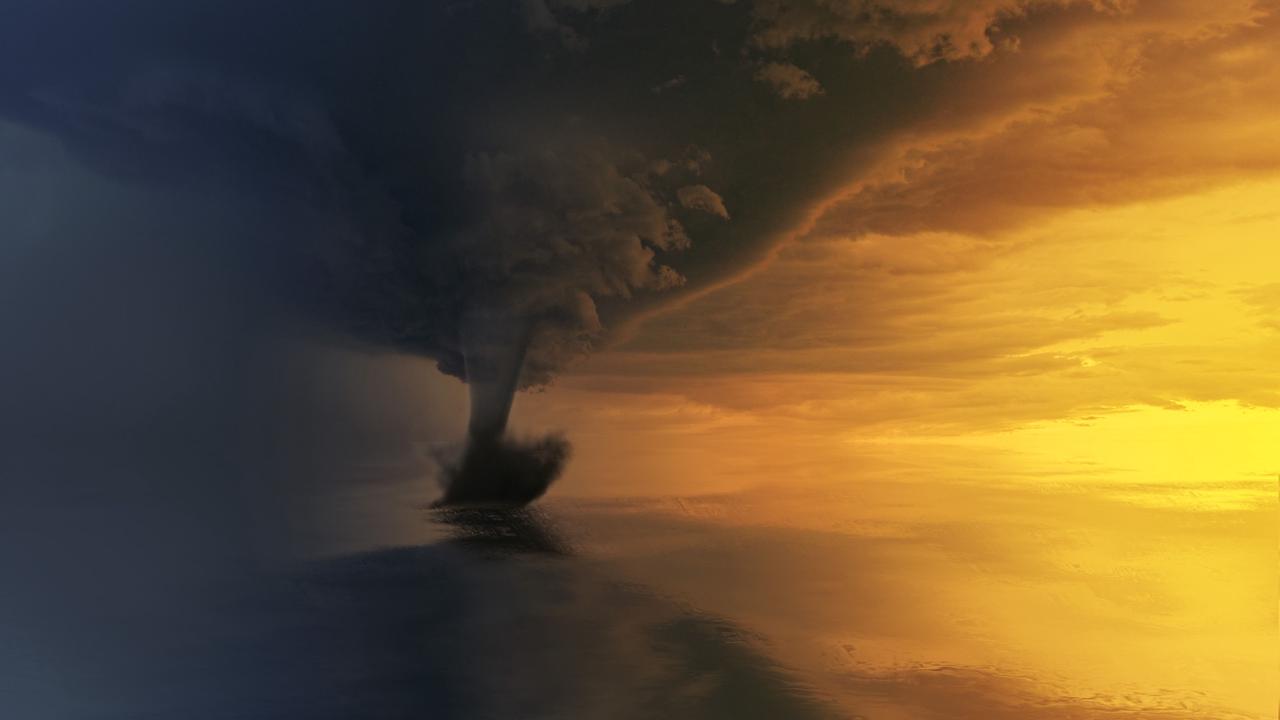
Warm ocean water
One of the most important factors is warm ocean water. Hurricanes typically need around 80°F (27°C) or warmer sea-surface temperatures to form and grow. Energy is given to warm water by evaporation. Warm seawater evaporates, and moisture is lifted into the atmosphere. But when the moisture condenses into clouds and thunderstorms, it gives off heat, which helps to fuel the circulation of the storm.
Moist tropical air
A developing hurricane requires lots of atmospheric moisture. Warm, moist air fuels the thunderstorms that develop around the center of the storm, and facilitates the release of latent heat that fuels the system. This process can also be inhibited by dry air. The influx of dry air into a tropical system in large quantities can weaken thunderstorms and make it more difficult for the storm to maintain its structure.
Low wind shear
Wind shear is a change in wind speed or direction at different altitudes in the atmosphere. Weak vertical wind shear allows the thunderstorms and circulation of a tropical cyclone to remain organized. Strong wind shear can tilt or cut off the storm circulation, pulling the center of circulation away from the strongest thunderstorms. It can suppress tropical development or weaken an already established hurricane.
Coriolis effect
The rotation of the Earth, called the Coriolis effect, helps a developing tropical cyclone to acquire its characteristic spin. The farther it is from the Equator, the stronger it is. That is why tropical cyclones can form over tropical oceans but are very rare right next to the equator. The Coriolis effect doesn't create energy for the storm, but organizes the rotating circulation once the other factors are in place.
Pre-existing tropical disturbances
Most hurricanes don't just appear out of nowhere. They usually form from an existing area of disturbed weather such as a tropical wave cluster of thunderstorms or a low-pressure area. If the disturbance passes over sufficiently warm water and favorable atmospheric conditions are met, thunderstorms can become more and more organized. The system can then develop into a tropical depression, tropical storm, and finally a hurricane.
The same environmental factors that allow hurricanes to form also help explain why hurricane activity rises and falls at predictable times of the year. This is how the hurricane seasons stack up in the world’s major tropical cyclone basins.
Hurricane Seasons Around the World
Hurricane season is different for each ocean basin. Technically, tropical cyclones can form at other times of the year, but most basins do have a period of time when ocean temperatures and atmospheric conditions are more favorable for formation.
Basin | Common name | Typical season window | Peak activity |
|---|---|---|---|
North Atlantic | Hurricane | June 1–November 30 | August-October |
Northeast Pacific | Hurricane | May 15–November 30 | August-September |
Central Pacific | Hurricane | June 1–November 30 | Summer to early fall |
Northwest Pacific | Typhoon | Year round | August-September |
North Indian Ocean | Cyclone | Mainly April–June and October–December | May-November |
South Indian Ocean | Tropical Cyclone | November-April | January-March |
The official Atlantic hurricane season runs from June 1 to November 30, though tropical storms and hurricanes sometimes form outside those dates. For homeowners planning ahead, understanding when hurricane season starts and reaches peak intensity helps ensure backup power systems are ready before August through October, when warm ocean temperatures and atmospheric conditions drive the highest storm activity.
Remember that the seasonal window is helpful for preparation, but should not be taken to guarantee storms will or will not happen on specific dates. Weather conditions change from year to year, and seasonal outlooks are descriptions of overall activity, not specific predictions of where a hurricane will make landfall.
Conclusion
We hope our guide has helped you know where hurricanes occur. Hurricanes are born in certain areas of the tropical and sub-tropical oceans where the conditions are just right. Warm water, moist air, low wind shear, a pre-existing disturbance, and the Coriolis effect all combine to create the conditions needed for a hurricane to form. Knowing where hurricanes strike and when activity is likely to be at its peak allows households more time to prepare their homes, stock emergency supplies, plan evacuation routes, and protect against long power outages.
EcoFlow DELTA 3 Ultra provides 3,072Wh of portable backup power for essential devices to offer more resilience during hurricane-related blackouts, while EcoFlow DELTA 3 Ultra Plus provides expandable capacity and Smart Output Priority for households that require greater flexibility during longer outages. So, why wait? Schedule a consultation with an expert now and get prepared for hurricane-related power outages.
FAQs
Why do hurricanes usually occur in warm oceans?
Hurricanes get their energy from warm ocean water. When the seawater is warm enough to evaporate, the air is moist. The rising moist air condenses into thunderstorms, releasing heat that powers the tropical cyclone. Hurricanes typically require ocean temperatures of 80°F (27°C) or warmer, along with other favorable atmospheric conditions.
Which U.S. state experiences the most hurricanes?
No state in the United States is more subject to the ravages of hurricanes than Florida. It is located between the Atlantic Ocean and the Gulf of Mexico, so storms can come at it from any direction. Its long coast also makes it vulnerable to hurricanes and tropical storms.
Can hurricanes occur near the Equator?
Hurricanes can’t form near the Equator because the Coriolis effect is too weak there. Tropical cyclones require a sufficient amount of Coriolis force for them to form and sustain their cyclonic circulation. This is why most form several degrees away from the Equator rather than directly on it.
What months have the highest hurricane activity?
Hurricane activity in the Atlantic basin is usually greatest from August through October, with the climatological peak occurring in September. The Atlantic hurricane season officially runs from June 1 to November 30, but tropical cyclones can sometimes form outside of those dates.
How can I prepare my home for hurricane-related power outages?
First, determine the appliances and devices you need during a power outage, such as refrigerators, lights, phones, routers, and medical equipment. Determine their power requirements and choose a backup solution with enough capacity for your expected run time. A battery power station like the EcoFlow DELTA 3 Ultra can provide portable backup power, and the DELTA 3 Ultra Plus includes Smart Output Priority and expandable capacity for extended power outages.
For press requests or interview opportunities, reach out to our media team
media.na@ecoflow.com