When Does Hurricane Season Start? Dates, Risks, and Preparation Tips
As the 2026 Atlantic hurricane season begins, residents across the East Coast, Gulf Coast, and Caribbean are closely monitoring tropical activity, including Hurricane Arthur, the first named storm of the season. While not every storm becomes a major threat, early-season systems are a reminder that hurricanes can quickly disrupt power, communication, and daily life.
Being prepared can mean the difference between a minor inconvenience and a major household emergency. This comprehensive guide covers when hurricane season starts, the active periods of the season, how these storms can disrupt daily routines, and reliable backup power solutions to help keep your family safe and connected.
When Does Hurricane Season Start In The U.S.
For decades, meteorologists have studied atmospheric patterns and developed reliable methods for forecasting tropical storm activity. The National Oceanic and Atmospheric Administration (NOAA) continuously monitors ocean temperatures, atmospheric conditions, and storm development across the Atlantic basin, providing the historical data and seasonal forecasts that help communities prepare well before a hurricane reaches land.
Atlantic Season Begins On June First
The official Atlantic hurricane season starts on June 1 and runs through November 30. This six-month period applies to the Atlantic Ocean, the Caribbean Sea, and the Gulf of Mexico, which affects coastal communities from Texas to Maine.
According to the National Oceanic and Atmospheric Administration (NOAA), roughly 97% of tropical cyclone activity in the Atlantic basin occurs during this period. That’s why it’s an important time of year for hurricane preparedness.
Peak Activity Hits In Mid September
Storms develop in June or July, but more often severe storms occur in late summer. Statistically, peak hurricane activity occurs in mid-September. This is driven by the warmest ocean temperatures and optimal atmospheric conditions for these massive weather systems to develop.
How Do Hurricanes Impact Your Home And Routine
When a major tropical storm makes landfall, it brings flooding and winds that extend far beyond the beach. Even if you live some distance inland, a hurricane can severely impact your neighborhood’s roads and power. The disruption to your home and daily routines can last for several days and, in some cases, longer periods depending on storm severity.
High Winds Cause Massive Power Outages
Strong gale-force winds can easily snap tree branches and utility lines, cutting off electricity to entire counties. These power outages happen in an instant, making it crucial to secure reliable home backup power solutions for extreme weather before utility crews begin repairs that could take weeks.
Severe Storm Damage Cuts Internet Access
Severe storms can knock out power, and also damage local cell towers. This means your mobile connection and home internet can drop out completely. If you lose cellular and cable connectivity, you can’t get real-time local weather updates, emergency alerts, or communicate with your family.
Flooded Roads Delay Local Fuel Deliveries
Heavy rainfall and storm surges frequently flood major roads and highways. When the roads are closed, local gas stations quickly run out of fuel. This makes it difficult to buy more gasoline or diesel you may need for traditional portable generators.
Extended Blackouts Spoil Expensive Refrigerator Food
According to USDA FSIS food safety guidelines, refrigerators can keep food safely cold for about four hours during a power outage. If the outage extends for many days, you can lose hundreds of dollars worth of food. This is not only costly, but can be an unpleasant mess.
How Do You Keep Power During Hurricane Outages
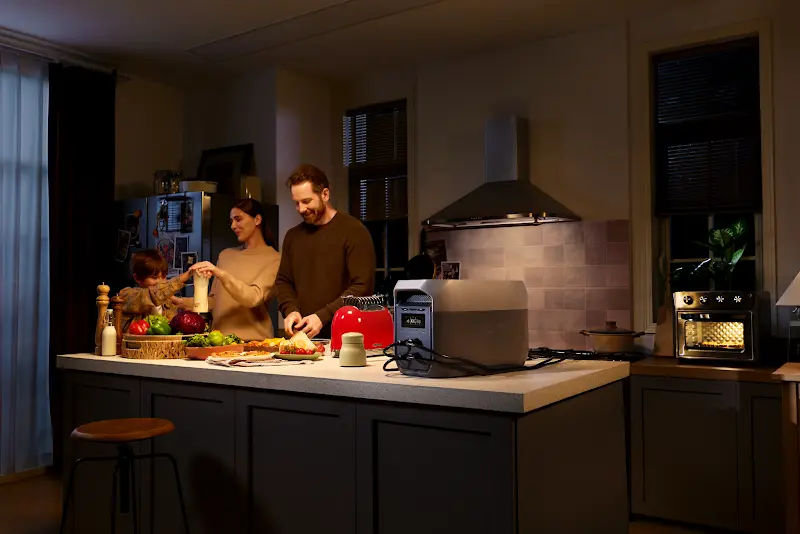
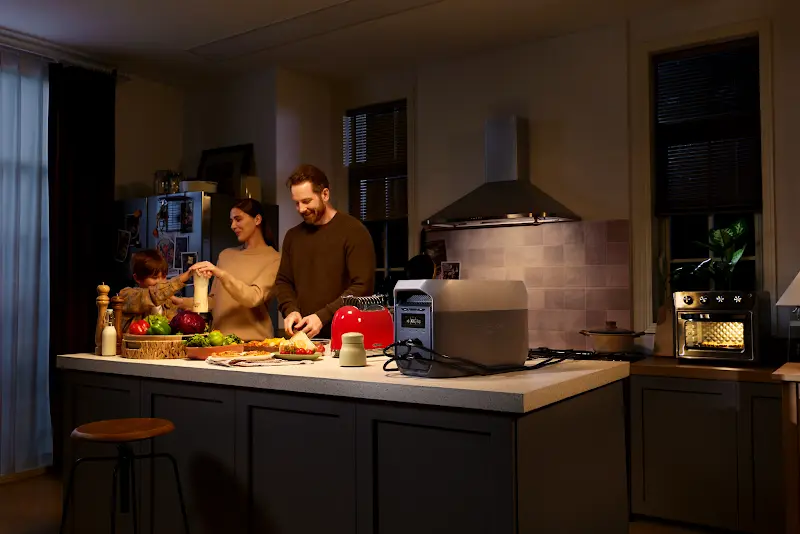
When the grid goes out, having an independent and reliable backup power source is essential. A solar generator is one of the most practical emergency solutions, as it provides clean and quiet electricity without relying on fuel or the grid. The best emergency power system for you will depend on your household needs and whether you stay home or relocate to a safer area.
Stay Informed With a NOAA Weather Radio
A basic hand-crank or battery-operated NOAA weather radio is critical for weather emergencies. With this, you can continue receiving official weather bulletins and evacuation orders even if cellular networks become unavailable.
Keep Communication Devices Charged
Keep smartphones, tablets, and backup batteries fully charged before the storm arrives. Reliable communication becomes critical when power and internet services are disrupted.
Prepare a Reliable Backup Power Source
In coastal states like Florida, Texas, and Louisiana, power outages can last for several days after a hurricane sweeps through. When this happens, it’s critical to keep the refrigerator and WiFi routers running, and maintain basic lighting. While daily routines may still be disrupted, essential household functions can remain operational.
Local gas station fuel supplies can be disrupted during a major storm. This is why many homeowners are turning away from gas generators and choosing modern systems like the EcoFlow DELTA Pro Ultra Whole-Home Backup Power, which can power your essential household loads. It can help keep critical appliances operating during extended outages until grid service is restored.
Setup Portable Solar Power Packs for Flexibility
If local authorities issue a mandatory evacuation order, your plans have to shift quickly. Residents will need to temporarily relocate to hotels, designated emergency shelters, or a relative’s home out of harm’s way.
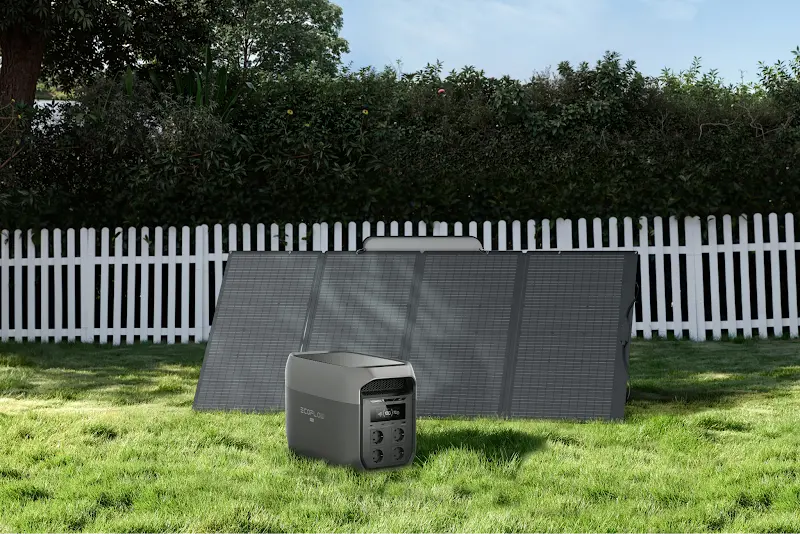
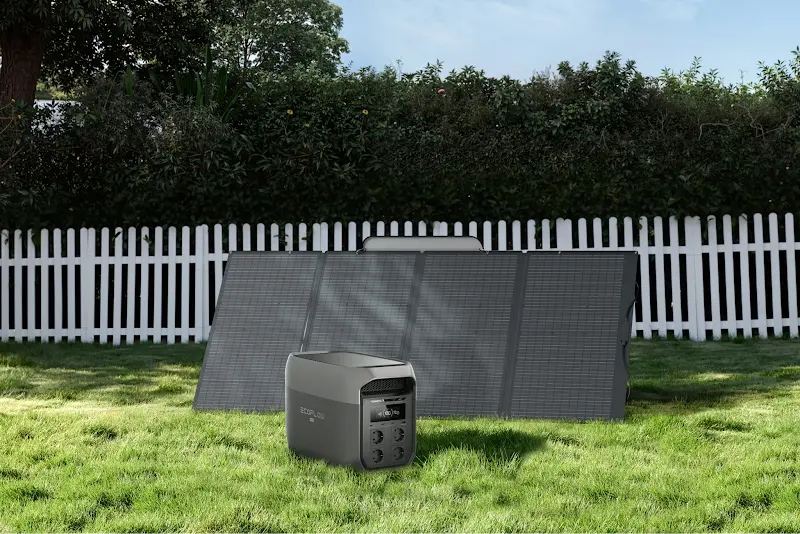
Having to relocate during a severe storm is stressful and hectic. You will need power for vital mobile communication, GPS navigation, and monitoring emergency news updates. Portable power solutions such as the EcoFlow DELTA 3 Max + 400W Solar Panel can help keep essential devices charged and support smaller appliances while away from home. The portable battery provides immediate backup power during transit or temporary accommodation, while the solar panel may offer supplemental recharging opportunities when weather conditions and available sunlight permit.
How Do You Choose Suitable Backup Power For Your Home
Before you can select the best emergency power system, you need to determine your household’s backup power needs. In addition to determining the appropriate backup capacity, you should decide how you will use it, and do you need portability.
Calculate Daily Home Appliance Watt Usage
Itemize the appliances you absolutely must run during an emergency, like your fridge, a medical device, or a portable fan. Check their labels and total up their running wattage and starting wattage. The total wattage will determine how large of an inverter and battery system you actually need.
Estimate Expected Outage Duration
Next choose a duration of outage based on the history of your specific area. If power typically recovers within 24 hours, a medium-sized portable battery is sufficient. If you live in a rural or hard-hit coastal zone, blackouts usually last much longer, and you may need a much higher capacity whole-home option.
Check Battery Capacity Limits For Appliances
Every backup battery has a fixed storage capacity measured in watt-hours (Wh). If you need backup power for a longer time, you will need more Wh. The capacity of your battery system should be large enough to keep your essential appliances running for a reasonable timeframe. When you need more backup power, consider solar recharging options.
Check Solar Charging Speed Options
When the grid is down for multiple days, sunlight becomes your best available fuel source. Having an independent power source like solar panels can be a lifesaver. Check the solar input capabilities of your emergency power system to see how fast portable solar panels can recharge it. This will keep you powered longer and you aren’t left vulnerable if a second storm system comes.
What Are The Essential Hurricane Preparation Tips
You need to prepare for hurricane season before the first storms ever develop in the Atlantic. Reviewing a detailed hurricane preparedness checklist ahead of time helps you avoid the mad rush at local hardware and grocery stores by purchasing supplies early.
Store Enough Drinking Water: Emergency agencies like FEMA recommend storing at least one gallon of water per person per day for a minimum of three days for drinking and sanitation. Households in hurricane-prone areas may also consider maintaining a larger emergency supply if extended disruptions are common in their region.
Stock Up on Nonperishable Food: Fill your pantry with canned meats, fruits, vegetables, and high-energy snacks that don’t require cooking or refrigeration.
Prepare a Basic First Aid Kit: Keep a well-stocked emergency medical kit on hand including bandages, antiseptics, flashlights, and extra batteries. It’s also important to include at least a two-week supply of any critical prescription medications.
Install Storm Shutters or Panels: Protect your home’s windows and glass doors by installing approved storm shutters or pre-cut plywood panels over them to block flying debris.
Plan Local Evacuation Routes: Be familiar with designated evacuation routes for your local area, and have a clear destination in mind. Make plans to go to a hotel inland or a friend’s house well before local officials give the order to leave.
Conclusion
Hurricane season is a definite reality of coastal American life, but it doesn’t have to catch you off guard. The early arrival of storms like Hurricane Arthur highlights the importance of preparing before peak hurricane activity. Be prepared for the June-to-November hurricane season and identify your necessary power needs during a blackout. Avoid total disruption to your daily routine, and invest in a reliable backup system like EcoFlow’s solar generators. With the right preparation plan and backup power solution, you can reduce the impact of hurricane-related outages on your household. Stay informed, prepare your supplies early, and have reliable backup power.
FAQ
What Is the Greatest Threat to Inland Areas During a Hurricane?
Torrential rainfall and flash flooding are the greatest threats to inland areas during a hurricane. These storms often catch inland residents off guard, as they live far from the coastline. Even after storm winds die down, torrential inland rains can overwhelm local river basins and drainage systems causing flooding for days.
What Month Is the Worst for Hurricanes?
September is statistically the worst month for hurricanes with the most named storms that make landfall. This peak is caused by a perfect combination of high ocean temperatures and low atmospheric wind shear in the Atlantic.
Where Did Hurricane Arthur Start?
Hurricane Arthur formed near the Middle Texas Coast in the Gulf of Mexico and became the first named storm of the 2026 Atlantic hurricane season. It brought periods of heavy rainfall and a risk of flooding in parts of the Gulf Coast.
What Is the Difference Between a Hurricane and a Typhoon?
The main difference between a hurricane and a typhoon is geographic location, although regional classification systems may vary slightly. Tropical cyclones that develop over the North Atlantic and Northeast Pacific are called hurricanes. The exact same storm that develops in the West or Northwest Pacific is called a typhoon.
Should You Keep Windows Closed During a Hurricane?
Yes, it is strongly recommended to keep all windows closed and secured during a hurricane. The old myth that opening windows equalizes pressure is entirely false. Leaving windows open actually allows high-velocity winds, and rain, inside. Depending on your home, the winds can lift your roof and destroy your home’s structure.
What Is the Safest Part of the House During a Hurricane?
The safest part of the house is an interior, windowless room on the lowest floor. This might be a large closet, hallway, or bathroom. Try to put as many walls as possible between yourself and the outside to provide the best protection against flying debris and structural failures.
For press requests or interview opportunities, reach out to our media team
media.na@ecoflow.com