NYC Power Outage: How to Prepare for Unexpected Blackouts
A blackout in a New York apartment or townhouse doesn’t announce itself. The elevator stops where it is, the building’s water pump goes quiet, the Wi-Fi drops, and the refrigerator starts a countdown nobody can see. Heat waves, winter storms, and plain old equipment failure cause blackouts here, and whichever one it is, everything riding on that feed goes at once.
This guide explains how to prepare for a power outage in NYC, keep essential household devices available, and check the home safely after service returns.
Why Do Power Outages Happen in New York City?
A New York power outage can result from severe weather, aging equipment, or heavy demand. Whether a particular block is affected also depends on whether the local network uses overhead lines or buried cable.
Severe Weather and Extreme Temperatures
Coastal storms, flash flooding, and humid heat waves put New York’s power grid under strain. Then a long stretch of 90-plus-degree weather sends air-conditioning demand climbing, and that load can overheat the buried feeder cables. In neighborhoods like Riverdale and southern Brooklyn, freezing rain and high winds bring tree branches down onto overhead power lines.
Electrical Equipment Failures and Grid Disruptions
Some failures have nothing to do with the weather. An underground cable, a transformer, or a substation gives out, and the outage either stops at one block or takes out a whole neighborhood. Con Edison delivers electricity to most of the city, while PSEG Long Island covers the Rockaways.
High Electricity Demand and Grid Strain
Demand on its own can do it too. When every air conditioner on the block runs for hours on end, sustained load on the distribution network can overheat equipment, take out cables and cause localized outages. In a more serious emergency, the utility may act to keep the system stable, though rolling blackouts aren’t routine.
How Can You Prepare for a Power Outage in NYC?
Preparing for an NYC power outage comes down to supplies you can reach in the dark, alerts that reach your phone, and knowing what actually needs to keep running. For compatible phones, lights, and networking equipment, a portable power station can form part of the plan when its output and capacity match the intended loads.
Assemble an Emergency Kit
Put the kit together before you need it, not while hunting in the dark. Good apartment blackout preparedness means keeping the supplies in one go-bag or clear bin where they remain easy to reach in unlit hallways and closets.
Item | Practical NYC Household Use |
High-Lumen Flashlights / Headlamps | Getting around dark stairwells and hallways |
Gallon Water Jugs (3-day supply) | Drinking and cooking once the pump stops and the taps upstairs go dry |
Crank / Battery NOAA Weather Radio | Getting updates when cellular networks are overloaded |
First Aid Kit & Spare Rx Meds | Handling injuries and keeping daily medication within reach |
Manual Can Opener & Non-Perishables | Preparing meals without an electric stove or a microwave |
Sign Up for Notify NYC Alerts
To check a power outage in NYC today, use the outage map for the utility serving the address. Notify NYC adds localized emergency, weather, transit, cooling-center, and recovery information through its app, text, email, or recorded calls. Text NOTIFYNYC to 692-692 and reply with a ZIP code for neighborhood alerts.
Choose a Backup Power Source for Essential Home Devices
Gas and diesel generators are a non-starter in an apartment: the fire code won’t allow them, and the carbon monoxide they produce indoors is reason enough on its own. Figure out ahead of time which devices in your home have to stay on, then size an indoor-safe battery station to that list.
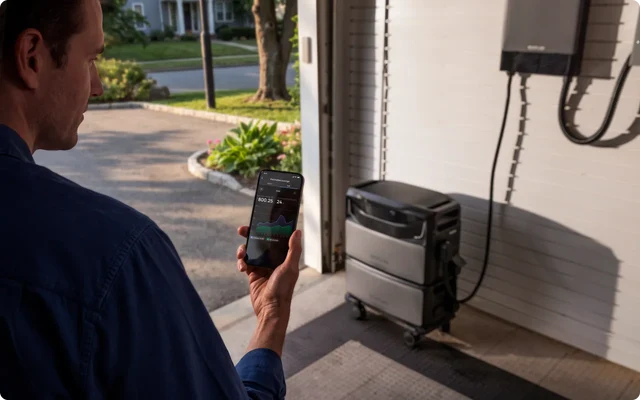
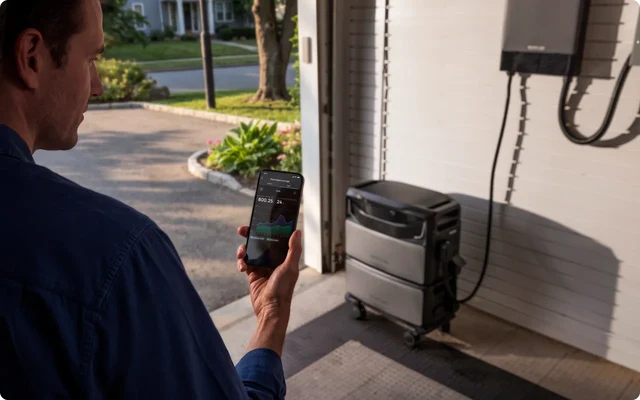
How big that battery has to be depends on what’s on it. Phones, a laptop, the router, and a lamp are light work — a small portable station will carry them through the night. Running the fridge and your networking gear at the same time is a different job: the EcoFlow TITAN 5000 Classic has a 5kWh battery capacity and 4,000W AC output, enough to cover them, as long as their combined draw stays within its limits. A unit this size needs a spot for storage and charging; in an apartment building, check the NYC fire safety requirements and your building’s own rules.
How Can You Stay Powered and Safe During an NYC Blackout?
Once the power is out, most of the job is keeping the devices you actually need alive and knowing what’s going on. Beyond that, stay out of the elevator, stay away from downed wires and flooded basements, and keep the refrigerator shut.
Keep Phones Charged and Conserve Battery Life
In a dense neighborhood, everybody reaches for a phone at the same moment, and the cell network slows to a crawl.
Turn on “Low Power Mode” on every phone and tablet once the lights go out.
Dim the screen and shut off background app refresh and auto-sync.
Use texts or low-data messaging apps instead of voice calls, which burn more battery and drop more often on a congested network.
Set one high-capacity power bank aside, untouched, for emergency calls.
Manage Critical Home Circuits During an Outage
If the outage runs into a second day, you’re past the phone-charging stage: now it’s the fridge, the Wi-Fi, maybe a window unit, all of it going at once. That’s a different problem from topping up batteries: you need enough output for running watts and startup surges, enough battery capacity for the hours you want, and circuits that can carry the load.
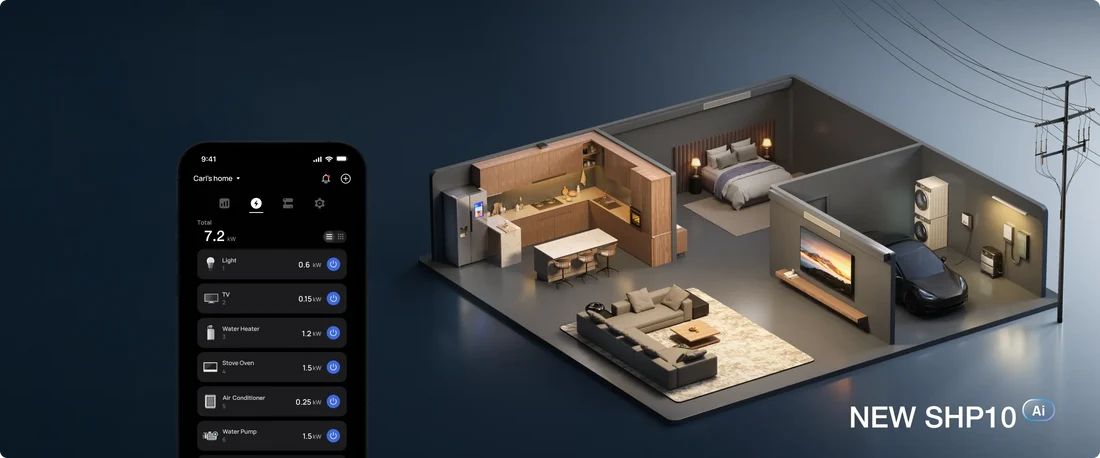
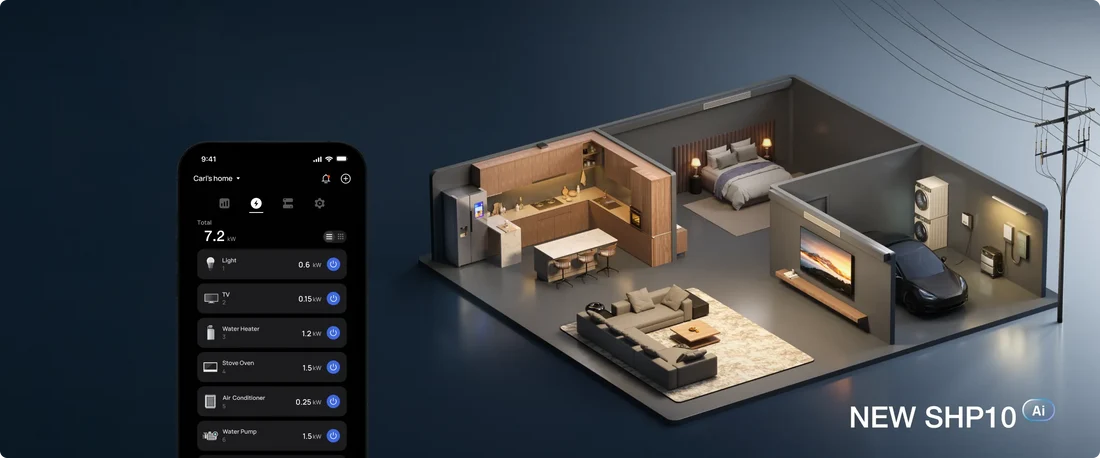
For NYC homeowners with the electrical setup to support it, the EcoFlow TITAN 5000 Plus provides a base battery capacity of 5kWh and up to 7.2kW of output power. Paired with a compatible Smart Home Panel 10, it can carry a handful of household circuits through an outage. The 120V/240V Smart Home Panel 10 and household circuit connections must be installed by a licensed electrician in accordance with the equipment instructions, applicable electrical codes, and local permitting requirements.
Stay Safe During Building and Transit Disruptions
High-rise living adds a few problems that houses don’t have:
Elevator stalls: Stop using the elevator the moment the lights start flickering or a brownout is announced, and take the stairs if you’re able.
Building water supply: Some NYC high-rises pump water up into the water tower on the roof, and gravity keeps it moving to your faucets after the pumps stop. Buildings that depend on booster pumps instead may lose pressure sooner. Fill clean containers before a big storm, starting with the bathtub, and follow whatever your super passes along during a long outage.
Subway disruptions: Check the MTA website or a transit app before you head out, since third-rail power loss and signal or switch problems can suspend service across whole lines.
Avoid Electrical Hazards and Downed Power Lines
If you go outside, treat every downed wire as live:
Keep at least 30 feet between you and a downed line, and the same distance from anything touching it, including puddles, fences, and metal railings.
Call 911 and Con Ed right away to report any downed wire.
If your basement or storage area takes on water, stay out of any standing water where wiring or outlets could be submerged.
Keep Refrigerators Closed and Protect Food Safety
Keep refrigerator and freezer doors closed as much as possible during an outage.
A refrigerator that stays shut keeps perishable groceries safe for about 4 hours.
A packed freezer holds for up to 48 hours, or 24 hours if it’s half full.
Eat from the pantry first, and when you do open a door, grab what you need and shut it fast.
What Should You Do After Power Is Restored?
Getting the power back isn’t the end of it. Check your appliances for damage, look over what’s in the fridge, recharge whatever batteries you used, and take the opportunity to see what the kit is missing.
Check Appliances and Electronics for Signs of Damage
Power doesn’t always come back clean, and the first minutes may bring voltage fluctuations and small surges. Understanding surges and brownouts helps explain why sensitive electronics should remain disconnected until service appears stable. Then reconnect major breakers and high-draw appliances gradually, and check TVs, computers, air conditioners, and kitchen equipment for error codes, blown internal fuses, or an electrical smell.
Check Refrigerated Food
Check appliance thermometers before deciding what to keep. Discard perishable food that remained above 40°F for two hours or longer. Frozen food that still contains ice crystals or measures 40°F or below can be cooked or refrozen, although its quality may decline. Do not taste food to judge its safety; when in doubt, throw it out.
Restock Emergency Supplies
Don’t put the kit away empty:
Replace the bottled water and non-perishable food you went through.
Swap drained disposable batteries for fresh ones, and fully recharge every portable power station and power bank.
Replace any bandages or antiseptic wipes you opened.
Update Your Power Outage Preparedness Plan
Every blackout shows you where the setup was thin. Note what you couldn’t find in the dark, whether your flashlight really got you through an evening, and whether the backup power you had matched what you used. If the household uses a home battery, record the reserve setting and recharge time as part of the review. Fix those gaps before the next storm rolls through the city.
Conclusion
An outage in a city apartment is mostly an inconvenience — right up until you’re the one stuck between floors, or the one whose taps went dry. Supplies kept in one place, Notify NYC on your phone, and a backup source sized to how you live take most of the sting out of it. Restock after every outage. The next one’s coming, whether it’s an August heat wave or a January nor’easter.
FAQ
How Do I Report That There's A Power Outage In My Area?
Report an outage or check restoration updates on the Con Edison outage reporting page or by calling 1-800-752-6633. If PSEG Long Island is your utility, as it is in the Rockaways, report outages at PSEG Long Island or call 1-800-490-0075.
What Happens If You Are In An Elevator When The Power Goes Out?
The car may simply stop between floors, although some buildings have emergency power or automatic rescue systems that get the elevator to a designated floor. If you’re stuck, stay put and use the emergency call button to ask for help, and call 911 if you need to. Never try to force the doors open or climb out on your own.
Does the Water Stop Running When the Power Is Out?
Not necessarily. A lot of older NYC high-rises use electric pumps to move water from the municipal supply into rooftop water towers, and gravity carries it back down to the apartments. When the pumps stop, that stored supply keeps water flowing until it runs low.
If your building runs on electric booster pumps without much rooftop storage, the water pressure may drop much sooner. How bad it gets depends on the building’s plumbing, how much water is stored overhead, and whether there’s any backup power.
Can I Get Reimbursed For Food Or Medication Spoiled During A Power Outage?
You may qualify for reimbursement if an outage the utility was responsible for caused your food or prescription medication to spoil. Con Ed accepts residential spoilage claims when a failure in its local distribution system causes an outage lasting more than 12 hours within a 24-hour period. Claims must be submitted within 30 days, and storm-related outages are generally excluded. Customers served by PSEG Long Island should check its separate reimbursement policies and eligibility requirements.
What Should Be Unplugged During A Power Outage?
Unplug computers, TVs, microwaves, air conditioners, and expensive home audio setups so the surge when the grid fires back up doesn’t fry them. Leave one lamp on in the hallway or living room so everyone at home knows the moment the power comes back.
For press requests or interview opportunities, reach out to our media team
media.na@ecoflow.com