Whale Watching Oregon Coast Tours: Best Spots, Seasons, and Tips
- What Makes Whale Watching on the Oregon Coast Special?
- Where Are the Best Whale Watching Spots on the Oregon Coast?
- When Is the Best Time for Whale Watching in Oregon?
- What Types of Whale Watching Experiences Are Available?
- What Should You Know Before a Whale Watching Tour?
- What to Bring on a Whale Tour
- Conclusion
- FAQ
The Oregon Coast stretches 360 miles along the Pacific Ocean and is one of the best areas in the United States for whale watching. You can catch migrating whales from many scenic vantage points and on whale watching boat tours. Each year, thousands of gray whales travel along this coastline during their seasonal migrations. Some whales pass close enough to be spotted from rugged headlands and also beaches. This guide covers the best Oregon Coast whale watching seasons, top viewing locations from Depoe Bay to Gold Beach. It also provides information on boat tours, and practical tips to help you plan a memorable adventure on the Oregon Coast.
What Makes Whale Watching on the Oregon Coast Special?
While marine mammals often migrate far offshore in other regions, whale watching on Oregon Coast locations benefits from a narrow continental shelf that brings whales surprisingly close to land.
Oregon Coast Whale Migration Routes
The Eastern North Pacific (ENP) gray whale population is estimated at around 15,930–20,530 whales, according to NOAA Fisheries’ latest 2025/2026 population assessment. In late autumn, these gentle giants leave their Arctic feeding grounds in the Bering Sea and travel south. Their destination is the warm, sheltered lagoons of Mexico’s Baja California. By mid-spring, they reverse course and migrate north again, with newborn calves following closely alongside their mothers. The young calves stay close to their mothers for protection and the spring northbound whale pods swim exceptionally close to Oregon’s coastline. This gives land-based whale watchers a better chance to see them right from the beach.
Common Whale Species to Spot
Gray whales may be popular celebrities among the sea life along the Oregon Coast, but they are far from being the only ones. Humpback whales are also seen flashing their massive tail flukes off the coastline. Mainly during the late summer you can catch them as they hunt for dense schools of krill and anchovies. Rarely, visitors may spot larger whales such as blue whales offshore. Closer to shore in late spring you can sometimes see playful pods of orcas (killer whales) hunting along the reefs, or harbor porpoises swimming in the many bay inlets.
Best Coastal Conditions for Whale Viewing
Spotting a whale blow can be exciting. These visible blows can help observers locate whales from shore. Calm, overcast mornings often provide ideal contrast against the gray ocean water. The tall, white blows stand out much clearer than on sunny days with a lot of chop. Just a light breeze means fewer whitecap waves and much less distractions when scanning across the water. Tide charts can be helpful when planning your visit, but weather, ocean conditions, and recent sightings are usually better indicators of whale activity. If you plan to spend full days waiting for peak tides at remote overlooks, having a compact portable power station can help your phones, cameras, and gear stay charged right from your vehicle.


Where Are the Best Whale Watching Spots on the Oregon Coast?
To see the whales in action, you can go out on the rocky points or join a whale watching charter boat. For the best chance, you need to know the right places along the coast to go.
Depoe Bay Whale Watching
Depoe Bay is officially recognized as the “Whale Watching Capital of the Oregon Coast.” It is known for having one of the smallest navigable harbors in the world. It’s a charming coastal town and sits right above a kelp-rich reef that attracts a regular pod of gray whales every summer. Visitors can sometimes see them while standing right along the sea wall on Coast Highway 101. For more information, stop by the official Oregon State Parks Whale Watching Center, where trained volunteers help visitors spot ocean spouts through high-powered spotting scopes. The Whale Watching Center and the viewing area around the building are scheduled to close for repairs as early as August 1, 2026, with construction expected to be completed by the end of October.
Newport and Yaquina Bay Area
Just twenty minutes south of Depoe Bay is Newport where there are many vantage points to look from. Nearby is Yaquina Head Outstanding Natural Area that has a historic 93-foot lighthouse built on top of a basalt headland. The Yaquina Head juts out into the ocean a full mile. If you stand on this high bluff, you get a panoramic 360-degree view across the Pacific. Down near Yaquina Bay Jetty, sea lions bark playfully along the docks and whales can occasionally be seen feeding near the harbor entrance.
Cape Perpetua Coastal Views
Cape Perpetua Scenic Area is the highest viewpoint accessible by car on the entire Oregon Coast. At 800 feet above the ocean, you can look across dozens of miles of ocean horizon. Below the main cape, rugged rock formations like Thor’s Well and the Spouting Horn show you the raw power of the ocean. Here also you’ll find many places to sit and look for whale spouts in the breaker zones.
Southern Oregon Whale Watching Locations
Travelers heading further south will reach Port Orford, Gold Beach, and Brookings. Along the coast are dramatic sea stacks, quieter beaches, and fewer crowds. At Port Orford’s Battle Rock Wayfinding Point, you can look for whales while relaxing on a beautiful sandy beach. If you prefer the high ocean cliffs, there’s Harris Beach State Park near Brookings that has great vantage points during peak migratory times.
| Location | Key Features | Best For |
|---|---|---|
| Depoe Bay | Seawall viewing, State Park Center, resident summer pod | Close-to-shore viewing & boat tours |
| Yaquina Head (Newport) | High basalt headland, historic lighthouse, tide pools | Elevated panoramic land viewing |
| Cape Perpetua | 800 ft elevation lookout, Thor's Well, hiking trails | Sweeping views & coastal road trippers |
| Port Orford / Gold Beach | Rugged sea stacks, fewer crowds, dramatic headlands | Peaceful land-based whale spotting |
When Is the Best Time for Whale Watching in Oregon?
The best time to visit depends on the whale watching season, as whale activity changes across three distinct migratory phases along the Pacific Coast:
Spring Whale Migration Season (March to May)
Spring stands out as one of the best migratory periods for whale watching. From late March to May, northbound gray whales return toward Alaska, with many passing close to Oregon’s coastline as they travel with their calves. Mother whales swim slowly near the shoreline to protect their young calves from deep-water predators. Oregon State Parks hosts the annual “Whale Watch Week” in late March. During this time there’ll be many volunteers available at major headlands to help visitors spot spouts and tail flukes.
Summer Resident Gray Whales (June to October)
Most gray whales continue to feed in Alaska and the Arctic. However, a group of around 200 gray whales from the Pacific Coast Feeding Group remains along parts of the Oregon Coast during summer. They feed on small mysid shrimp living in dense kelp beds around Depoe Bay, Lincoln City, and Port Orford in the summer and early autumn. Typically calm seas and sunny skies make summer boat trips exceptionally comfortable at this time.
Winter Whale Watching Opportunities (December to January)
Beginning in mid-December, southbound gray whales make their swift trek down toward Mexico. Peak whale migration typically occurs around late December, and is another prime opportunity for land observers. Winter on the Oregon coast can be cold and windy, and frequently rainy. If you brave the elements, bundle up in waterproof layers and you’ll be rewarded with the chance to see many migrating whales close to shore.
What Types of Whale Watching Experiences Are Available?
From expert-guided charter boats to custom self-guided road trips, there are many options for visitors to tailor their whale watching adventure.
Guided Boat Whale Watching Tours
Booking guided Oregon Coast whale watching tours out of Depoe Bay or Newport takes you directly into active migration channels in no time. Skilled US Coast Guard-licensed captains know local reef behavior and coordinate via radio with other boats to locate active pods. Take a zodiac boat for a fast-paced, water-level thrill ride, or opt for the larger dual-deck vessels that have warm indoor cabins and restrooms. The larger boats are usually better for families with younger kids or older adults.
Self-Guided Land Whale Watching
A self-guided trip along Highway 101 gives you more flexibility than a scheduled boat tour. You can stop at viewpoints such as Cape Perpetua or Depoe Bay and adjust your plans based on weather and recent whale sightings.
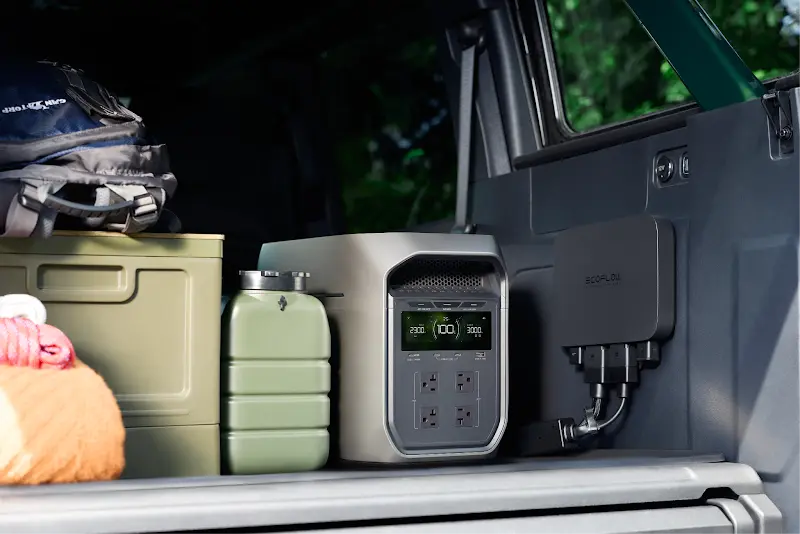
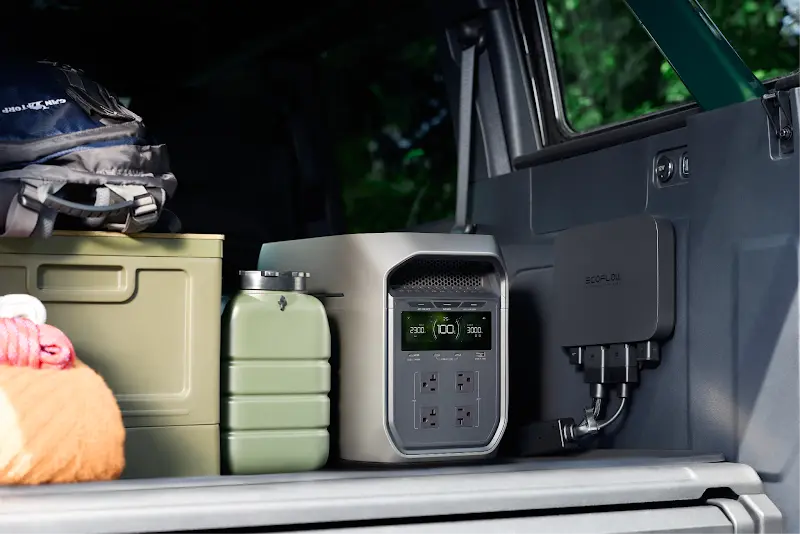
Whale watching from the coast can mean spending several hours at remote coastal viewpoints. In this case, you may need portable power to keep cameras, phones, and other gear charged.
If you have a portable power station like the EcoFlow DELTA 3 Classic Portable Power Station in your vehicle you can quickly top off camera batteries, drone controllers, and phones on the way to the trailhead. This can be useful when charging options are limited during long coastal trips.
Private and Family Whale Tours
Families traveling with children or small groups often opt for private boat charters. If you book your own private charter, you’ll have more control over the boat trip. The captain can adjust the duration to what you want and keep speed comfortable for those prone to motion sickness. A private charter boat may also provide educational information tailored to curious kids eager to learn about marine biology firsthand.
What Should You Know Before a Whale Watching Tour?
Do a little preparation before your Pacific coastal expedition and you’ll be more comfortable, safe, and stress-free.
What to Bring on a Whale Tour
Packing properly makes or breaks an outdoor day along the Oregon coast. Even if it’s a hot summer afternoon inland, coastal ocean breezes stay surprisingly cool and brisk. Here are things to bring:
Optics: High-quality 8x42 or 10x42 waterproof binoculars for spotting distant blows.
Apparel: Layered clothing, windproof and waterproof outer jackets, knit beanies, and sturdy non-slip footwear.
Protection: Polarized sunglasses to cut water glare and waterproof sunscreen.
Photography: Cameras with telephoto zoom lenses and extra memory cards. For extended coastal trips, a solar generator can provide extra charging support when power access is limited.
Preparing for Ocean Conditions
Pacific swells can cause the boat to rock and sway on even seemingly calm days. If you are prone to sea sickness, consider taking over-the-counter motion sickness remedies an hour before boarding your boat. On the boat, stay hydrated, and always focus on the stable ocean horizon, not your phone. If you stand or sit in the middle of the boat and look out the back at the horizon, the vessel swaying is minimized and will help keep your stomach settled.
Planning Coastal Road Trips and Camping
Whale watching can easily be part of a longer Oregon Coast road trip. Many coastal campgrounds or RV parks let you combine whale watching with hiking, beach stops, and overnight camping along Highway 101.
If you’re camping without hookups or plug in power, a portable power system can keep essentials such as a 12V fridge, lights, camera gear, and laptops running.
The EcoFlow DELTA 3 Max Plus Portable Power Station can give you plenty of battery capacity and high AC output. It can power higher-demand equipment and give you a convenient backup power option while exploring the Oregon Coast.
Conclusion
From the high bluffs of Cape Perpetua to the cozy marina in Depoe Bay, whale watching along the Oregon Coast can be an unforgettable adventure with the ocean. Just be familiar with the seasonal migration patterns and know where good viewing locations are. Be sure to bring the proper clothing and enough backup power for all your camping accessories. Pack your binoculars, plan your stops along coast Highway 101, and get ready to witness the majesty of Pacific gray whales firsthand.
FAQ
What Is the Best Month for Whale Watching on the Oregon Coast?
April is widely considered the overall best month because thousands of northbound gray whales—including mothers traveling slowly with newborn calves—pass very close to the coastline under improving spring weather conditions. Late December and mid-summer also offer fantastic viewing opportunities depending on your schedule.
Where Is the Best Place to Whale Watch on the Oregon Coast?
Depoe Bay is the premier spot for whale watching thanks to its sea-level viewing wall, official State Park Whale Center, and resident pod of gray whales that feed near the shore throughout summer. Yaquina Head and Cape Perpetua also offer outstanding elevated land views.
Is Whale Watching in Depoe Bay Worth It?
Yes, Depoe Bay is absolutely worth visiting because its unique nearshore kelp beds attract resident gray whales all summer long, offering some of the highest sighting success rates anywhere along the West Coast. Boat tours out of the harbor reach active whale areas in just minutes.
How to Dress for a Whale Watching Tour?
Dress in breathable, warm layers topped with a windproof and waterproof rain jacket, as ocean temperatures remain cold year-round and sea spray is common. Wear closed-toe, non-slip shoes, warm socks, and a beanie to stay comfortable on open water.
Is Seasickness Common on Whale Watching Tours?
Seasickness occurs occasionally due to Pacific ocean swells, but taking motion sickness medication 30 to 60 minutes before departure significantly lowers your risk. Land-based watching from headlands along Highway 101 offers a completely swell-free alternative for sensitive travelers.
For press requests or interview opportunities, reach out to our media team
media.na@ecoflow.com