Texas Power Grid: Why It Struggles in Summer Heat
- How Does the Texas Power Grid Work?
- Why Does Extreme Heat Strain the Grid?
- Why Is Texas More Vulnerable Than Other States?
- How Do Solar and Battery Storage Help ERCOT Keep Up?
- What Happens During a Grid Emergency or Conservation Alert?
- How Can Texans Prepare for Summer Grid Stress?
- Frequently Asked Questions
- Backup Power Keeps Texas Homes Running Through Grid Stress and Summer Outages
Every summer, Texas pushes its power grid closer to the edge. Triple-digit heat drives air conditioning use to record highs, straining a system that's largely isolated from the rest of the country. Here's why that strain happens, and what you can do to keep your home running when the grid can't.
How Does the Texas Power Grid Work?
Most of Texas runs on a single grid managed by the Electric Reliability Council of Texas, or ERCOT.
Unlike neighboring states, Texas operates its own grid separate from the two larger interconnections covering the rest of the continental US, a setup the Baker Institute traces back to utilities avoiding federal oversight of interstate power sales.
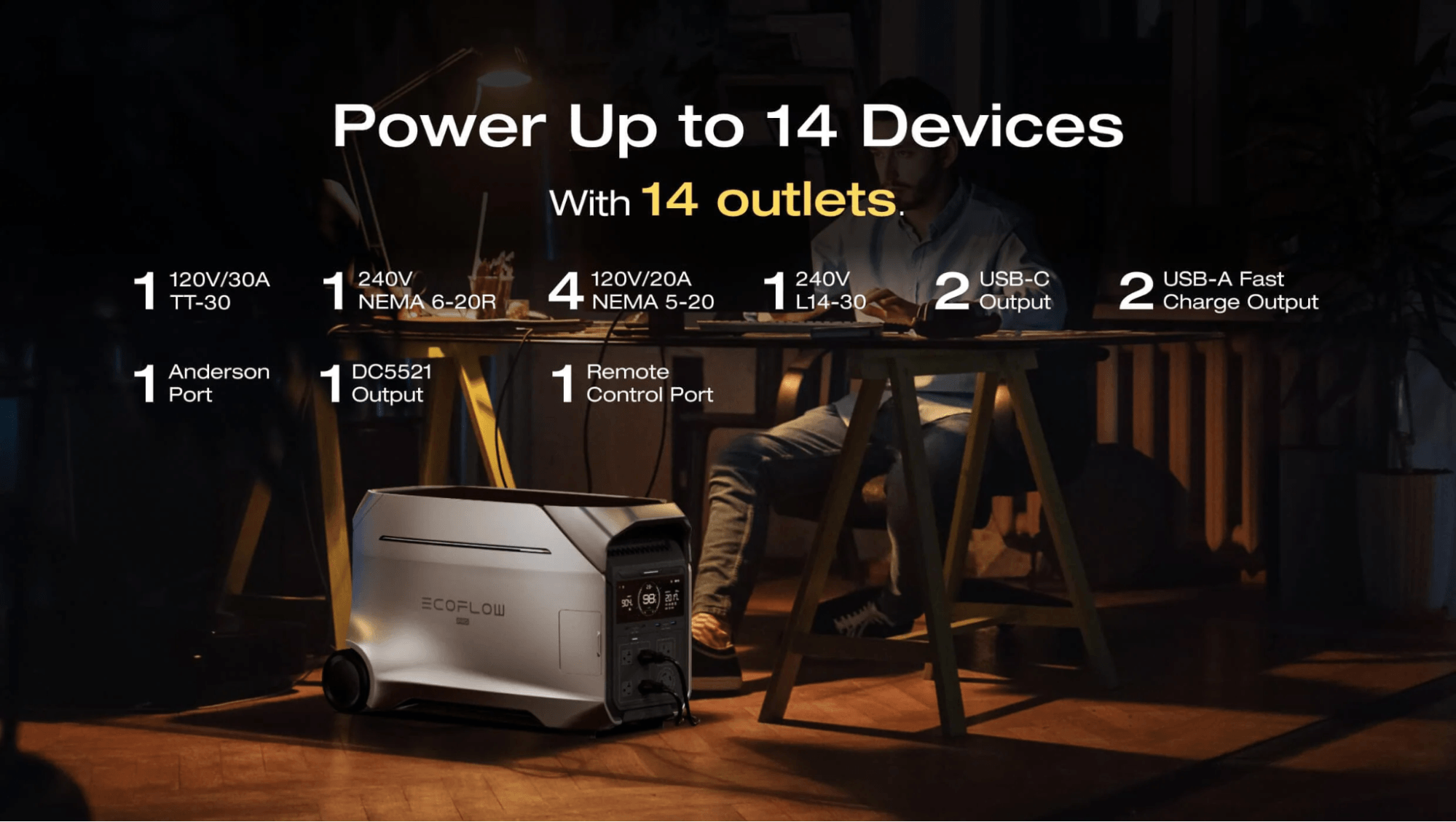
The tradeoff for that independence is limited backup. Texas has only a handful of small direct-current ties to neighboring grids, and those connections can't move enough power to cover a large shortfall. When demand spikes statewide, Texas has to solve it with in-state generation. An EcoFlow DELTA Pro 3 Portable Power Station gives homeowners a way to keep essentials running if that isolated system comes under pressure.
Why Does Extreme Heat Strain the Grid?
Heat waves hit the grid from multiple directions at once, and the effects compound.
Rising Air Conditioning Demand
Air conditioning accounts for a large share of Texas summer electricity use, and demand climbs fast once temperatures push past the mid-90s.
ERCOT has forecast peak summer demand above 92 gigawatts this year, a new high driven by population growth and new data centers and industrial loads coming online statewide.
Transmission Lines Losing Capacity in Heat
Transmission lines carry less power as they heat up. Rising temperatures increase resistance in the wires, which reduces how much electricity they can safely carry when demand peaks. That's a physical constraint, not an operational one, and it shows up every summer no matter how well the grid is managed.
Power Plants Running Near Capacity
Thermal power plants also lose efficiency in extreme heat, since hotter intake air and cooling water reduce output. With multiple plants running near their limits at once, ERCOT has less reserve to draw on if one trips offline.
Why Is Texas More Vulnerable Than Other States?
Grid isolation is the core reason. States connected to the Eastern or Western Interconnections can lean on neighboring utilities during a shortage; Texas can't do that at scale.
Even states with well-documented grid stress, like the California power grid during summer heat waves, can still draw on regional interconnections in a way ERCOT can't.
Rapid population growth, a construction boom, and a fast-expanding roster of data centers mean Texas is asking more of a grid with less outside help. Florida faces its own vulnerabilities too, though its power outages tend to follow hurricane season rather than summer heat.
How Do Solar and Battery Storage Help ERCOT Keep Up?
Texas has added substantial solar and battery storage capacity in recent years, becoming one of the more effective tools for managing peak demand.
Solar output aligns well with daytime AC load, while battery storage shifts that surplus into the early evening, when demand stays high but solar generation drops off. That combination has helped ERCOT avoid emergency measures during heat waves that would have caused problems a decade ago.
The same principle scales down to individual homes. Pairing solar with a battery-powered whole-home backup power solution lets a household store midday solar power and draw on it during the evening peak, cutting grid reliance when it's under the most stress.
What Happens During a Grid Emergency or Conservation Alert?
When reserves get tight, ERCOT can issue a conservation appeal, asking residents and businesses to voluntarily cut usage in the late afternoon and evening. If reserves drop further, ERCOT moves through formal emergency alerts and, in the most severe cases, can order controlled, rotating outages to prevent a wider system failure.
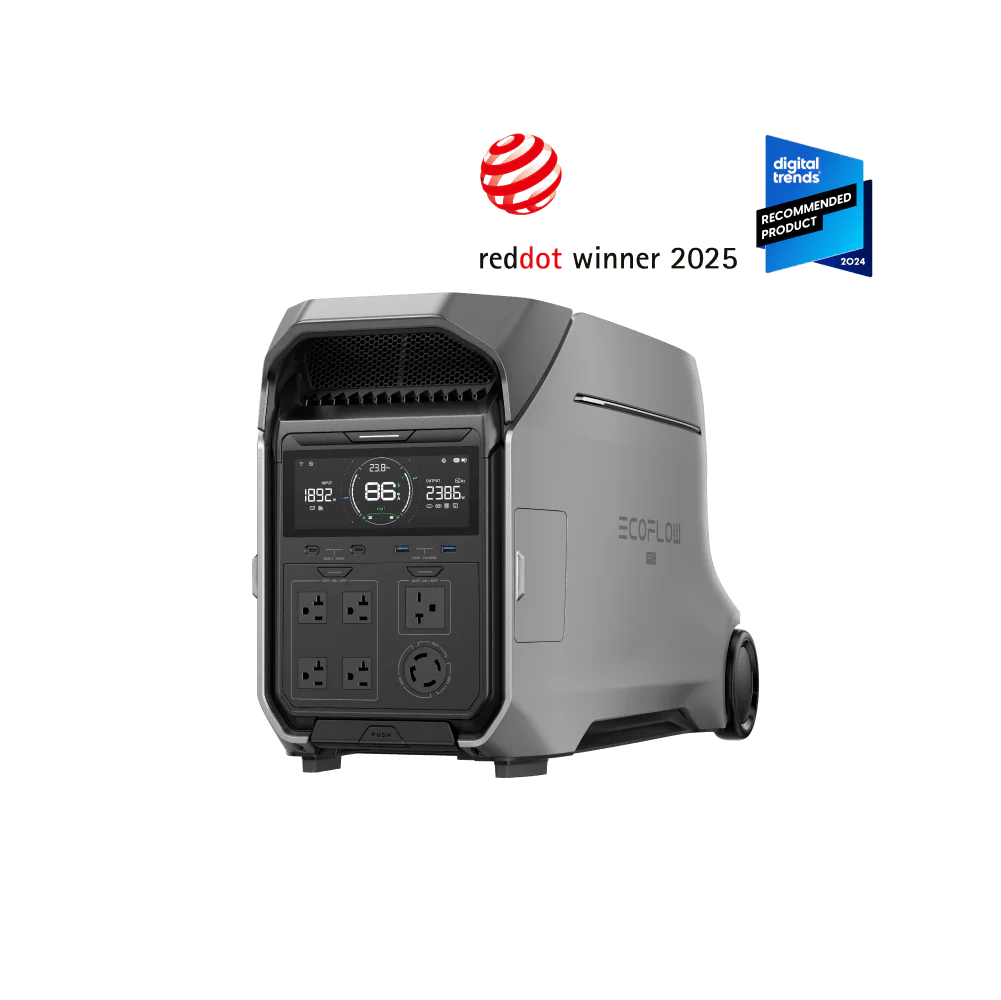
These events are rare, but the 2021 winter storm made them familiar to most Texans — and a charged EcoFlow DELTA Pro 3 can keep essentials running if one hits.
How Can Texans Prepare for Summer Grid Stress?
A few practical steps make a real difference: sealing air leaks and servicing your AC before peak season, shifting high-draw appliances like laundry and dishwashers outside the 3 to 8 p.m. window, and keeping a charged backup power source on hand for essentials like a refrigerator or medical equipment.
Peak-hour usage is also what drives up a Texas electricity bill the fastest, so shifting laundry and other high-draw appliances outside the 3 to 8 p.m. window helps on cost as much as it does on grid stress.
For homeowners considering a whole-home backup setup, size it around actual peak-hour loads, not just square footage — that's what determines whether it holds up during a multi-day event.
Frequently Asked Questions
Why Does Texas Have Its Own Power Grid?
Texas utilities built a standalone grid to keep transmission lines from crossing state borders, avoiding federal regulation of interstate electricity sales. That independence lets Texas open its retail electricity market to competition earlier than most states, but it also limits imports from neighboring grids during a shortage.
What Time of Day Is the Texas Grid Most at Risk?
Late afternoon through early evening, typically 3 to 8 p.m., is when Texas grid stress peaks. Solar output declines while air conditioning demand stays high, narrowing the margin between generation and demand. ERCOT conservation appeals almost always focus on this window.
Is Texas Likely to Have Blackouts This Summer?
Texas blackouts on the scale of 2021 remain unlikely. ERCOT has added significant solar and battery storage capacity in recent years, which has meaningfully improved reserve margins even as demand hits new records. Isolated conservation appeals during peak afternoon hours are common and expected, but a statewide emergency severe enough to trigger rotating outages is far less likely.
How Can You Prepare Your Home for a Texas Power Outage?
Keep a charged battery or power station rated for your essential appliances, shift non-critical usage away from peak hours, and have a plan for staying cool without AC if an outage hits. Test it before summer, not during an active alert.
Backup Power Keeps Texas Homes Running Through Grid Stress and Summer Outages
Texas's grid isolation and summer heat aren't going away, and record demand forecasts mean this isn't a one-year problem. What's changed is how much control households can take over their own exposure.
Whether that means running select circuits during a conservation appeal or keeping an EcoFlow DELTA Pro 3 Portable Power Station charged for a multi-day event, having power that doesn't depend on ERCOT's margins that afternoon closes the gap.
If your home has ridden out a summer alert on hope before, this is the year to size a whole-home backup power system around the hours that actually matter.
For press requests or interview opportunities, reach out to our media team
media.na@ecoflow.com